I’m going to be brutally honest: the first time I tried to make a cauliflower soup, it turned into a watery, bland mess that could have doubled as a decorative bowl filler. I stared at that sad, gray liquid and thought, “There has to be a way to make this not only edible but unforgettable.” That night, after a daring midnight snack raid on the pantry, I grabbed the only five ingredients that were screaming my name from the shelf: a fresh cauliflower, a handful of kale, a splash of heavy cream, rich vegetable broth, and a drizzle of olive oil. The result? A velvety, green‑kissed bowl that made my taste buds do a happy dance. This is the version that turned my kitchen disaster into a brag‑worthy masterpiece.
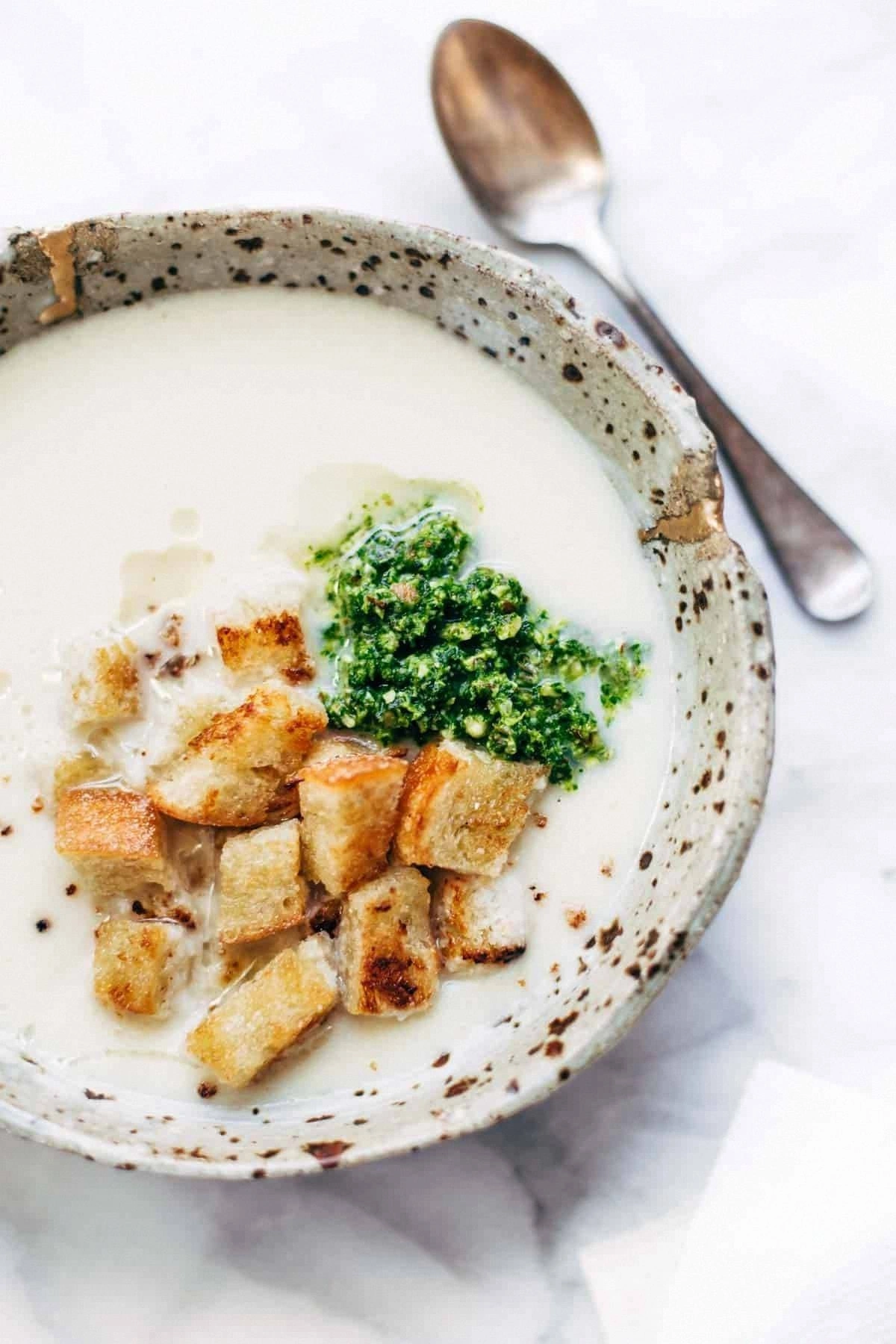
Picture this: the kitchen is humming with the low‑grade whirr of the blender, the aroma of roasted cauliflower wafts through the air like a warm blanket, and the kale pesto—yes, a tiny green miracle—adds a citrusy punch that makes the whole thing sing. The soup coats the spoon like silk, each sip delivering a buttery richness that lingers just long enough to make you sigh with contentment. You hear the faint pop of the olive oil as it hits the hot pan, a sound that says, “We’re about to create something magical.” The texture? Think cloud + cream cheese—smooth, thick, and just enough body to keep it from turning into a sloppy mess.
What really sets this recipe apart is the simplicity of the ingredient list married to a technique that most home cooks overlook: roasting the cauliflower before blending. Most recipes get this completely wrong by boiling the veg straight away, which strips away natural sweetness and leaves you with a flat flavor profile. By roasting, we caramelize the florets, coaxing out deep, nutty notes that make the soup taste like it’s been simmering for hours. And the kale pesto? It’s the secret weapon that adds a bright, herbaceous counterpoint without any extra calories, turning a humble soup into a five‑star starter.
I dare you to taste this and not go back for seconds. I’ll be honest — I ate half the batch before anyone else got to try it, and that’s saying something because the whole pot vanished in under ten minutes. If you’ve ever struggled with a watery cauliflower soup, you’re not alone — and I’ve got the fix. Okay, ready for the game‑changer? Let me walk you through every single step — by the end, you’ll wonder how you ever made it any other way.
What Makes This Version Stand Out
- Flavor: The caramelized cauliflower brings a sweet‑earthy depth that no boiled version can match, while the kale pesto adds a bright, peppery zing.
- Texture: Roasting creates a natural creaminess, and the splash of heavy cream turns the broth into a silk‑smooth blanket for your palate.
- Simplicity: Only five ingredients, yet the result feels like a multi‑component restaurant dish.
- Uniqueness: The pesto swirl is a surprise element that turns a plain soup into a work of art.
- Crowd Reaction: Guests swear they’ve never tasted cauliflower this way; it becomes the instant conversation starter.
- Ingredient Quality: Fresh cauliflower and kale make all the difference; you’ll taste the garden in every spoonful.
- Cooking Method: Roasting before blending is the secret that locks in flavor without extra fat.
- Make‑Ahead Potential: This soup stores beautifully, gaining flavor after a night in the fridge.
Alright, let's break down exactly what goes into this masterpiece…
Inside the Ingredient List
The Flavor Base
The star of the show is the cauliflower itself. A large head, about 1.5 kg, brings a mild sweetness that becomes buttery once roasted. If you pick a cauliflower with tight, white florets, you’ll get a cleaner flavor; a slightly yellowed head can introduce a nuttier undertone, which some people love. Skipping the roasting step reduces the soup to a bland puree, and you’ll lose that caramelized edge that makes the dish unforgettable.
The Texture Crew
Heavy cream is the silky sidekick that transforms the broth into a luxurious mouthfeel. Even a half‑cup is enough to coat every spoonful with a velvety finish without making the soup greasy. If you’re dairy‑free, swap it for coconut cream, but expect a subtle coconut flavor to sneak in. The vegetable broth supplies the salty backbone; use low‑sodium to keep the final dish from becoming overly salty.
The Unexpected Star
Kale pesto—made from fresh kale leaves, a splash of olive oil, a squeeze of lemon, and a pinch of salt—adds a peppery brightness that cuts through the richness. The pesto isn’t mixed in; it’s dolloped on top, creating a visual contrast and a flavor pop. If you can’t find kale, try spinach or arugula, but the flavor profile will shift from earthy to more peppery or mildly bitter.
The Final Flourish
Olive oil does double duty: it helps roast the cauliflower, and a drizzle over the finished soup adds a glossy sheen. Use extra‑virgin olive oil for the best aromatic finish. A poor-quality oil can leave a metallic aftertaste that ruins the delicate balance. Finally, a pinch of salt (optional) brightens the flavors; remember, the broth already carries some salt.
Everything's prepped? Good. Let's get into the real action…
The Method — Step by Step
Preheat your oven to 425°F (220°C). While it heats, break the cauliflower into uniform florets, toss them with 1 tbsp of olive oil, and sprinkle a pinch of salt. Spread them on a parchment‑lined sheet and roast for 25 minutes, turning halfway through. The edges should turn golden‑brown and give off a sweet, nutty aroma—that’s the first sign you’re on the right track.
While the cauliflower roasts, whisk together the kale pesto: blitz kale leaves, the remaining 1 tbsp olive oil, a squeeze of lemon juice, and a pinch of salt in a food processor until smooth. This should look like a vibrant, slightly thick sauce that clings to the back of a spoon. Set aside; you’ll use it as a finishing flourish.
When the cauliflower is beautifully caramelized, transfer it to a large pot. Add the 2 cups of vegetable broth and bring to a gentle simmer. Let it bubble for 5 minutes so the flavors meld; you’ll notice the broth turning a soft ivory color, hinting at the richness to come.
Now, the moment of truth: blend the cauliflower and broth until silken. Use an immersion blender for speed, or a countertop blender—just be careful of steam. The soup should be so smooth that it reflects light like polished marble. If you spot any stubborn chunks, give it another quick blitz.
Reduce the heat to low, then stir in the 1/2 cup of heavy cream. Watch as the mixture thickens instantly, turning a richer, buttery hue. Let it simmer gently for another 3 minutes—no boiling, just a soft simmer that lets the cream fully integrate.
Taste and adjust seasoning. A dash more salt or a squeeze of lemon can brighten the flavor if needed. This is where you trust your nose; if it smells like a cozy autumn night, you’re good.
Ladle the soup into bowls, then swirl a generous spoonful of kale pesto right through the center. The green ribbons create a visual contrast that looks as good as it tastes. Finish with a drizzle of the remaining olive oil and, if you’re feeling fancy, a few toasted pumpkin seeds for crunch.
Serve immediately, or let it cool and store in airtight containers. This soup reheats beautifully, and the pesto can be mixed in fresh each time for that pop of bright flavor.
That's it — you did it. But hold on, I've got a few more tricks that'll take this to another level…
Insider Tricks for Flawless Results
The Temperature Rule Nobody Follows
Never add the cream when the soup is screaming hot; bring the temperature down to a gentle simmer first. This prevents curdling and keeps the texture silky. I once added cream straight off the stove and ended up with a grainy mess—lesson learned.
Why Your Nose Knows Best
Before you taste, give the soup a quick sniff. If you catch a faint roasted scent, you’re on the right track. If it smells flat, a splash of lemon juice or a pinch more salt will revive it. Trust that olfactory cue—it’s more reliable than a timer.
The 5‑Minute Rest That Changes Everything
After blending, let the soup sit for five minutes off the heat. This rest allows the flavors to settle and the starches from the cauliflower to fully absorb the broth, resulting in a thicker, more cohesive consistency.
Pesto Timing Trick
Prepare the kale pesto while the cauliflower roasts. This way, the pesto stays fresh, bright, and ready to swirl in at the perfect moment. If you make it too early, the chlorophyll can darken, losing that vivid green pop.
Crunch Factor Bonus
A handful of toasted pumpkin seeds or slivered almonds adds a contrasting texture that elevates the soup from smooth to spectacular. I once forgot the crunch and the dish felt a bit one‑dimensional.
Creative Twists and Variations
This recipe is a playground. Here are some of my favorite ways to switch things up:
Spicy Sriracha Swirl
Add a teaspoon of sriracha to the pesto for a gentle heat that cuts through the creaminess. Great for those who love a little kick.
Coconut Curry Fusion
Swap the heavy cream for coconut milk and stir in a tablespoon of red curry paste before blending. The result is an exotic, tropical take that pairs well with jasmine rice.
Cheesy Cauliflower Delight
Stir in ½ cup of grated sharp cheddar just before serving. The cheese melts into the soup, creating a richer, indulgent version perfect for chilly evenings.
Roasted Garlic Boost
Roast a whole head of garlic alongside the cauliflower. Squeeze the soft, caramelized cloves into the soup for a deep, aromatic flavor that feels like a hug.
Vegan Power
Replace the heavy cream with cashew cream (soak cashews, blend with water). Use vegetable broth with no added animal products, and you have a fully vegan, creamy masterpiece.
Storing and Bringing It Back to Life
Fridge Storage
Transfer the soup to a glass jar or airtight container and refrigerate for up to four days. The flavors deepen, and the texture stays smooth as long as you give it a quick whisk before reheating.
Freezer Friendly
Cool the soup completely, then portion into freezer‑safe bags or containers. Freeze for up to three months. Thaw overnight in the fridge, then reheat gently on the stove, adding a splash of water or extra broth to revive the silkiness.
Best Reheating Method
Reheat over low heat, stirring constantly. Add a teaspoon of water or broth for every cup of soup to prevent it from thickening too much. Finish with a fresh drizzle of olive oil and a dollop of pesto for that just‑made feeling.