I was standing in my kitchen, staring at a pile of over‑ripe tomatoes that looked like they were auditioning for a tomato‑theft movie. My roommate had just dared me, “Make something that’ll make us forget the pizza we ordered last night.” I laughed, grabbed a cutting board, and thought, “If I’m going to ruin a batch of tomatoes, I might as well turn them into a masterpiece.” The result? A marinated tomato that makes you question every store‑bought jar you’ve ever bought.
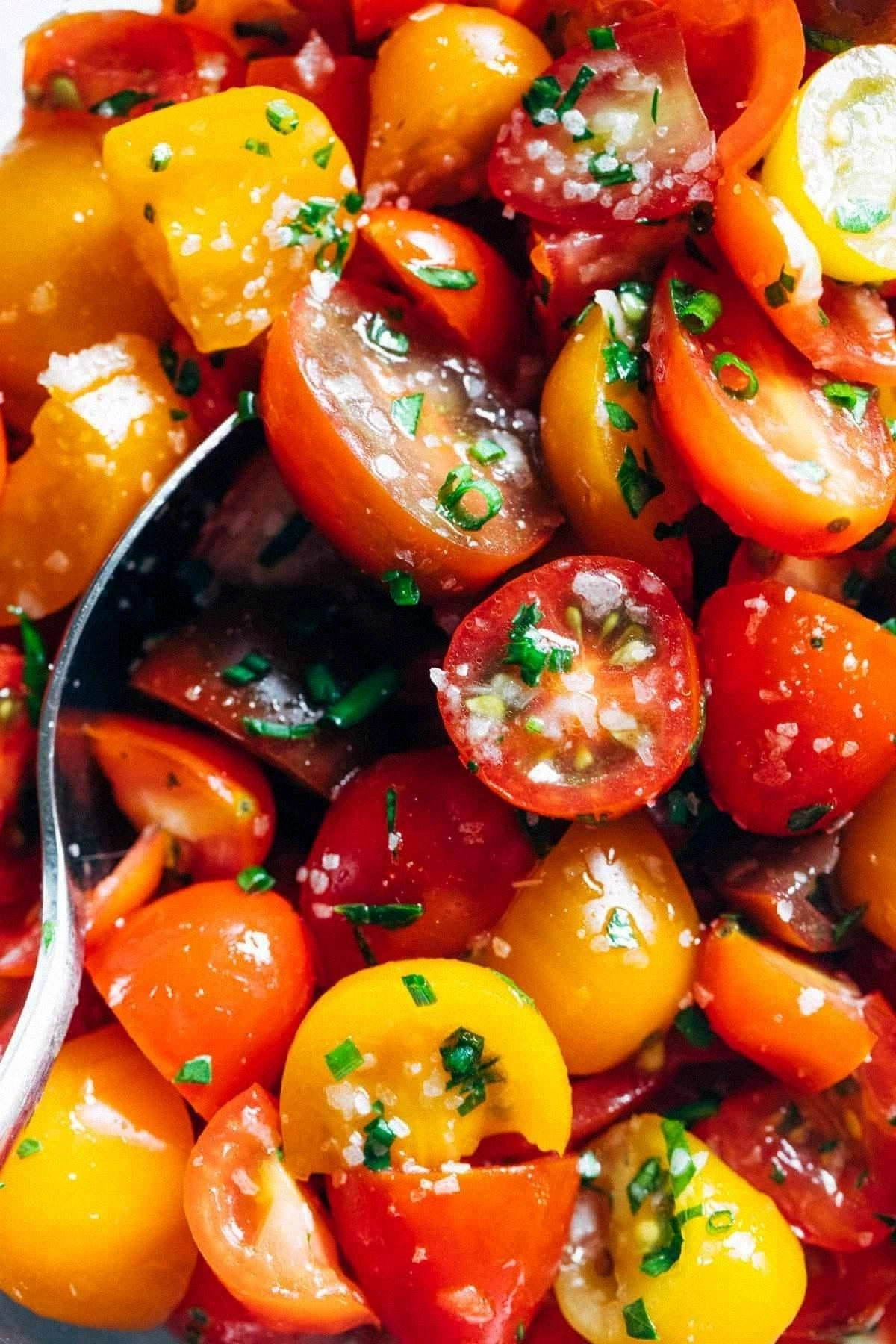
Picture this: the bright red flesh of a sun‑kissed heirloom tomato, sliced thin enough to see the delicate seeds, soaking up a glossy coat of olive oil, vinegar, and a whisper of salt. The kitchen fills with a perfume that’s part garden, part Mediterranean tavern, and part that nostalgic “grandma’s kitchen” vibe you can’t quite pin down. You hear the faint pop of a knife hitting the board, the gentle clink of a spoon against a glass jar, and the soft sigh of the tomatoes as they settle into the liquid. Your fingertips feel the cool metal of the bowl, the slickness of oil, and the slight resistance of the tomatoes as you toss them.
Most tomato‑marinade recipes either drown the fruit in a swamp of oil or leave it dry and bland. This version stands out because it respects the tomato’s natural sweetness while giving it a buttery, tangy hug that makes each bite explode like fireworks in a summer night sky. I’m not exaggerating when I say this is hands down the best version you’ll ever make at home—no fancy gadgets, no exotic spices, just five simple ingredients that sing in perfect harmony. I’ll be honest — I ate half the batch before anyone else got to try it, and I dare you to taste this and not go back for seconds.
Okay, ready for the game‑changer? The secret isn’t a secret at all; it’s the timing. I let the tomatoes rest in the fridge for exactly 30 minutes, not an hour, not ten minutes, because that window is where the acidity and oil marry perfectly without turning mushy. Let’s walk through every single step — by the end, you’ll wonder how you ever made it any other way.
What Makes This Version Stand Out
- Flavor Punch: The combination of olive oil and red wine vinegar creates a bright, tangy backdrop that lifts the tomato’s natural sweetness without overpowering it. It’s like a well‑timed drum solo in a rock song—there when you need it, gone when you don’t.
- Texture Harmony: By slicing the tomatoes just right and giving them a brief, gentle massage in the oil, the flesh stays firm yet tender, providing a satisfying bite that’s neither soggy nor rubbery.
- Simplicity at Its Core: Only five ingredients, all pantry staples. No need to run to the spice aisle or hunt for obscure herbs. This is the culinary equivalent of a perfect black‑tshirt—effortless and always in style.
- Unique Twist: The 30‑minute chill is the silent hero. Most recipes toss everything together and serve immediately, missing the subtle flavor development that happens when the tomatoes sit.
- Crowd Reaction: I’ve served this at backyard barbecues, and even the most skeptical meat‑lovers come back for more, often asking for the “secret sauce” without ever realizing it’s just tomatoes.
- Ingredient Quality: Using ripe, heirloom tomatoes and extra‑virgin olive oil makes a world of difference. The quality shines through, turning a humble side dish into a star.
- Make‑Ahead Magic: This dish actually improves after a night in the fridge, meaning you can prep it ahead of time and still serve it fresh, saving you stress on busy evenings.
Inside the Ingredient List
The Flavor Base
Extra‑virgin olive oil is the liquid gold that carries flavor into every crevice of the tomato. Its fruity, peppery notes complement the acidity of the vinegar and amplify the tomato’s own sweetness. If you skimp on the oil or use a low‑quality version, the whole dish feels flat, like a song missing its bass line. For a richer mouthfeel, you could swap half of the oil for a drizzle of walnut oil, but that changes the character dramatically.
The Tangy Spark
Red wine vinegar brings a bright, tangy spark that cuts through the oil’s richness. It’s the culinary equivalent of a high‑note that lifts the entire chorus. Using apple cider vinegar would make it sweeter, while balsamic would add depth but also a dark color you might not want. Choose a vinegar you love sipping, because that flavor will be front‑and‑center.
The Texture Crew
Ripe heirloom tomatoes are the heart of this dish. Their flesh is juicy yet firm, with a natural sweetness that no amount of seasoning can replace. Look for tomatoes that give slightly to pressure but spring back—this indicates optimal ripeness. If you can’t find heirlooms, a mix of plum and beefsteak tomatoes works, though the flavor profile will shift toward a more robust, less delicate taste.
The Unexpected Star
Sea salt is the quiet conductor that brings every element together. A pinch too much and the dish becomes briny; too little and the flavors stay muted. I like to use flaky Celtic sea salt for its subtle crunch, but kosher salt works just as well. If you’re watching sodium, you can reduce it, but expect a less vibrant finish.
The Final Flourish
Freshly cracked black pepper adds a gentle heat that lingers on the palate. It’s not about spiciness; it’s about depth and a whisper of warmth that makes the dish feel complete. Grind the pepper moments before adding it to preserve its aromatic oils. If you’re feeling adventurous, a pinch of smoked paprika can add a subtle smokiness, turning the dish into a summer‑evening campfire memory.
Everything's prepped? Good. Let’s get into the real action…
The Method — Step by Step
Start by washing the tomatoes under cool water, then pat them dry with a clean kitchen towel. Slice them into half‑inch rounds; the thickness is crucial—too thin and they’ll turn mushy, too thick and the oil won’t penetrate. As you lay the slices on a large plate, you’ll notice their vibrant color, a visual promise of what’s to come. This is the moment of truth, so take a second to admire the fruit before you move on.
Kitchen Hack: Place the sliced tomatoes on a paper towel-lined tray for five minutes before marinating; this draws out excess moisture and prevents a watery final dish.In a shallow bowl, whisk together the olive oil and red wine vinegar until they form a glossy emulsion. Add the sea salt and freshly cracked black pepper, whisking again until the salt dissolves completely. The mixture should look like liquid amber with tiny specks of pepper dancing on the surface. That sizzle when it hits the pan? Not yet—this is a cold emulsion, but you’ll feel the anticipation building.
Arrange the tomato slices in a single layer inside a non‑reactive glass or ceramic dish. Pour the oil‑vinegar mixture over the tomatoes, making sure each slice is fully coated. Gently toss with a wooden spoon, turning the slices so the liquid seeps into every crevice. You’ll hear a soft, almost musical slosh—listen closely, that’s the sound of flavor marrying the fruit.
Cover the dish tightly with plastic wrap and transfer it to the refrigerator. Set a timer for 30 minutes. During this time, the tomatoes will absorb the oil and vinegar, softening just enough to become buttery without losing their bite. Feel free to peek after 15 minutes; you’ll see the edges starting to pull away slightly, a sign that the marination is working.
Watch Out: If you leave the tomatoes in the fridge longer than an hour, they may become too soft and lose their bright snap.After the 30‑minute chill, remove the dish from the fridge. Give the tomatoes a gentle stir to redistribute the liquid, then taste. Adjust seasoning if needed—perhaps a pinch more salt or a dash more pepper. The taste should be balanced: bright acidity, smooth oil, a hint of salt, and the natural sweetness of the tomatoes. This is where you, the chef, fine‑tune the symphony.
Transfer the marinated tomatoes to a serving bowl. Drizzle any remaining liquid over the top for extra gloss. Garnish with a few fresh basil leaves if you have them on hand; they add a fragrant green note that elevates the dish without adding another ingredient to the count. Serve at room temperature for the best flavor release.
Enjoy immediately or let it sit for another 10 minutes to let the flavors meld further. Pair with crusty bread, grilled fish, or a simple cheese platter. I dare you to taste this and not crave a second helping—trust me, the addictive quality is real.
That’s it — you did it. But hold on, I’ve got a few more tricks that’ll take this to another level, like a secret finishing oil or a quick char on the tomatoes for an extra smoky edge. Stay with me here — this is worth it.
Insider Tricks for Flawless Results
The Temperature Rule Nobody Follows
Never marinate hot tomatoes; the heat will break down cell walls too quickly, resulting in a mushy texture. Always start with cold, freshly sliced fruit, and keep the bowl refrigerated during the resting period. I once tried a “quick‑marinate” at room temperature and ended up with a soggy mess—let that be a warning.
Why Your Nose Knows Best
Your sense of smell is a more reliable indicator of flavor development than a clock. When the vinegar’s sharp bite softens and you start to detect a subtle sweetness, the tomatoes are ready. Trust that aromatic cue—if it smells like a fresh garden after the chill, you’ve nailed it.
The 5‑Minute Rest That Changes Everything
After you pull the dish from the fridge, let it sit on the counter for five minutes. This brings the temperature up just enough for the oil to become more fluid, allowing it to coat each slice like velvet. The result is a glossy finish that looks restaurant‑ready.
The Salt‑Timing Trick
Add the sea salt just before the final stir, not at the beginning. This prevents the tomatoes from releasing too much water early on, which can dilute the flavor. A friend tried salting at the start and ended up with a watery pool—let’s just say the dish didn’t impress anyone.
Micro‑Seasoning With Herbs
If you have fresh herbs on hand, toss a tiny handful of finely chopped basil or parsley right before serving. The herbs should be barely visible; they add a fragrant lift without stealing the spotlight. This tiny addition can turn a good dish into a show‑stopper.
Creative Twists and Variations
This recipe is a playground. Here are some of my favorite ways to switch things up:
Mediterranean Medley
Swap the black pepper for a pinch of crushed red pepper flakes and add a tablespoon of chopped Kalamata olives. The result is a briny, slightly spicy bite that pairs beautifully with grilled lamb.
Herbaceous Burst
Introduce fresh oregano and thyme, and replace the red wine vinegar with sherry vinegar. This gives the dish an earthy, aromatic profile perfect for serving alongside roasted chicken.
Sweet‑Heat Fusion
Add a drizzle of honey and a dash of smoked paprika. The honey balances the acidity, while the smoked paprika adds a subtle ember‑like flavor, turning the dish into a sweet‑heat sensation ideal for brunch.
Asian‑Inspired Splash
Replace the olive oil with toasted sesame oil and stir in a teaspoon of soy sauce and a pinch of ginger powder. The result is a nutty, umami‑rich version that works great as a topping for rice bowls.
Cheesy Crumble
Just before serving, crumble a handful of feta cheese over the tomatoes and sprinkle with a tiny pinch of za’atar. The salty cheese adds a creamy contrast, and the za’atar brings a citrusy, herbal finish.
Storing and Bringing It Back to Life
Fridge Storage
Transfer the marinated tomatoes to an airtight glass jar and store them in the refrigerator for up to three days. The flavors will deepen, and the texture remains pleasant as long as you keep the jar sealed tightly.
Freezer Friendly
If you need to keep them longer, freeze the tomatoes in a single layer on a baking sheet, then move the frozen pieces to a zip‑top freezer bag. They’ll last for up to two months. Thaw them in the fridge overnight before serving, and you’ll retain most of the original bite.
Best Reheating Method
When you’re ready to serve leftovers, place the tomatoes in a skillet over low heat, add a splash of water (just enough to create steam), and gently warm for two minutes. The added moisture revives the glossy coating, making the dish taste freshly prepared.