Picture this: I’m standing in a cramped apartment kitchen, the fluorescent lights buzzing overhead, and a friend has just challenged me to prove that “Asian Ground Beef Lettuce Wrap” can beat the version that lives in every takeout menu. The aroma that hits me first is a sweet‑savory haze of maple syrup dancing with coconut aminos, the kind of scent that makes your stomach do a little somersault. I remember the first time I tried a generic recipe—it was bland, the lettuce was soggy, and the sauce was a watery mess that clung to the pan like a bad habit. That night, I was determined to rewrite the playbook and create a wrap that sings, not whispers.
I pulled out the ingredients, the list looking almost too long to be a simple lunch. The colors were a riot: crimson bell pepper, orange carrots, translucent green onions, and that crisp, buttery white of Boston Bibb lettuce. The sound of the skillet heating up was a low, steady hiss that promised something delicious. As the garlic and ginger hit the hot oil, they released an aromatic perfume that made my eyes water in a good way, a reminder that flavor is about layers, not just a single ingredient. The first sizzle was a cue—this is where the magic begins.
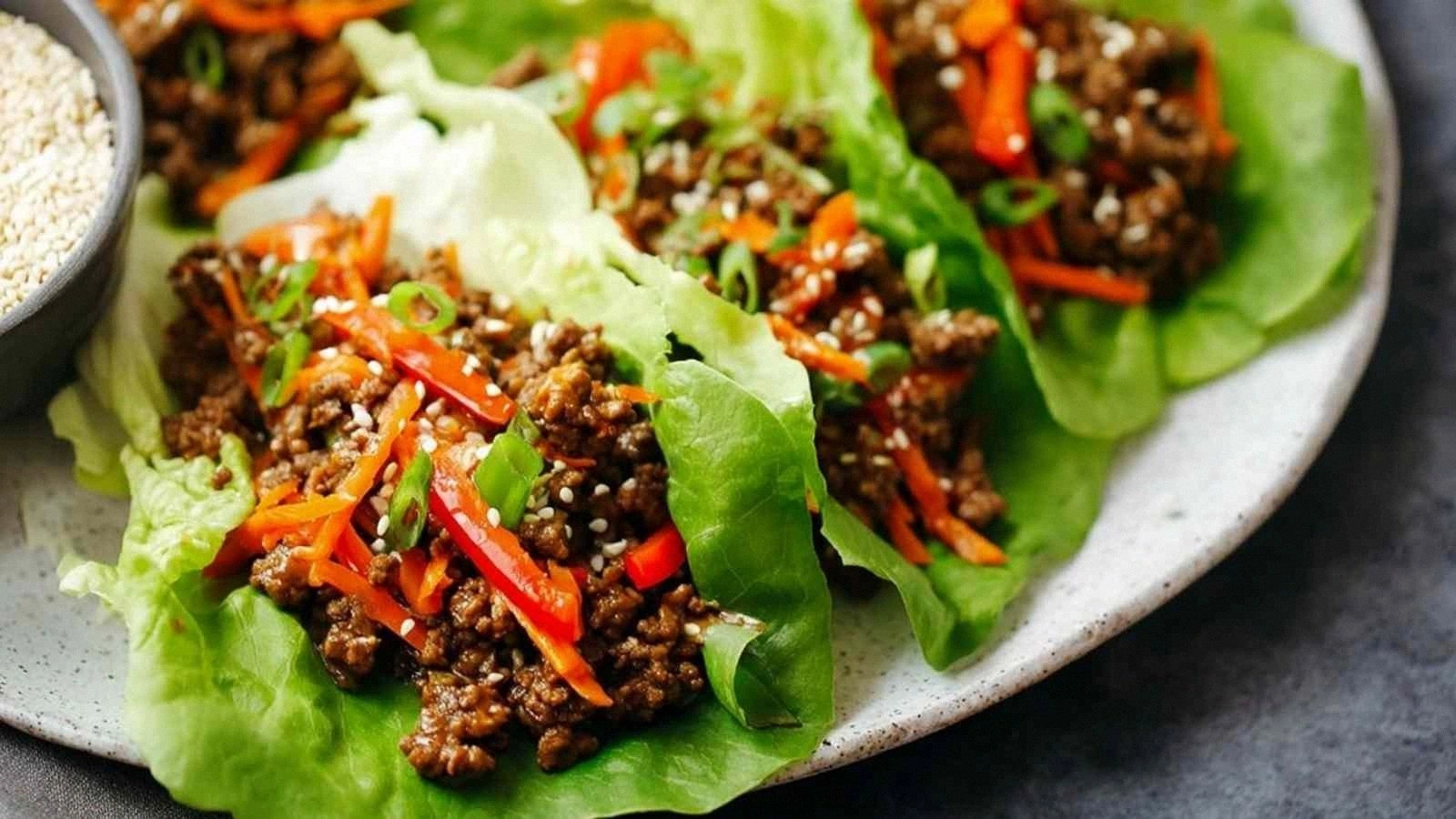
I dare you to taste this and not go back for seconds. The sauce coats the beef like a glossy glaze that shimmers with maple sweetness and umami depth from coconut aminos. The red pepper flakes give a gentle heat that lingers without overwhelming, and the sesame oil adds a nutty finish that feels like a secret handshake between the ingredients. The lettuce is crisp, a satisfying crunch that balances the soft, juicy beef. Picture yourself pulling this out of the pan, the whole kitchen smelling incredible, and you’re ready to dig in with a forkful of rice, a spoonful of the sauce, and a handful of fresh greens.
If you’ve ever struggled with this, you’re not alone — and I’ve got the fix. Most recipes get this completely wrong by overcooking the beef or using too much liquid, resulting in a soggy wrap that falls apart. I’ll be honest — I ate half the batch before anyone else got to try it, and that’s a testament to how addictive this version is. The secret? A quick, high‑heat sear, a thickening agent that’s invisible yet powerful, and a balance of sweet, salty, and spicy that keeps every bite exciting. Let me walk you through every single step — by the end, you’ll wonder how you ever made it any other way.
What Makes This Version Stand Out
- Flavor: The sauce is a marriage of sweet maple syrup and savory coconut aminos, creating a depth that feels both familiar and adventurous. The subtle heat from red pepper flakes gives it a gentle kick that stays in the background, allowing the other flavors to shine.
- Texture: The beef is seared to a caramelized crust, while the arrowroot powder thickens the sauce into a silky coating that clings to the lettuce without making it soggy.
- Ingredient Quality: Using high‑quality Boston Bibb lettuce gives a buttery crunch that contrasts beautifully with the tender beef. Fresh ginger and garlic add a bright, aromatic base.
- Ease of Preparation: The method takes less than 45 minutes from start to finish, and no special equipment is required—just a skillet and a few basic pantry staples.
- Crowd Reaction: Friends rave about how the sauce “coats the beef like velvet,” and the wraps are perfect for both casual lunches and dinner parties.
- Make‑Ahead Potential: The sauce can be prepared ahead and refrigerated, and the beef can be cooked in advance, making this dish a stress‑free option for busy weekdays.
- Versatility: Swap out the rice for cauliflower rice for a low‑carb option, or add a splash of lime juice for a zesty twist.
Inside the Ingredient List
The Flavor Base
Maple syrup, coconut aminos, rice vinegar, toasted sesame oil, and red pepper flakes form the core of the sauce. Maple syrup provides a natural sweetness that balances the salty umami of coconut aminos, while rice vinegar adds brightness and helps the flavors meld. Toasted sesame oil brings a toasted, nutty aroma that elevates the entire dish. The red pepper flakes give a gentle heat that’s noticeable but not overpowering. Skipping any of these will change the sauce’s character—without maple syrup, the sauce becomes flat; without coconut aminos, it loses depth.
The Texture Crew
Arrowroot powder or cornstarch is the unsung hero that thickens the sauce into a glossy coating. It’s added at the end of cooking to avoid clumps, ensuring the sauce remains silky. Olive oil is used for browning the beef, giving it a rich color and preventing sticking. If you prefer a lighter version, replace olive oil with a neutral oil like grapeseed. These ingredients work together to create a sauce that clings to the lettuce without making it soggy.
The Unexpected Star
Boston Bibb lettuce isn’t just a filler; its buttery texture and delicate flavor provide a perfect canvas for the beef. The leaves are sturdy enough to hold the filling while still crisp, offering a satisfying bite. If you can’t find Boston Bibb, romaine or butter lettuce are acceptable substitutes, though the texture will differ slightly. The lettuce’s natural sweetness complements the savory sauce, making each wrap a balanced bite.
The Final Flourish
Shredded carrots, diced red bell pepper, and chopped green onions add crunch, color, and a burst of freshness. Carrots bring a subtle sweetness, bell pepper adds a bright, sweet crunch, and green onions contribute a sharp, oniony finish that cuts through the richness. Sesame seeds sprinkle a nutty crunch on top, while kosher salt and ground black pepper finish the seasoning. Together, these vegetables create a symphony of textures that make each wrap a multi‑sensory experience.
Everything's prepped? Good. Let's get into the real action.
The Method — Step by Step
- Heat a large skillet over medium‑high heat and add 1 tablespoon of olive oil. As the oil shimmers, add the ground beef and break it into small crumbles with a spatula. Let the beef sear without stirring for about 2 minutes to develop a caramelized crust. After the crust forms, stir the beef until it’s fully browned and no longer pink. The goal is a golden brown color that signals the beef has developed a deep flavor.
- Add 2 minced garlic cloves and 2 teaspoons of freshly grated ginger to the skillet. Stir quickly to prevent the garlic from burning, and let the aromatics sauté for 30 seconds until fragrant. The garlic should release a sweet, savory scent, and the ginger should give a bright, peppery kick. This step builds the foundation of the sauce’s flavor profile.
- Stir in 1/4 cup of maple syrup, 1/4 cup of coconut aminos, 2 teaspoons of rice vinegar, 1 tablespoon of toasted sesame oil, and 1/4 teaspoon of red pepper flakes. Mix thoroughly so the sugars dissolve and the spices distribute evenly. As the mixture heats, you’ll notice the liquid thickening slightly; this is the beginning of the sauce’s glossy coat.
- Whisk 2 teaspoons of arrowroot powder with 1 tablespoon of cold water to create a slurry. Slowly pour the slurry into the skillet while stirring continuously. The sauce should thicken within 1–2 minutes, turning glossy and slightly translucent. If it becomes too thick, add a splash of water to reach the desired consistency. This step is critical to ensure the sauce coats the beef without dripping off the lettuce.
- Add 1 diced medium red bell pepper, 1/2 cup of shredded carrots, and 4 chopped green onions to the skillet. Stir and cook for 3 minutes until the vegetables are just tender but still retain a bite. The bell pepper should keep its bright color, while the carrots soften just enough to release their natural sweetness. This blend of textures adds a fresh crunch to the filling.
- Season with kosher salt and ground black pepper to taste. Sprinkle a tablespoon of sesame seeds over the top for a nutty crunch. Taste the mixture, adjusting the salt or sweetener if necessary. The final flavor should be a harmonious balance of sweet, salty, and umami with a subtle heat.
- Remove the skillet from heat and let the mixture cool slightly for 2 minutes. The sauce will continue to thicken as it rests, ensuring a perfect coating. While it cools, gather your lettuce leaves, rice, and any optional garnishes. The timing here is crucial; if you wait too long, the beef may cool too much, affecting the texture of the wraps.
- To assemble, spoon a generous portion of the beef mixture onto the center of each Boston Bibb lettuce leaf. Top with a spoonful of steamed white rice or cauliflower rice for added bulk. Garnish with extra sesame seeds and a drizzle of the remaining sauce. Fold the lettuce over the filling like a taco, and serve immediately. The final product should have a crisp lettuce shell, a flavorful beef center, and a glossy sauce that glistens like a jewel.
That’s it — you did it. But hold on, I’ve got a few more tricks that will take this to another level.
Insider Tricks for Flawless Results
The Temperature Rule Nobody Follows
Cooking the beef over high heat for the first 2 minutes locks in moisture and creates a caramelized crust. Many people lower the heat too early, causing the beef to steam and lose flavor. Keep the skillet hot and let the beef sit undisturbed for that crucial sear. I once tried to rush it and ended up with a soggy, bland batch that nobody wanted.
Why Your Nose Knows Best
As the sauce simmers, you’ll notice a sweet, nutty aroma that signals the maple and sesame oil are perfectly balanced. If the smell turns overly sweet, add a splash of rice vinegar to cut the sweetness. Your nose is the ultimate judge of flavor harmony; trust it.
The 5-Minute Rest That Changes Everything
Letting the beef mixture rest for 5 minutes after cooking allows the flavors to meld and the sauce to thicken. During this rest, the beef continues to cook slightly from residual heat, ensuring it’s juicy and not dry. Skipping this step can leave the beef too wet and the sauce thin.
Layering for Crunch
Add a thin layer of shredded carrots on top of the beef before folding the lettuce. The carrots retain their crunch even after the wrap is assembled, providing a satisfying bite that contrasts with the soft beef. This trick turns each wrap into a textural masterpiece.
Using Cauliflower Rice for Low-Carb
If you’re watching carbs, substitute cauliflower rice for steamed white rice. The cauliflower should be lightly steamed to keep it fluffy, not soggy. It absorbs the sauce well, adding a subtle earthy flavor that pairs beautifully with the sweet‑savory beef.
Creative Twists and Variations
This recipe is a playground. Here are some of my favorite ways to switch things up:
Spicy Korean BBQ Wraps
Swap the maple syrup for Korean gochujang and add a splash of sesame oil. The result is a spicy, umami‑rich sauce that pairs well with a side of kimchi. The gochujang gives a smoky heat that’s unforgettable.
Teriyaki Tofu Lettuce Cups
Replace ground beef with crumbled tofu and use teriyaki sauce instead of coconut aminos. The tofu absorbs the sweet sauce beautifully, making this a vegetarian delight. It’s perfect for a lighter dinner.
Thai Peanut Crunch Wrap
Add a tablespoon of creamy peanut butter to the sauce and sprinkle chopped peanuts on top. The peanut butter adds a nutty depth while the peanuts provide crunch. This variation is a nod to Thai flavors.
Mexican Street Taco Lettuce
Season the beef with cumin, chili powder, and a pinch of smoked paprika. Garnish with fresh cilantro and a squeeze of lime. The result is a Mexican-inspired wrap that’s both zesty and hearty.
Breakfast Breakfast Wrap
Serve the beef mixture over a bed of scrambled eggs instead of rice. Add a sprinkle of cheddar cheese for extra richness. This version turns the dish into a satisfying brunch option.
Sweet Chili Glaze
Use sweet chili sauce in place of maple syrup for a sweeter, spicier glaze. The bright red sauce adds visual appeal and a punch of flavor. It’s a crowd‑pleaser at parties.
Storing and Bringing It Back to Life
Fridge Storage
Store the cooked beef mixture in an airtight container for up to 3 days. Keep the lettuce separate until you’re ready to serve to maintain crispness. The sauce will thicken slightly in the fridge, so a quick stir before using will restore its glossy texture.
Freezer Friendly
Freeze the beef mixture in a freezer‑safe container for up to 2 months. When ready, thaw in the refrigerator overnight. Reheat on the stove over low heat, adding a splash of water or broth to loosen the sauce.
Best Reheating Method
To reheat, place the mixture in a skillet over medium heat, adding a small splash of water or broth. Stir until the sauce is heated through and slightly glossy again. The small amount of liquid prevents the mixture from drying out and keeps the flavors vibrant.