Love this? Pin it for later! 📌
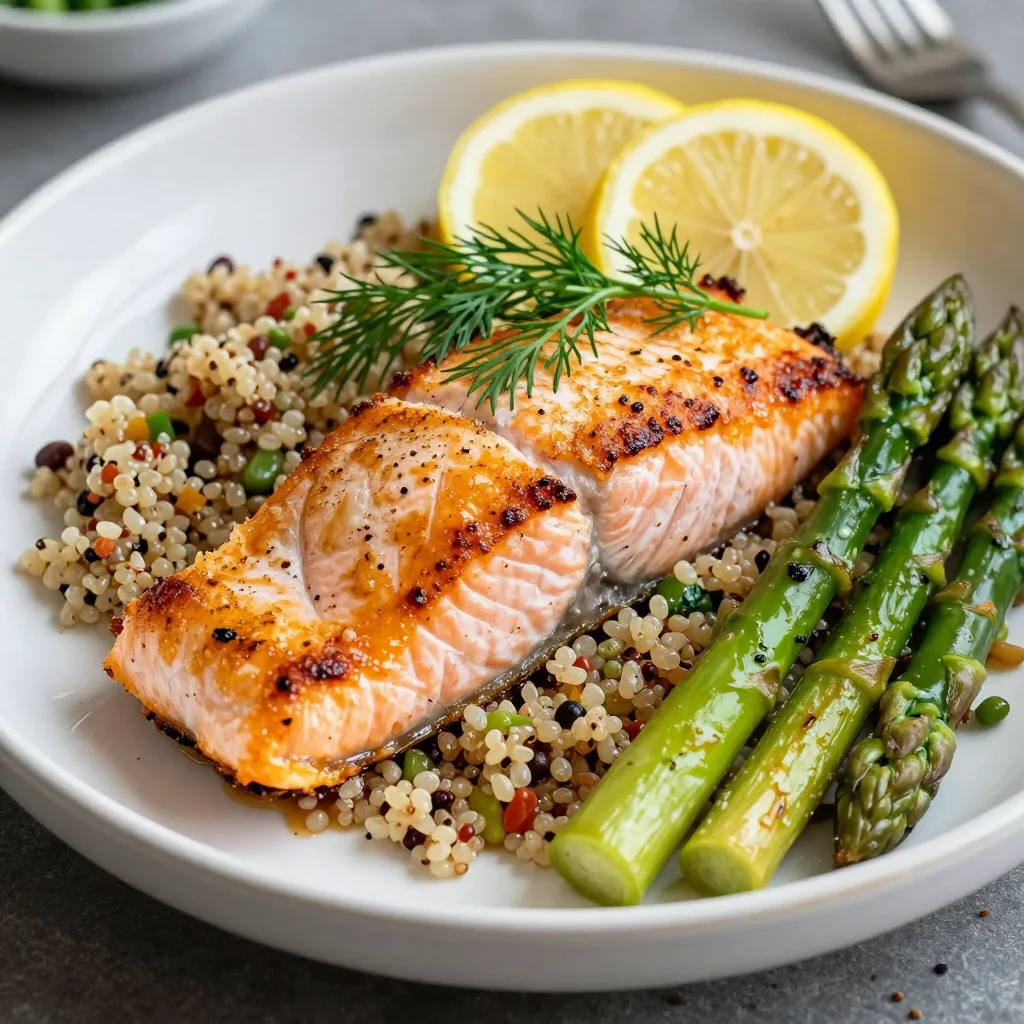
What started as a desperate attempt to stay on the clean-eating wagon has become my go-to reset button, not just in January but anytime life gets a little too chaotic. There's something almost meditative about patting those salmon fillets dry, watching the paper towel turn damp with excess moisture, knowing you're about to create something that nourishes both body and soul. My kids, who typically treat anything remotely healthy with the suspicion of seasoned food critics, actually request this salmon. My husband, a self-proclaimed "meat and potatoes guy," once ate three servings and asked if we could have it twice a week. Even my mother-in-law, who believes butter makes everything better, declared it "restaurant-worthy" – high praise indeed.
But beyond the taste, what I love most is how this recipe delivers maximum flavor with minimal fuss. In less than 30 minutes, you can transform a simple piece of fish into something that feels like a celebration rather than deprivation. It's become my Sunday night ritual, setting me up for a week of better choices, one lemony, herb-crusted bite at a time.
Why This Recipe Works
- Quick Weeknight Hero: From fridge to table in 25 minutes flat – perfect for those "I have no time but need real food" evenings
- Foolproof Technique: The low-temperature bake ensures perfectly moist salmon every single time, even if you get distracted by Instagram
- Meal Prep Champion: Cooks beautifully in bulk and reheats like a dream for salads, bowls, and quick protein all week
- Budget-Friendly Luxury: Uses affordable pantry staples to make a $10 ingredient taste like a $30 restaurant dish
- Anti-Inflammatory Powerhouse: Omega-3s from salmon, antioxidants from dill, vitamin C from lemon – basically edible self-care
- Family-Friendly Flexibility: Mild enough for picky eaters, flavorful enough for food snobs, adaptable for every dietary restriction known to mankind
- One-Pan Wonder: Everything bakes on a single sheet pan, because who has time for dishes when there are Netflix shows to binge?
Ingredients You'll Need
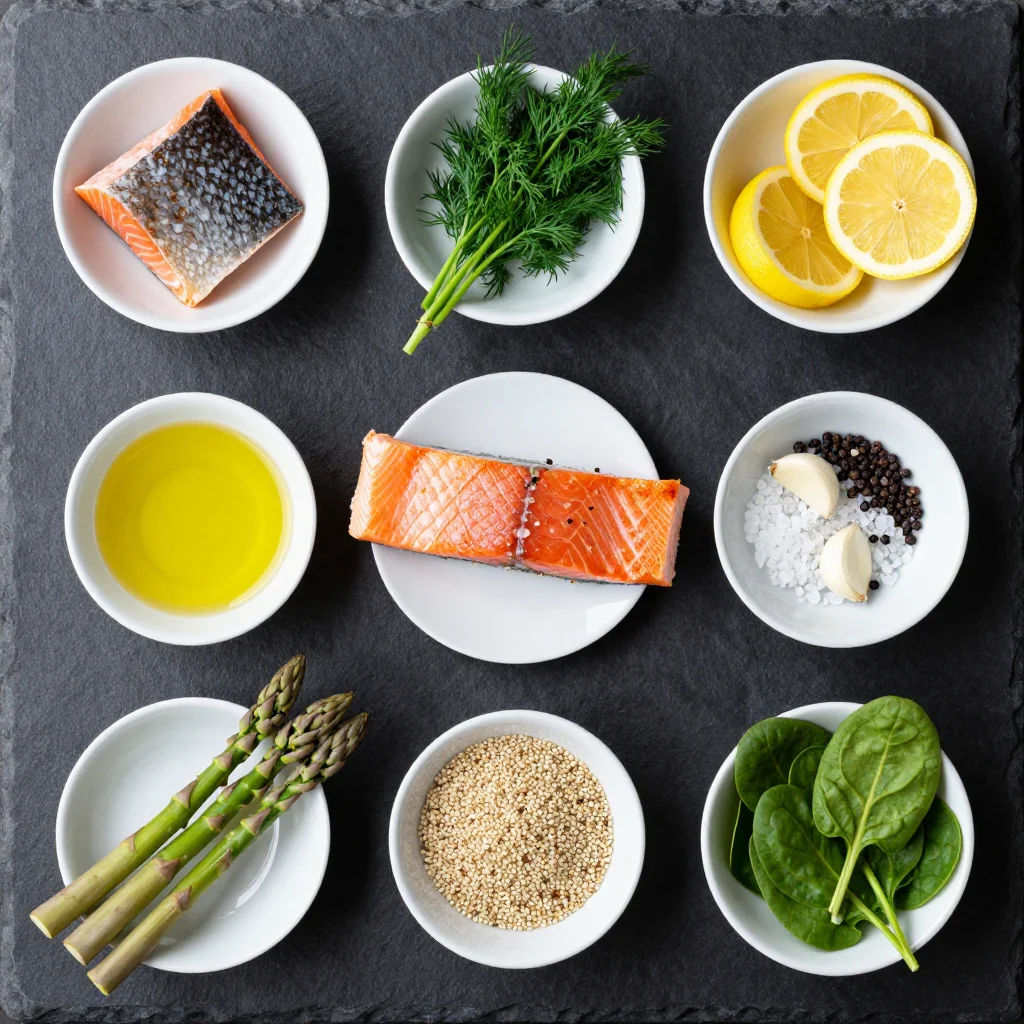
Quality matters here, friends. This isn't the place for bargain-bin salmon that's been sitting in the display case since the Bronze Age. Head to the fish counter on a Tuesday or Wednesday morning when the selection is freshest and the staff has time to answer your questions. Look for fillets that smell like the ocean, not fishy – there's a difference, and your nose knows it.
Fresh Salmon Fillets (1.5-2 lbs total): I prefer wild-caught Alaskan sockeye for its robust flavor and firm texture, but Atlantic works beautifully too. The key is even thickness – about 1 to 1¼ inches – so everything cooks at the same rate. If your fillets are thicker on one end, fold the thin tail end underneath to create a more uniform shape. Don't stress about perfect portions; this recipe is forgiving and leftovers are basically gold.
Fresh Dill (¼ cup chopped): Please, please, please use fresh here. Dried dill tastes like disappointment and lawn clippings had a baby. Fresh dill should look perky, not wilted, with that distinctive feathery appearance. Store it like flowers – in a jar with water, covered loosely with plastic wrap, and it will last a week. If you must substitute, fresh tarragon or parsley works, but you'll lose that distinctive anise-like note that makes this dish sing.
Lemons (2 large): One for zesting and juicing, one for those gorgeous slices that caramelize on top. Look for lemons with thin, smooth skin – they're juicier. Room-temperature lemons yield more juice than cold ones, so pull them out of the fridge first. Pro tip: roll them firmly on the counter before cutting to maximize every drop of that liquid sunshine.
Extra Virgin Olive Oil (3 tablespoons): Use the good stuff here – the kind you'd happily dip bread into. The oil carries all the herb and citrus flavors, so quality matters. California Olive Ranch or California Olive Ranch are my go-to brands that won't break the bank. Avoid anything labeled "light" olive oil – that's code for flavorless.
Garlic (3 large cloves): Fresh only, please. The pre-minced jarred stuff tastes like sadness and has the texture of tiny rubber cubes. Smash, peel, and mince it yourself – it takes 30 seconds and makes all the difference. If you're a true garlic lover (respect), double the amount. Your significant others and coworkers have been warned.
Sea Salt & Black Pepper: I use Diamond Crystal kosher salt for its clean flavor and the way it dissolves evenly. Fresh-cracked black pepper is non-negotiable – those pre-ground pepper sawdust containers should be illegal. Invest in a good pepper mill; you're worth it.
How to Make Baked Salmon with Dill and Lemon for a Clean Eating Reset
Prep Your Salmon Like a Pro
Remove salmon from the refrigerator 15-20 minutes before cooking – cold fish cooks unevenly, and we're not about that rubbery-edged life. Pat those fillets dry with paper towels like you're trying to win a drying competition. Moisture is the enemy of beautiful caramelization, and we want that gorgeous golden crust. If your salmon has pin bones (those tiny white bones that feel like needles), use tweezers or needle-nose pliers to pull them out at a 45-degree angle. Line a rimmed baking sheet with parchment paper for easy cleanup, because life's too short to scrub baked-on fish proteins.
Create Your Flavor Base
In a small bowl, whisk together the olive oil, lemon juice, lemon zest, minced garlic, salt, and pepper until it looks like liquid sunshine. The mixture should be vibrant and aromatic – if your nose isn't doing a happy dance, add more lemon zest. Finely chop your fresh dill until you have about ¼ cup; those delicate fronds should be smaller than confetti but not pulverized into green dust. Reserve a tablespoon of the dill for garnish – we're fancy like that.
Marinate Briefly (Optional but Worth It)
Brush about two-thirds of your lemon-dill mixture over the salmon, making sure to coat every nook and cranny. Let it sit for 10-15 minutes while your oven preheats to 375°F (190°C). This isn't a long marinade – we're not trying to ceviche the fish – just enough time for those flavors to penetrate the surface. If you're really pressed for time, you can skip this step, but your taste buds will notice the difference.
Arrange Your Lemon Slices
Thinly slice your second lemon into ¼-inch rounds – any thinner and they'll burn, any thicker and they won't caramelize properly. Arrange these lemon wheels directly on top of the salmon fillets like you're creating a citrus mosaic. They'll roast and char slightly, becoming candied-lemon perfection that you'll want to eat like candy. Don't overlap them too much or they'll steam instead of roast.
The Perfect Bake
Slide your salmon into the preheated oven and bake for 12-15 minutes, depending on thickness. The salmon is done when it flakes easily with a fork but is still slightly translucent in the center – it will continue cooking from residual heat. If you're using a meat thermometer (which you should, because we're not cave people), aim for 125°F (52°C) for medium-rare or 135°F (57°C) for medium. Remember, overcooked salmon is sad salmon, and we're here for joy.
The Finishing Touch
Remove from oven and immediately drizzle with the remaining lemon-dill mixture. Sprinkle with the reserved fresh dill – this adds brightness and that "I know what I'm doing in the kitchen" look. Let it rest for 3-4 minutes; this allows the juices to redistribute and prevents that tragic dry bite that happens when you cut into meat too soon. Serve directly from the baking sheet for rustic charm, or transfer to a platter if you're trying to impress your mother-in-law.
Expert Tips
Temperature is Everything
Invest in an instant-read thermometer. Salmon goes from perfect to punishment in under 2 minutes. Pull it at 125°F for medium-rare – it will rise to 130°F as it rests.
Pat, Don't Rub
Use paper towels, not a clean kitchen towel. Salmon can harbor bacteria, and you don't want that in your regular laundry. Be gentle – aggressive patting can damage the delicate flesh.
Room Temperature Rule
Cold salmon in a hot oven = uneven cooking. Let it sit out for 15-20 minutes. Yes, it's safe – bacteria won't grow significantly in that time, and the cooking process will kill anything that does.
Don't Flip the Script
There's no need to flip salmon when baking. Cooking it skin-side down on one side preserves moisture and prevents the dreaded stuck-to-pan disaster.
Rest for Success
That 3-4 minute rest isn't optional. It's when the proteins relax and reabsorb juices. Cut too soon, and all those flavorful liquids end up on your plate instead of in your salmon.
Color = Flavor
Those caramelized lemon slices aren't just pretty – they're concentrated citrus candy. Don't skip them! They're the secret ingredient that makes people ask for your recipe.
Variations to Try
Mediterranean Sunshine
Swap dill for fresh oregano and basil, add halved cherry tomatoes and olives to the baking sheet. Finish with a drizzle of balsamic glaze for that caprese vibe.
Spicy Asian Fusion
Replace dill with cilantro, add 1 tablespoon grated ginger and 1 teaspoon sriracha to the oil mixture. Top with sesame seeds and sliced scallions.
Forest Herb Blend
Use fresh thyme and rosemary instead of dill, add sliced mushrooms to the pan. The earthy herbs pair beautifully with salmon's richness.
Sweet & Smoky
Add 1 tablespoon maple syrup and ½ teaspoon smoked paprika to the oil mixture. The sweet-smoky combo is absolutely addictive.
Storage Tips
Refrigeration Right
Cool completely before storing – hot salmon in a sealed container creates condensation, leading to that dreaded soggy texture. Store in an airtight container with a paper towel underneath to absorb excess moisture. It will keep for up to 3 days, though it's best within 48 hours.
Freezing Fundamentals
Freeze individual portions wrapped tightly in plastic wrap, then in foil, for up to 3 months. Thaw overnight in the refrigerator, never on the counter. The texture will be slightly different after freezing, but it's still excellent in salads or mixed into pasta.
Reheating Without Ruining
The microwave is salmon's enemy – it turns it into rubber faster than you can say "leftovers." Instead, reheat gently in a 275°F oven for 8-10 minutes, or flaked cold over a salad. If you must microwave, do it in 15-second bursts at 50% power, with a damp paper towel on top.
Frequently Asked Questions
Absolutely! Thaw it completely in the refrigerator overnight, then pat it very dry. Frozen salmon tends to release more moisture, so the drying step is crucial. You might need to add 2-3 extra minutes to the cooking time. Never thaw at room temperature – that's a one-way ticket to Foodborne Illness City.
First, I'm judging you a little. But seriously, fresh parsley, cilantro, or basil all work beautifully. For a different vibe entirely, try fresh thyme or tarragon. Each herb brings its own personality – parsley is mild and fresh, cilantro adds a Latin-Asian fusion, basil gives Italian vibes.
The fork test is your friend: gently press a fork into the thickest part and twist. It should flake easily but still look slightly translucent in the very center. It will continue cooking from residual heat. When in doubt, pull it early – you can always put it back, but you can't un-cook overcooked salmon.
This salmon is meal prep GOLD. Cook it on Sunday, store in individual containers, and you've got protein for days. It's delicious cold in salads, warm in grain bowls, or flaked into scrambled eggs. The flavor actually improves after a day in the fridge as the herbs permeate the fish. Just don't reheat it to death.
Roasted asparagus or Brussels sprouts cooked on the same pan for the last 10 minutes. A simple arugula salad with cherry tomatoes and a lemon vinaigrette. Quinoa or wild rice pilaf. Garlic mashed cauliflower for the low-carb crowd. In summer, nothing beats fresh corn on the cob. Basically, anything that can handle that bright, fresh flavor profile.
You're overcooking it, my friend. Salmon should be removed from heat when it's still slightly translucent in the center. It continues cooking from residual heat. Also, make sure you're using enough fat – olive oil helps keep it moist. Finally, don't skip the resting period; it's crucial for juicy results.
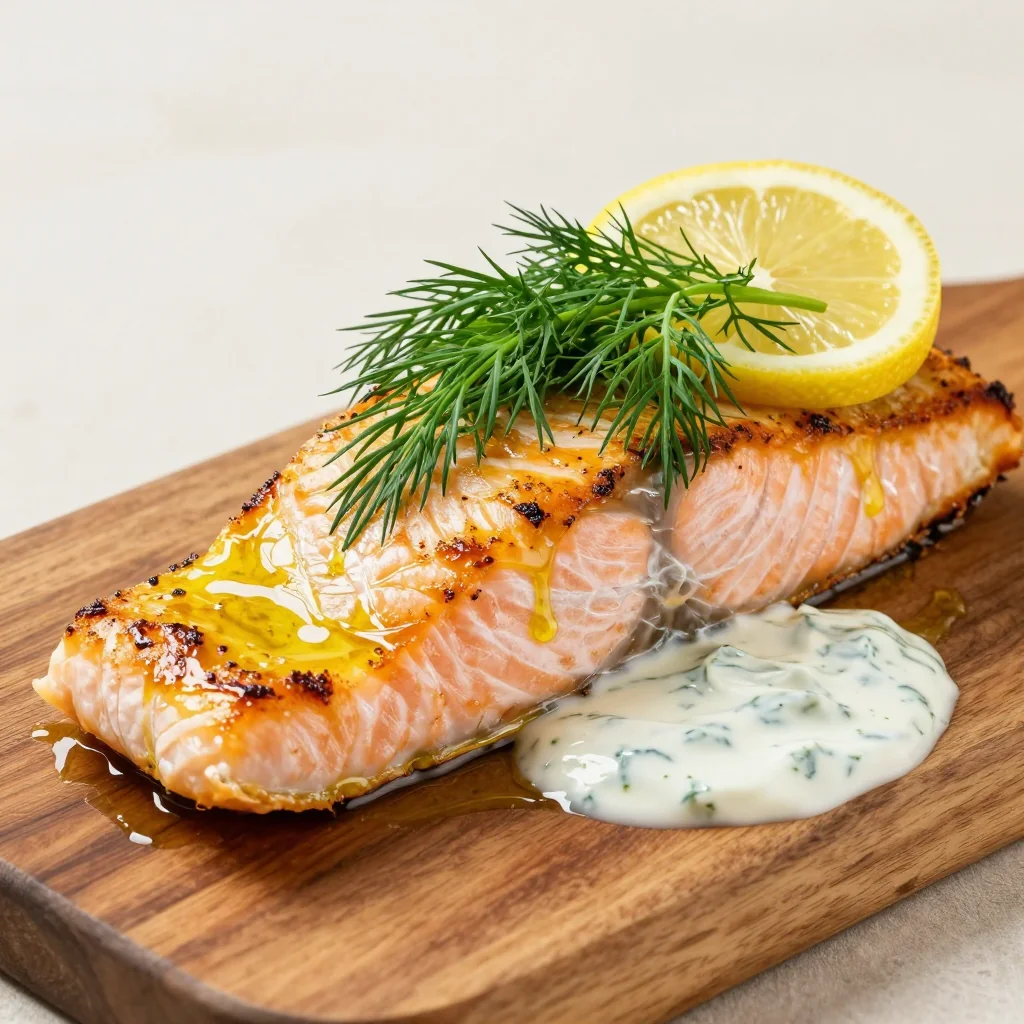
Baked Salmon with Dill and Lemon for a Clean Eating Reset
Ingredients
Instructions
- Prep: Remove salmon from refrigerator 15 minutes before cooking. Preheat oven to 375°F (190°C). Line baking sheet with parchment paper.
- Make marinade: In small bowl, whisk together olive oil, juice and zest of 1 lemon, minced garlic, salt, and pepper.
- Season salmon: Pat salmon very dry. Brush with ⅔ of the lemon mixture. Let stand 10 minutes.
- Add lemon slices: Thinly slice remaining lemon and arrange on top of salmon fillets.
- Bake: Bake 12-15 minutes, until salmon flakes easily but is still slightly translucent in center (125°F for medium-rare).
- Finish: Drizzle with remaining lemon mixture and sprinkle with fresh dill. Rest 3 minutes before serving.
Recipe Notes
For meal prep, cook salmon on Sunday and store in individual containers. It's delicious cold in salads or gently reheated in a 275°F oven for 8-10 minutes. Never microwave – it turns rubbery!