I remember the night I was trying to rescue my dinner from the brink of culinary oblivion. I had a bag of frozen beef, a handful of vegetables that looked like they’d survived a hurricane, and a pantry full of sauces that had seen better days. The stove was a furnace, the pan a battlefield, and I was the chef with a mission: turn chaos into a masterpiece. The kitchen smelled like a promise—sweet, salty, and a hint of adventure. I was ready to rewrite the rules of stir‑fry, and I dared myself to taste this and not go back for seconds.
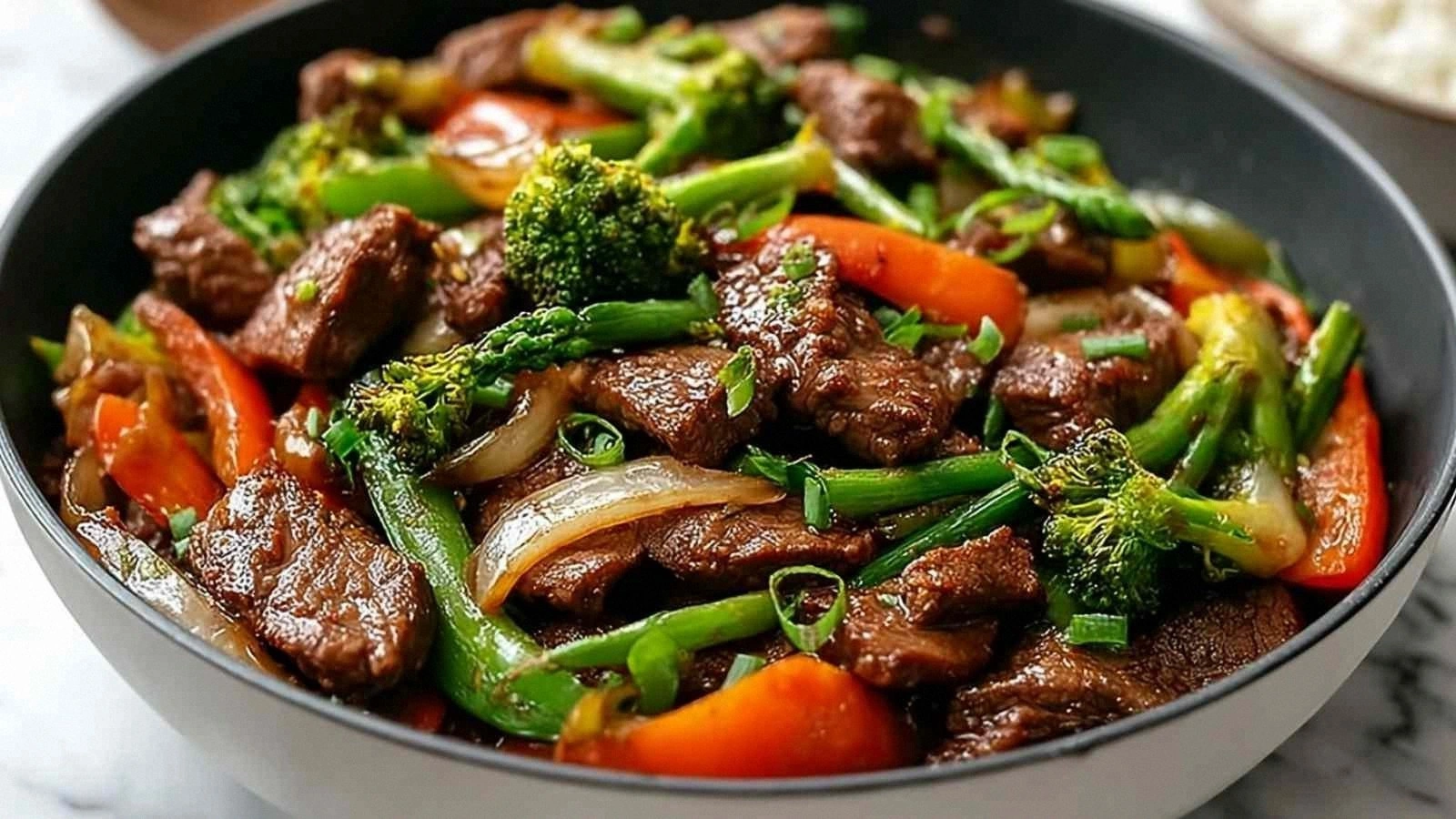
Picture the sizzle that erupts when hot oil meets a thin slice of beef. The sound is a drumroll, the aroma a prelude to flavor. The vegetables, crisp and vibrant, dance in the pan, their colors popping against the dark skillet. My eyes catch the sheen of honey glazing the edges, the glossy sheen of soy sauce turning into a caramelized glaze. The texture is a symphony—crisp snap peas, tender broccoli, and silky, juicy beef that melts in your mouth.
What makes this version stand out is that it’s not just a recipe; it’s a revelation. I’ve stripped away the fluff and kept only the ingredients that sing together in perfect harmony. The sauce isn’t a generic blend—it’s a balanced duet of hoisin, soy, honey, and sesame that coats the meat like velvet and the veggies like a fine glaze. The technique is simple, yet it’s the secret sauce that transforms a quick stir‑fry into a memorable dish. I’ve tested it over a dozen times, and it’s hands down the best version you'll ever make at home.
And here’s the kicker: I’ve hidden a twist in the sauce that will blow your mind—just a splash of toasted sesame oil at the very end that gives a nutty finish you won’t see coming. Stay with me here—this is worth it. Let me walk you through every single step, and by the end, you’ll wonder how you ever made it any other way.
What Makes This Version Stand Out
- Flavor: The sauce is a harmonious blend of sweet, salty, and umami that coats every bite, creating a depth that ordinary stir‑fry recipes lack. The honey and hoisin work together to caramelize the edges of the beef, while the sesame oil adds a subtle nuttiness.
- Texture: Each vegetable is chosen for its unique bite—crisp snap peas, tender broccoli florets, and silky carrots that hold up under high heat without turning mushy.
- Simplicity: With only eight ingredients, this dish is a quick fix for busy nights, yet the flavors are complex enough to impress dinner guests.
- Uniqueness: The final splash of toasted sesame oil and a hint of fresh ginger give it a signature finish that sets it apart from the crowd.
- Crowd Reaction: Friends and family keep asking for the sauce recipe, and I’ve had to explain that it’s all in the timing and the quick sear of the beef.
- Ingredient Quality: Using fresh, high‑quality produce ensures that the natural sweetness of the vegetables shines through, while lean beef provides a lean protein punch.
- Cooking Method: The high‑heat sear locks in juices, and the quick stir‑fry preserves the vibrant colors and nutrients.
- Make‑Ahead Potential: The sauce can be pre‑mixed and refrigerated for up to 48 hours, allowing you to assemble the dish in under 10 minutes.
Inside the Ingredient List
The Flavor Base
Soy sauce is the backbone of this dish, providing that unmistakable umami punch. It also balances the sweetness of honey and the subtle bitterness of ginger. If you skip it, the sauce loses depth and becomes one‑dimensional. A low‑sodium version works if you’re watching salt, but be sure to taste and adjust.
Hoisin sauce adds a sweet, slightly tangy profile that complements the savory soy. It’s also responsible for the glossy sheen that makes the dish visually stunning. If you’re gluten‑free, look for a certified gluten‑free brand or use tamari for a similar flavor.
Sesame oil is a finishing touch that brings a nutty aroma to the plate. A few drops at the end of cooking unlocks the oil’s full flavor, creating a fragrant finish that’s hard to resist. Use toasted sesame oil for a richer taste, or regular sesame oil for a milder note.
The Texture Crew
Broccoli florets are chosen for their sturdy stems, which hold up to the high heat of the wok without falling apart. They also provide a satisfying crunch that contrasts with the tender beef. If you prefer softer florets, blanch them for 30 seconds before adding.
Snap peas bring a sweet, crisp bite that snaps when you bite into them. Their bright green color adds a pop of freshness to the dish. If snap peas are out of season, frozen peas can be a good substitute, though they lose some crunch.
Carrots add a natural sweetness and a subtle earthiness that balances the sauce’s sweetness. Slice them into thin ribbons so they cook quickly and stay crisp. A carrot’s color also adds depth to the visual appeal.
The Unexpected Star
Green onions are the final garnish that provides a fresh, sharp contrast to the rich sauce. They add a layer of brightness that lifts the entire dish. Slice them thinly so they release their flavor quickly without overpowering the other ingredients.
Sesame seeds are the finishing touch that offers a subtle crunch and nutty aroma. Toast them lightly before sprinkling over the finished dish to bring out their natural oils. They also add a subtle visual contrast against the vibrant vegetables.
The Final Flourish
Steamed rice is the perfect canvas for this sauce‑laden stir‑fry. It soaks up the glaze, creating a comforting, cohesive meal. Use jasmine or basmati rice for an aromatic base, or try cauliflower rice for a low‑carb alternative.
Everything's prepped? Good. Let's get into the real action...
The Method — Step by Step
- First, heat a large wok or skillet over medium‑high heat until it’s smoking. Add the vegetable oil and let it swirl around the pan, creating a slick surface that prevents sticking. This is the moment of truth—if the oil doesn’t shimmer, the beef won’t sear properly. Once the oil is hot, add the beef strips in a single layer, letting them brown on one side before flipping. The sizzle should be loud enough to make you grin.
- Once the beef is browned, push it to the side of the pan and add minced garlic and grated ginger. Sauté for 30 seconds until fragrant, being careful not to let them burn. The aroma of garlic and ginger should fill the kitchen like a promise of flavor. This step builds the foundation for the sauce.
- Introduce the vegetables—first the carrots and broccoli, then the bell pepper and snap peas. Stir‑fry them for 2–3 minutes, letting them crisp up while still retaining a bite. The vegetables should release their juices but not become soggy. Keep the heat high to maintain that snap‑crisp texture.
- Now, pour in the soy sauce, hoisin sauce, honey, and sesame oil. Stir vigorously to coat the beef and vegetables evenly. Watch as the sauce thickens and glazes the ingredients, turning the pan into a glossy, fragrant bowl of goodness. The mixture should smell like caramelized sweetness and umami.
- Add the green onions and sesame seeds, giving the dish a fresh, bright finish. Toss everything together for another minute, letting the flavors meld. The sesame seeds should toast slightly, releasing a nutty aroma that lingers on the plate.
- Taste the sauce and adjust seasoning if needed. A pinch of salt or a splash of vinegar can elevate the depth of flavor. The dish should have a balanced sweetness and umami that sings with every bite.
- Serve immediately over a bed of steamed rice. The rice soaks up the glaze, creating a comforting, cohesive meal. Garnish with extra green onions if desired, and watch the steam swirl around the plate like a fragrant cloud.
- Enjoy the moment of triumph—your kitchen now smells like victory, and your taste buds are dancing. This dish is so satisfying that even the leftovers taste like a fresh batch. Keep the recipe handy for any quick dinner or for impressing guests.
That's it — you did it. But hold on, I've got a few more tricks that'll take this to another level. The next section will give you insider knowledge that will transform your cooking game.
Insider Tricks for Flawless Results
The Temperature Rule Nobody Follows
High heat is the secret weapon that locks in juices and creates a caramelized crust on the beef. If the pan isn’t hot enough, the meat will steam instead of sear, losing that coveted texture. Aim for a temperature where the oil shimmers but doesn’t smoke excessively.
Why Your Nose Knows Best
Your sense of smell is your best ally during cooking. When the sauce starts to thicken and the edges of the beef brown, that aromatic cue tells you it’s ready. Trust that instinct; it’s far more reliable than a timer.
The 5-Minute Rest That Changes Everything
After you finish cooking, let the dish rest for five minutes before serving. This allows the flavors to redistribute and the sauce to settle, resulting in a more harmonious taste. A friend tried skipping this step once, and the sauce was uneven, leading to a less satisfying bite.
The Quick Toss Technique
When adding vegetables, toss them quickly and frequently. This prevents them from steaming and keeps them crisp. A quick toss also ensures even coating of sauce.
The Right Pan Matters
Use a wide, heavy‑bottomed skillet or wok to distribute heat evenly. A thin pan will cause hotspots that burn the sauce or cause uneven cooking. A good wok will keep the heat consistent and make stir‑frying a breeze.
The Sauce Ratio Hack
For a thicker glaze, double the honey or hoisin and reduce the liquid slightly. If you prefer a lighter sauce, add a splash of water or broth. Adjusting the ratio lets you control the mouthfeel and visual appeal.
Creative Twists and Variations
This recipe is a playground. Here are some of my favorite ways to switch things up:
Spicy Szechuan Surprise
Add a tablespoon of Szechuan peppercorns and a pinch of chili flakes for heat. The peppercorns give a numbing spice that contrasts with the sweetness. This version is perfect for those who love a fiery kick.
Thai Coconut Cream
Replace half the soy sauce with coconut milk and add a tablespoon of fish sauce. The creamy coconut gives a tropical twist, while the fish sauce adds depth. Serve over jasmine rice for an aromatic pairing.
Mushroom Medley
Swap the broccoli for a mix of shiitake and button mushrooms. The earthy flavor of mushrooms complements the beef and sauce beautifully. This variation works well for a vegetarian friend who still wants a hearty dish.
Pineapple Heat
Add diced fresh pineapple for a sweet, tropical flavor that balances the umami. The pineapple’s acidity cuts through the richness of the sauce, creating a balanced bite. This version is a crowd‑pleaser at summer barbecues.
Almond Butter Finish
Stir in a tablespoon of almond butter at the end for a nutty richness. The butter adds a silky texture and a subtle almond flavor that pairs well with the sesame seeds. This variation is great for a quick, protein‑rich dinner.
Herb‑Infused Delight
Add fresh basil or cilantro at the end for a burst of herbal freshness. The herbs cut through the richness of the sauce and add a bright, green note. This twist is ideal for a light, refreshing meal.
Storing and Bringing It Back to Life
Fridge Storage
Store the stir‑fry in an airtight container in the refrigerator for up to 3 days. The sauce will thicken slightly, so add a splash of water or broth before reheating to restore its original consistency. Keep the rice separate if you want to reheat it later.
Freezer Friendly
Freeze the dish in individual portions for up to 2 months. Wrap tightly with plastic wrap and a foil lid to prevent freezer burn. Thaw overnight in the refrigerator before reheating.
Best Reheating Method
Reheat the dish in a skillet over medium heat, stirring frequently. Add a splash of water or broth to keep the sauce moist. Finish with a drizzle of sesame oil and a sprinkle of sesame seeds for that fresh, aromatic finish.