Love this? Pin it for later! 📌
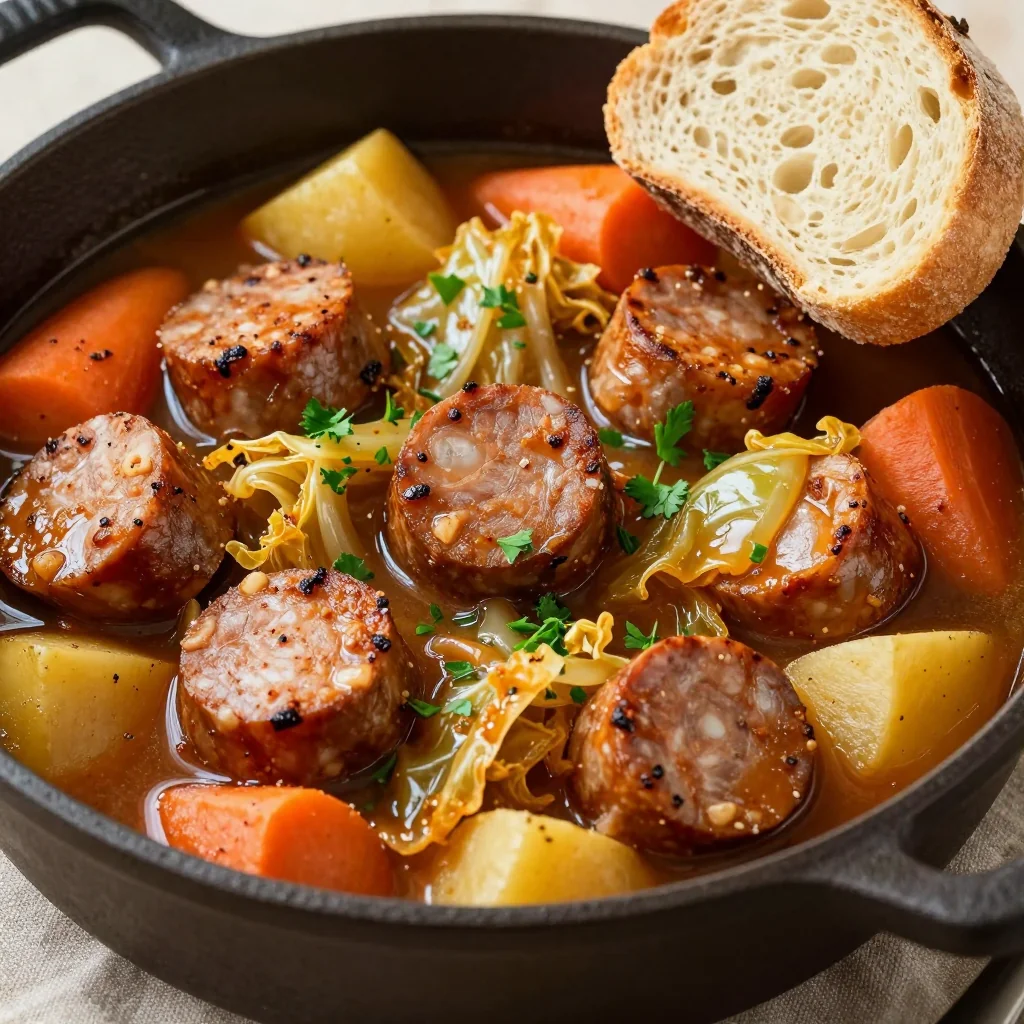
I still remember the first February I spent in my drafty, 1920s-era apartment. The radiators hissed like angry cats, the windows rattled whenever the wind picked up, and my grocery budget had taken a serious post-holiday nosedive. One particularly brutal evening, after discovering that my “pantry” consisted of half a head of cabbage, a lonely link of kielbasa, and the dregs of a bag of potatoes, I threw everything into my Dutch oven with a prayer and a whole lot of paprika. Forty-five minutes later, I ladled out a smoky, velvety stew that tasted like the edible equivalent of a hand-knit blanket. That accidental dinner has since become the most-requested meal in my house every winter, the recipe I text to friends who just had babies, the pot I bring to ski-lease potlucks, and the smell that makes my neighbor knock on the door asking if there’s “any extra.” It’s humble, it’s ridiculously inexpensive, and—best of all—it asks for nothing fancier than ingredients you probably already have rolling around the crisper drawer. If you can chop, stir, and wait while your oven does the heavy lifting, you can master this roasted cabbage and sausage stew. Let me show you exactly how.
Why This Recipe Works
- Roasting first: Ten minutes under high heat caramelizes the cabbage edges, concentrating sweetness and adding a depth you can’t get from simmering alone.
- One-pot economy: Everything from browning the sausage to wilting the greens happens in the same Dutch oven, saving dishes and maximizing flavor.
- Smarts, not spend: A single 14-ounce link of smoked sausage feeds six people when sliced paper-thin and simmered with vegetables that absorb the paprika-garlic broth.
- Batch-friendly: Flavors improve overnight, so make a double batch on Sunday and reheat for effortless weeknight dinners.
- Flexible veg: Out of potatoes? Swap in white beans or barley. The base formula welcomes whatever needs using up.
- Freezer hero: Portion into quart containers, freeze flat, and you’ve got a homemade microwave meal cheaper (and tastier) than anything from the store.
- Comfort without heaviness: Roasting renders the sausage fat, which seasons the broth so you need zero cream or butter for richness.
Ingredients You'll Need
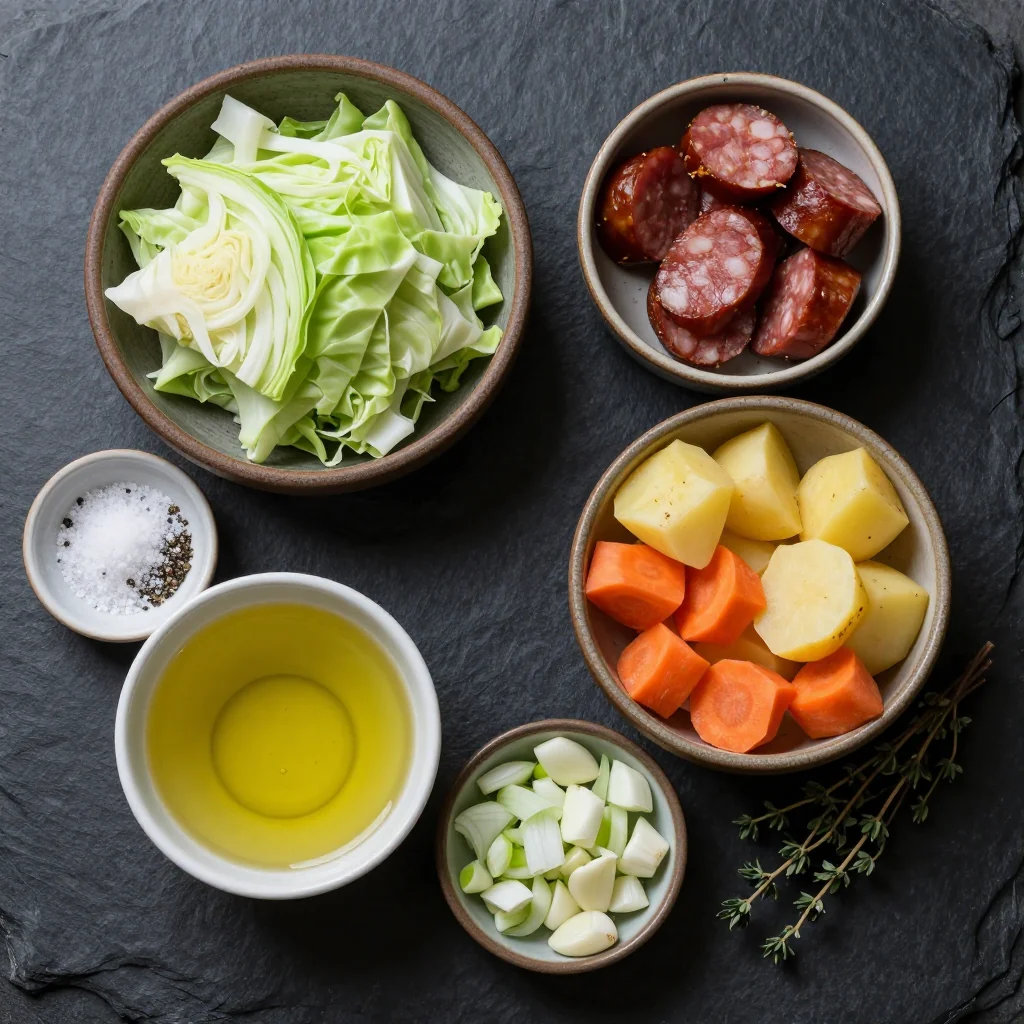
Think of this ingredient list as a framework rather than a rigid rulebook. Each component pulls double duty, contributing flavor, texture, or both, while keeping costs under $10 for the entire pot.
Green cabbage – A two-pound head usually costs less than a dollar and yields silky ribbons once roasted and stewed. Look for heads that feel heavy for their size with tightly packed, crisp leaves. If you spot a few blemished outer leaves, just peel them away; inside will be perfect.
Smoked sausage – Kielbasa, andouille, or even turkey kielbasa all work. Buy the rope-style rather than pre-sliced so you can control the thickness; thin coins render fat quickly and season the broth. Store brands are often $2 cheaper than name brands and taste identical once browned.
Yukon gold potatoes – Their thin skins mean no peeling (time saver!) and they hold their shape after simmering. If your market has a “dinged” produce bin, grab those; imperfections disappear into the stew and cost half price.
Carrots – Provide subtle sweetness to balance the smoky paprika. Purchase whole carrots instead of baby-cut; they keep longer and you can peel just the outer 30 seconds under running water.
Onion & garlic – Yellow onion is economical and reliable. Smash cloves with the flat side of a knife for easy peeling and maximum flavor release.
Tomato paste – Buy the tube if you can; it lives forever in the fridge and eliminates waste from half-used cans. A tablespoon gives the broth round, umami depth.
Paprika – Reach for the “sweet” or “Hungarian” variety rather than hot; you’ll control heat separately with a pinch of cayenne. Check the bulk spice section—often 80 % cheaper per ounce than jars.
Caraway seeds (optional) – A whisper of rye-bread flavor that makes cabbage taste positively sophisticated. If you hate rye, skip them; the stew will still rock.
Chicken stock – Homemade from a rotisserie-chicken carcass is gold, but low-sodium boxed stock is fine. Avoid “cooking wine”–level salt bombs; you want to season the pot yourself.
Bay leaf & thyme – Dried thyme is pennies per teaspoon and lasts ages. Strip woody leaves from garden thyme if you have it, but dried keeps this budget.
Oil, salt, pepper – Standard pantry soldiers.
How to Make Budget-Friendly Roasted Cabbage and Sausage Stew for Cold Weather
Heat the oven
Place a rack in the center and preheat to 450 °F (232 °C). A screaming-hot oven jump-starts caramelization, giving the cabbage those crave-worthy browned edges.
Prep the cabbage
Quarter the head through the core, then slice each quarter into 1-inch ribbons. Keep the core attached; it holds leaves together so you don’t get limp shreds. Toss with 1 tablespoon oil, ½ teaspoon salt, and ¼ teaspoon pepper directly on a rimmed sheet pan for fewer dishes.
Roast 10 minutes
Slide the pan onto the center rack. The cabbage will char on the edges and shrink dramatically—this concentrates sugars and prevents the stew from tasting watery. Meanwhile, slice your sausage into ⅛-inch coins; thin pieces render fat quickly and distribute smoky flavor everywhere.
Brown the sausage
Transfer hot cabbage to a bowl. Return the sheet pan to the stovetop (or use a Dutch oven) over medium heat. Add sausage coins in a single layer; cook 2–3 minutes per side until edges caramelize. Those brown bits (fond) are pure gold; they dissolve later into the broth.
Sauté aromatics
Push sausage to the perimeter, add another 1 teaspoon oil in the center, then diced onion and carrots with ½ teaspoon salt. Cook 5 minutes, scraping the fond, until vegetables soften and onion turns translucent. Add garlic, tomato paste, paprika, caraway, and a pinch of cayenne; cook 1 minute until brick-colored and fragrant.
Deglaze
Pour in ½ cup of the chicken stock, scraping the pan bottom with a wooden spoon. This lifts every speck of flavor into the liquid. Let it bubble vigorously for 30 seconds; the tomato paste caramelizes slightly, deepening color.
Simmer the stew
Return roasted cabbage to the pot along with potatoes, bay leaf, thyme, remaining stock, and ½ teaspoon salt. Bring to a boil, then reduce to low, cover, and simmer 20 minutes until potatoes are fork-tender. Stir halfway to ensure cabbage stays submerged.
Finish and serve
Fish out bay leaf. Taste; add salt, pepper, or another pinch of paprika for smokiness. Ladle into bowls, shower with chopped parsley if you have it, and serve with crusty bread for swiping the last drops.
Expert Tips
High-heat roasting
Don’t drop the oven temp to save energy; the 450 °F blast is what turns cabbage edges into vegetable candy.
Sausage math
One 14-ounce link feeds six because thin slices create more surface area, so every spoonful tastes meaty without extra cost.
Low-sodium stock
Boxed stocks vary wildly in salt. Start low; you can always season at the end when flavors have concentrated.
Make-ahead magic
Stew thickens as it sits; thin leftovers with a splash of water or stock while reheating for the perfect consistency.
Freezer smart
Cool completely, ladle into zip bags, freeze flat. Thaw overnight in the fridge or 5 minutes under cold water.
Double the cabbage
Roast two sheet pans at once; freeze half the charred ribbons for your next batch—cuts tomorrow’s prep to zero.
Variations to Try
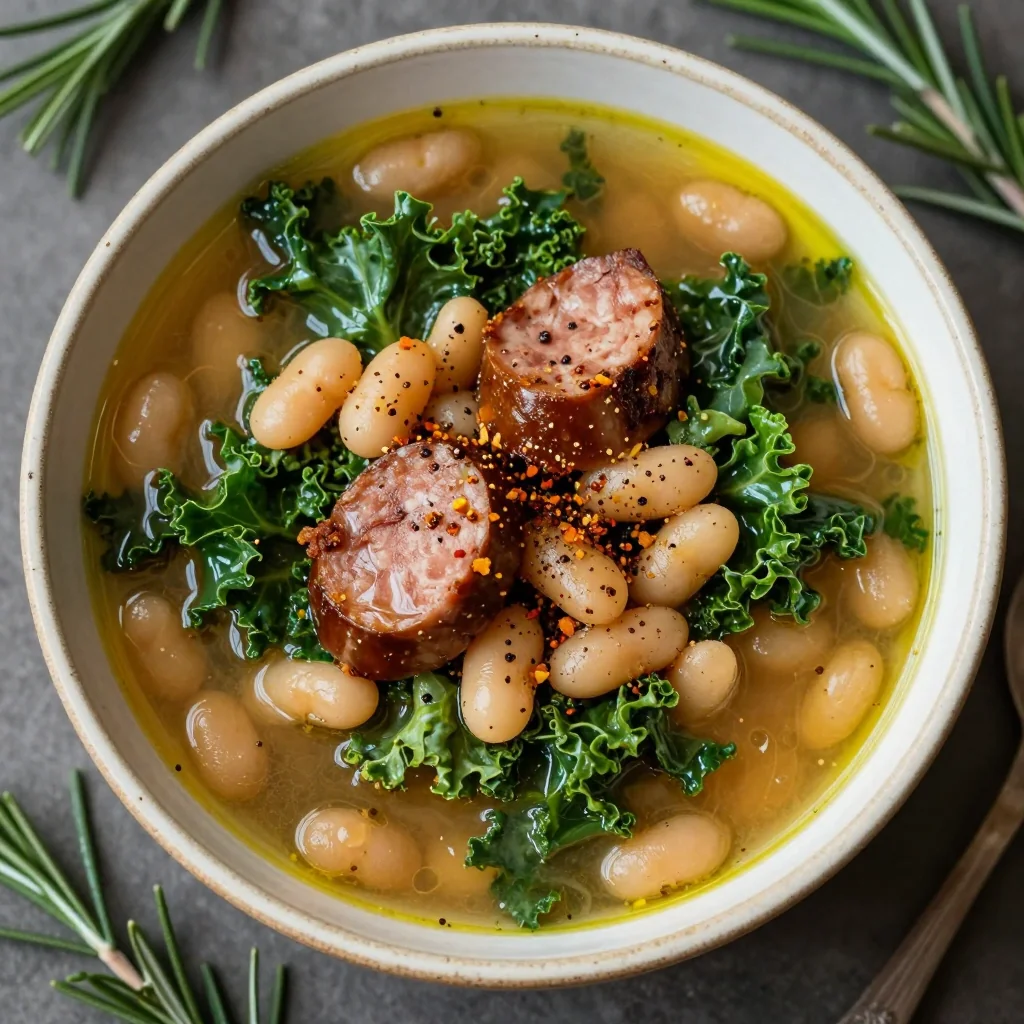
- White-bean & rosemary: Skip potatoes, add two drained cans of white beans and a sprig of fresh rosemary. Finish with a squeeze of lemon for brightness.
- Spicy-Southern: Use andouille, swap paprika for smoked, add a diced jalapeño and a handful of frozen corn. Serve with hot sauce and cornbread.
- Mushroom-barley: Replace potatoes with ½ cup pearl barley and 8 oz sliced cremini. Add an extra cup of stock; simmer 35 minutes.
- Vegan twist: Sub smoked sausage with 1 tablespoon smoked paprika and 1 cup French lentils. Use vegetable stock; finish with a splash of balsamic.
- Creamy version: Stir ¼ cup Greek yogurt into each portion after reheating (not while boiling or it will curdle). Makes the broth silky and adds protein.
Storage Tips
Refrigerator: Cool completely, transfer to airtight containers, and refrigerate up to 4 days. The flavor actually improves on day 2 as paprika and caraway meld.
Freezer: Ladle cooled stew into quart-size freezer bags, squeeze out excess air, label, and freeze flat up to 3 months. Thaw overnight in the fridge or submerge sealed bag in lukewarm water for 20 minutes.
Reheating: Warm gently over medium-low heat, thinning with water or stock until soupy. Microwave works too—use 50 % power in 2-minute bursts, stirring each time.
Make-ahead roast: Roast cabbage up to 3 days early; store in a zip bag with paper towel to absorb moisture, then add to stew when instructed.
Frequently Asked Questions
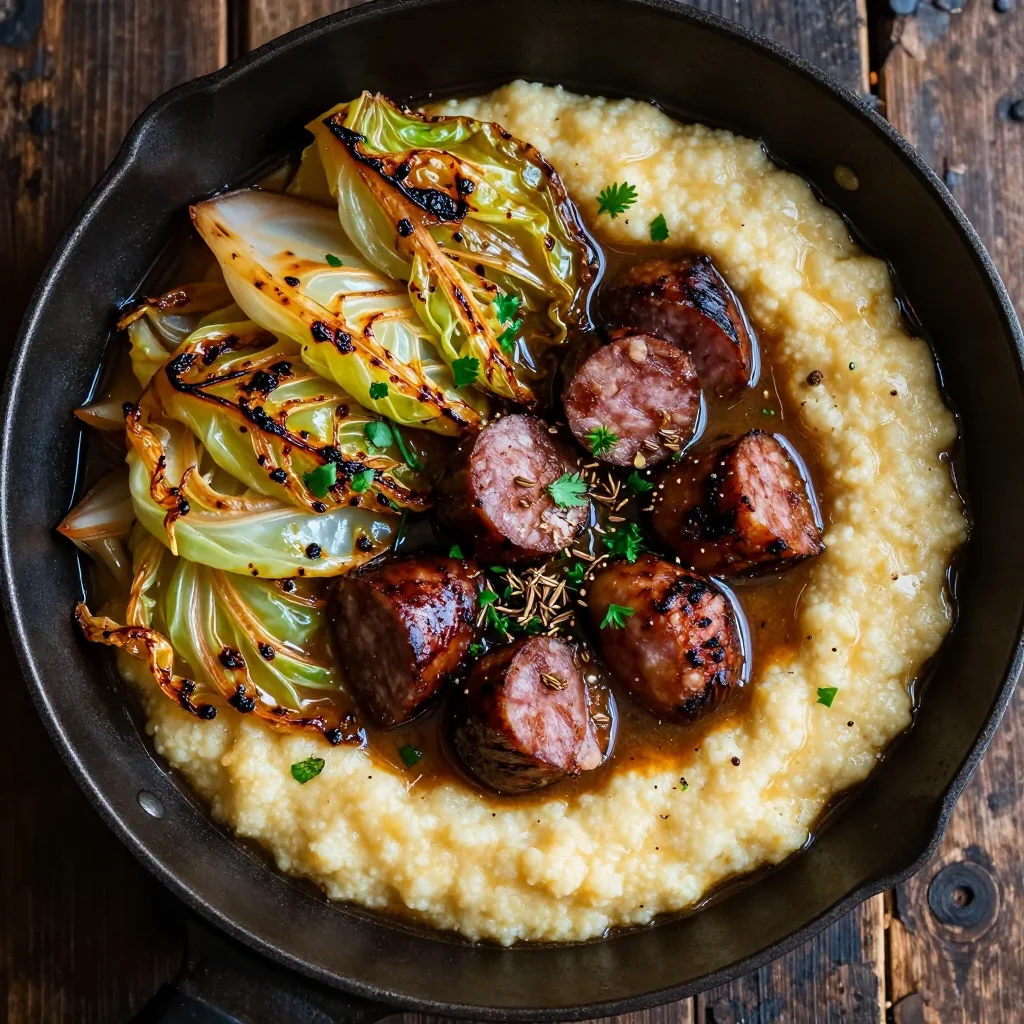
Budget-Friendly Roasted Cabbage and Sausage Stew for Cold Weather
Ingredients
Instructions
- Preheat oven: Heat to 450 °F (232 °C). Toss cabbage with 1 tablespoon oil, ½ teaspoon salt, and ¼ teaspoon pepper on rimmed sheet. Roast 10 minutes until edges char.
- Brown sausage: Transfer cabbage to bowl. Return pan to medium heat; add 1 teaspoon oil and sausage coins. Cook 2–3 minutes per side until browned.
- Sauté vegetables: Add onion and carrots with ½ teaspoon salt; cook 5 minutes. Stir in garlic, tomato paste, paprika, caraway, and cayenne; cook 1 minute.
- Deglaze: Pour in ½ cup stock, scrape fond, and simmer 30 seconds.
- Simmer stew: Return cabbage, potatoes, bay leaf, thyme, remaining stock, and ½ teaspoon salt. Bring to boil, reduce heat, cover, and simmer 20 minutes until potatoes are tender.
- Finish: Remove bay leaf; adjust seasoning. Serve hot, garnished with parsley.
Recipe Notes
Stew thickens on standing; thin with water or stock when reheating. Flavors improve overnight, making this the perfect make-ahead winter warmer.