It all started on a rainy Tuesday when I was staring at a half‑cooked pot of spaghetti, wondering whether I could somehow squeeze a burst of summer into a bowl of noodles. My roommate dared me to “make something that actually tastes like a garden party on a plate,” and I was like, sure, bring on the challenge. I rummaged through the fridge, grabbed the plumpest tomatoes, the freshest zucchini, and a surprisingly mellow avocado that I’d been saving for a toast. The moment I tossed those bright red jewels into a hot pan, the kitchen filled with a scent so vivid it felt like fireworks exploding in a vineyard.
The sizzle of garlic hitting the oil was like a drumroll, and the tomatoes popped open with a whispering “pop!” that made me grin like a kid at a carnival. I could hear the faint crackle of the zucchini as it softened, and the aroma of fresh basil wove itself through the air like a silk ribbon. The texture of the sauce—silky, slightly chunky, with a buttery trail of avocado—coated the spaghetti like a luxe velvet blanket. My hands felt warm on the wooden spoon, the pasta strands curling around each other in a perfect, comforting embrace.
What makes this version a game‑changer? Most “tomato and zucchini” recipes either drown the veggies in a soggy mess or treat them as an afterthought. I made a deliberate choice to burst the tomatoes whole, letting their juices caramelize just enough to create a deep, umami‑rich base. The zucchini isn’t just a background player; it’s sliced into ribbons that retain a tender‑crunch, adding a subtle earthiness that balances the bright acidity. And the avocado? It’s not a garnish—it’s the secret sauce that adds buttery richness without any dairy, making the whole dish feel indulgent yet light.
Here’s the kicker: I’m also adding a splash of lemon zest at the very end, which gives the sauce an electric zing that cuts through the richness and keeps your palate dancing. I dare you to taste this and not go back for seconds. Let me walk you through every single step — by the end, you’ll wonder how you ever made it any other way.
What Makes This Version Stand Out
- Flavor Explosion: Whole burst tomatoes release a concentrated, sweet‑tangy sauce that clings to each noodle like a lover’s whisper, while the avocado brings a creamy depth that ordinary olive‑oil‑only sauces lack.
- Texture Harmony: The zucchini ribbons keep a slight snap, providing contrast to the silky pasta and the smooth avocado, so every bite feels like a symphony of mouthfeel.
- Simplicity Meets Sophistication: Only nine core ingredients, but the technique of “bursting” the tomatoes and finishing with lemon zest elevates the dish to restaurant quality without a culinary degree.
- Ingredient Quality: Using vine‑ripe heirloom tomatoes and fresh, small‑seeded zucchini ensures the flavors shine without needing a ton of seasoning.
- Crowd‑Pleaser: Even the most skeptical meat‑eaters admit this vegetarian marvel makes them forget they’re skipping the steak.
- Make‑Ahead Magic: The sauce actually improves after a short rest, making it perfect for prep‑ahead meals that taste better the next day.
- Health Boost: Avocado adds heart‑healthy monounsaturated fats, while the zucchini sneaks in a hidden serving of vegetables.
- Versatile Base: Swap the avocado for a cashew cream, or add a splash of pesto for a completely new direction without starting from scratch.
Inside the Ingredient List
The Flavor Base
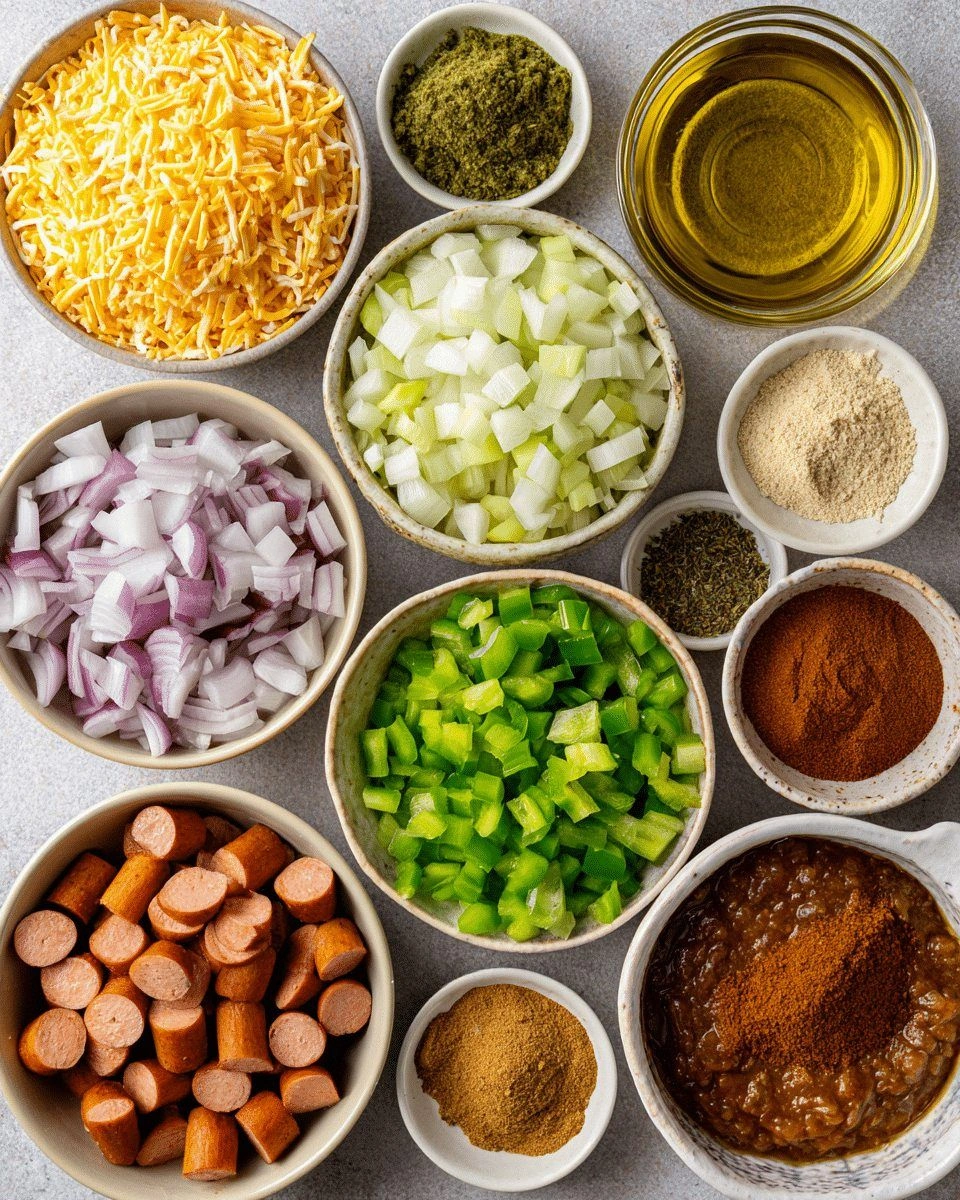
Ripe Heirloom Tomatoes (2 pounds): These beauties are the heart of the dish. Their natural sugars caramelize when they burst, creating a rich, umami‑laden sauce. Skipping them for canned tomatoes would strip away the fresh pop and depth. If you can’t find heirloom, go for plum tomatoes and add a pinch of sugar to mimic the sweetness.
Garlic (4 cloves, minced): Garlic adds a fragrant backbone that cuts through the acidity of the tomatoes. Overcooking it will turn it bitter, so keep the heat medium and stir constantly. A garlic press works wonders for an even distribution.
Olive Oil (3 tablespoons): Choose extra‑virgin for a peppery note that lifts the sauce. Too much oil will make the dish greasy; just enough to coat the pan and coax the aromatics.
The Texture Crew
Zucchini (2 medium, cut into thin ribbons): The ribbons stay slightly al dente, giving that delightful bite. If you slice them too thin they’ll dissolve; too thick and they’ll dominate the pasta. Use a mandoline for uniform slices that cook evenly.
Spaghetti (12 ounces, preferably whole‑wheat): The pasta acts as a neutral canvas, soaking up the sauce while providing body. Overcooking makes it mushy, so aim for al dente—a minute less than the package suggests.
The Unexpected Star
Ripe Avocado (1 large, flesh only): This is where the magic happens. The avocado creates a luscious, buttery coating that feels luxurious without any dairy. If the avocado is not perfectly ripe, blend it with a splash of warm pasta water to achieve a smooth consistency.
Lemon Zest (1 teaspoon) and Juice (1 tablespoon): The zest adds a bright, citrusy spark that cuts through the richness, while the juice balances the acidity. A little goes a long way; over‑zesting can become sour.
The Final Flourish
Fresh Basil (a handful, torn): Adds an herbaceous perfume that brings the garden to your bowl. Add it at the very end to preserve its aromatic oils.
Red Pepper Flakes (½ teaspoon, optional): For those who like a whisper of heat that teases the palate without overwhelming the fresh flavors.
Sea Salt and Black Pepper (to taste): Simple seasoning that ampliorates every component. Use flaky sea salt for a subtle crunch.
Everything's prepped? Good. Let's get into the real action...
The Method — Step by Step
Heat a large, heavy‑bottomed skillet over medium heat and drizzle in the olive oil. When the oil shimmers, add the minced garlic and let it sizzle for about 30 seconds until fragrant—watch that golden halo form, because that’s the foundation of flavor. Add the whole tomatoes, scored with a tiny “plus” cross, and listen to them pop like tiny fireworks. Toss them gently, letting the skins split and the juices caramelize, about 5‑7 minutes. The sauce should start to thicken and take on a deep ruby hue.
Kitchen Hack: If you’re short on time, halve the tomatoes before scoring; they’ll still burst spectacularly and release even more flavor.While the tomatoes are doing their thing, bring a pot of salted water to a rolling boil. Add the spaghetti and stir immediately to prevent sticking. Cook until just shy of al dente—about 8 minutes for regular spaghetti, a minute less for whole‑wheat. Before you drain, reserve a cup of the starchy cooking water; you’ll use this to bind the sauce later.
Next, slide the zucchini ribbons into the pan with the tomatoes. Toss them gently, allowing them to soften for 3‑4 minutes. They should turn a translucent emerald, still retaining a faint crunch—if you let them over‑cook, they’ll become mushy, and the texture balance is lost. At this stage, sprinkle in the red pepper flakes if you like a subtle heat.
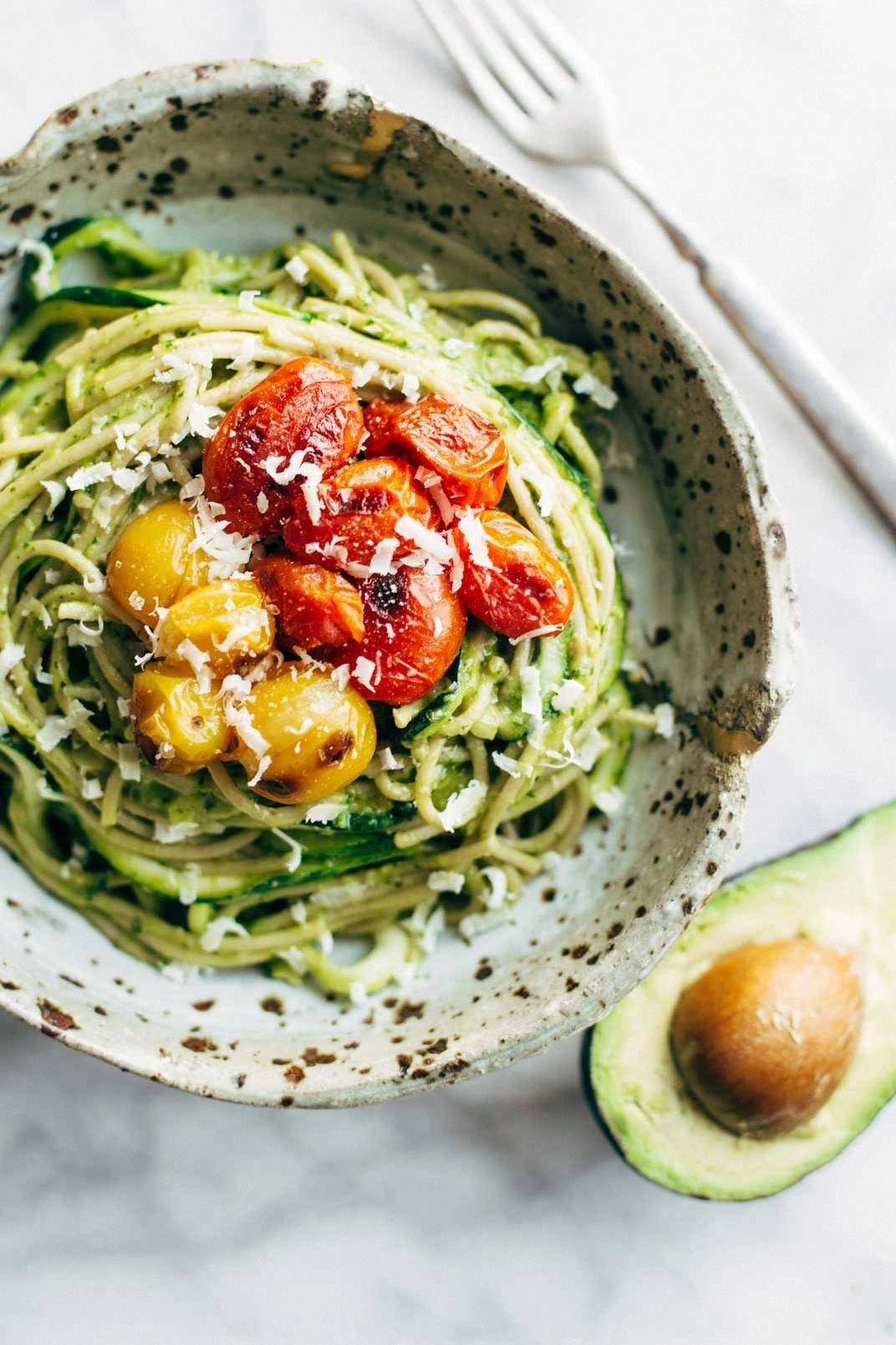
Now comes the avocado moment. In a separate bowl, mash the avocado with lemon juice, zest, a pinch of salt, and a splash of the reserved pasta water—about ¼ cup. Blend until the mixture is luxuriously smooth, then fold it into the skillet. The heat from the pan will gently warm the avocado, turning it into a glossy, velvety coating that clings to the pasta and vegetables.
Watch Out: If the pan is too hot when you add the avocado, it can oxidize and turn brown. Lower the heat to a gentle simmer before mixing.Drain the spaghetti and add it straight into the skillet. Toss everything together, allowing the noodles to soak up the sauce. If the mixture looks a little dry, drizzle in more of the reserved pasta water—one tablespoon at a time—until you reach a silk‑smooth consistency. You’ll notice the sauce coating each strand like a glossy, emerald‑green veil.
Turn off the heat and fold in the fresh basil, letting the residual warmth wilt the leaves just enough to release their perfume. Taste and adjust seasoning with sea salt and freshly cracked black pepper. The final flavor should be a perfect balance of sweet tomato, buttery avocado, bright lemon, and a whisper of garlic.
Plate the pasta in shallow bowls, drizzle a whisper of extra‑virgin olive oil around the edge for shine, and finish with a few extra basil leaves for color. If you’re feeling extra indulgent, grate a light dusting of Pecorino or Parmesan on top—though the avocado already gives a rich mouthfeel.
Step back, inhale the aroma, and take that first bite. Picture yourself pulling this out of the oven (even though there’s no oven), the whole kitchen smelling incredible, and realizing you just created a summer garden in a bowl. This is the moment of truth—if you’ve ever struggled with a limp pasta sauce, you’re not alone — and I’ve got the fix.
Kitchen Hack: Let the finished dish sit for five minutes before serving; this rest lets the flavors meld and the sauce cling even tighter to each noodle.
That's it — you did it. But hold on, I've got a few more tricks that'll take this to another level...
Insider Tricks for Flawless Results
The Temperature Rule Nobody Follows
Never add the avocado to a scorching pan. The sauce should be a gentle simmer, around 180°F (82°C). This keeps the avocado from oxidizing and turning brown. I once tried tossing it in a boiling swirl, and the green turned an unappetizing gray. Keep the heat low, and you’ll get a glossy, emerald sheen every time.
Why Your Nose Knows Best
When the tomatoes are bursting, you’ll hear a faint pop and smell a sweet, caramelized scent. If the aroma leans toward raw, acidic notes, give it a couple more minutes. Your nose is a reliable barometer for how deep the flavor has developed. Trust it more than the timer.
The 5‑Minute Rest That Changes Everything
After plating, let the dish sit uncovered for five minutes. This short rest lets the starches re‑absorb the sauce, creating a silkier mouthfeel. I’ve seen people rush to the table, only to bite into noodles that feel a bit loose. A brief pause transforms the texture from “good” to “wow.”
Salt Timing is Everything
Season the pasta water generously—like the sea. This is the first layer of flavor that gets absorbed into the noodles. If you skimp here, you’ll end up over‑salting later, and the sauce will taste flat. A well‑salted noodle is the secret behind many chef‑approved dishes.
Cold Water Rescue
If the sauce looks too thick after mixing, add a splash of cold water—not hot. Cold water helps the avocado emulsify without breaking down its creamy structure. I’ve rescued a sauce that seemed on the brink of separating with just 2 teaspoons of ice‑cold water.
Triple‑Check the Zucchini
Always pat the zucchini ribbons dry after slicing. Excess moisture can steam the sauce, diluting the flavor. A quick towel press removes that unwanted water and ensures the ribbons stay crisp. I once forgot this step and ended up with a soggy mess—lesson learned.
Creative Twists and Variations
This recipe is a playground. Here are some of my favorite ways to switch things up:
Spicy Sriracha Swirl
Add a tablespoon of Sriracha to the avocado mixture for a smoky heat that cuts through the richness. This version is perfect for those who love a kick and want a dish that feels a bit more daring.
Herb‑Infused Pesto Finish
Stir in a spoonful of basil pesto right before plating. The pesto adds piney notes and deepens the herb profile, turning the dish into an herb garden extravaganza.
Cheesy Delight
Swap the avocado for a cashew‑cream blended with nutritional yeast. It gives a cheesy, dairy‑free tang while keeping the sauce luxuriously thick. Top with toasted pine nuts for crunch.
Proteins on Deck
Grill some chicken breast or pan‑seared shrimp and lay them atop the pasta for a protein boost. The smoky char of the meat pairs beautifully with the bright tomato‑avocado base.
Winter Warmth
Replace zucchini with roasted butternut squash cubes and a dash of cinnamon. The sweet, earthy notes make the dish cozy enough for colder evenings.
Gluten‑Free Groove
Use gluten‑free spaghetti or even spiralized carrot noodles. The texture changes slightly, but the sauce clings just as well, delivering the same burst of flavor without the gluten.
Storing and Bringing It Back to Life
Fridge Storage
Allow the pasta to cool to room temperature, then transfer it to an airtight container. It keeps fresh for up to 3 days. Reheat gently in a skillet with a splash of water, stirring constantly.
Freezer Friendly
The sauce freezes beautifully. Portion out the sauce (without the pasta) into freezer bags and store for up to 2 months. Thaw overnight in the fridge, then combine with freshly cooked spaghetti.
Best Reheating Method
When reheating, add a tiny splash of water—about a tablespoon per serving. This steams the pasta back to its original silkiness and prevents the avocado from turning gummy.