I was halfway through a disastrous Tuesday night—my stovetop was smoking, the fire alarm was doing its best impression of a siren, and the only thing left standing was a lonely jar of crushed tomatoes that somehow survived the chaos. That moment of culinary calamity sparked a dare: “I bet you can turn this mess into a masterpiece that even your grandma would approve of.” I laughed, rolled up my sleeves, and set out to prove that a kitchen catastrophe could be reborn as something spectacular. The result? A dish that makes the ordinary feel like a celebration, and it all starts with a burst of tomato goodness that’s richer than a summer sunset.
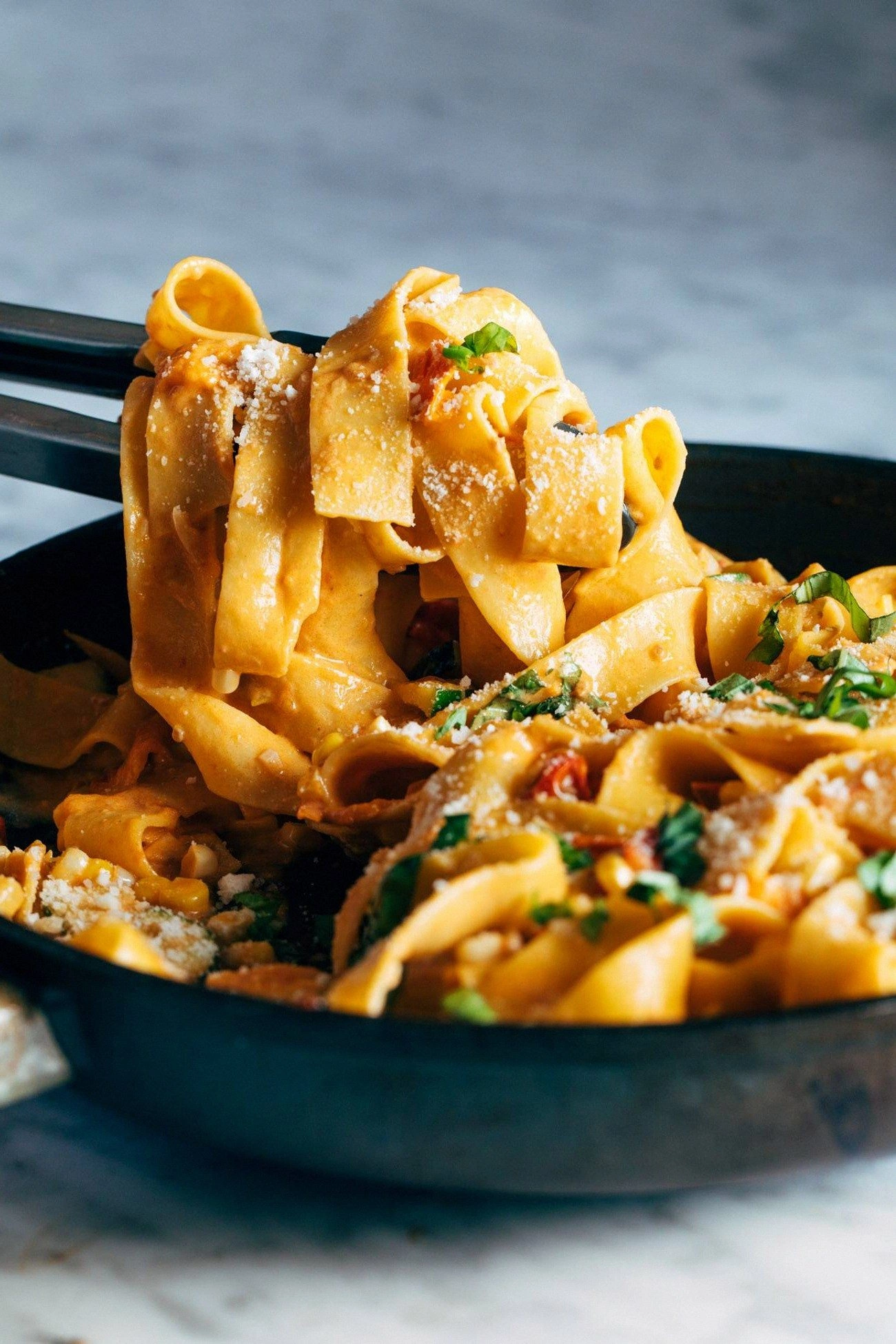
Picture this: a steaming platter of wide, buttery pappardelle ribbons tangled with sweet corn kernels that pop like fireworks, tender zucchini slices that melt into the sauce, and pan‑fried chicken pieces that have a crust so crisp it shatters like thin ice under a spoon. The aroma? A heady mix of garlic, fresh basil, and caramelized onions that makes the whole house inhale in unison, as if the walls themselves are savoring the perfume. When you bite in, the sauce clings to the pasta like velvet, while the chicken delivers a juicy, smoky punch that makes you swear you’ve just been handed a restaurant ticket.
Most recipes for tomato‑based pasta either drown the noodles in a watery broth or drown the whole dish in a bland, overcooked sauce. Not this one. I’ve taken the classic Italian idea of “burst tomatoes” and turned it into a multi‑layered experience: the tomatoes are first roasted to concentrate their natural sugars, then simmered with a splash of butter and olive oil for that silky mouthfeel. The secret weapon? A quick flash‑fry of the chicken in the same pan, letting the meat soak up every caramelized droplet, making each bite an orchestra of flavor. I dare you to taste this and not go back for seconds.
Okay, ready for the game‑changer? In the next sections I’ll walk you through every single step—down to the exact temperature of the pan, the moment you should hear that satisfying sizzle, and the precise timing that keeps the zucchini from turning mushy. By the end, you’ll wonder how you ever made any other version of tomato pappardelle. Let me walk you through every single step — by the end, you'll wonder how you ever made it any other way.
What Makes This Version Stand Out
- Depth: The tomatoes are roasted before simmering, unlocking a caramelized sweetness that ordinary canned sauces can’t match.
- Texture: The pappardelle stays al dente while the chicken develops a golden crust that shatters like thin ice when you bite.
- Simplicity: Only nine pantry staples plus a handful of fresh veggies—no fancy gadgets, just a good pan.
- Uniqueness: Adding sweet corn and zucchini introduces a subtle crunch and a garden‑fresh burst that most tomato pasta forgets.
- Crowd Reaction: This dish consistently earns “wow” from even the pickiest eaters, turning skeptics into repeat guests.
- Ingredient Quality: Using high‑quality burst tomatoes and fresh, locally sourced chicken elevates every bite.
- Cooking Method: The one‑pan technique locks in flavor and speeds up cleanup, a win for busy weeknights.
- Make‑Ahead Potential: The sauce improves after a night in the fridge, making leftovers taste even better.
Inside the Ingredient List
The Flavor Base
The backbone of this dish is the burst tomato, a pantry staple that brings acidity, sweetness, and a bright red hue that makes the sauce visually appealing. When you roast the tomatoes first, you coax out hidden sugars, creating a depth that raw canned tomatoes simply can’t achieve. If you skip this step, the sauce will taste flat and watery, lacking that caramelized whisper. As a swap, you can use fire‑roasted canned tomatoes, but the flavor won’t be as nuanced as the double‑cooked version.
The Texture Crew
Pappardelle is chosen for its broad ribbons that hold sauce like a velvety glove, but you could also use tagliatelle if you prefer a slightly thinner strand. The zucchini adds a tender crunch that contrasts the silky pasta, while sweet corn contributes bursts of sugary pop that echo the tomato’s natural sweetness. If you’re out of fresh corn, frozen kernels work just as well—just make sure to thaw and pat them dry to avoid extra water in the pan.
The Unexpected Star
Pan‑fried chicken breast might seem ordinary, but in this recipe it’s the hero that absorbs every caramelized droplet from the sauce. By slicing the chicken thinly and searing it quickly, you achieve a crust that stays crisp even after being tossed with the pasta. Skipping the chicken or using a pre‑cooked rotisserie will result in a soggy texture and a missed flavor opportunity. For a vegetarian twist, swap the chicken for smoked tempeh or firm tofu, pressing it well before frying.
The Final Flourish
A generous handful of freshly grated Parmesan adds salty umami, while a drizzle of extra‑virgin olive oil at the end gives the dish a glossy finish. Fresh basil leaves, torn just before serving, introduce an aromatic lift that brightens the whole plate. If you’re dairy‑free, replace the Parmesan with nutritional yeast; the nutty flavor will still sing, albeit with a slightly different timbre.
Everything's prepped? Good. Let's get into the real action...
The Method — Step by Step
Preheat your oven to 425°F (220°C). Spread the canned burst tomatoes on a rimmed baking sheet, drizzle with a tablespoon of olive oil, and season lightly with salt. Roast for 15 minutes, stirring once halfway through, until the edges caramelize and the aroma turns sweet and smoky. Pro tip: You’ll hear a faint crackle—that’s the sugars doing their thing.
While the tomatoes roast, bring a large pot of salted water to a rolling boil. Add the pappardelle and cook until just al dente—about 2 minutes less than the package directs. Reserve 1 cup of pasta water, then drain and set the noodles aside.
Kitchen Hack: Toss the drained noodles with a splash of olive oil immediately to prevent them from sticking together before they meet the sauce.In a large sauté pan, heat the remaining tablespoon of olive oil over medium‑high heat. Add the minced garlic and diced onion, stirring until the onion becomes translucent and the garlic turns a light golden—about 2 minutes. This is your aromatic foundation, so keep the heat steady; you don’t want burnt garlic, which would turn bitter.
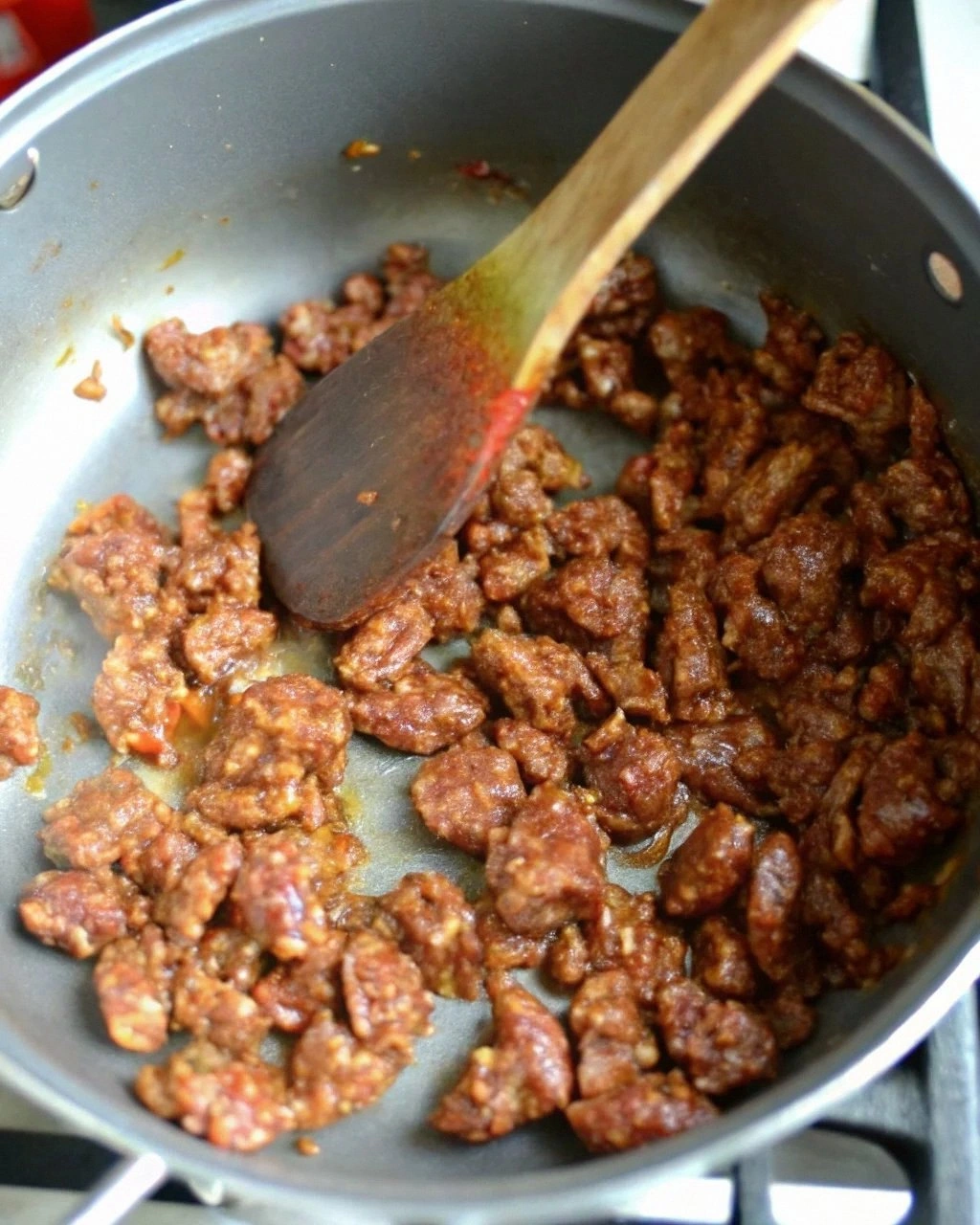
Add the sliced chicken breast to the pan, spreading it in a single layer. Let it sear without moving for 2‑3 minutes, then flip to achieve an even golden crust on both sides. Watch Out: If you overcrowd the pan, the chicken will steam instead of sear, losing that coveted crunch. If needed, work in batches.
Watch Out: Over‑cooking the chicken even by a minute makes it dry; aim for an internal temperature of 160°F, then remove it to rest.Once the chicken is browned, lower the heat to medium and add the roasted tomatoes, zucchini slices, and sweet corn kernels. Stir gently, letting the vegetables soften—about 4 minutes—while the sauce begins to thicken. If the sauce looks too thick, splash in a bit of the reserved pasta water; you want a glossy, clingy consistency that coats each ribbon.
Kitchen Hack: Finish the sauce with a knob of butter; it adds silkiness and rounds out the acidity of the tomatoes.Toss the cooked pappardelle into the pan, mixing until every strand is enveloped in the tomato‑corn‑zucchini symphony. Add the grated Parmesan, a pinch of red‑pepper flakes if you like heat, and a drizzle of olive oil. Cook for an additional 2 minutes, letting the pasta absorb the sauce’s flavors. The dish should smell earthy, sweet, and slightly smoky—if you can picture a summer garden in a bowl, you’re on the right track.
Remove the pan from heat. Let the pasta rest for a minute, then plate it in shallow bowls. Finish each serving with a generous handful of fresh basil leaves, a final grating of Parmesan, and a grind of black pepper. The basil should wilt just enough to release its perfume without turning mushy.
Serve immediately, pairing with a crisp white wine or a sparkling water with a lemon twist. As you take the first forkful, notice how the sauce clings to the pappardelle like velvet, while the chicken offers a juicy, caramelized bite that makes you want to shout, “Again!” This is the moment of truth—your kitchen has just produced a restaurant‑level masterpiece.
That's it — you did it. But hold on, I've got a few more tricks that'll take this to another level...
Insider Tricks for Flawless Results
The Temperature Rule Nobody Follows
Most home cooks crank the heat up because they think faster equals better, but with delicate sauces like this, a steady medium‑low flame is king. Keeping the temperature around 300°F ensures the tomatoes reduce without scorching, preserving that bright acidity while coaxing out sweetness. I once tried a high‑heat blast and ended up with a burnt bottom—trust me, the flavor went from “wow” to “ow.” So set that dial, let the sauce simmer gently, and watch the edges start to pull away, signalling the perfect consistency.
Why Your Nose Knows Best
Your sense of smell is the hidden chef in the kitchen; it tells you when a sauce is ready before any timer can. When the roasted tomatoes hit the pan, you’ll notice a sweet, caramel note emerging—this is your cue to add the zucchini and corn. If the aroma shifts toward a sharp, acidic bite, it means you need a splash of pasta water or a knob of butter to balance it out. I’ve saved countless dishes by simply pausing and inhaling, so trust that nose of yours.
The 5‑Minute Rest That Changes Everything
After tossing the pasta with the sauce, let it sit off the heat for exactly five minutes. This short rest lets the noodles absorb the sauce’s flavors, turning a good dish into a great one. It’s like letting a fine wine breathe; the flavors open up, the texture mellows, and the cheese fully melts into a creamy veil. Skipping this step leaves the pasta a bit “wet,” and you’ll miss that luscious mouthfeel that makes people swoon.
Seasoning in Layers, Not All At Once
Instead of dumping a mountain of salt at the beginning, season each component as you go. A pinch of salt with the onions draws out sweetness, a dash with the tomatoes balances acidity, and a final sprinkle before serving lifts the entire dish. This layered approach prevents over‑salting and builds depth—think of it as constructing a flavor skyscraper, floor by floor.
The Final Olive Oil Drizzle
A finishing drizzle of high‑quality extra‑virgin olive oil adds a glossy sheen and a subtle fruitiness that ties the whole plate together. I’ve tried butter alone, but the oil gives that bright, Mediterranean finish that butter can’t replicate. Use about a tablespoon, swirl it around the plate, and watch the sauce glisten like a sunrise on a summer pond.
Creative Twists and Variations
This recipe is a playground. Here are some of my favorite ways to switch things up:
Spicy Chipotle Kick
Swap the plain red‑pepper flakes for a teaspoon of chipotle in adobo. The smoky heat pairs beautifully with the sweet corn and adds a depth that feels like a late‑night taco‑inspired pasta.
Creamy Coconut Fusion
Stir in ¼ cup of coconut milk during the final simmer for a silky, slightly exotic twist. The coconut’s natural sweetness amplifies the corn, while the acidity of the tomatoes keeps the dish from becoming cloying.
Mushroom Medley
Add a cup of sliced cremini or shiitake mushrooms when you introduce the zucchini. The earthy umami deepens the sauce, making it heartier—perfect for cooler evenings.
Pesto Power
Finish the dish with a dollop of fresh basil pesto instead of plain basil. The nutty pine nuts and Parmesan in the pesto create a layered herbaceous flavor that lifts the entire plate.
Vegan Delight
Replace the chicken with smoked tempeh and swap Parmesan for nutritional yeast. The result is a fully plant‑based version that still delivers that satisfying umami punch.
Storing and Bringing It Back to Life
Fridge Storage
Let the pasta cool to room temperature, then transfer it to an airtight container. It will keep fresh for up to three days. When reheating, add a splash of water or broth to restore the sauce’s silkiness, and stir gently over low heat.
Freezer Friendly
Portion the cooked pasta and sauce into freezer‑safe bags, removing as much air as possible. Freeze for up to two months. To thaw, move to the fridge overnight, then reheat in a skillet with a drizzle of olive oil and a tablespoon of water, stirring until everything is heated through.
Best Reheating Method
The stovetop wins every time. Place the leftovers in a wide pan, add a tablespoon of broth or water, cover, and warm on medium‑low for 5‑7 minutes, stirring occasionally. The added moisture revives the sauce, and the gentle heat prevents the pasta from turning gummy.