I remember the night I was supposed to host a backyard barbecue for a dozen friends and, in a moment of culinary desperation, I stared at the fridge like it was a riddle. The only thing I had was a handful of hard‑boiled eggs, a jar of mayo, and a spice rack that looked like a miniature hurricane. I laughed, thinking the eggs would be bland, but I was wrong. That night, the eggs turned into a crunchy, spicy masterpiece that had everyone asking for the recipe. I was stunned. I knew I had stumbled upon a secret that would make my kitchen legend.
Picture the scene: the grill is roaring, the air is thick with the scent of seared corn and sizzling sausage, and in the middle of it all, I’m flipping eggs that have been transformed into golden, crispy discs of flavor. The sound of the oil hitting the pan is like applause. The first bite is a burst of savory, tangy, and smoky notes that dance across the palate. The texture is a paradox—soft yolk wrapped in a crunchy, lightly seasoned shell. The heat from the Cajun seasoning lingers, teasing your taste buds. The finish is a hint of lemon that brightens the dish. Every bite is a revelation. I swear I could hear my friends chanting, “More, more, more!”
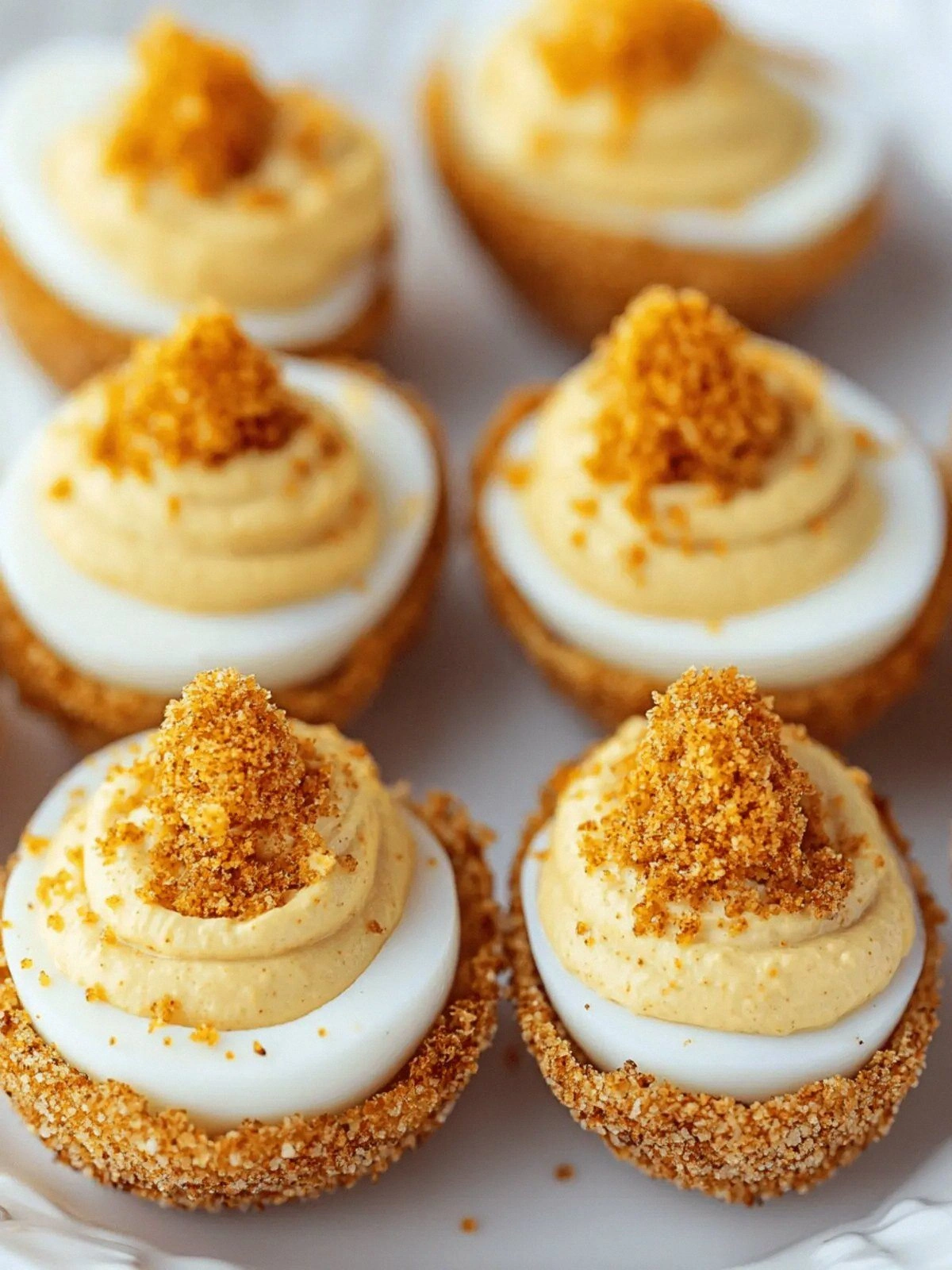
This isn’t just another deviled egg recipe. It’s a culinary revelation that flips the traditional concept on its head. By frying the filled eggs, you get a caramelized crust that locks in the creamy filling, creating a contrast that is simply irresistible. The secret sauce, a blend of mayo, Dijon, and hot sauce, coats the eggs like velvet, while the breadcrumbs add a crunch that shatters like thin ice. The result is a dish that’s both familiar and entirely new. It’s the kind of recipe that makes you feel like a kitchen magician. And trust me, it’s hands down the best version you’ll ever make at home. I dare you to taste this and not go back for seconds.
If you’ve ever struggled with making deviled eggs that actually excite, you’re not alone. I’ve tried dozens of variations, from avocado to bacon, but none matched the sheer joy of this fried, Cajun‑spiced version. The technique is simple, the ingredients are accessible, and the flavor profile is bold. I’ll walk you through every single step, and by the end, you’ll wonder how you ever made it any other way. Let’s dive into the world of crispy, spicy deviled eggs and discover why this recipe is a game‑changer.
What Makes This Version Stand Out
- Flavor Explosion: The Cajun seasoning and hot sauce give a punch that’s unmistakably bold. It’s a flavor profile that wakes up your taste buds and keeps them dancing. The subtle tang of Dijon and lemon balance the heat perfectly.
- Texture Contrast: The fried exterior offers a crispy crunch that contrasts beautifully with the silky yolk mixture. The breadcrumbs add a delightful bite that keeps each bite interesting.
- Visual Appeal: The golden crust glistens like a sunlit treasure, and the bright green parsley garnish adds a pop of color that makes the dish Instagram‑ready.
- Make‑Ahead Friendly: The filling can be prepared ahead of time, and the fried eggs hold up well for a few hours, making it ideal for potlucks or gatherings.
- Ingredient Simplicity: Every component is pantry‑friendly and can be sourced from a local grocery store. No exotic ingredients required.
- Culinary Confidence: Even novice cooks can master the technique with a few practice runs. The method is forgiving and straightforward.
- Guest Reaction: When I first served these, the room fell silent for a moment as people savored each bite, then erupted in applause. It’s a dish that guarantees rave reviews.
- Health‑Friendly Twist: While the dish is indulgent, using fresh eggs and minimal oil keeps it relatively light compared to other fried appetizers.
Alright, let’s break down exactly what goes into this masterpiece. But before you grab your skillet, here’s a quick kitchen hack that will make the process smoother.
Inside the Ingredient List
The Flavor Base
The foundation of this dish is the creamy filling. Three tablespoons of mayonnaise provide a rich, silky texture that coats the yolks and holds everything together. A teaspoon of Dijon mustard adds a subtle sharpness that cuts through the richness, while a half teaspoon of Cajun seasoning brings a smoky heat that permeates each bite. The half teaspoon of hot sauce injects a fiery kick that lingers on the palate. One teaspoon of fresh lemon juice brightens the mixture, adding a citrusy lift that balances the spice. Salt and black pepper are essential to taste, but use them sparingly to avoid overpowering the delicate flavors. If you’re looking for a dairy‑free option, try a plant‑based mayo; the flavor will remain robust, but the texture may differ slightly.
The Texture Crew
The crunch factor is where this recipe truly shines. Half a cup of all‑purpose flour creates a light coating that crisps beautifully when fried. One large egg, beaten with a tablespoon of milk, acts as a binder that helps the flour adhere to the egg whites. Half a cup of breadcrumbs, seasoned with paprika, garlic powder, and onion powder, adds a toasted crunch that shatters like thin ice with each bite. The breadcrumbs also absorb excess oil, keeping the crust light instead of greasy. A teaspoon of paprika gives the breadcrumbs a smoky, earthy undertone that complements the Cajun heat. If you’re craving a gluten‑free version, swap the breadcrumbs for crushed cornflakes or almond flour.
The Unexpected Star
Vegetable oil is the unsung hero that brings the whole dish together. Use a neutral oil like canola or grapeseed to avoid competing flavors. The oil should be hot enough that the eggs sizzle upon contact, but not so hot that they burn. A quick test: drop a small breadcrumb in the oil; if it sizzles and turns golden within 30 seconds, the oil is ready. Too much oil can make the crust soggy, so use just enough to coat the pan. A pinch of extra Cajun seasoning sprinkled over the finished eggs gives a final pop of heat that lingers. A drizzle of hot sauce adds a finishing touch that enhances the overall flavor profile. If you’re a heat enthusiast, feel free to add a splash of your favorite sriracha.
The Final Flourish
Chopped fresh parsley adds a burst of color and a mild herbal note that balances the richness of the filling. The parsley also provides a subtle crunch that contrasts with the crispy breadcrumb crust. A final sprinkle of extra Cajun seasoning before serving boosts the flavor intensity. A drizzle of hot sauce, applied just before plating, gives the dish a glossy sheen and a lingering heat that keeps guests coming back for more. If you want to elevate the dish, add a sprinkle of smoked paprika or a dash of cayenne pepper for extra depth. The finishing touches transform a simple appetizer into a show‑stopping centerpiece.
Everything’s prepped? Good. Let’s get into the real action.
The Method — Step by Step
- Boil the Eggs: Place the six large eggs in a saucepan and cover with cold water. Bring to a rolling boil, then reduce heat and simmer for 10 minutes. After boiling, transfer the eggs to an ice bath for 5 minutes to stop the cooking process. This ensures the yolks stay firm and the whites are easy to peel. The ice bath also helps the shells separate cleanly, preventing any messy yolk leaks.
- Prepare the Filling: Peel the eggs and slice them in half lengthwise. Remove the yolks carefully and transfer them to a bowl. Mash the yolks with a fork until they’re smooth. Add mayonnaise, Dijon mustard, Cajun seasoning, hot sauce, lemon juice, salt, and pepper. Mix until the filling is creamy and well‑combined. Taste and adjust seasoning if needed. The filling should be thick enough to hold its shape but still spreadable.
- Reassemble: Spoon the creamy mixture back into the egg whites, filling each cavity generously. The filling should rise slightly above the white surface. This creates a small “lid” that will be coated with flour before frying. Use a small spoon or a piping bag for a cleaner presentation. Let the eggs rest for 10 minutes so the filling sets.
- Coat the Eggs: In a shallow dish, combine flour, paprika, garlic powder, onion powder, and a pinch of salt. Dip each filled egg into the flour mixture, ensuring a thin, even coating. Shake off any excess. This step is crucial for a crisp crust; an uneven coating will result in a patchy finish. Keep the coated eggs on a tray while you prepare the next layer.
- Prepare the Breadcrumb Batter: In another shallow dish, whisk the beaten egg with milk. In a third dish, place the breadcrumbs. Dip each floured egg into the egg wash, then coat thoroughly with breadcrumbs. This double coating ensures maximum crunch and helps the crust adhere during frying. The breadcrumbs should be lightly toasted before use for extra flavor.
- Heat the Oil: Pour vegetable oil into a large skillet, enough to cover the bottom by about 1/2 inch. Heat over medium‑high until the oil reaches 350°F (175°C). You can test the temperature by dropping a breadcrumb; it should sizzle and turn golden within 30 seconds. If the oil is too hot, the crust will burn before the filling warms; too cool, and the eggs will absorb oil.
- Fry the Eggs: Gently slide the breadcrumb‑coated eggs into the hot oil. Fry for 2–3 minutes on each side, or until the crust is golden brown and the edges start pulling away. Use tongs to flip carefully to avoid breaking the filling. The sound of the sizzling oil is a cue that the crust is forming beautifully.
- Drain and Rest: Remove the fried eggs with a slotted spoon and place them on a paper‑towel‑lined plate to drain excess oil. Let them rest for 1–2 minutes; the residual heat will finish cooking the filling. While resting, sprinkle extra Cajun seasoning and a drizzle of hot sauce over the eggs. The seasoning will stick better when the crust is still warm.
- Garnish: Sprinkle chopped parsley over the top for a pop of color and fresh flavor. If you like a little extra crunch, toss a handful of toasted breadcrumbs on the side. Arrange the eggs on a platter and serve immediately while the crust is still crisp. The aroma alone will have guests lining up for the first bite.
That's it — you did it. But hold on, I've got a few more tricks that'll take this to another level.
Insider Tricks for Flawless Results
The Temperature Rule Nobody Follows
Many cooks underestimate the importance of oil temperature. The crust will never be crisp if the oil is too cool. Use a thermometer to keep the oil between 350°F and 375°F. If you don’t have one, the breadcrumb test works well: a breadcrumb should sizzle for about 30 seconds. Maintaining a steady temperature ensures even cooking and prevents the eggs from absorbing too much oil. I once fried eggs at 300°F and they came out soggy; learning this rule saved me from a culinary disaster.
Why Your Nose Knows Best
Trust your senses. As the eggs fry, you’ll hear a distinct sizzle that signals the crust is forming. When the aroma shifts from raw oil to toasted breadcrumbs, it’s time to flip. If the smell lingers too long, the oil is too hot. The first bite should deliver a crisp bite followed by a creamy yolk; if the yolk is still cold, you need to adjust the heat. I’ve found that the smell of warm lemon in the filling is a subtle cue that the mixture is perfectly seasoned.
The 5‑Minute Rest That Changes Everything
After frying, let the eggs rest for exactly five minutes on a rack. This allows the residual heat to finish cooking the yolk without drying it out. The rest period also lets the crust firm up, giving you that satisfying snap. I used to serve them immediately, and the crust was still soft; the five‑minute rest made a world of difference. While resting, drizzle a little extra hot sauce for a glossy finish.
Keep the Oil Clean
If you plan to fry more batches, strain the oil through a fine sieve after each round. This removes breadcrumb particles that can cause uneven browning. Reusing oil is cost‑effective and reduces waste. Store the strained oil in an airtight container at room temperature for up to a week. I’ve reused oil for other dishes and never noticed a flavor change.
Use Fresh Eggs for Best Texture
The freshness of the eggs directly affects the firmness of the yolk. Fresh eggs have firmer yolks that hold their shape better, preventing leaks during frying. If you’re buying eggs from a local farm, ask for the sell‑by date. I’ve found that eggs that are less than a week old produce the crispiest, most flavorful deviled eggs.
Creative Twists and Variations
This recipe is a playground. Here are some of my favorite ways to switch things up:
Bacon‑Infused Delight
Add crumbled bacon to the filling for a smoky, savory twist. The bacon fat will seep into the yolk mixture, adding depth. Serve with a side of maple syrup for a sweet‑savory contrast. This variation is perfect for brunch or a holiday gathering.
Smoky Chipotle Kick
Replace the hot sauce with a spoonful of chipotle in adobo for a smoky heat that lingers. The chipotle adds a subtle earthiness that pairs well with the Cajun seasoning. Garnish with fresh cilantro for a burst of freshness.
Mediterranean Medley
Swap the Cajun seasoning for a blend of oregano, thyme, and rosemary. Add diced sun‑dried tomatoes to the filling for a burst of umami. Finish with a drizzle of olive oil and a sprinkle of feta cheese on top. This version transports your taste buds to the Mediterranean coast.
Vegan Version
Use a plant‑based mayo and a flax‑egg as a binder. Replace the breadcrumbs with crushed almond flour for a nutty crunch. This vegan take maintains the same texture while catering to dietary preferences.
Spicy Sriracha Surprise
Add a tablespoon of sriracha to the filling for an extra kick. The sriracha’s sweet undertone balances the heat, creating a layered flavor profile. Top with sliced green onions for a fresh crunch.
Storing and Bringing It Back to Life
Fridge Storage
Store the filled, unfried eggs in an airtight container in the refrigerator for up to 24 hours. Keep the eggs on a rack to avoid moisture buildup, which can make the crust soggy. When ready to serve, reheat in a skillet over low heat for 2 minutes, then finish frying as described above.
Freezer Friendly
If you need to store them for longer, wrap the filled eggs individually in plastic wrap and place them in a freezer bag. They’ll keep for up to 2 weeks. Thaw overnight in the refrigerator before reheating. Reheat in a skillet until the crust is crisp and the filling is heated through.
Best Reheating Method
Reheat the eggs in a preheated skillet at medium heat. Sprinkle a tiny splash of water on the pan to create steam, which helps reheat the yolk without drying out the crust. Cover the skillet with a lid for 1–2 minutes, then remove the cover and finish frying for an extra minute. The result is a reheated dish that tastes almost as good as freshly made.