I was halfway through a dinner party, juggling a pot of sautéed onions and a pan of seared chicken, when the sauce I’d been humming about collapsed into a thick, clumpy mess that smelled faintly of burnt butter. The room went quiet, the guests leaned in, and I could feel the collective disappointment ripple through the air. That moment of culinary catastrophe was the spark that pushed me to reinvent the classic Chicken Piccata, turning a potential fiasco into a triumph that still makes my friends gasp for seconds. I swear, if you’ve ever had a sauce turn from glossy to syrupy in the middle of a meal, you know the sting of regret that follows.
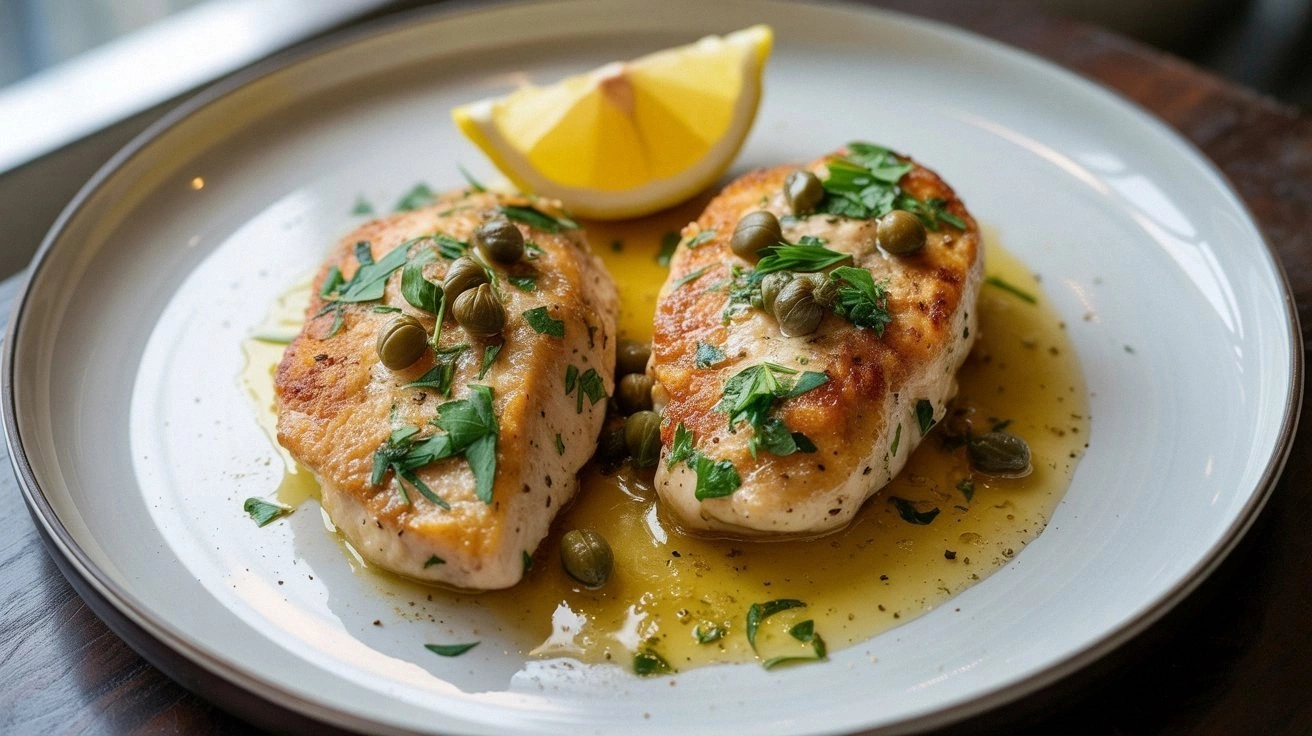
Picture the kitchen: the sizzle of the pan is a steady drumbeat, the citrus aroma cuts through the air like a fresh breeze, and the golden crust of the chicken flakes like a buttery sunrise. You can almost taste the tang of lemon before you even cut into it, and the faint pop of capers adds a briny, almost salty pop that dances on the tongue. The heat radiates from the stovetop, and the steam curls like wisps of cloud around the simmering sauce, creating a fragrant halo that makes every breath feel like a promise of flavor. The texture is a story in itself—crispy on the outside, tender and juicy inside, with a sauce that clings like velvet to every bite.
What sets this version apart isn’t just the fresh ingredients; it’s the deliberate choreography of flavors and textures that turns a simple dish into a performance. The lemon is bright enough to cut through the richness of butter, the capers give a salty bite that lingers, and the pan sauce is thickened just enough to cling to the chicken without becoming heavy. The result is a dish that feels both comforting and sophisticated, a dish that you could serve at a formal dinner or a casual Sunday lunch and still win applause. It’s the kind of recipe that, once you’ve tasted it, you’ll never go back to the generic versions you found in the grocery aisle.
And here’s the kicker: there’s a small, almost invisible trick that most people overlook—using a splash of white wine to deglaze the pan before adding the broth. It lifts the browned bits into a silky sauce, adding depth without overpowering the citrus. I dare you to taste this and not go back for seconds. Let me walk you through every single step—by the end, you’ll wonder how you ever made it any other way.
What Makes This Version Stand Out
- Flavor: The bright citrus cuts through the richness, while the capers add a salty punch that balances the sweetness of the sauce.
- Texture: The chicken is seared to a golden crust that stays crisp, yet the inside remains moist and tender.
- Simplicity: Five core ingredients plus a splash of wine—no obscure pantry staples required.
- Versatility: Works perfectly over pasta, rice, or a bed of sautéed greens.
- Time: Prep under 15 minutes, cook in 30; a quick dinner for busy weeknights.
- Make‑Ahead: The sauce can be prepared ahead and reheated without losing flavor.
- Crowd Appeal: A dish that impresses even the most skeptical diners with its balanced flavors.
- Ingredient Quality: Uses fresh, high‑quality produce and butter, ensuring each bite is packed with flavor.
Alright, let's break down exactly what goes into this masterpiece…
Inside the Ingredient List
The Flavor Base
Fresh lemon juice is the star of the show; it brings acidity that brightens the dish and balances the richness of butter and capers. If you can’t find fresh lemons, a splash of high‑quality bottled lemon juice can work, but the aroma will be slightly less vibrant. Skipping the lemon turns the dish into a bland, buttery chicken that feels like a missed opportunity. Use a medium‑sized lemon to ensure you have enough juice for both the sauce and a garnish.
The Texture Crew
All‑purpose flour coats the chicken, creating a crisp, golden crust when pan‑seared. If you’re watching carbs, you can substitute almond flour, but the texture will change slightly—more crumbly and less golden. The butter and olive oil are the dual fats that create a silky sauce; butter gives depth, while olive oil adds a peppery finish. Remember, the ratio of butter to oil is key—too much butter and the sauce becomes heavy; too much oil and it lacks body.
The Unexpected Star
Capers bring a briny, almost sea‑salt flavor that cuts through the richness and adds a subtle bite. If you’re not a fan of capers, you can replace them with finely chopped olives or even a pinch of anchovy paste for a different umami kick. The capers also add a pop of green that makes the dish visually appealing. They’re a small detail, but they’re a game‑changer in the flavor profile.
The Final Flourish
Fresh parsley adds a herbal brightness that lifts the sauce, and a drizzle of olive oil at the end gives a glossy finish. If you prefer a different herb, basil or tarragon can be used, but parsley provides a neutral backdrop that doesn’t overpower the lemon. A final squeeze of lemon before serving brightens the dish and gives it a fresh, zesty finish. This step is often overlooked but is essential for a polished presentation.
Everything's prepped? Good. Let's get into the real action…
The Method — Step by Step
- Start by patting the chicken breasts dry with paper towels; this ensures a crisp crust. Season both sides generously with salt and pepper, then coat each breast in flour, shaking off any excess. This simple step traps moisture and creates a golden exterior that’s both flavorful and visually appealing. I’ve found that a light dusting of flour is enough—too much can lead to a heavy coating.
- Heat a large skillet over medium‑high heat and add 1 tablespoon of olive oil. Once the oil shimmers, add the chicken breasts. Sear for 4–5 minutes on each side until they develop a deep golden brown and the internal temperature reaches 165°F. Watch for the edges to pull away slightly—this is a sign the crust is forming. Don’t rush this step; patience yields the best texture.
- Remove the chicken and set it aside on a plate. In the same pan, reduce the heat to medium and add 2 tablespoons of butter. Let it melt until it starts to foam but before it turns brown. The butter adds richness, while the oil helps prevent sticking. This is the moment where the aroma of butter begins to fill the kitchen.
- Add 2 minced garlic cloves to the butter; cook for 30 seconds until fragrant, being careful not to burn. Garlic infuses the sauce with depth, and the brief sauté time preserves its bright flavor. If you prefer a milder garlic taste, reduce the amount to one clove.
- Deglaze the pan with ½ cup of dry white wine, scraping up any browned bits from the bottom. Let the wine reduce by half, concentrating its flavors. This step is critical; the wine lifts the caramelized bits into the sauce, creating a complex base. If you don’t have wine, a splash of chicken broth can substitute, but the flavor will be less nuanced.
- Stir in 1 cup of low‑sodium chicken broth and the juice of one fresh lemon. Bring the mixture to a gentle simmer; let it reduce for 3–4 minutes until it thickens slightly. The reduction concentrates the citrus and broth, giving the sauce its silky body. Keep an eye on the heat; too high can cause the sauce to split.
- Fold in 2 tablespoons of capers and 2 tablespoons of fresh parsley, then return the chicken breasts to the pan. Spoon some sauce over each piece and let everything simmer together for another 2 minutes, allowing the flavors to meld. This is the moment of truth—watch the sauce coat the chicken, and let the aroma envelop the kitchen.
- Remove the pan from heat, drizzle a teaspoon of olive oil over the top, and let the dish rest for 3 minutes before serving. The rest allows the juices to redistribute, ensuring every bite is juicy. Plate the chicken on a warmed platter, spoon the sauce over, and garnish with extra parsley and lemon wedges if desired. Serve immediately for maximum flavor.
That's it — you did it. But hold on, I've got a few more tricks that'll take this to another level…
Insider Tricks for Flawless Results
The Temperature Rule Nobody Follows
Many cooks think high heat is always better, but for Chicken Piccata, medium‑high is the sweet spot. Too hot and the chicken will burn on the outside while remaining under‑cooked inside; too low and the crust will be soggy. Keep the heat steady and let the pan heat up before adding the chicken. I’ve found that using a cast‑iron skillet gives the most even heat distribution.
Why Your Nose Knows Best
The aroma of sizzling garlic and butter is a reliable indicator that the sauce is developing. When the garlic starts to turn golden and you smell a sweet, nutty scent, it’s time to add the wine. Your nose can tell you when the sauce has reached the right depth of flavor before you even taste it.
The 5‑Minute Rest That Changes Everything
Letting the chicken rest after cooking allows the juices to redistribute, making each bite juicy rather than dry. I’ve had guests say the chicken feels like a cloud after the rest. Skipping this step feels like you’re cutting the dish short, and it can ruin the mouthfeel.
The Right Pan Matters
A heavy‑bottomed pan retains heat better, ensuring an even sear. A non‑stick pan may not give you the same crust; if you’re using one, add a bit more oil to compensate. The pan’s material can subtly influence the final texture of the chicken.
Keep the Sauce Shiny
Finish the sauce with a tablespoon of cold butter whisked in off the heat. This step emulsifies the sauce, giving it a glossy, silky finish. It also adds a subtle richness that balances the citrus.
Creative Twists and Variations
This recipe is a playground. Here are some of my favorite ways to switch things up:
Mediterranean Marinade
Marinate the chicken in olive oil, lemon zest, oregano, and a splash of white wine for 30 minutes before cooking. This adds a fragrant, herbaceous layer that pairs beautifully with the capers. It’s a great way to elevate the dish for a Mediterranean‑inspired dinner.
Creamy Alfredo Twist
Stir in a quarter cup of heavy cream after reducing the sauce to add a velvety, Alfredo‑like texture. The cream softens the acidity of the lemon, making the dish richer and more indulgent. Serve over fettuccine for a decadent meal.
Spicy Sriracha Kick
Add a teaspoon of sriracha to the sauce for a subtle heat that complements the citrus. The peppery bite contrasts nicely with the buttery base, creating a dynamic flavor profile. This variation is perfect for those who like a little zing.
Herb‑Infused Butter
Melt butter with fresh thyme, rosemary, and a pinch of sea salt before adding it to the sauce. The herb‑infused butter gives the dish a fragrant, earthy undertone that deepens the overall flavor. It’s a subtle change that feels luxurious.
Pine Nut Crunch
Toast a handful of pine nuts in a dry skillet and sprinkle them over the finished dish. The nutty crunch adds texture and a subtle, sweet flavor that complements the lemon. It’s a simple garnish that elevates the presentation.
Gluten‑Free Flour Swap
Use a gluten‑free flour blend or almond flour for those who need or want to avoid wheat. The texture will be slightly different—less crisp—but the flavor remains intact. This makes the dish accessible to a wider audience.
Storing and Bringing It Back to Life
Fridge Storage
Store the cooked chicken and sauce separately in airtight containers in the refrigerator for up to 3 days. The chicken will stay juicy, and the sauce can be reheated gently to avoid separation. This method keeps each component at its best.
Freezer Friendly
Freeze the chicken pieces and sauce in separate freezer‑safe containers for up to 2 months. Thaw overnight in the refrigerator before reheating. Reheating on the stovetop with a splash of water or broth will restore the sauce’s silky texture.
Best Reheating Method
Reheat the sauce in a small saucepan over low heat, adding a tiny splash of water to prevent it from drying out. The chicken can be warmed in a microwave or oven at 350°F for 5 minutes. A quick stir will bring the dish back to its original, mouth‑watering glory.