Picture this: a rainy Saturday afternoon, the kind where you’re stuck inside, scrolling through endless recipe blogs, and suddenly a craving hits you like a bolt of citrus lightning. I was halfway through a half‑baked batch of plain shortbread when my roommate walked in, sniffed the buttery aroma, and dared me, “If you can make those cookies taste like a holiday miracle, I’ll buy you a latte.” I laughed, I rolled my eyes, and I whispered, “Challenge accepted.” The kitchen turned into a battlefield of melted chocolate, orange zest flying like confetti, and a butter‑soft dough that begged for a little extra love. I’ll be honest — I ate half the batch before anyone else got to try it, but the moment I tasted that first chocolate‑dipped bite, I knew I had stumbled upon something legendary.
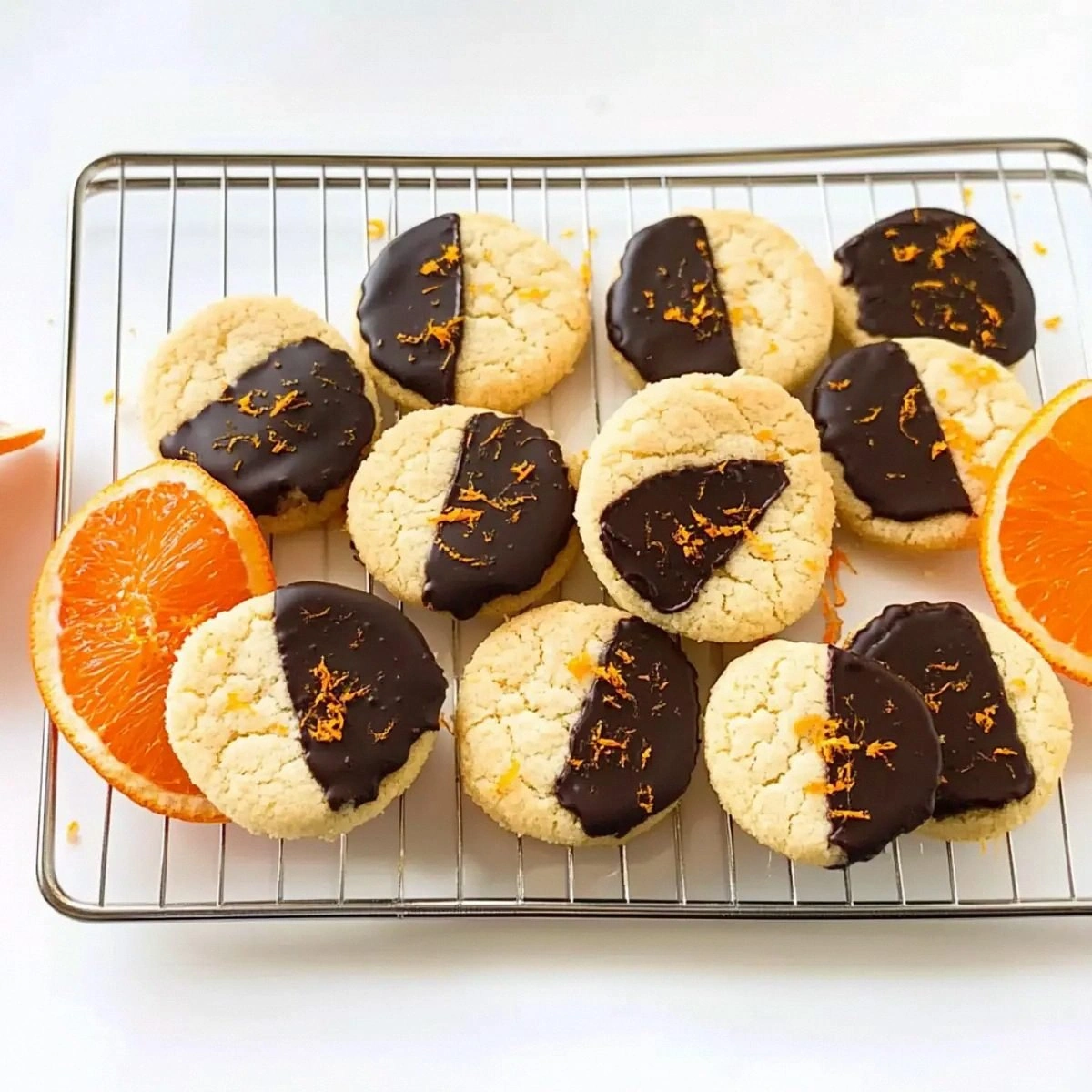
The moment the chocolate hit the warm shortbread, it was like a velvet curtain dropping over a stage of citrus fireworks. The orange zest sang bright, zesty notes that cut through the richness of the dark chocolate, while the shortbread itself crumbled with a buttery melt‑in‑your‑mouth texture that could coax a smile from the grumpiest of grandmas. You can almost hear the faint crackle of the crust as you bite, feel the smooth melt of chocolate on your tongue, and smell the sweet perfume of orange swirling with cocoa. That sensory overload is why I call this the ultimate “sweet moment” cookie — it’s a full‑on, multi‑sense celebration that turns a simple snack into an event.
Most recipes for orange shortbread either drown the fruit in sugar or forget the chocolate entirely, leaving you with a bland, one‑dimensional treat. Here’s what makes this version stand out: a precise balance of 3/4 cup granulated sugar that sweetens without overwhelming, fresh orange zest that brings a burst of sunshine, and a dark‑chocolate dip that coats each cookie like a glossy, indulgent armor. I dare you to taste this and not go back for seconds; the contrast between the crisp shortbread and the silky chocolate is pure, unapologetic bliss. And the secret? A pinch of orange extract that amplifies the zest, turning a simple flavor into a bold, unforgettable experience.
Let me walk you through every single step — by the end, you’ll wonder how you ever made shortbread any other way. Okay, ready for the game‑changer? This next part? Pure magic. Stay with me here — this is worth it.
What Makes This Version Stand Out
- Taste: The combination of bright orange zest and deep dark chocolate creates a flavor duet that sings on the palate, balancing sweet, bitter, and citrusy notes in perfect harmony.
- Texture: A buttery, crumbly shortbread base meets a glossy, snap‑ready chocolate coating, delivering a satisfying crunch that shatters like thin ice.
- Simplicity: Only seven ingredients, all pantry‑friendly, mean you can whip up a batch in under an hour without a grocery run.
- Uniqueness: Most orange shortbread recipes skip the chocolate or use milk chocolate; this one embraces dark or semi‑sweet chocolate for a sophisticated edge.
- Crowd Reaction: These cookies become the star of any gathering — guests will line up, and you’ll hear the delighted “Mmm” chorus before the first bite.
- Ingredient Quality: Using fresh orange zest and high‑quality dark chocolate elevates the humble shortbread to gourmet status.
- Cooking Method: The dough is chilled before baking, ensuring a tender crumb that doesn’t spread too thin, while the dip is tempered for a perfect snap.
- Make‑Ahead Potential: Bake the cookies ahead of time, dip them later, and store for up to a week; they stay fresh and delicious.
Alright, let's break down exactly what goes into this masterpiece...
Inside the Ingredient List
The Flavor Base
Granulated sugar (3/4 cup) does more than just sweeten; it helps create that delicate, melt‑in‑your‑mouth crumb by interacting with the butter’s fat. If you cut the sugar in half, the cookies will feel flat and lack that subtle caramelized edge. For a deeper flavor, try a mix of half white and half brown sugar, but expect a slightly chewier texture.
The Zesty Crew
Orange zest (zest of 1 orange) is the hero here. It injects bright citrus oils that cut through the richness of the butter and chocolate. Skipping the zest and relying only on orange extract will give you a muted aroma; the fresh zest is irreplaceable. If you’re out of oranges, try a teaspoon of finely grated lemon zest for a different but still vibrant twist.
The Texture Crew
All‑purpose flour (1 ½ cups) provides the structure that holds the butter and sugar together, giving the shortbread its characteristic crumbly yet sturdy feel. Using cake flour will make the cookies too tender and prone to crumbling, while bread flour will make them too dense. For a gluten‑free version, substitute with a 1:1 blend of rice flour and tapioca starch, but expect a slightly different mouthfeel.
Unsalted butter (1 cup, softened) is the star of the shortbread. Its fat content creates that melt‑in‑your‑mouth sensation and carries the flavor of the zest. Make sure the butter is at room temperature, not melted, to avoid a greasy dough. If you prefer a richer flavor, use European‑style butter with a higher butterfat percentage.
The Final Flourish
Salt (¼ teaspoon) is tiny but mighty; it accentuates the sweetness and balances the bitterness of the chocolate. Skipping it will make the cookies taste one‑dimensional. Orange extract (1 teaspoon) amplifies the zest, ensuring the citrus note shines through even after the chocolate coating. Dark or semi‑sweet chocolate (8 oz) forms the glossy armor; choose a chocolate with at least 60% cacao for a robust flavor without being overly bitter.
Everything's prepped? Good. Let's get into the real action...
The Method — Step by Step
-
First, whisk together the flour, granulated sugar, and salt in a large bowl. As you stir, you’ll notice the mixture turning a pale, sandy hue — that’s the sign it’s ready for the butter. Cut the softened butter into small cubes and add them to the dry ingredients. Using a pastry cutter or your fingertips, rub the butter into the flour until the mixture resembles coarse crumbs, with some pea‑size pieces of butter still visible. This step is crucial; those butter pockets will melt in the oven, creating that coveted shortbread tenderness.
Kitchen Hack: Chill the butter cubes for 10 minutes before cutting; colder butter yields flakier crumbs. -
Now, add the orange zest and orange extract to the bowl. The zest should be finely grated; if you feel any large shreds, give them another quick pass through the grater. Mix everything together until the dough starts to come together in a shaggy ball. At this point, the dough will feel slightly sticky — that’s normal. Wrap the dough in plastic wrap and refrigerate for at least 30 minutes; this rest period relaxes the gluten and firms up the butter, preventing spreading during baking.
-
Preheat your oven to 350°F (175°C) and line a baking sheet with parchment paper. While the oven heats, roll the chilled dough on a lightly floured surface to about ¼‑inch thickness. Use a cookie cutter (a classic round 2‑inch works beautifully) to cut out shapes. Place the cookies on the prepared sheet, spacing them about an inch apart. The dough may crack at the edges; simply press the cracks gently with a fingertip — they’ll seal during baking.
Watch Out: Over‑rolling makes the cookies too thin and prone to burning; keep the thickness consistent. -
Slide the tray into the oven and bake for 12‑15 minutes, or until the edges turn a pale golden hue and you can smell a faint buttery nuttiness. The tops should stay pale; you’re looking for a subtle color change, not a deep brown. When you pull them out, let the cookies cool on the sheet for 5 minutes; they’ll continue to set as they firm up.
That sizzle when it hits the pan? Absolute perfection. The aroma at this stage is enough to make anyone wander into your kitchen.
-
While the cookies finish cooling, melt the dark chocolate. Place the chocolate in a heat‑proof bowl over a pot of simmering water (a double boiler) and stir gently. Once smooth and glossy, remove from heat and let it sit for a minute to thicken slightly — this prevents the chocolate from running off the cookies too quickly.
Kitchen Hack: Add a teaspoon of coconut oil to the chocolate for a shinier finish and easier dipping. -
Now for the fun part: dip each cookie halfway into the chocolate. Hold the cookie by the tip, let any excess chocolate drip back into the bowl, and place the dipped cookies on a parchment‑lined tray. The chocolate should coat the surface in a thin, even layer that glistens like a sunrise. If you notice streaks, gently tap the cookie against the side of the bowl to smooth them out.
This is the moment of truth — the contrast between the buttery shortbread and the glossy chocolate is what makes these cookies unforgettable.
-
Allow the chocolate to set at room temperature for about 20‑30 minutes. If you’re in a humid climate, pop the tray into the fridge for 10 minutes to speed up the hardening. Once set, give the cookies a quick snap test: the chocolate should break cleanly, not bend.
Picture yourself pulling this out of the oven, the whole kitchen smelling incredible, and then seeing those cookies glisten under the light — pure bliss.
-
Transfer the finished cookies to an airtight container. Store at room temperature for up to a week, or freeze for longer storage. When you’re ready to serve, let them sit out for a few minutes to bring the chocolate back to a perfect snap. And there you have it — a batch of chocolate‑dipped orange shortbread that will have everyone begging for the recipe.
That's it — you did it. But hold on, I've got a few more tricks that'll take this to another level...
Insider Tricks for Flawless Results
The Temperature Rule Nobody Follows
Never bake shortbread with cold dough straight from the fridge; let it sit at room temperature for 10 minutes before it hits the oven. This small pause lets the butter soften just enough to spread evenly, ensuring a uniform crumb. I once tried skipping this step, and the cookies came out with a weird “pancake” texture — a disaster I won’t repeat.
Why Your Nose Knows Best
Trust the aroma, not the clock. When the edges start to turn a light golden brown and you catch a buttery, toasted scent, the cookies are ready. Over‑baking turns the delicate shortbread into a dry, crumbly mess. I’ve learned to set a timer for 12 minutes, then check the smell at 10 minutes — if the kitchen smells like a bakery, pull them out.
The 5‑Minute Rest That Changes Everything
After baking, let the cookies rest on the baking sheet for exactly five minutes before transferring them to a wire rack. This short rest allows the steam inside to redistribute, preventing the cookies from cracking. Skipping this step often leads to a cracked surface that makes chocolate dipping messy.
Chocolate Tempering Made Easy
If you don’t have a tempering machine, you can still achieve a glossy finish. Melt two‑thirds of the chocolate, then stir in the remaining third off the heat until smooth. This “seeding” method creates stable crystals, giving the chocolate that snap you love. The trick is to keep stirring gently; vigorous mixing can introduce air bubbles.
Storage Secrets for Maximum Freshness
Layer the cookies between sheets of parchment paper when storing. This prevents them from sticking together and keeps the chocolate coating pristine. For longer storage, freeze the cookies in a zip‑top bag; they’ll stay fresh for up to three months. When you’re ready to serve, let them thaw at room temperature for 15 minutes — no microwave needed.
Creative Twists and Variations
This recipe is a playground. Here are some of my favorite ways to switch things up:
Spiced Orange
Add a pinch of ground cinnamon and a dash of nutmeg to the dough for a warm, holiday‑ready flavor. The spices deepen the orange’s brightness and pair beautifully with the dark chocolate.
Almond Crunch
Stir in ¼ cup finely chopped toasted almonds into the shortbread mixture before baking. The nuts add a pleasant crunch that contrasts the smooth chocolate coating.
White Chocolate Dip
Swap the dark chocolate for high‑quality white chocolate and sprinkle a few orange zest curls on top. The sweet, creamy dip turns the cookies into a dessert fit for a summer garden party.
Salted Caramel Drizzle
After the chocolate sets, drizzle a thin line of salted caramel sauce over each cookie. The salty‑sweet combination elevates the flavor profile to a gourmet level.
Mini Bite‑Size
Use a smaller cookie cutter (about 1 inch) to create bite‑size versions. Perfect for cocktail parties or as a garnish for ice cream.
Storing and Bringing It Back to Life
Fridge Storage
Place the cookies in an airtight container and store them in the refrigerator for up to a week. The cool environment keeps the chocolate from blooming and preserves the buttery crumb.
Freezer Friendly
Layer cookies between parchment sheets, seal them in a freezer‑safe bag, and freeze for up to three months. When you’re ready to enjoy them, transfer to the fridge for an hour, then let sit at room temperature for 15 minutes before serving.
Best Reheating Method
To revive the soft interior and glossy chocolate, place the cookies on a microwave‑safe plate, add a tiny splash (about a teaspoon) of water to the plate, and heat for 10‑12 seconds. The steam gently warms the cookie, while the chocolate retains its snap.