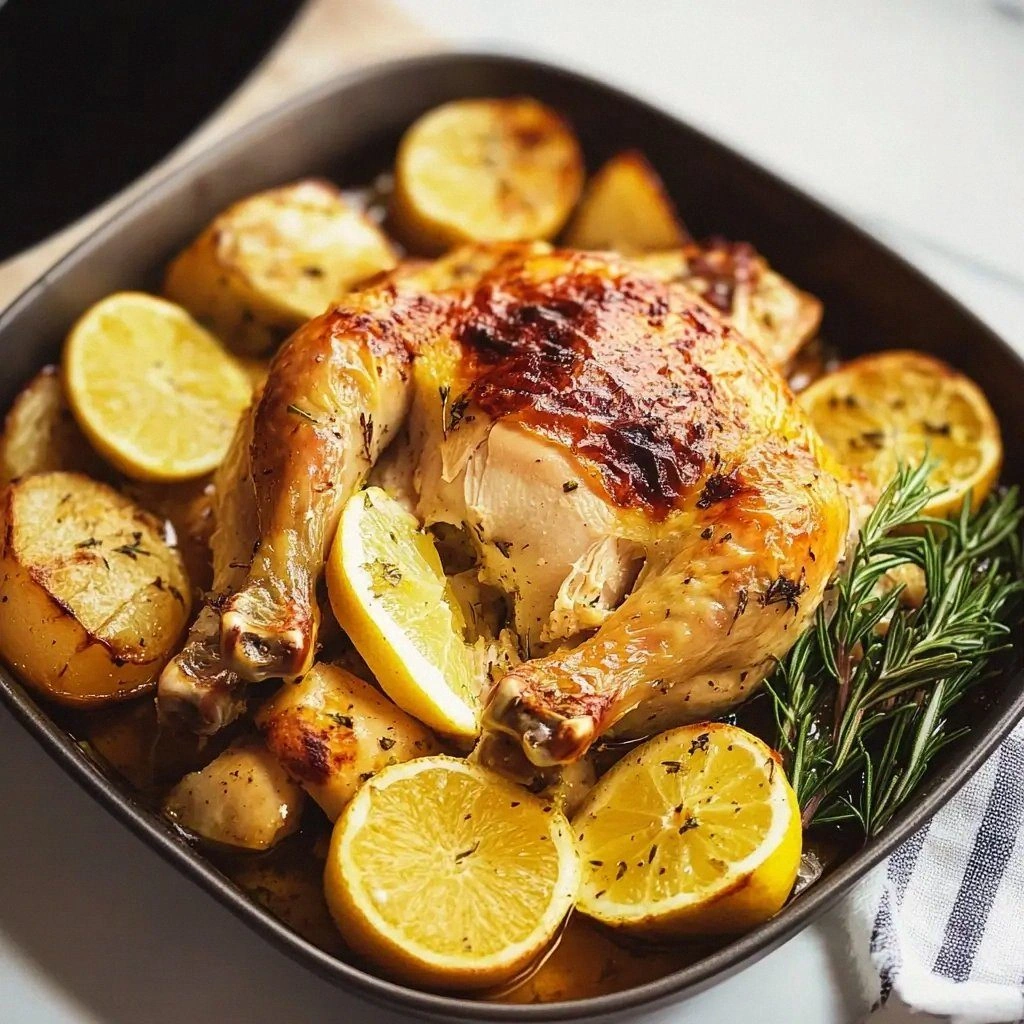
When the kitchen lights flickered and the oven door slammed shut, I realized that the only thing standing between me and culinary mediocrity was a single, daring idea. I had been staring at a bland, store‑bought roast chicken that smelled like a forgotten pantry, and the urge to transform it into something unforgettable was stronger than my fear of failure. I decided to inject citrus brightness, aromatic herbs, and a whisper of honey into the mix, turning the ordinary into a showstopper that would make even the most seasoned foodie swoon. The aroma alone—zesty lemon, warm rosemary, and the faint sweetness of honey—promised a sensory fireworks display that would leave the whole house humming. By the end of this post, you’ll understand why this version is not just a recipe, but a revelation.
Picture yourself standing in a sun‑lit kitchen, the scent of fresh herbs drifting in from the cutting board, the sound of a sizzling pan echoing off the walls. The anticipation builds as you imagine the golden crust forming on the chicken, the juices bubbling with citrus zest and garlic. You can almost taste the first bite—juicy, tender meat kissed by a tangy glaze that’s both sweet and savory. The dish isn’t just a meal; it’s an experience that turns an ordinary dinner into a celebration of flavor. Trust me, the moment you taste the first bite, you’ll swear you’ve discovered the secret to the world’s best roast chicken.
What makes this recipe stand out isn’t just the ingredients; it’s the way they work together to create a harmony of textures and flavors that dance on the palate. The bright citrus cuts through the richness of the chicken, while the herbs add depth and a subtle earthiness that lingers long after the last morsel. The honey glaze caramelizes to a glossy, slightly crunchy finish that feels like a gentle kiss of sunshine. Even the vegetables—carrots, potatoes, Brussels sprouts—absorb the same aromatic medley, turning simple sides into accompaniments that deserve center stage. If you’ve ever wondered how to elevate a humble roast into a dish that feels both comforting and sophisticated, the answer lies in this recipe’s clever balance.
I dare you to taste this and not go back for seconds. The blend of citrus, herbs, and honey creates a flavor profile that’s impossible to ignore, and the crisp, caramelized crust will have you reaching for more. Most recipes get this completely wrong, using bland seasoning or over‑roasting the chicken until it’s dry. Here, the technique ensures juicy meat with a tender interior and a skin that’s crisp, buttery, and bursting with citrus. Picture yourself pulling this out of the oven, the whole kitchen smelling incredible, and everyone rushing to the table because the aroma alone is enough to convince them that dinner is ready. Let me walk you through every single step—by the end, you’ll wonder how you ever made it any other way.
What Makes This Version Stand Out
- Flavor: The combination of lemon, orange, and honey creates a bright, caramelized glaze that sets this roast apart from traditional savory roasts. It’s a burst of sunshine on every bite.
- Texture: The careful balance of roasting time and heat ensures a skin that’s crisp yet flaky, while the interior remains moist and tender. No more dry, rubbery chicken.
- Simplicity: With only a handful of fresh ingredients, you can achieve a gourmet result without a trip to the specialty store. Fresh herbs and citrus are all you need.
- Uniqueness: The subtle infusion of Dijon mustard and fresh oregano adds an unexpected depth that elevates the dish into a memorable centerpiece.
- Crowd Reaction: Guests often remark that the dish feels like a holiday feast, even on an ordinary weekday. It’s the kind of meal that turns a simple dinner into a gathering.
- Ingredient Quality: Using a whole, fresh chicken and fresh herbs guarantees a flavor that canned or pre‑seasoned options can’t match. Quality matters.
- Cooking Method: The searing step followed by a slow roast locks in juices and develops a caramelized crust, a technique that even seasoned cooks sometimes overlook.
- Make‑Ahead Potential: The glaze can be prepared in advance, and the roast can be cooked a few hours early, letting you focus on the rest of the meal.
Alright, let’s break down exactly what goes into this masterpiece…
Inside the Ingredient List
The Flavor Base
The whole chicken is the star of the show; its size determines the amount of juices and the roasting time. A 4‑pound bird is perfect for four servings, giving each person a generous portion of tender meat. If you prefer a smaller bird, adjust the cooking time accordingly to avoid over‑cooking. Fresh lemons and oranges not only add brightness but also help tenderize the meat through natural acids. A splash of citrus juice before roasting infuses the skin with a subtle, aromatic glaze that melts into the meat as it cooks.
The Texture Crew
Baby carrots, potatoes, and Brussels sprouts are chosen for their ability to absorb the citrus‑herb mixture, turning simple sides into flavorful accompaniments. The carrots hold their shape, providing a sweet crunch that contrasts with the savory roast. Potatoes become fluffy and golden, offering a comforting starch that balances the dish. Brussels sprouts, when roasted, develop a slight char that adds a smoky note, complementing the citrus undertones. Skipping any of these veggies will reduce the dish’s visual appeal and overall flavor complexity.
The Unexpected Star
Honey, Dijon mustard, and fresh oregano create a glaze that caramelizes into a glossy, slightly crunchy crust. Honey’s natural sugars caramelize when exposed to heat, producing a sweet, buttery finish that pairs beautifully with the savory herbs. Dijon mustard adds a subtle piquancy that cuts through the richness, while oregano brings an earthy, slightly peppery note that ties everything together. If you’re vegan or allergic to honey, a maple syrup or agave nectar can be used as a substitute, but the flavor profile will shift slightly.
The Final Flourish
Butter, fresh parsley, and a final squeeze of lemon zest finish the dish with a burst of freshness. Butter melts into the chicken, adding a silky richness that coats the meat. Parsley provides a bright, herbal note that brightens the plate and adds color. Lemon zest adds a fragrant, citrusy aroma that lingers, making the dish feel fresh and alive. Skipping these final touches will make the dish feel flat and incomplete, as if it’s missing its signature flourish.
Everything’s prepped? Good. Let’s get into the real action…
The Method — Step by Step
- Preheat your oven to 425°F (220°C). Pat the whole chicken dry with paper towels; this step is crucial for a crisp skin. Season the cavity with salt, pepper, and a few cloves of garlic. Let the chicken rest for 10 minutes so the flavors penetrate the meat.
- In a small bowl, whisk together olive oil, lemon zest, orange zest, chopped rosemary, thyme, oregano, honey, Dijon mustard, and a pinch of salt. This mixture will become the flavorful glaze that coats the chicken. Spread the glaze all over the bird, making sure to reach under the skin for maximum flavor.
- Arrange the carrots, potatoes, and Brussels sprouts around the chicken in a single layer on a large roasting pan. Drizzle a splash of chicken broth over the vegetables to keep them moist during roasting. The broth also adds a subtle savory depth to the dish.
- Place the roasting pan in the preheated oven and roast for 20 minutes at 425°F to develop a golden crust. After 20 minutes, reduce the oven temperature to 375°F (190°C) and continue roasting for another 45–50 minutes, or until the internal temperature reaches 165°F (74°C).
- Halfway through the second phase, baste the chicken with the pan juices every 15 minutes to keep the skin moist and flavorful. This step ensures a caramelized glaze that’s both sweet and savory. Watch the glaze; it should darken but not burn.
- When the chicken is done, remove it from the oven and let it rest for 10–15 minutes on a cutting board. Resting allows the juices to redistribute, ensuring every bite is moist and succulent. The vegetables will finish cooking during this time, absorbing the final flavors.
- Carve the chicken, plate the roasted vegetables, and drizzle any remaining glaze over the top. Sprinkle chopped parsley for a fresh burst of color and aroma. The final presentation should look as stunning as it tastes.
- Serve immediately, and watch your guests marvel at the bright, aromatic roast. The combination of citrus, herbs, and honey will leave everyone asking for seconds. Enjoy the applause and the compliments that follow.
That’s it — you did it. But hold on, I've got a few more tricks that'll take this to another level…
Insider Tricks for Flawless Results
The Temperature Rule Nobody Follows
Many cooks rely on visual cues alone, but a thermometer is the secret to juicy chicken. Insert it into the thickest part of the thigh; 165°F is the sweet spot. If you stop too early, the juices stay trapped inside, creating a dry exterior. If you overdo it, the meat turns rubbery. Trust the thermometer, and you’ll always hit that perfect balance.
Why Your Nose Knows Best
As the chicken roasts, the aroma evolves from citrusy to caramelized. When the scent becomes sweet and slightly smoky, that’s the cue to lower the heat. Your nose can tell you when the glaze is ready to set, saving you from a burnt finish. It’s a sensory shortcut that even seasoned chefs swear by.
The 5-Minute Rest That Changes Everything
Resting is more than tradition; it’s science. During the rest period, the muscle fibers relax, allowing the juices to redistribute. Skipping this step will leave you with unevenly juicy bites. Even a quick 5‑minute rest can make the difference between good and great.
Let the Vegetables Shine
Roasting the veggies in the same pan as the chicken gives them a caramelized flavor that mirrors the meat. Keep them in a single layer to ensure even cooking. Toss them halfway through to get that perfect char. The result is a side dish that’s as impressive as the main course.
Finish With Fresh Herbs
Adding fresh parsley or cilantro right before serving brightens the dish and adds a layer of freshness. It also provides a pop of color that makes the plate look more inviting. A sprinkle of microgreens can elevate the presentation to restaurant‑level.
Creative Twists and Variations
Smoky BBQ Twist
Swap the honey glaze for a smoky BBQ sauce and add a splash of smoked paprika. The result is a bold, finger‑licking flavor that pairs well with cornbread. This version is perfect for summer cookouts and casual gatherings. The smoky undertones complement the citrus, creating a balanced taste profile.
Herb‑Infused Olive Oil Drizzle
Create a quick herb oil by blending olive oil with fresh rosemary, thyme, and oregano. Drizzle it over the chicken after roasting for a fresh, aromatic finish. The oil adds a silky texture that enhances the overall mouthfeel. This variation is ideal for a lighter, Mediterranean‑inspired meal.
Spicy Citrus Kick
Add a pinch of cayenne pepper or a sliced jalapeño to the glaze for a subtle heat. The citrus will balance the spice, preventing it from overpowering the dish. This version is great for those who love a bit of flavor punch. The heat adds a new dimension to the classic roast.
Roasted Root Vegetable Medley
Replace the standard veggies with a mix of sweet potatoes, parsnips, and beets. Their natural sweetness will complement the citrus glaze beautifully. Roast them with the chicken for a cohesive flavor profile. This variation offers a vibrant, colorful plate that’s as nutritious as it is delicious.
One‑Pan Lemon Herb Chicken with Rice
Add a cup of uncooked rice to the pan and pour a splash of chicken broth. The rice will absorb the savory juices, creating a one‑pan meal. The lemon and herbs will give the rice a bright, aromatic flavor. This variation is perfect for busy weeknights.
Storing and Bringing It Back to Life
Fridge Storage
Cool the roast to room temperature before refrigerating. Store in an airtight container for up to 3 days. The juices will keep the chicken moist, and the flavors will deepen over time. Label the container with the date for easy reference.
Freezer Friendly
Wrap the chicken tightly in foil and place it in a freezer bag. It can be stored for up to 3 months. Thaw overnight in the fridge before reheating. The freezer preserves the crispness of the skin when reheated properly.
Best Reheating Method
Preheat the oven to 350°F (175°C). Place the chicken on a baking sheet and cover loosely with foil. Heat for 15–20 minutes, or until the internal temperature reaches 165°F. Add a splash of water before reheating to keep the meat from drying out. The result is a juicy, flavorful roast that tastes almost fresh.