I was standing in my kitchen, staring at the burnt toast on my counter, and I swear I heard my pantry whisper, “You need a cake.” That moment was a culinary wake‑up call that pushed me to dig into my pantry and create the most unapologetically tropical dessert I’ve ever made. The aroma of toasted coconut and vanilla filled the air, and the sound of the mixer whirring felt like a drumbeat of anticipation. The texture of the batter was silky, the color a golden‑brown promise of sweetness. It was a moment of pure, unfiltered joy that made me realize I had stumbled upon a recipe that deserves to be shared with the world.
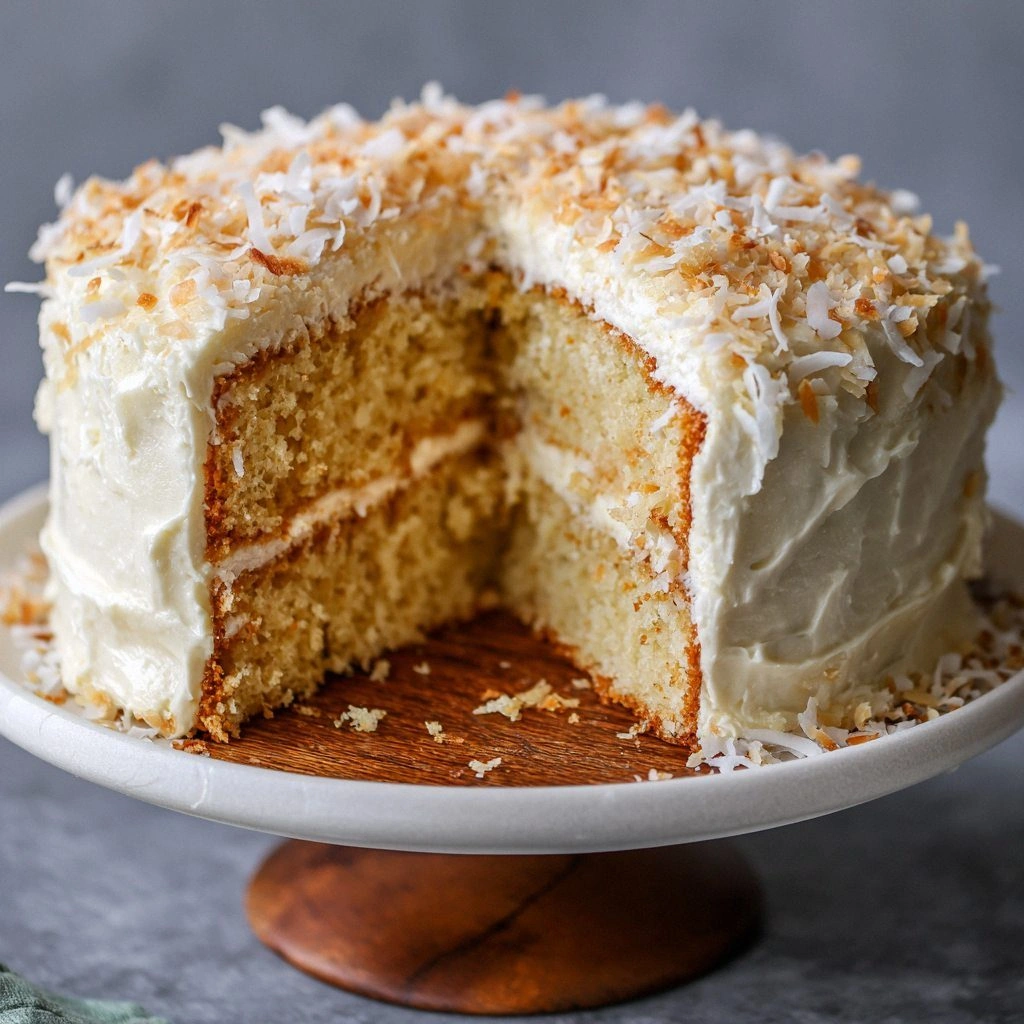
Picture yourself pulling this cake out of the oven, the whole kitchen smelling incredible, and your guests’ eyes widening at the glossy, frosted surface. I dare you to taste this and not go back for seconds; the frosting is creamy enough to melt in your mouth, while the cake’s airy crumb keeps you coming back for more. Most recipes get this completely wrong by overmixing or using the wrong kind of coconut, but here we strike the perfect balance between moistness and structure. If you’ve ever struggled with a cake that turns out dense or too sweet, you’re not alone — and I’ve got the fix. This is hands down the best version you’ll ever make at home.
The secret behind this masterpiece isn’t just the ingredients; it’s the technique. The batter is folded, not beaten, to preserve the delicate air pockets that give the cake its lightness. The frosting is a luscious blend of cream cheese and butter, which adds a tangy counterpoint to the sweet coconut. The coconut itself is toasted to bring out a nutty depth that can’t be achieved with raw shredded coconut. The result? A cake that feels like a tropical vacation in a bite.
But I’m not just talking about the end product; I’m also going to give you the step‑by‑step playbook that turns your kitchen into a coconut paradise. Stay with me here — this is worth it. By the end, you’ll wonder how you ever made it any other way.
What Makes This Version Stand Out
- Flavor: The toasted coconut gives a deep, nutty aroma that elevates the entire cake, turning a simple dessert into a tropical escape.
- Texture: The batter’s gentle folding keeps it airy, so every bite feels like a cloud of sweetness.
- Balance: Cream cheese frosting brings a subtle tang that cuts through the sugar, preventing the cake from feeling cloying.
- Ease: All steps are straightforward; you can whip this up in 45 minutes even if you’re a beginner.
- Versatility: The base recipe adapts beautifully to variations—add a splash of rum, swap coconut milk for almond milk, or top with toasted coconut flakes.
- Make‑ahead: The cake can be assembled and frosted a day early; it stays fresh and moist, making it perfect for parties.
- Visual Appeal: The glossy frosting and golden crust create a stunning centerpiece that looks as good as it tastes.
- Ingredient Quality: Using organic coconut milk and real vanilla extract elevates flavor and ensures a clean finish.
Inside the Ingredient List
The Flavor Base
All‑purpose flour: 2 cups of plain flour provide the structure. It’s the backbone that keeps the cake from collapsing. If you prefer a lighter crumb, try substituting half of the flour with cake flour. Skipping flour will turn your cake into a dense pudding.
Granulated sugar: 1.5 cups of sugar sweeten the batter and caramelize during baking for a golden crust. A pinch of brown sugar can add a subtle molasses note. If you’re watching calories, you can reduce the sugar by a quarter, but be prepared for a slightly less moist result.
Baking powder and soda: 2 teaspoons of baking powder and 1 teaspoon of baking soda lift the cake and give it that light rise. These leavening agents work together; using only one will leave your cake flat. Keep them fresh—old leaveners can cause a bitter taste.
Salt: 0.5 teaspoon of salt balances sweetness and enhances flavor. Skipping it can make the cake taste flat. If you’re on a sodium‑restricted diet, use a low‑sodium baking soda instead.
The Texture Crew
Unsweetened shredded coconut: 1 cup of toasted coconut adds crunch and depth. Toasting brings out a nutty aroma that raw coconut can’t match. If you’re vegan, look for a plant‑based coconut milk to keep the recipe fully plant‑based.
Coconut milk: 1 cup of unsweetened coconut milk provides moisture and a subtle coconut flavor. Whole‑milk coconut gives a richer taste; light coconut milk offers a lighter texture. If you’re lactose intolerant, coconut milk is naturally dairy‑free.
Coconut oil: 0.5 cup of melted coconut oil adds fat for tenderness and a hint of coconut flavor. Substitute with butter for a richer taste, or use neutral oil for a subtler profile. Coconut oil also helps keep the cake moist for a longer period.
The Unexpected Star
Vanilla extract: 2 teaspoons of pure vanilla extract lifts the entire flavor profile. A splash of almond extract can add an extra layer of complexity. If you’re allergic to vanilla, try using a dash of vanilla bean paste for a more intense aroma.
Eggs: 3 large eggs bind the batter and add richness. If you need a vegan version, replace each egg with a flaxseed egg (1 tablespoon ground flaxseed + 3 tablespoons water). Eggs also help the cake rise evenly.
The Final Flourish
Cream cheese: 8 ounces of softened cream cheese gives the frosting a silky, tangy texture. Use full‑fat cream cheese for a richer finish; low‑fat will result in a thinner frosting. If you’re lactose intolerant, look for a dairy‑free cream cheese alternative.
Unsalted butter: 0.5 cup of softened butter adds creaminess to the frosting and balances the tang of the cream cheese. Butter also helps the frosting set properly. Substitute with coconut oil for a dairy‑free frosting.
Powdered sugar: 1.5 cups of powdered sugar gives the frosting its smooth, sweet finish. Use superfine sugar for an even smoother frosting. If you prefer a less sweet frosting, reduce the quantity by a quarter.
Lemon zest: 1 teaspoon of fresh lemon zest brightens the frosting with a citrusy lift. It also adds a subtle contrast to the coconut flavor. If you don’t have fresh lemons, a pinch of dried lemon zest works as a backup.
Water: 1 tablespoon of water helps thin the frosting to the perfect consistency. It also prevents the frosting from becoming too thick and difficult to spread. If the frosting is too runny, add a tablespoon more powdered sugar.
Everything's prepped? Good. Let's get into the real action.
The Method — Step by Step
- Preheat and Prep: Set your oven to 350°F (175°C) and line two 8‑inch round cake pans with parchment paper. Grease the pans lightly with coconut oil or butter and dust them with flour, tapping out any excess. This prevents sticking and gives the cake a clean release. Let the pans sit while you gather the dry ingredients.
- Dry Mix: In a large bowl, whisk together flour, sugar, baking powder, baking soda, and salt until well combined. The mixture should look like fine sand with a few lumps. This step ensures even distribution of leavening agents. A well‑mixed dry base is key to a consistent rise.
- Wet Blend: In a separate bowl, combine coconut milk, melted coconut oil, vanilla extract, and eggs. Beat with a hand mixer or whisk until the mixture is smooth and slightly frothy. The eggs should be fully incorporated, creating a glossy liquid that will bind the batter.
- Combine: Pour the wet mixture into the dry ingredients and fold gently with a silicone spatula. Use a light, circular motion, lifting the batter from the bottom of the bowl and folding it back over itself. Avoid overmixing; a few streaks are fine. This preserves the air pockets that give the cake its lightness.
- Stir in Coconut: Fold in the toasted shredded coconut until evenly distributed. The coconut adds texture and flavor, so make sure no clumps remain. If you prefer a chunkier cake, leave a small amount of coconut unincorporated for a surprise bite.
- Pour and Level: Divide the batter evenly between the two prepared pans. Smooth the tops with a spatula, ensuring an even surface. Tap the pans gently on the counter to release any air bubbles. This step prevents domed tops and ensures a uniform rise.
- Bake: Place the pans in the preheated oven and bake for 25–30 minutes, or until a toothpick inserted in the center comes out clean. The tops should be golden brown and slightly firm to the touch. Avoid opening the oven door early; the sudden temperature drop can cause the cake to sink.
- Cool: Remove the cakes from the oven and let them cool in the pans for 10 minutes. Then transfer them to a wire rack to cool completely. This prevents condensation from turning the bottom of the cake soggy. While cooling, you can start the frosting—time is precious.
- Make Frosting: In a mixing bowl, beat softened butter and cream cheese together until light and fluffy. Gradually add powdered sugar and lemon zest, mixing until smooth. Fold in a tablespoon of water to achieve a spreadable consistency. The frosting should be thick enough to hold its shape but not too stiff.
- Assemble: Place one cake layer on a serving plate. Spread a generous layer of frosting over the top, then place the second layer on top. Use the remaining frosting to cover the sides and top of the cake, smoothing with a spatula. Chill the finished cake for at least 30 minutes to set the frosting before serving.
That's it — you did it. But hold on, I've got a few more tricks that'll take this to another level.
Insider Tricks for Flawless Results
The Temperature Rule Nobody Follows
Many bakers bake at a higher temperature to speed up the process, but this can cause the cake to rise too quickly and then collapse. Keep the oven at 350°F and use an oven thermometer to ensure accuracy. A temperature variance of even 10°F can make a noticeable difference in moisture and rise.
Why Your Nose Knows Best
As the batter bakes, the scent of toasted coconut will drift through the kitchen. Trust that aroma as a cue for doneness; when the smell becomes rich and caramelized, the cake is likely done. This sensory checkpoint saves you from overbaking.
The 5‑Minute Rest That Changes Everything
After removing the cake from the oven, let it sit in the pan for 5 minutes before transferring it to a rack. This brief rest allows the structure to set, preventing the cake from shifting or cracking. Skipping this step can result in a slightly uneven top.
Let the Frosting Set Overnight
If you have time, refrigerate the frosted cake for a few hours or overnight. The frosting will firm up, making slicing easier and preventing a runny mess. When you’re ready to serve, let it sit at room temperature for 10 minutes to soften slightly.
Use a Silicone Spatula for Folding
A silicone spatula is gentle on the batter and helps maintain the airy texture. It also allows you to scrape the sides of the bowl cleanly, ensuring no dry bits remain. This small tool can make a big difference in the final crumb.
Keep the Pans Clean
If you’re baking multiple cakes, clean the pans between batches to avoid cross‑flavor contamination. A quick rinse with hot water and a few drops of dish soap will keep the pans ready for the next batch.
Creative Twists and Variations
This recipe is a playground. Here are some of my favorite ways to switch things up:
Rum‑Infused Coconut Cake
Add 2 tablespoons of dark rum to the wet mixture for a boozy twist. The rum complements the coconut flavor and adds a subtle depth. Serve with a splash of rum on top for an extra kick.
Almond‑Coconut Layer
Replace half the flour with almond flour for a nutty undertone. Add 1 cup of toasted almond slivers to the batter for crunch. This version pairs well with a drizzle of almond butter on the frosting.
Chocolate Coconut Swirl
Fold in 1/4 cup of melted dark chocolate into the batter before baking. The chocolate creates a marbled effect and satisfies chocolate cravings. Keep the frosting plain to let the chocolate shine.
Fresh Berry Finish
Top the finished cake with fresh berries like strawberries, blueberries, or raspberries. The tartness of the berries balances the sweetness and adds a pop of color. A drizzle of honey enhances the natural fruit flavor.
Spiced Coconut Cake
Add 1 teaspoon of ground cinnamon and 1/2 teaspoon of ground ginger to the dry mix. The spices bring warmth and depth, making the cake perfect for autumn gatherings. Pair with a dollop of whipped cream.
Vegan Coconut Cake
Swap eggs for flaxseed eggs and use dairy‑free butter and cream cheese. The texture remains light and fluffy, and the flavor profile stays true. This version is suitable for vegans and lactose‑intolerant friends.
Storing and Bringing It Back to Life
Fridge Storage
Store the frosted cake in an airtight container in the refrigerator for up to 3 days. The frosting will firm up slightly, so let it sit at room temperature for 15 minutes before slicing. This keeps the cake moist and ready to serve.
Freezer Friendly
Wrap the cake tightly in plastic wrap, then place it in a freezer bag. It can be frozen for up to 2 months. Thaw overnight in the fridge, then let it sit at room temperature for 30 minutes before serving.
Best Reheating Method
If the cake has been frozen, reheat it in a preheated oven at 300°F for 10 minutes to restore moisture. Add a splash of water to the bottom of the pan to create steam, which keeps the cake from drying out. Avoid microwaving, as it can make the frosting soggy.