Love this? Pin it for later! 📌
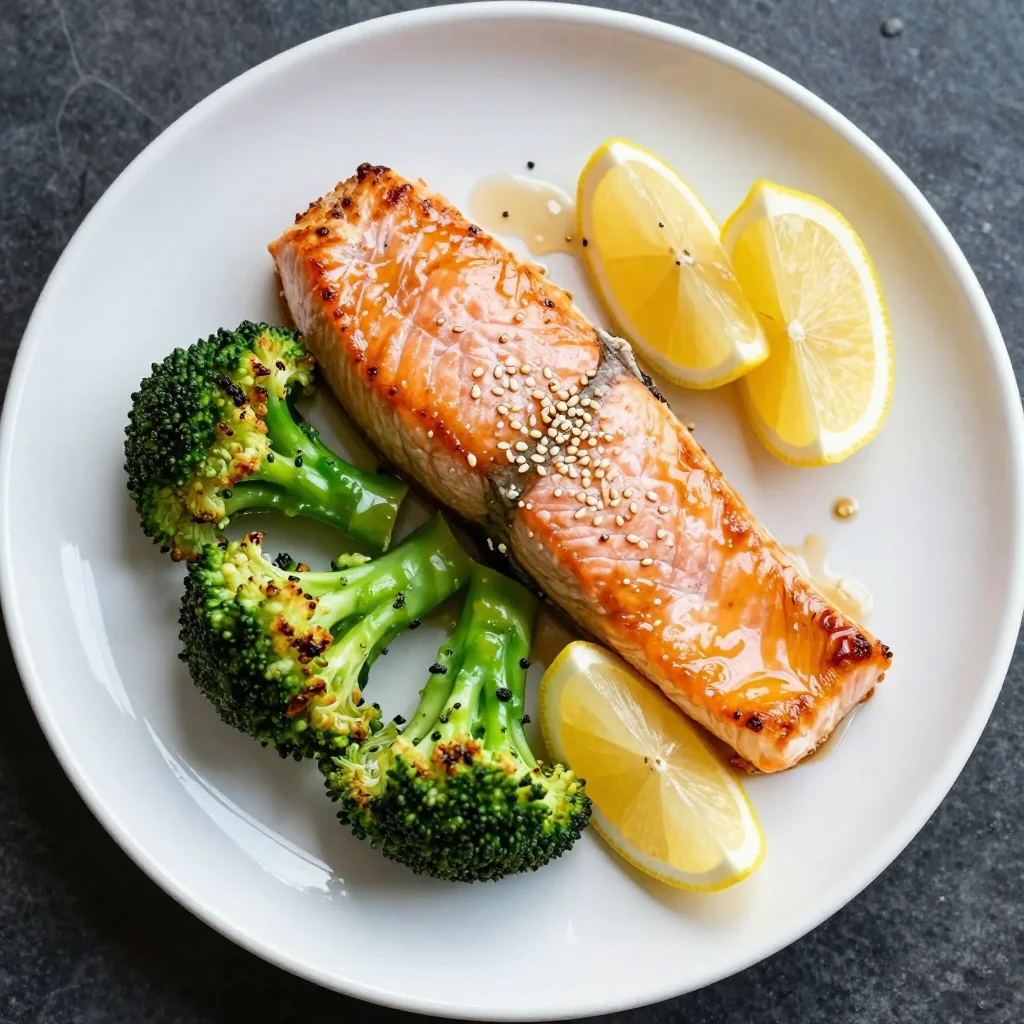
After fifteen years of week-night cooking for a protein-hungry family, I have learned that the recipes I return to most often are the ones that ask for one pan, five everyday ingredients, and less than 30 minutes of my life. This clean-eating salmon and broccoli tray bake is exactly that kind of miracle meal. I first threw it together on a rainy Tuesday when the fridge held nothing but a side of salmon, a tired head of broccoli, and a single lemon that was threatening to turn. Twenty-five minutes later my husband and I were scraping the sheet pan with our forks, swiping every last bit of garlicky, lemony, caramelized goodness. Since then it has become our mid-week reset button, our post-vacation detox, and the dish I text to friends when they ask for “something healthy that still feels like comfort food.” If you can operate an oven and a micro-plane, you can master this recipe—and once you do, dinner will never feel complicated again.
Why This Recipe Works
- One pan, zero fuss: salmon and broccoli roast together while you change out of work clothes.
- Whole-food ingredients: no refined sugar, dairy, or grains—just nourishing produce and heart-healthy fats.
- Meal-prep hero: portions reheat like a dream for up to four days.
- Scalable: halve it for date night or double it for a crowd without changing the method.
- Kid-friendly: the natural sweetness of roasted broccoli wins over tiny taste buds.
- Budget-smart: frozen wild salmon works just as well as fresh—no need to break the bank.
- Restaurant flair, home cook ease: crispy-edged fish, charred lemon, and tender broccoli feel fancy yet require zero technique.
Ingredients You'll Need
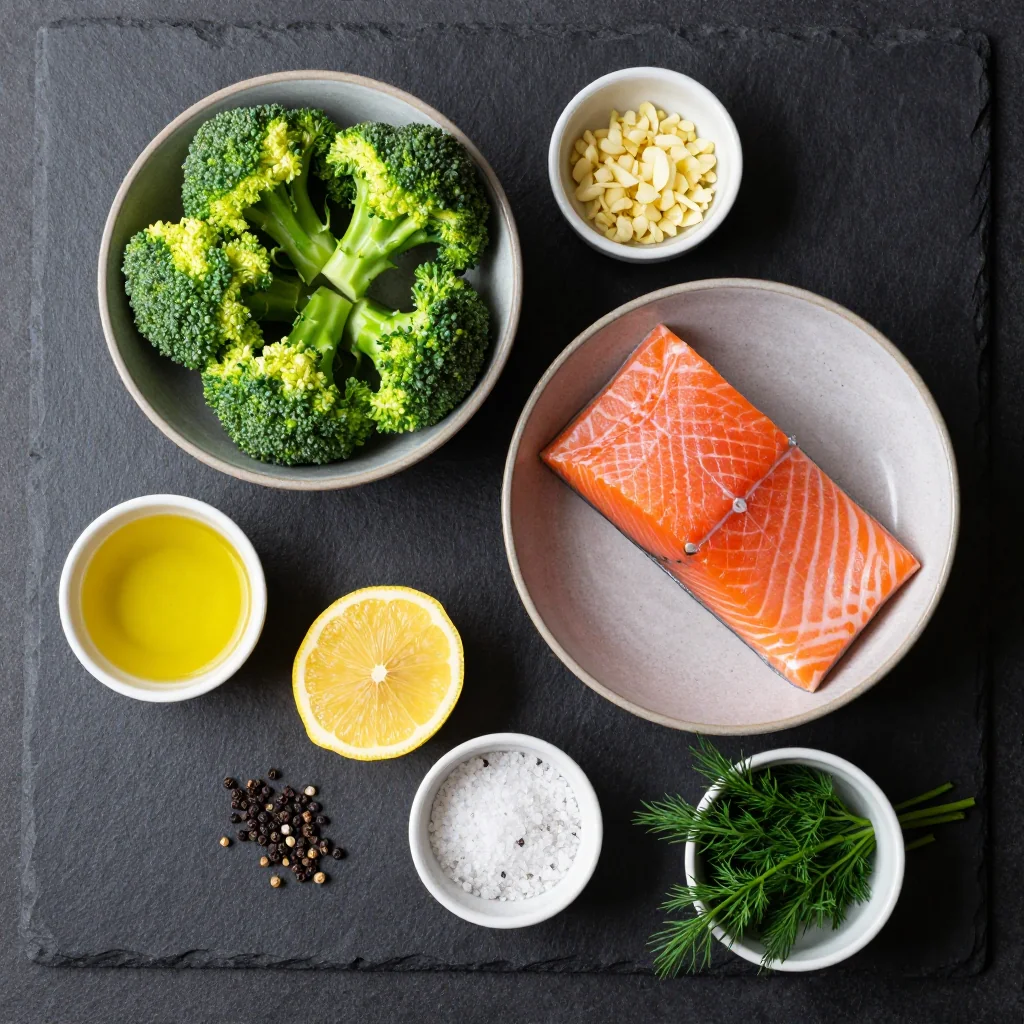
Great recipes start with thoughtful shopping. Here is what to look for—and what you can swap—so your sheet-pan supper sings every single time.
Wild-caught salmon—fresh or frozen—delivers more anti-inflammatory omega-3s and a cleaner flavor than farmed. Aim for center-cut fillets that are 1¼–1½ inches thick so they stay moist at high heat. If you only have thin tail pieces, pull them from the oven two minutes early.
Broccoli should feel heavy for its size with tightly closed, forest-green florets. Yellowing buds signal age and will taste cabbage-y. Buy the crown, not the bagged pre-cut stuff; those tiny pieces scorch before the stems soften. If you are feeding broccoli skeptics, substitute an equal weight of broccolini or asparagus—same timing, milder flavor.
Extra-virgin olive oil is the only fat we need. Choose one in a dark bottle labeled “cold-pressed” and harvest date within the last year; old oil tastes waxy and will ruin an otherwise perfect dish.
Garlic mellows into sweet, jammy pockets when roasted. Skip the jarred minced kind—it carries citric acid that can turn grey and bitter. Smash, peel, and finely chop two fresh cloves right before cooking.
Lemon does triple duty: zest perfumes the oil, juice brightens the finished plate, and squeezed-out wedges roast alongside the veg, concentrating into caramelized pops you can eat whole. Organic lemons are worth the splurge since you will be eating the peel.
Sea salt & freshly cracked pepper are non-negotiable. I keep a small ramekin of kosher salt and a grinder on the counter so there is no excuse to under-season. For a smoky twist, swap half the salt with smoked paprika.
Optional but lovely: a handful of fresh herbs (dill, parsley, or chives) scattered at the end adds color and fresher aromatics. Toasted sliced almonds give crunch in lieu of croutons.
How to Make Clean Eating Salmon and Broccoli for Easy Dinners
Heat the oven & pre-prep pan
Place a rimmed sheet pan (13×18-inch works best) on the middle rack and heat oven to 425 °F (220 °C). A screaming-hot pan jump-starts caramelization so broccoli edges blister instead of steam.
Make the lemon-garlic oil
While the oven heats, whisk 3 Tbsp olive oil, 1 tsp lemon zest, 1 Tbsp lemon juice, 2 minced garlic cloves, ½ tsp kosher salt, and ¼ tsp pepper in a small bowl. Give it a sniff—bright, punchy, irresistible.
Cut broccoli into right-sized pieces
Slice the crown lengthwise through the stem so each floret has a flat side. These “steaks” maximize contact with the hot pan and develop gorgeous char. You should have roughly 6 cups.
Toss broccoli with half the seasoned oil
In a mixing bowl, coat broccoli with half of the lemon-garlic oil. Use your hands; they are the best tools to massage the dressing into every nook.
Roast broccoli alone for 10 minutes
Carefully pull the hot pan from the oven, scatter broccoli cut-side down, and return to the heat. This head-start ensures stems are tender before salmon goes on.
Season salmon & nestle among veg
Pat fillets dry (moisture = steamed fish), brush with remaining oil, and place skin-side down among broccoli. Add lemon wedges to the pan; they caramelize and mellow.
Bake 10–12 minutes more
Salmon is done when it flakes in thick hunks, not thin shards, and registers 125 °F for medium-rare or 135 °F for medium. Broccoli tips should be deep mahogany.
Rest 3 minutes, then finish with herbs
Tent loosely with foil and let carry-over heat finish the centers. Sprinkle fresh dill and additional lemon juice just before serving.
Expert Tips
Use an instant-read thermometer
Guessing doneness is the #1 reason salmon dries out. Insert the probe into the thickest part and pull it 5 °F before your target; residual heat does the rest.
Do not crowd the pan
Over-crowding traps steam and prevents browning. If doubling, split between two pans or bake in batches.
Rotate halfway
Ovens have hot spots. Rotate the pan 180° after adding salmon so everything finishes evenly.
Dry equals crispy
Pat vegetables and fish very dry; water on the surface has to evaporate before browning can occur.
Make it nightshade-free
Swap bell-pepper-dotted veg medleys for zucchini coins and broccolini; they roast in the same timeframe.
Crank the broiler for 1 minute
For extra char, slide the pan under the broiler for 45–60 seconds at the end. Watch closely; it turns quickly.
Variations to Try
- Spicy Cajun: Replace salt with 1 tsp Cajun seasoning and add ¼ tsp cayenne to the oil.
- Asian twist: Swap lemon for lime, add 1 tsp sesame oil, and sprinkle with sesame seeds and scallions.
- Mediterranean: Toss in ½ cup cherry tomatoes and ¼ cup pitted olives; sprinkle with oregano.
- Sweet glaze: Whisk 1 Tbsp maple syrup into the oil for a subtle caramelized crust.
- Low-iodine option: Use kosher salt instead of sea salt and omit lemon zest if avoiding citrus skin.
- Surf & turf: Add peeled shrimp to the pan for the final 4 minutes for a seafood medley.
Storage Tips
Refrigerate: Cool leftovers completely, then store in an airtight glass container up to 4 days. Keep lemon wedges separate to prevent overpowering flavor.
Freeze: Flake the salmon and freeze portions in silicone bags for up to 2 months. Broccoli becomes softer but still delicious in lunch bowls; freeze separately.
Reheat: Warm in a 300 °F oven for 8 minutes or a skillet over medium with a splash of water and lid. Microwaves work in 30-second bursts, but the texture firms slightly.
Meal-prep: Portion salmon and broccoli over quinoa or cauliflower rice with a drizzle of tahini; refrigerate up to 4 lunches.
Frequently Asked Questions
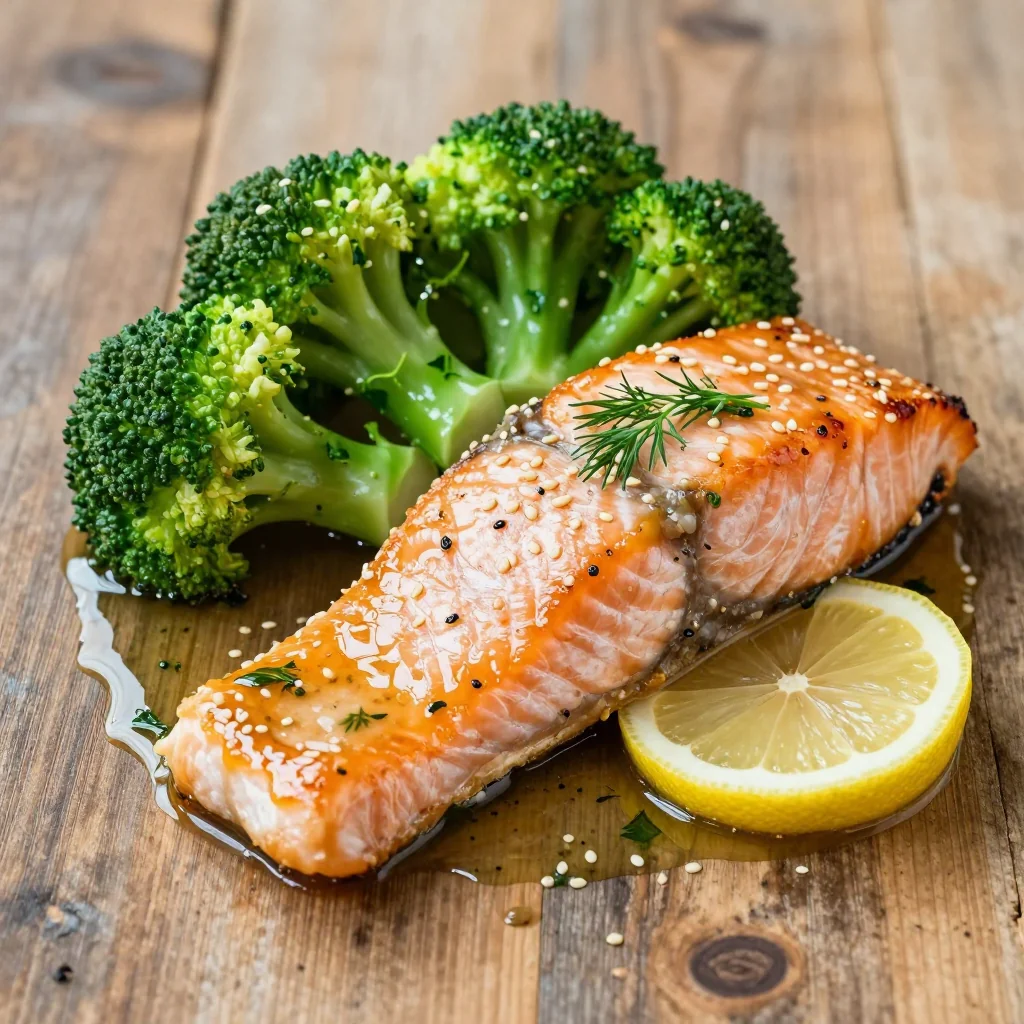
Clean Eating Salmon and Broccoli for Easy Dinners
Ingredients
Instructions
- Preheat oven: Place sheet pan in oven and preheat to 425 °F (220 °C).
- Mix oil: Combine olive oil, lemon zest, lemon juice, garlic, salt, and pepper.
- Prep broccoli: Cut into 2-inch florets with flat sides; toss with half the oil mixture.
- Par-roast broccoli: Spread on hot pan; bake 10 minutes.
- Add salmon: Brush fillets with remaining oil, nestle among broccoli, add lemon wedges.
- Roast: Return to oven 10–12 minutes until salmon is just cooked.
- Finish & serve: Rest 3 minutes, sprinkle herbs and almonds if using.
Recipe Notes
For crispy skin, slide the salmon skin-side down onto the bare pan (no parchment). Do not flip—let the oven do the work.