I still remember the night I almost set my kitchen on fire trying to make "healthy" fish. There I was, hovering over a smoking pan, fish stuck like cement, lime juice fizzing like a science experiment gone wrong, and the smoke alarm serenading my failure. My roommate walked in, took one look at the charred disaster, and said, "Maybe just order takeout?" But here's the thing — I'm stubborn. That culinary catastrophe led me down a rabbit hole of testing, tasting, and perfecting what I'm convinced is the most ridiculously flavorful, foolproof fish recipe you'll ever make. Picture this: tender, flaky fish that tastes like a tropical vacation, topped with a salsa so bright and fresh it practically sings. The coconut milk creates this luscious, silky coating that hugs every flake of fish, while the lime cuts through with a zing that makes your taste buds do a happy dance. And that avocado salsa? It's like sunshine in edible form. This isn't just dinner — it's a mood booster, a conversation starter, a "can I have the recipe?" guarantee. The best part? It's actually easier than whatever sad, dry fish you might be making now. Let me walk you through every single step — by the end, you'll wonder how you ever made it any other way.
Here's what makes this recipe absolutely irresistible: the contrast. You've got the rich, creamy coconut playing against sharp, bright lime. The warm, succulent fish against cool, crisp salsa. It's like a flavor roller coaster, but one where you want to stay on forever. I dare you to taste this and not go back for seconds — actually, I dare you to taste this and not lick the plate clean. The first time I made it for my family, my usually polite brother actually picked up his plate and drank the sauce. My mom kept saying, "But how is it this tender? What's your secret?" The secret, friends, is about to be revealed.
Most recipes get this completely wrong. They either drown the fish in coconut until it tastes like sunscreen, or they're so stingy with the lime that you wonder why they bothered. They skip the marinade, crank the heat too high, and serve you something that tastes like cardboard wearing coconut perfume. Not here. We're building layers of flavor like a tropical symphony, each note perfectly balanced. Future pacing moment: Picture yourself pulling this out of the oven, the whole kitchen smelling like a Caribbean beach bar, your guests already hovering with forks at the ready. That first bite — the way the fish flakes into perfect chunks, how the salsa adds pops of creamy and crunchy, how the lime makes everything taste impossibly fresh — that's what we're after.
Okay, ready for the game-changer? We're using the coconut milk twice — once as a marinade that transforms the fish from the inside out, and again to create this gorgeous glaze that coats everything like liquid gold. Stay with me here — this is worth it. The lime zest isn't just for garnish; it's the secret weapon that makes the coconut taste more coconut-y and the fish taste more... well, like the best version of itself. If you've ever struggled with dry, bland, or fishy-tasting fish, you're not alone — and I've got the fix.
What Makes This Version Stand Out
Taste Explosion: The combination of creamy coconut, zesty lime, and fresh herbs creates a flavor profile that's both familiar and excitingly new. It's like your favorite tropical cocktail decided to become dinner, but in the best possible way. Each bite delivers waves of richness balanced by bright acidity that keeps you coming back for more.
Texture Paradise: Silky coconut-coated fish meets chunky avocado salsa for a contrast that'll make your mouth do a double-take. The fish stays impossibly moist while the salsa adds pops of creamy and crisp. It's not just tender — it's melt-in-your-mouth territory.
Foolproof Simplicity: Despite tasting like restaurant quality, this recipe uses everyday ingredients and basic techniques. No fancy equipment, no hard-to-find items, no culinary degree required. If you can zest a lime and open a can, you're already halfway there.
Unexpected Depth: The secret lies in the double coconut technique — first as a marinade, then as a finishing glaze. Most recipes miss this step and end up with surface-level flavor. We're going deep, baby.
Crowd Reaction Guarantee: I've served this to picky kids, food-snob friends, and everything in between. The plate always comes back empty, usually with someone asking for seconds before they've finished firsts. It's that good.
Ingredient Quality Matters: Using full-fat coconut milk isn't just indulgent — it's essential. The fat carries flavor and creates that restaurant-quality mouthfeel. Skimp here and you'll taste the difference.
Make-Ahead Magic: The salsa actually gets better after 30 minutes in the fridge, and the fish can marinate all day. Perfect for entertaining or meal prep without any last-minute stress.
Inside the Ingredient List
The Flavor Base
The fish itself is obviously the star here, but not all fillets are created equal. I learned this the hard way after buying whatever was on sale and ending up with mushy, falling-apart disaster. You want firm, white fish that can stand up to the coconut marinade without turning to baby food. Halibut is my absolute favorite — it's meaty, sweet, and holds together like a dream. Cod works beautifully too, with its mild flavor that lets the coconut and lime shine. Avoid delicate fish like sole or flounder; they'll break apart faster than my willpower at a bakery. The six-ounce portion size isn't just for show — it's the perfect amount to get that restaurant-quality presentation without overwhelming the plate.
Olive oil might seem basic, but it's doing heavy lifting here. It helps the marinade penetrate the fish, prevents sticking, and adds its own fruity notes to the party. Don't use your expensive finishing oil — save that for salads. A good everyday extra virgin works perfectly. The two tablespoons is exactly enough to coat without making things greasy. I've tried skipping it to be "healthier" and ended up with fish that tasted like it was steamed in sadness.
Kosher salt isn't just table salt with a fancy name — it's got larger crystals that distribute more evenly and don't dissolve instantly. This means you get little pockets of seasoning rather than overwhelming saltiness. Plus, it's what all the pros use for a reason. Season from up high like you're on a cooking show — it helps the salt fall evenly. And don't be shy here — under-seasoned fish tastes like disappointment.
The Tropical Dream Team
Unsweetened coconut milk is where most people mess up. They grab the sweetened stuff by mistake and end up with dessert for dinner. Read the label carefully — you want pure coconut milk, no sugar added. Full-fat is non-negotiable; the light versions are just watered down and won't give you that luxurious texture. One can is usually perfect for four fillets, with a bit left over for drizzling. Shake it well before opening — nobody wants a separated, chunky marinade. The fat in coconut milk does something magical to fish, keeping it moist while adding this subtle sweetness that makes you want to lick your plate.
Fresh lime zest is the secret weapon that makes everything taste more like itself. It's not just lime flavor — it's lime essence, packed with oils that wake up your whole mouth. Use a microplane or the finest side of your grater, and only zest the green part — the white pith underneath is bitter enough to ruin your day. Two limes usually give you enough zest for the marinade plus some for garnish. Don't even think about the bottled stuff; it tastes like cleaning products and broken dreams.
The Fresh Factor
Chopped cilantro brings the fresh, herbaceous notes that cut through all that richness. Some people think it tastes like soap — if that's you, swap in parsley, but know you're missing out. The key is chopping it just before using; once cut, it starts losing its bright flavor faster than ice cream melts on a summer day. Include some stems — they're packed with flavor and add a nice crunch to the salsa. Half a cup might seem like a lot, but it wilts down and distributes throughout both the marinade and salsa.
The Unexpected Star
The avocado in the salsa does more than just add creaminess — it's like the bass player in a band, holding everything together while letting other flavors shine. Choose one that's ripe but still firm; mushy avocados turn your salsa into guacamole. Dice it just before serving to prevent browning, or toss with extra lime juice if you're prepping ahead. The healthy fats in avocado help your body absorb all the nutrients from the other ingredients — it's like nature's multivitamin. Plus, it adds this buttery texture that makes the whole dish feel more indulgent than it actually is.
Everything's prepped? Good. Let's get into the real action...
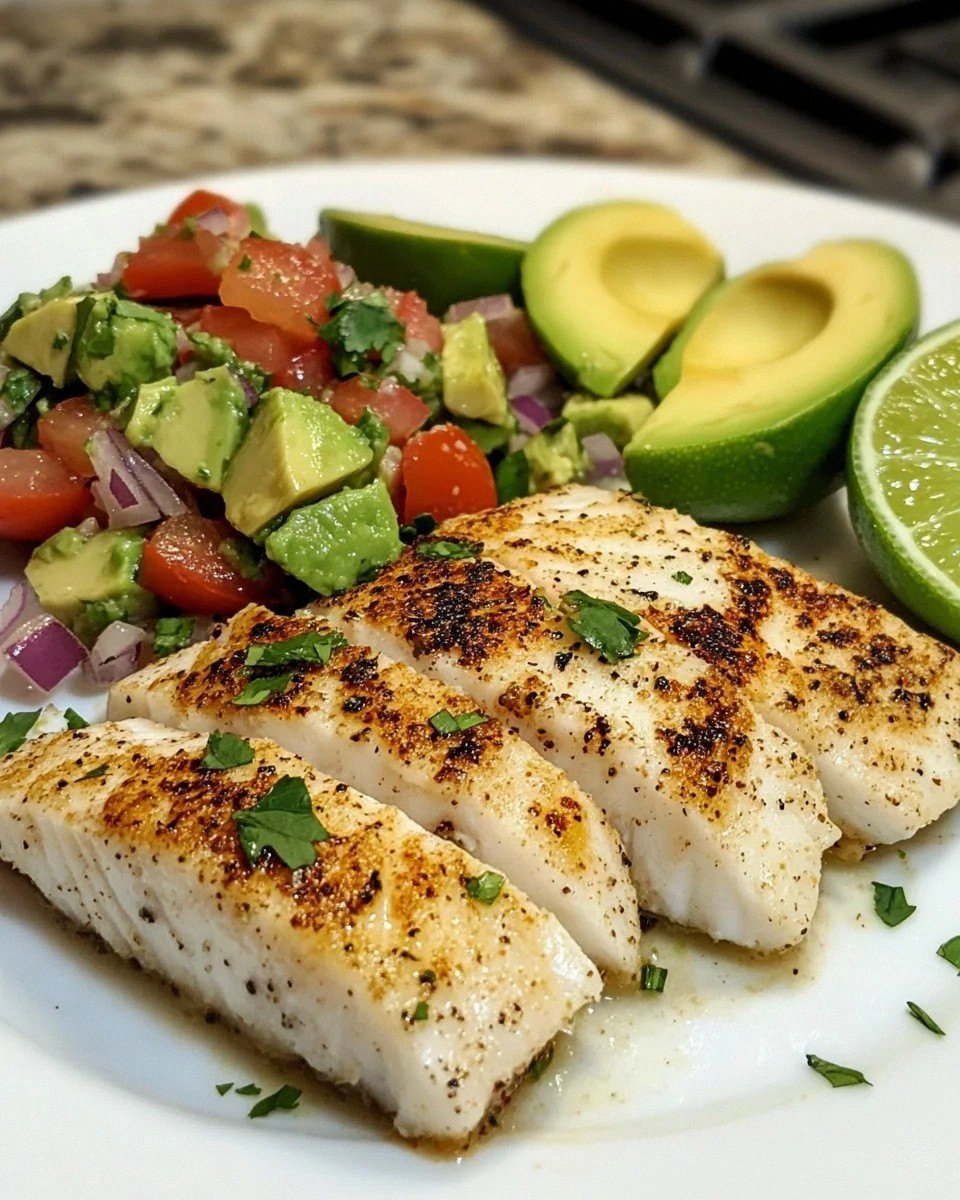
The Method — Step by Step
- Start by patting your fish fillets dry with paper towels — I mean really dry, like you're trying to remove every last drop of moisture. This isn't just busy work; it's the difference between fish that sears beautifully and fish that steams in its own sadness. Lay them out on a clean cutting board and let them come to room temperature for about 15 minutes. Cold fish hitting a hot pan is like jumping into a cold pool — it seizes up and gets tough. While they're warming up, whisk together half the coconut milk, half the lime zest, half the cilantro, and a generous pinch of salt in a shallow dish. The mixture should be thin enough to coat but thick enough to cling — think heavy cream consistency.
- Now for the fun part — nestle those fillets into the marinade like you're tucking them into bed. Make sure every surface gets coated, then flip them over so both sides get equal love. Cover with plastic wrap and let them hang out in the fridge for at least 30 minutes, but up to 4 hours if you're planning ahead. Any longer and the acid starts to "cook" the fish, ceviche-style. Don't walk away from the stove here — while that's happening, dice your avocado into perfect little cubes. I like to slice it while still in the skin, then scoop out with a spoon for neat, even pieces. Toss with lime juice immediately to prevent that sad brown color that screams "I've been sitting out too long."
- Heat your largest skillet over medium-high heat for a full 2 minutes — this is the moment of truth. Add the olive oil and let it shimmer, but not smoke. If it starts smoking, the pan's too hot and your fish will burn on the outside while staying raw inside. Carefully lay the fillets away from you (nobody needs hot oil splatter burns), and don't crowd the pan. Work in batches if necessary — overcrowding drops the temperature faster than a lead balloon. That sizzle when it hits the pan? Absolute perfection. It should sound like applause from a very small, very enthusiastic audience.
- Here's where most people mess up — they keep flipping and poking and moving the fish around like it's a fidget spinner. Don't. Let it cook undisturbed for 4-5 minutes. You'll know it's ready to flip when the edges start to turn opaque and the bottom releases easily from the pan. If it's sticking, it's not ready. Give it another minute. When you do flip, be confident — one smooth motion, no hesitation. The second side needs less time, just 3-4 minutes depending on thickness. The fish should flake easily but still look moist. Overcooked fish is a tragedy I wouldn't wish on my worst enemy.
- While the fish rests (and yes, it needs to rest just like steak), make your salsa magic happen. Combine the diced avocado with the remaining cilantro, a good squeeze of lime juice, and a pinch of salt. Add any extras you like — I love a little diced red onion for bite, or some minced jalapeño for heat. The key is keeping everything fresh and vibrant. Taste and adjust — it should make you want to eat it with a spoon. If it doesn't, add more lime or salt until it does.
- Now for the grand finale — pour the remaining coconut milk into the same pan (don't wipe it out first — those browned bits are flavor gold). Let it bubble and reduce for about 2 minutes, scraping up all the deliciousness from the bottom. Add the remaining lime zest and watch the sauce transform from thin and watery to silky and luxurious. It should coat the back of a spoon but still be pourable. If it's too thick, thin with a splash of water. Too thin? Let it reduce a bit more. You're looking for the consistency of heavy cream.
- Plate your masterpiece — place a piece of fish on each plate, spoon over some of that coconut-lime sauce, and top generously with the avocado salsa. Drizzle any remaining sauce around the plate like you're on a cooking show. Garnish with extra cilantro and lime wedges because we eat with our eyes first. Serve immediately while everything's still warm and the salsa is still cool and crisp. That's it — you did it. But hold on, I've got a few more tricks that'll take this to another level...
Insider Tricks for Flawless Results
The Temperature Rule Nobody Follows
Here's the thing about cooking fish — room temperature is your best friend, but cold is your enemy. I know, I know, food safety says keep it cold. But fish that's been sitting out for 15-20 minutes cooks more evenly and stays more tender than fish straight from the fridge. Think about it: if the outside is warm and the inside is ice-cold, by the time the center cooks through, the outside is overcooked and tough. A friend tried skipping this step once — let's just say it didn't end well. She ended up with fish that was raw in the middle and rubbery on the outside, all because she was afraid of leaving it out. Just don't go crazy — 20 minutes max, and don't do this on a hot summer day with the windows open.
Why Your Nose Knows Best
Smell is your most underrated kitchen tool when cooking fish. Fresh fish smells like the ocean, not fishy. If it smells fishy before cooking, it's already past its prime. But here's the cool part — as it cooks, the smell changes. When it's perfectly done, it smells sweet and slightly nutty. Overcooked fish smells, well, fishy. Trust your nose; it's rarely wrong. I can tell when my fish is ready just by walking into the kitchen. That moment when the coconut starts to caramelize and the lime oils hit the air? Pure magic. Your neighbors will probably show up asking what smells so good.
The 5-Minute Rest That Changes Everything
This might be the hardest tip to follow because hot food smells amazing and you want to eat it NOW. But giving your fish a 5-minute rest after cooking is the difference between good and restaurant-quality. During this time, the juices redistribute throughout the fish instead of running all over your plate when you cut into it. The residual heat finishes cooking the center without overdoing the outside. Cover loosely with foil to keep it warm, but don't wrap tightly or it'll steam and lose that beautiful sear. Use this time to finish your salsa, pour a glass of wine, or just bask in the glory of what you're about to eat.
The Coconut Milk Secret
Not all coconut milk is created equal, and the cheap stuff can ruin your dish. Look for brands that list coconut and water as the first ingredients, with no gums or thickeners. Shake the can — if it sounds liquidy, that's good. If it sounds solid, it's been sitting too long and will be grainy. Full-fat is essential for that luxurious texture, but here's a pro tip: if you accidentally bought light coconut milk, you can thicken it by simmering it with a tablespoon of butter. It won't be quite the same, but it'll save dinner. And never, ever use the sweetened stuff unless you want your fish to taste like a piña colada gone wrong.
Creative Twists and Variations
This recipe is a playground. Here are some of my favorite ways to switch things up:
The Island Heat Version
Add a Scotch bonnet or habanero to the marinade — just one, seeded and minced, unless you like breathing fire. The fruity heat pairs incredibly with the coconut, and the lime helps tame the burn. I once made this for a friend who claimed nothing was too spicy for him. He took one bite, his eyes watered, and he said, "Okay, this might be too spicy" — then ate three more pieces. The key is balancing the heat with extra cooling elements in the salsa, maybe some diced mango or cucumber.
The Thai-Inspired Remix
Swap the cilantro for Thai basil and add a stalk of lemongrass to the marinade. Use palm sugar instead of salt for a touch of sweetness, and finish with fish sauce instead of salt in the salsa. Suddenly you're not in the Caribbean anymore — you're in Bangkok. The lemongrass adds this incredible citrusy-herbal note that makes the whole dish taste more complex than it actually is. I'll be honest — I ate half the batch before anyone else got to try it when I first made this version.
The Mediterranean Mashup
Keep the coconut milk but add oregano and garlic to the marinade. Use parsley instead of cilantro, and make your salsa with tomatoes, olives, and capers. It shouldn't work, but it does — the coconut provides richness that stands in for olive oil, while the lime brightens everything up. My Italian grandmother would probably disown me, but even she admitted this was surprisingly delicious. Sometimes breaking the rules leads to the best discoveries.
The Surf and Turf Upgrade
Add some shrimp to the party — marinate them separately for just 15 minutes, then sauté quickly and serve alongside the fish. The shrimp pick up all those tropical flavors in record time, and having both on the plate feels luxurious without much extra work. Plus, if you overcook the fish slightly (it happens), the perfectly cooked shrimp save the day. This is my go-to for impressing dinner guests who think they know what to expect.
The Vegetarian Victory
Firm tofu works surprisingly well here — press it first to remove excess moisture, then marinate and sear just like the fish. The coconut milk clings to tofu even better than fish, creating these caramelized edges that are absolutely addictive. Use the same salsa, maybe adding some black beans for extra protein. Even devoted carnivores have asked for seconds of this version. It's all about that marinade working its magic.
The Breakfast-for-Dinner Plot Twist
Take the leftover coconut-lime sauce and drizzle it over scrambled eggs the next morning. Add some of the salsa to avocado toast. Suddenly last night's dinner becomes tomorrow's breakfast revelation. That sauce is too good to waste, and the flavors somehow work even better in the morning when your taste buds are fresh and ready to party. Don't knock it till you've tried it — I discovered this by accident when I was too lazy to make breakfast and just reheated the sauce.
Storing and Bringing It Back to Life
Fridge Storage
Leftover fish will keep for up to 3 days in the fridge, but let's be real — it's never lasted that long in my house. Store the fish and salsa separately in airtight containers. The fish goes in first, cooled completely, with any extra sauce spooned over the top to keep it moist. The salsa needs its own container, pressed with plastic wrap directly on the surface to prevent the avocado from browning. If you know you'll have leftovers, keep the avocado separate and dice it fresh when you're ready to eat. That way you don't end up with brown, sad salsa that looks like it lost a fight.
Freezer Friendly
Here's where things get tricky — the fish freezes beautifully, but the salsa doesn't. Freeze individual portions of the cooked fish in freezer bags with as much air removed as possible. It'll keep for up to 2 months, though I doubt it'll last that long. Thaw overnight in the fridge, then reheat gently with a splash of coconut milk to bring back the moisture. Make the salsa fresh when you're ready to eat — it's only a few minutes of work and makes all the difference. The sauce also freezes well separately, so make a double batch next time.
Best Reheating Method
Whatever you do, don't microwave the fish — unless you enjoy rubbery, overcooked sadness. Instead, place it in a baking dish with a splash of coconut milk or water, cover with foil, and warm in a 300°F oven for about 10 minutes. The gentle heat and steam will bring it back to life without turning it into shoe leather. Add a tiny splash of water before reheating — it steams back to perfection. The salsa should be served cold or room temperature, so add that after reheating the fish. With this method, leftovers might even taste better than the original — the flavors have had time to meld and deepen.