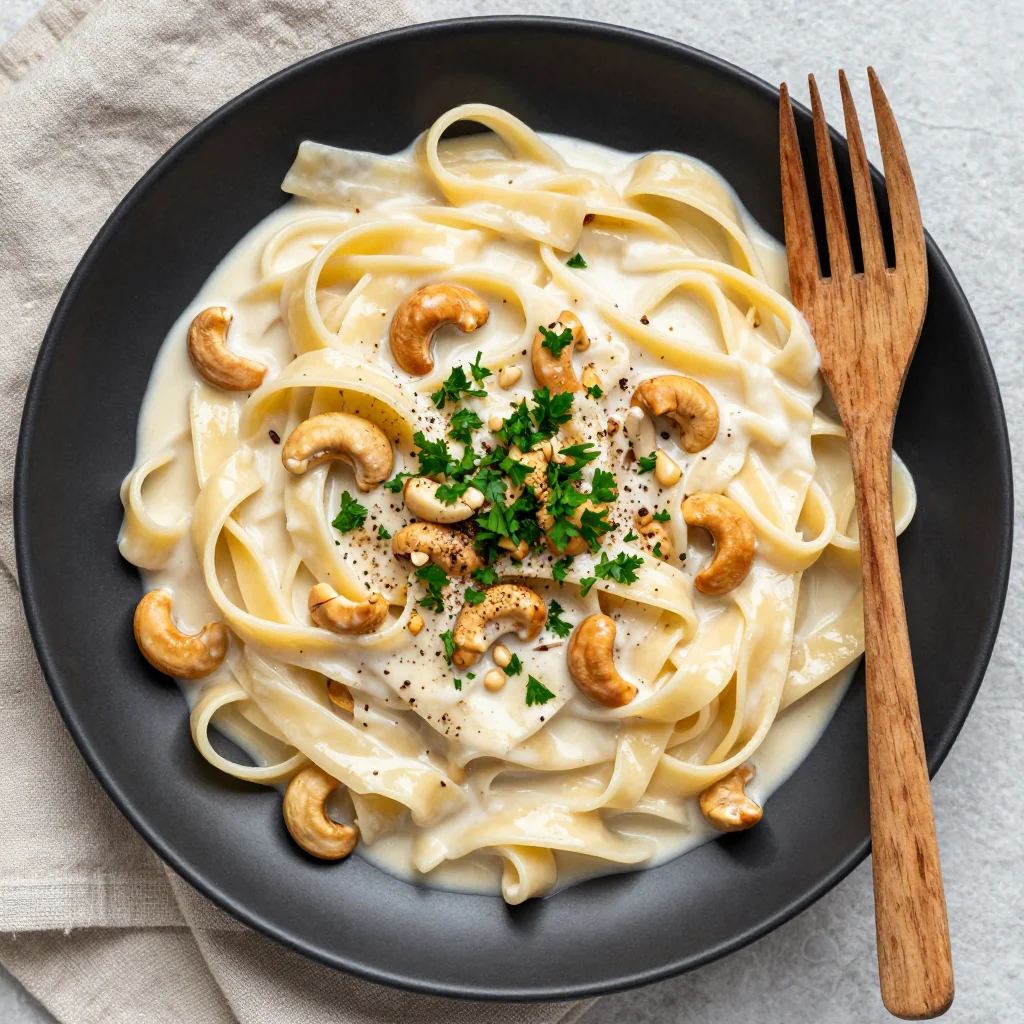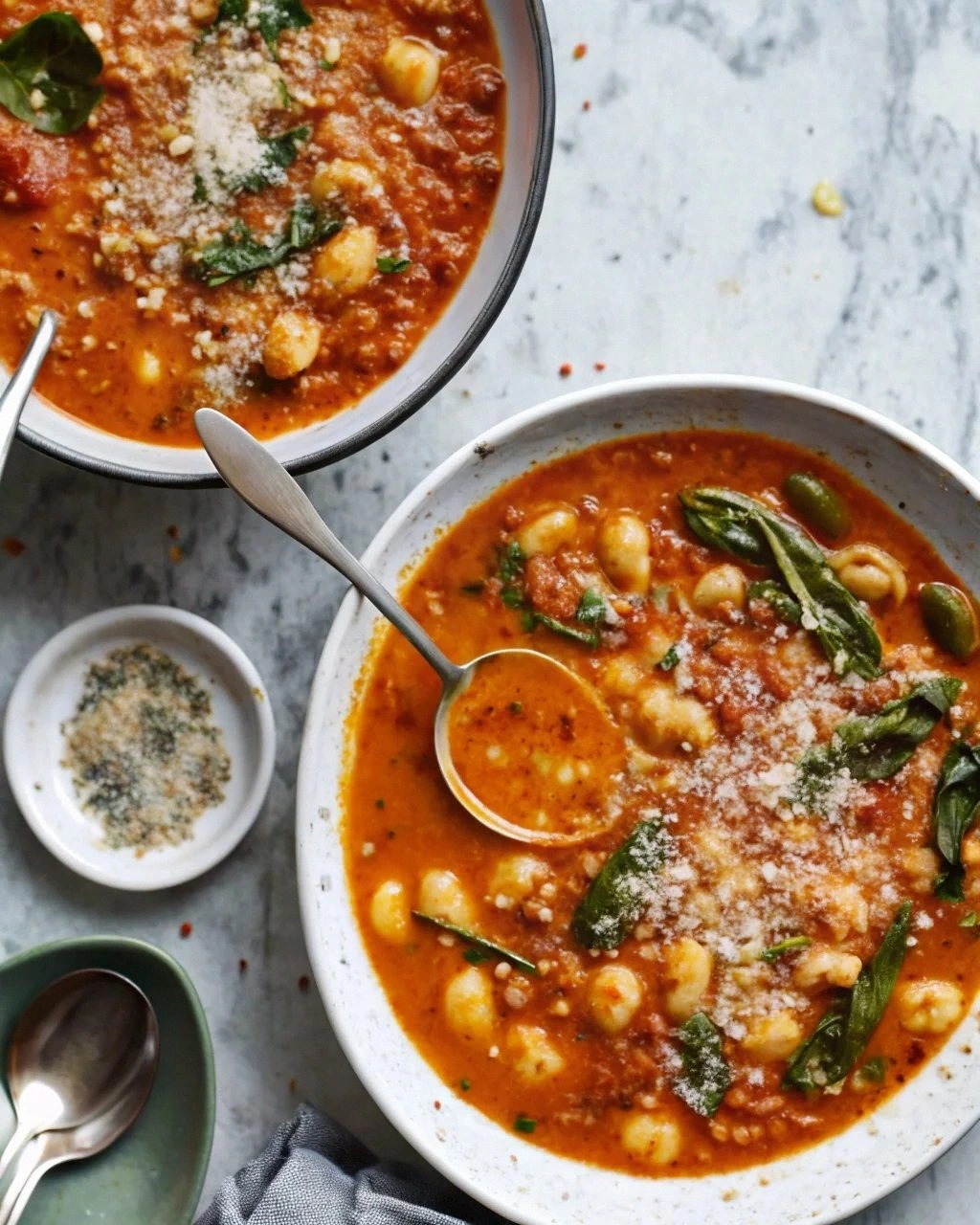
I still remember the night I ruined dinner so spectacularly that I ended up creating the best soup of my life. Picture this: it was pouring outside, my fridge looked like a tornado had hit it, and I had promised my friends I'd bring something delicious to game night. I started with grand plans for a fancy Italian feast, but somehow managed to burn the garlic, curdle the cream, and turn what should have been a sophisticated pasta dish into what looked like beige sludge. In desperation, I threw everything into one pot, added some gnocchi I'd forgotten about in the freezer, and crossed my fingers. What emerged thirty minutes later was pure magic — a creamy, soul-warming Italian sausage gnocchi soup that had everyone scraping their bowls and demanding the recipe.
Since that fateful night, I've perfected this accidental masterpiece into what I'm convinced is the ultimate comfort food. This isn't just another soup recipe floating around the internet — this is the kind of dish that makes grown adults close their eyes and sigh with contentment. The combination of spicy Italian sausage, pillowy gnocchi, and a cream base that's rich but not overwhelming creates this perfect harmony that hits every note. The broth is silky enough to coat each piece of gnocchi like liquid velvet, while the sausage provides these little pockets of intense flavor that burst in your mouth with every spoonful.
What really sets this apart from any other Italian soup you've tried is the technique I discovered through my kitchen disaster. Instead of browning the sausage and then removing it like most recipes suggest, we let it render its fat and use that liquid gold as the base for everything else. Those caramelized bits that stick to the bottom? That's pure flavor concentrate that will transform your soup from good to life-changing. Plus, I've figured out exactly when to add each ingredient so nothing gets mushy or loses its character — because nobody wants sad, disintegrated vegetables floating in their creamy dreams.
Okay, ready for the game-changer? The secret ingredient that makes everyone ask "what's that amazing flavor?" is actually a splash of white wine vinegar added right at the end. It cuts through the richness like a bright spotlight, making all the other flavors pop while keeping the soup from feeling heavy. Trust me on this one — it sounds weird, but it's the difference between a good soup and a soup that people will remember forever. Let me walk you through every single step — by the end, you'll wonder how you ever made it any other way.
What Makes This Version Stand Out
Flavor Explosion: Most Italian sausage soups taste one-dimensional — either too tomato-heavy or just flat cream. This version layers flavors like a symphony, starting with fennel-forward sausage, building with aromatic vegetables, and finishing with fresh herbs that actually taste fresh instead of that dried, dusty flavor most soups settle for. The result is complex without being confusing, bold without being overwhelming.
Texture Paradise: Here's where most recipes get it wrong — they throw everything in at once and end up with mush. Not here. The gnocchi stays pillowy yet firm, the vegetables retain just enough bite to remind you they're vegetables, and the sausage provides these delightful meaty morsels throughout. Every spoonful is an adventure in texture contrasts that keeps your palate engaged from first bite to last.
Weeknight Friendly: Despite tasting like you spent all day in the kitchen, this entire soup comes together in under 45 minutes. I've timed it dozens of times, and that's including chopping vegetables. The secret is in the order of operations — while one thing cooks, you're prepping the next. It's like a beautiful kitchen dance that ends in dinner.
Restaurant Quality: I dare you to taste this and not go back for seconds. The depth of flavor here rivals anything you'd get at a fancy Italian restaurant, but you made it in your pajamas. The technique of using the sausage fat as a flavor base is something professional chefs do, but I've broken it down so anyone can nail it on their first try.
Crowd Pleaser Supreme: I've made this for picky kids, food-snob friends, my Italian grandmother who thinks American Italian food is an abomination — they all love it. The spice level is perfectly balanced, the creaminess is indulgent but not excessive, and it's filling without being heavy. Plus, it scales beautifully for parties.
Make-Ahead Magic: This soup actually gets better overnight as the flavors meld together. I've served it at dinner parties where I made it two days ahead, and people practically licked their bowls. The gnocchi holds up surprisingly well, and a quick reheat brings it back to life like it was just made.
Ingredient Quality Matters: Using real Italian sausage from a butcher instead of the pre-packaged stuff will change your life. The difference in flavor is like comparing a symphony to a kazoo. The fennel, the spice blend, the quality of the meat — it all adds up to something transcendent. Splurge on the good stuff here; it's worth every penny.
Inside the Ingredient List
The Flavor Base
Italian sausage is obviously the star here, but not all sausage is created equal. You want the fresh stuff from the butcher case, not the pre-cooked links that look like hot dogs in disguise. Look for sausage with visible fennel seeds and a good balance of fat — too lean and your soup will be dry, too fatty and it'll be greasy. I prefer hot Italian sausage because the spice plays beautifully with the cream, but mild works if you're feeding spice-sensitive folks. Whatever you do, don't skip the sausage tasting step — yes, I want you to cook a tiny piece and taste it before committing the whole batch.
Onions form the aromatic backbone that makes everything else taste more like itself. I use yellow onions for their balance of sweetness and savoriness, diced small so they melt into the soup rather than staying in distinct chunks. The key is cooking them low and slow in the sausage fat until they're translucent and starting to turn golden — this takes about five minutes but feels like forever when you're hungry. Don't rush this step; it's where the flavor foundation gets built.
Garlic goes in after the onions because it burns faster than a vampire in sunlight. Fresh garlic, minced fine, about three cloves for a batch this size. The moment it hits the hot fat, your kitchen will smell like an Italian grandmother's hug. Thirty seconds is all it needs — any longer and it turns bitter, any less and it stays raw and sharp.
The Texture Crew
Gnocchi are those little potato dumplings that look like tiny pillows sent from carb heaven. You can find them in the pasta aisle, usually vacuum-packed or frozen. Fresh gnocchi from the refrigerated section is worth the splurge here — they cook up lighter and more tender than their shelf-stable cousins. The trick is adding them at the very end so they don't turn to mush. They'll float to the top when they're done, like little edible life rafts announcing they're ready to be devoured.
Heavy cream transforms this from soup to liquid luxury. Don't even think about substituting half-and-half or milk — they'll curdle and separate, leaving you with a broken, sad mess. The cream needs to be full-fat to emulsify properly with the broth and create that silky texture we're after. Add it at the end, off the heat, and warm it gently to prevent curdling. This is not the place to skimp on calories; embrace the decadence.
Chicken broth forms the liquid base, but not all broths are equal. Skip the canned stuff that tastes like salt water with a chicken bouillon cube dissolved in it. Go for the boxed low-sodium broth, or better yet, make your own if you're feeling ambitious. The broth should taste like chicken, not like a salt lick. You'll season later, so starting with low-sodium gives you control over the final flavor.
The Unexpected Star
White wine vinegar might seem like an odd addition to a creamy soup, but it's the secret weapon that makes everything else taste more vibrant. Just a tablespoon, added right at the end, cuts through the richness and brightens all the other flavors. It's like turning up the contrast on a photograph — suddenly everything is more defined and interesting. Don't skip this; it's the difference between good and unforgettable.
Spinach adds color, nutrition, and a fresh element to balance all the richness. Baby spinach works best because it wilts quickly and doesn't have the bitter edge of mature spinach. Add it at the very end so it stays bright green and retains some texture. If you hate spinach, you could substitute kale or escarole, but honestly, the spinach version might convert you.
The Final Flourish
Parmesan cheese, freshly grated, stirred in at the end for that umami punch that makes people ask "what's that amazing flavor?" Pre-grated cheese from a can won't melt properly and tastes like sawdust. Buy a wedge and grate it yourself — your taste buds will thank you. Save some for sprinkling on top, because that melty cheese pull when you lift your spoon is pure Instagram gold.
Fresh basil is non-negotiable. Dried basil has its place, but not here. You want those bright green ribbons that perfume the soup and add a pop of freshness. Stack the leaves, roll them like a cigar, and slice into thin ribbons. Add them right before serving so they stay vibrant and don't turn that sad army green color.
The Method — Step by Step
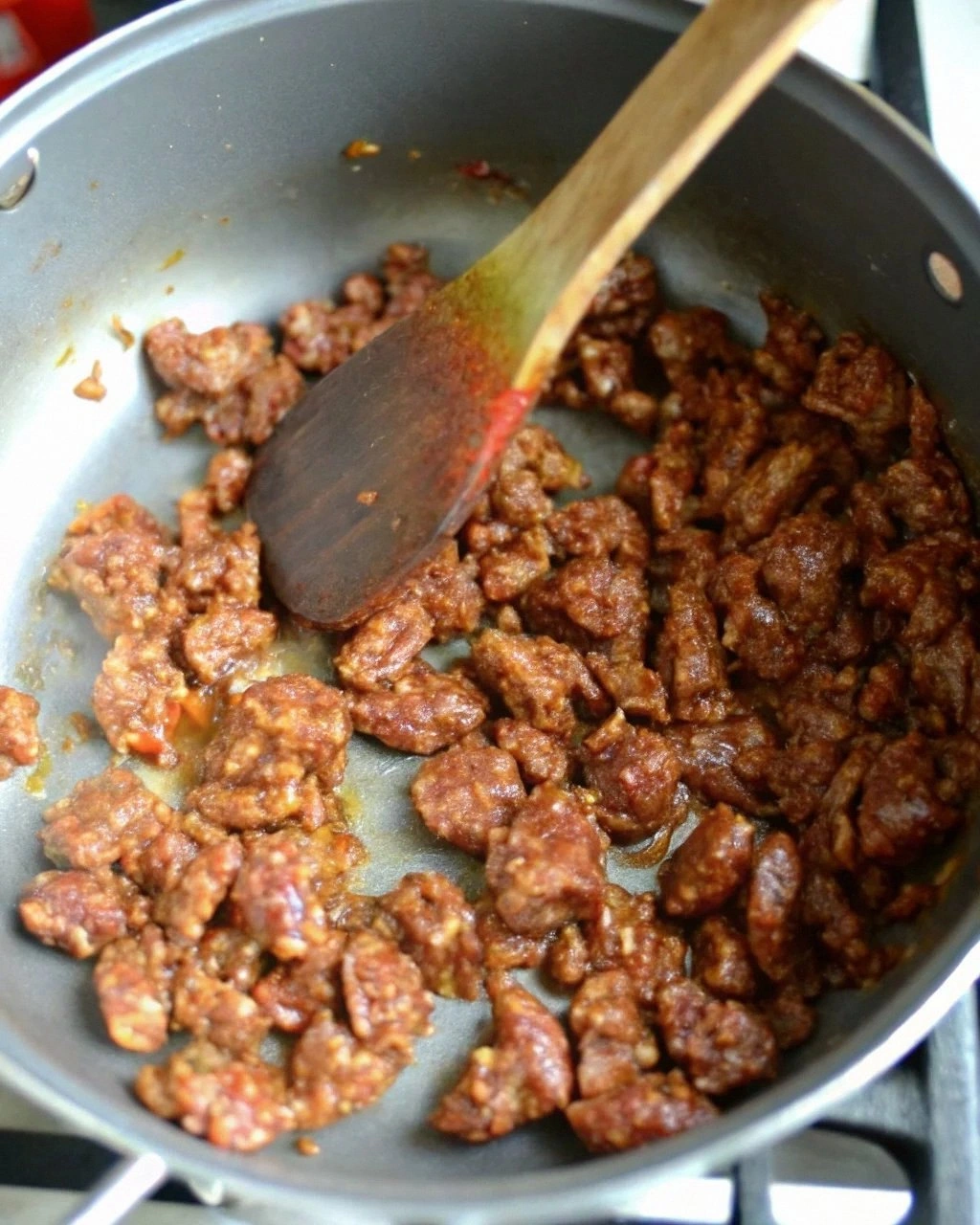
- Start with a heavy-bottomed pot or Dutch oven over medium heat. Add your Italian sausage, removed from casings if necessary, and break it up with a wooden spoon into bite-sized pieces. Let it cook undisturbed for about three minutes — this is where the magic happens. Those brown, caramelized bits that stick to the bottom are pure flavor gold. Once it's nicely browned on one side, start breaking it up further and turning until it's mostly cooked through, about five minutes total. The fat that renders out is liquid treasure; don't you dare drain it away.
- Push the sausage to one side of the pot and tilt it so the fat pools in the empty space. Add your diced onions to the fat and let them sizzle away, stirring occasionally, until they're translucent and starting to turn golden around the edges. This takes about five minutes but feels like an eternity when your kitchen smells this good. If the bottom starts looking too brown, add a splash of the chicken broth and scrape up those bits — this is called deglazing, and it's where you capture all the flavor that's trying to escape.
- Clear a small space in the center and add your minced garlic. Let it cook for just thirty seconds — seriously, set a timer — until it's fragrant but not browned. Stir everything together so the garlic gets distributed but doesn't burn. The moment you smell that unmistakable garlic aroma filling your kitchen, you're ready for the next step. Don't walk away here; garlic goes from perfect to bitter faster than you can say "Italian sausage soup."
- Add your chicken broth to the pot, along with any herbs you're using. I like a bay leaf and some dried oregano at this stage. Bring it to a boil, then reduce to a simmer and let it bubble away for about ten minutes. This is when all the flavors start getting acquainted and becoming friends. The broth will take on a beautiful golden color from the sausage fat and browned bits. Taste it now — it should already taste better than most soups you've had.
- Now comes the fun part — adding the cream. Reduce the heat to low, then pour in your heavy cream in a slow stream while stirring constantly. The soup will transform from a brothy base to something that looks like liquid silk. Don't let it boil once the cream is in, or it might curdle. Keep it at a gentle simmer, just enough to heat the cream through without boiling. The color should be a beautiful pale gold, like expensive silk.
- Add your gnocchi to the pot and give everything a gentle stir. They'll sink to the bottom at first, but as they cook, they'll float to the top like little potato dumpling buoys. This takes about three to four minutes. Don't overcook them — they should be tender but still hold their shape. When they're floating and look plump and inviting, they're ready. If you overcook them, they'll turn to mush and make your soup thick and gloopy.
- Stir in your spinach and let it wilt for about thirty seconds. It will turn bright green and shrink dramatically. If you're using baby spinach, it will wilt almost instantly. For regular spinach, give it a minute. The goal is tender but not army-green and overcooked. Fresh spinach adds a pop of color and nutrition that makes this feel less like indulgence and more like a balanced meal.
- Remove the pot from heat and stir in your white wine vinegar. Just one tablespoon — don't be tempted to add more or it will taste like salad dressing. The vinegar will brighten all the flavors and cut through the richness of the cream. It's like adding a spotlight to a stage — suddenly everything is more vivid and defined. Taste the soup now; it should have layers of flavor rather than just tasting creamy.
- Stir in most of your grated Parmesan, saving some for garnish. The cheese will melt into the soup and add that umami depth that makes people ask "what's that amazing flavor?" Add your fresh basil now too, stirring just enough to distribute it without bruising the leaves. Serve immediately in warm bowls, garnished with extra Parmesan and a few basil leaves. The soup will thicken as it sits, so if you're not serving right away, you might need to thin it with a splash of broth when reheating.
That's it — you did it. But hold on, I've got a few more tricks that'll take this to another level...
Insider Tricks for Flawless Results
The Temperature Rule Nobody Follows
Here's the thing that separates good cooks from great ones: temperature control. Once you add the cream, keep your soup below 180°F — any hotter and it breaks faster than a teenager's heart. Use a thermometer if you're nervous, or just keep it at the gentlest simmer where you see tiny bubbles occasionally breaking the surface. If it does break and looks curdled, don't panic. Blend it with an immersion blender and it'll come back together, though it won't be quite as silky. I've saved many a dinner party with this trick.
Why Your Nose Knows Best
Your nose is actually a better cooking timer than any clock. When the garlic goes in, wait until you smell that unmistakable aroma filling your kitchen — that's when it's ready. Same with the onions; when they smell sweet and savory rather than sharp and raw, they've released their sugars and are ready for the next step. If you've ever struggled with timing, you're not alone — and I've got the fix. Trust your senses over the timer every time.
The 5-Minute Rest That Changes Everything
After you finish cooking, let the soup rest for five minutes off heat before serving. This isn't just chef nonsense — it actually makes a huge difference. The flavors need time to meld and harmonize, the temperature evens out so you don't scorch your mouth, and the soup thickens slightly as it cools. Cover the pot and use this time to set the table, open wine, or just breathe. A friend tried skipping this step once — let's just say it didn't end well. The soup was good but not the transcendent experience we were after.
The Cheese Grater Rule
I'm going to be honest — I ate half the batch before anyone else got to try it, and it was partly because I couldn't stop "testing" the Parmesan. But here's why freshly grated matters: pre-grated cheese is coated with cellulose to prevent clumping, which means it doesn't melt smoothly into your soup. Buy a wedge of good Parmesan and grate it yourself. It takes thirty seconds and makes the difference between good and restaurant-quality. Plus, you get to snack on the rind while cooking — chef's privilege.
The Leftover Transformation
If you somehow have leftovers, this soup transforms beautifully into a pasta sauce. Just reduce it over medium heat until it's thick enough to coat pasta, then toss with rigatoni and extra Parmesan. It's like getting two meals for the effort of one, and honestly, sometimes I make extra just for this purpose. The gnocchi break down slightly and create this luxurious texture that clings to every ridge of the pasta. Picture yourself pulling this out of the oven, the whole kitchen smelling incredible...
Creative Twists and Variations
This recipe is a playground. Here are some of my favorite ways to switch things up:
The Spicy Devil Version
Use hot Italian sausage and add a pinch of red pepper flakes when you add the garlic. For extra heat, stir in a spoonful of Calabrian chili paste at the end. This version will warm you from the inside out and pairs beautifully with a cold beer. My spice-loving friends go crazy for this variation, and it's become their most-requested dish for game nights.
The Garden Fresh Take
Replace the spinach with a mix of wilted greens — kale, escarole, or even beet greens work beautifully. Add some diced zucchini with the onions for extra vegetables. This version feels almost virtuous while still being indulgent. It's perfect for when you want comfort food but your brain is telling you to eat more vegetables.
The Seafood Lover's Dream
Replace the sausage with shrimp and add some clam juice to the broth for a seafood chowder vibe. Add the shrimp in the last two minutes of cooking — they cook fast and turn rubbery if overcooked. This version feels fancy enough for company but comes together just as quickly. I'll be honest — this was born from a night when I had promised Italian sausage soup but discovered my sausage had gone bad.
The Vegan Wonder
Use plant-based Italian sausage (Beyond makes a great one), vegetable broth, and coconut cream instead of heavy cream. The coconut flavor is subtle and actually complements the Italian flavors surprisingly well. Add some nutritional yeast for that cheesy umami flavor. Even my carnivore friends love this version — it's that good.
The Loaded Baked Potato Style
Add diced potatoes with the broth and let them cook until tender. Top each bowl with crumbled bacon, extra cheese, and green onions. It's like loaded baked potato soup met Italian sausage soup and had a beautiful baby. This is comfort food squared and perfect for feeding teenage boys or anyone with a serious appetite.
The Spring Celebration
Use mild Italian sausage and add fresh peas and asparagus tips along with the spinach. The bright green vegetables make this feel fresh and spring-like, perfect for when the weather starts warming up but you still want something cozy. Add some fresh mint along with the basil for an unexpected flavor twist that makes people ask for your secret.
Storing and Bringing It Back to Life
Fridge Storage
Store leftovers in an airtight container in the refrigerator for up to four days. The soup will thicken considerably as it cools — this is normal and actually makes it even better. When reheating, add a splash of chicken broth or water to thin it to your desired consistency. Reheat gently over medium-low heat, stirring frequently, until just heated through. Don't let it boil or the cream might separate.
Freezer Friendly
This soup freezes beautifully for up to three months, but here's the trick: freeze it without the gnocchi. Make the soup base, let it cool completely, then freeze in portions. When you're ready to eat, thaw overnight in the refrigerator, reheat gently, and add fresh gnocchi for the last few minutes of cooking. The texture will be just as good as fresh, and you'll have homemade soup ready faster than ordering takeout.
Best Reheating Method
The microwave works in a pinch, but stovetop reheating gives you the best texture. Add a tiny splash of water before reheating — it steams back to perfection. Heat over medium-low, stirring frequently, until just hot enough to serve. If it seems to have separated, whisk vigorously or give it a quick blend with an immersion blender. Taste and adjust seasoning before serving, as flavors can dull in the refrigerator.