Ever been halfway through a recipe and realized you’ve accidentally turned your kitchen into a disaster zone? I was in that exact spot last week, juggling a pot of boiling water, a bag of pumpkin puree, and a half‑empty fridge that seemed to defy the laws of culinary logic. The moment the sauce began to thicken, I could feel the panic rising like a simmering broth, my senses assaulted by the sweet scent of pumpkin, the metallic tang of garlic, and the faint crackle of butter in the pan. I stared at the pot, heart racing, and whispered, “I can’t let this be another bland, forgettable dinner.” That single, frantic decision to experiment with a splash of heavy cream and a handful of sage turned a potential flop into a flavor explosion.
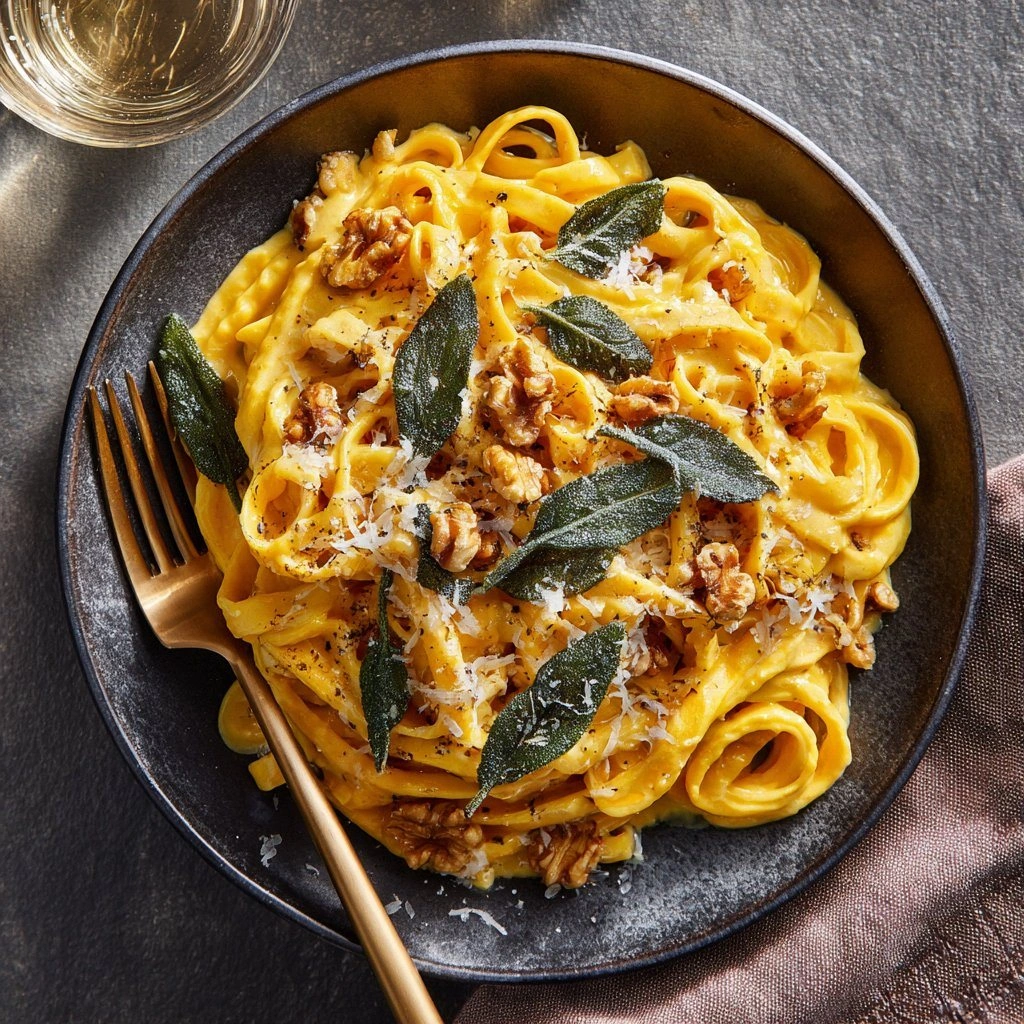
The aroma that filled the room was a heady mix of roasted pumpkin, melted butter, and fresh sage—each note dancing on the air like a mischievous melody. My eyes widened as the sauce thickened into a glossy, velvety coat that clung to each strand of fettuccine, while the sizzling garlic released a buttery perfume that made my mouth water. The texture was a perfect balance: the pumpkin puree brought a subtle sweetness and silky smoothness, the heavy cream added richness, and the toasted breadcrumbs introduced a satisfying crunch that broke the monotony of a creamy dish. I tasted a spoonful, and it was as if the sauce had turned the pasta into a luxurious, comforting hug that lingered on the palate. Every bite was a revelation, a reminder that a simple tweak—like adding crispy sage—can elevate a dish from ordinary to unforgettable.
Why does this version stand out? Because I dared to combine a traditional alfredo base with the autumnal sweetness of pumpkin, then finished it with a crunch that’s almost unheard of in creamy sauces. I didn’t just add pumpkin; I blended it into the sauce at the very beginning, allowing the flavors to meld before the pasta even hit the pot. The result is a dish that feels both indulgent and seasonally grounded, with a depth of flavor that keeps guests asking for seconds. Most recipes get this completely wrong—adding pumpkin after the sauce is set or using a thin, watery puree that dilutes the richness. Here, the puree is thick, the sauce is thick, and the result is a silky, decadent bowl that’s practically a hug in a bowl.
Picture this: the moment you lift the ladle, the sauce glistens like liquid velvet, and the crispy sage flakes crackle against your tongue, giving that satisfying pop of texture. Imagine the kitchen filled with the comforting scent of pumpkin, garlic, and butter, a scent that makes you feel like you’re already home. That’s the promise of this recipe. And the secret? A small but powerful technique that ensures the pumpkin puree never clumps or loses its bright color. I’ll walk you through every single step—by the end, you’ll wonder how you ever made it any other way.
Alright, let’s break down exactly what goes into this masterpiece…
What Makes This Version Stand Out
- Flavor: The pumpkin puree is folded into the sauce from the start, creating a harmonious sweetness that balances the richness of cream and butter. This early integration prevents the pumpkin from becoming a mere garnish, giving every bite a deep, comforting flavor.
- Texture: The sauce coats the pasta like velvet, while the toasted breadcrumbs add a contrasting crunch that keeps the dish exciting. The creamy consistency is achieved by simmering the sauce just long enough to thicken without becoming too heavy.
- Simplicity: With only ten ingredients and a straightforward method, you can create a gourmet experience in under an hour. No complex techniques—just patience and a few key steps.
- Uniqueness: The crispy sage is the secret weapon that sets this dish apart. It provides a smoky, savory finish that contrasts beautifully with the sweet pumpkin.
- Crowd Reaction: Friends who’ve tried this rave about the balance of sweet and savory, and the dish’s ability to impress even the most discerning palates.
- Make‑Ahead Potential: The sauce can be prepared a day ahead, and the crispy sage can be toasted fresh before serving, ensuring maximum flavor and texture.
Inside the Ingredient List
The Flavor Base
At the heart of this dish is a rich sauce that marries the buttery depth of cream with the earthy sweetness of pumpkin. The pumpkin puree is the star, but it’s the harmony with heavy cream, butter, and Parmesan that creates a velvety base. Each component plays a role: butter adds gloss, cream provides body, and Parmesan lends umami. Skipping any of these would leave the sauce thin and underdeveloped. For the best results, choose a pumpkin puree that’s thick, not watery, to maintain the sauce’s integrity.
The Texture Crew
Texture is everything in a creamy pasta dish, and this recipe delivers on all fronts. The toasted breadcrumbs add a satisfying crunch that interrupts the silky sauce. Crispy sage, toasted to a golden crisp, offers a smoky contrast and a pop of flavor. If you prefer a lighter bite, reduce the breadcrumb quantity or use a fine crumb. These textural elements are what transform a simple alfredo into a memorable experience.
The Unexpected Star
Crispy sage is the unexpected star that elevates this dish. Fresh sage, when toasted, develops a nutty aroma and a crispy edge that shatters like thin ice. It’s a subtle nod to autumn, complementing the pumpkin without overpowering it. If fresh sage is unavailable, dried sage can work, but the texture will differ. This ingredient is the secret that makes the dish stand out in a crowd of ordinary alfredo recipes.
The Final Flourish
Garnishing with a sprinkle of fresh sage and a drizzle of olive oil adds a finishing touch that’s both visual and gustatory. The olive oil gives a glossy sheen and a hint of brightness, while the fresh sage leaves a lingering aroma. This final flourish turns the dish from good to extraordinary. Remember, presentation matters—arrange the pasta in a shallow bowl, top with sage, and serve immediately to preserve the crisp.
Everything’s prepped? Good. Let’s get into the real action…
The Method — Step by Step
- Bring a large pot of salted water to a rolling boil. In the meantime, heat a large skillet over medium heat and add the olive oil. Once the oil is shimmering, sauté the diced onion until it turns translucent, about 3–4 minutes. Add the minced garlic and cook for an additional minute, letting the aroma fill the kitchen. This step builds the flavor foundation that will carry through the sauce.
- Pour in the pumpkin puree, stirring to combine with the onion and garlic mixture. Let the puree simmer for 2–3 minutes, allowing the flavors to meld. This brief cook time helps the pumpkin release its natural sweetness and reduces any raw edge. Keep an eye on the mixture to prevent it from sticking to the pan.
- Introduce the heavy cream, stirring continuously to create a smooth, homogenous mixture. Allow the sauce to reduce slightly, about 4–5 minutes, until it thickens enough to coat the back of a spoon. The cream’s fat content will give the sauce its luxurious body. At this point, the sauce should emit a buttery aroma that signals it’s almost ready.
- Add the grated Parmesan, a pinch of cayenne pepper, and the dried sage. Stir until the cheese melts completely, creating a silky, aromatic base. The cayenne adds a subtle heat that balances the sweetness of the pumpkin, while the sage infuses the sauce with a woody undertone. Taste the sauce and adjust the seasoning with salt and black pepper as needed.
- Meanwhile, bring a separate pot of salted water to a boil and cook the fettuccine until al dente, about 8–10 minutes. Drain the pasta, reserving a cup of the starchy cooking water. This water can be used later to adjust the sauce’s consistency if it’s too thick. The pasta should be firm to the bite, providing a satisfying chew that pairs well with the creamy sauce.
- Return the drained pasta to the skillet with the sauce, tossing to coat each strand evenly. If the sauce appears too thick, add a splash of the reserved pasta water until the desired consistency is achieved. This step ensures the sauce clings to every noodle, creating a cohesive, luscious bite. The pasta should be warm and glossy, with the sauce enveloping each strand like a velvet blanket.
- In a small skillet, heat a tablespoon of butter over medium heat. Add the breadcrumbs and toast them until golden and fragrant, about 3–4 minutes. Remove from heat and let them cool. The toasted breadcrumbs add a delightful crunch that contrasts the silky sauce.
- Serve the pasta hot, garnished with a sprinkle of toasted breadcrumbs, a handful of crispy sage, and an extra drizzle of olive oil. The final touch is a dusting of fresh grated Parmesan for that extra umami kick. Plate immediately to preserve the crispiness of the sage and breadcrumbs. Enjoy the first bite—your senses will be in awe of the harmony between sweet, savory, and crunchy.
That’s it—you did it. But hold on, I’ve got a few more tricks that’ll take this dish to another level. Stick around for insider tips that will help you master the sauce, tweak the texture, and avoid common pitfalls.
Insider Tricks for Flawless Results
The Temperature Rule Nobody Follows
Many chefs keep the sauce on high heat, which can scorch the cream and create a bitter taste. I swear by a gentle low simmer once the cream is added—this preserves the richness without compromising the flavor. Keep the heat between 200–250 °F (93–121 °C) and stir constantly. This small adjustment ensures a silky, buttery sauce that doesn’t burn.
Why Your Nose Knows Best
When the sauce begins to thicken, the aroma shifts from buttery to caramelized. Trust that scent—it signals the sauce is ready to be tossed with pasta. A quick sniff can save you from overcooking or undercooking the sauce. I’ve learned that a slightly caramelized aroma means the sauce has developed depth without burning.
The 5‑Minute Rest That Changes Everything
After cooking the pasta, let it rest in the skillet for 2–3 minutes before serving. This allows the noodles to soak up the sauce, ensuring each strand is coated. Resting also lets the flavors meld, creating a more cohesive dish. Skipping this step often results in uneven coating and a less satisfying bite.
Don’t Forget the Pasta Water
That starchy water is your secret weapon for adjusting sauce consistency. It contains gelatin that helps the sauce cling to the pasta. If the sauce looks thick, add a tablespoon at a time until it reaches your desired thickness. This technique is especially useful when you’re serving a crowd or when the sauce has cooled and thickened.
Perfecting the Crispy Sage
To achieve the ultimate crunch, toast the sage leaves in a dry skillet over medium heat until they’re crisp and aromatic. Flip them frequently to avoid burning. Once crispy, let them cool on parchment paper. The result is a delicate, smoky crunch that elevates the dish. I’ve tried baking sage in the oven, but the skillet method gives a more immediate, satisfying crisp.
Creative Twists and Variations
This recipe is a playground. Here are some of my favorite ways to switch things up:
Spinach & Mushroom Fusion
Add a cup of sautéed spinach and sliced mushrooms to the sauce for an earthy depth. The spinach wilts into the creamy base, while mushrooms bring umami. This variation is perfect for a hearty, vegetarian dinner.
Spicy Cajun Kick
Replace the cayenne with a tablespoon of Cajun seasoning and add a dash of hot sauce. The heat balances the pumpkin’s sweetness and creates a bold, flavor‑rich sauce. Great for guests who love a spicy bite.
Cheesy Broccoli Bomb
Stir in a cup of steamed broccoli florets and a handful of shredded cheddar. The broccoli adds crunch and a subtle bitterness that cuts through the richness. The cheddar melts into the sauce, adding a creamy layer.
Herb‑Infused Cream
Swap the dried sage for fresh thyme and rosemary, and finish with a splash of lemon zest. The bright herb notes brighten the dish, making it feel lighter and more aromatic. This version is ideal for a springtime dinner.
Gluten‑Free Delight
Use gluten‑free fettuccine or spiralized zucchini noodles. The sauce still coats the noodles beautifully, and the crunchy breadcrumbs add a satisfying texture. This adaptation is a hit for those with dietary restrictions.
Storing and Bringing It Back to Life
Fridge Storage
Store leftovers in an airtight container in the refrigerator for up to 3 days. The sauce may thicken slightly upon cooling, so add a splash of milk or pasta water before reheating. Keep the crispy sage separate; it will lose its crunch if stored with the sauce.
Freezer Friendly
Freeze the sauce and pasta separately in freezer‑safe containers for up to 2 months. Reheat the sauce on the stovetop, whisking in a bit of milk to restore creaminess. Reheat the pasta in boiling water for 1–2 minutes, then toss with the sauce.
Best Reheating Method
To preserve the sauce’s silky texture, reheat over low heat while stirring constantly. Add a small splash of water or milk to loosen the sauce if it’s become too thick. Serve immediately, and if you’re feeling fancy, top with freshly toasted breadcrumbs and a few sage leaves for that crisp finish.