
Danish Meatballs
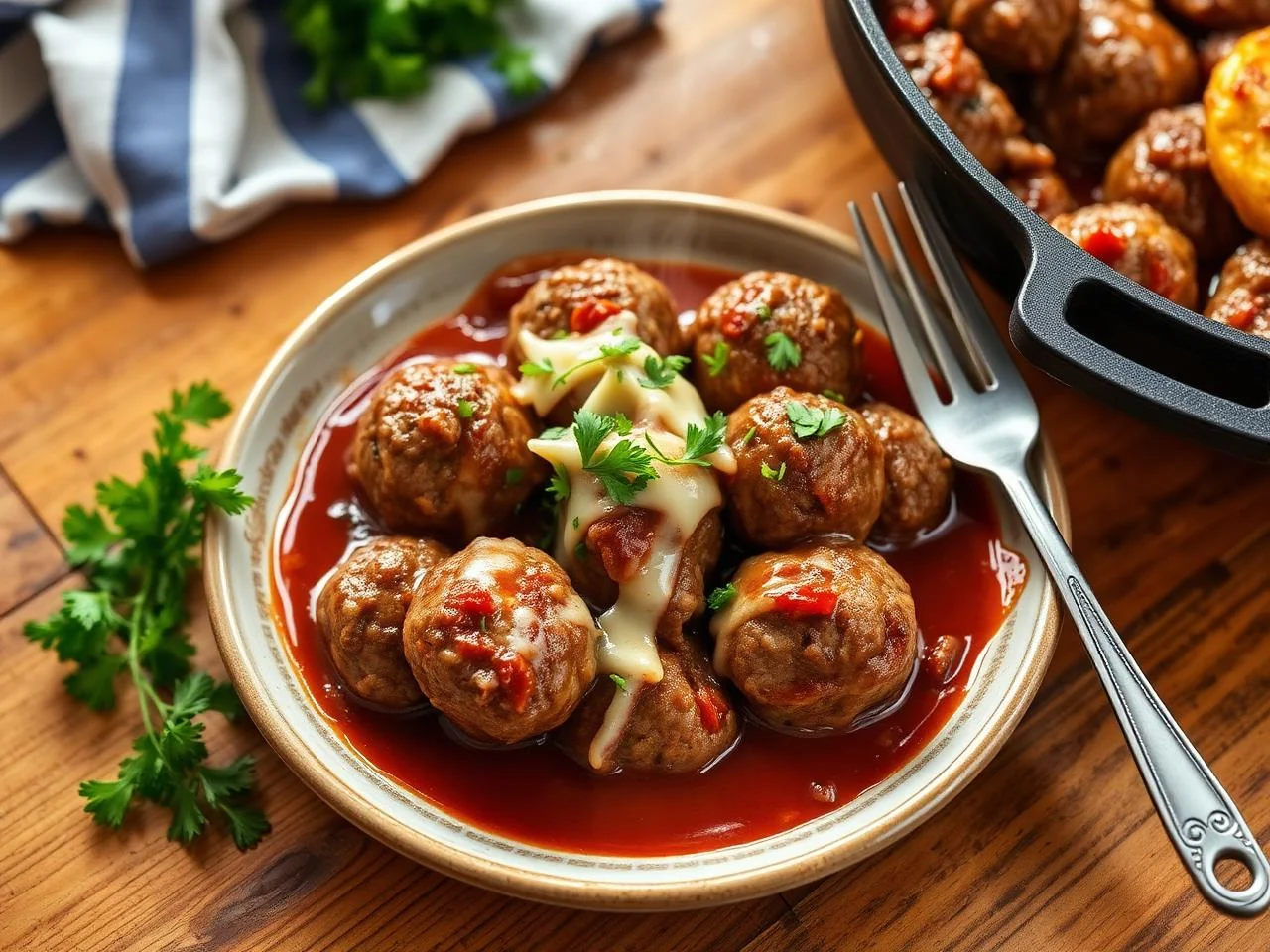
I still remember the first time I had Danish Meatballs at my friend's house. It was love at first bite! The combination of flavors and textures was just perfect. Since then, I've been experimenting with different recipes to create my own version of this delicious dish.
As a home cook, I'm always on the lookout for recipes that are easy to make, delicious, and budget-friendly. Danish Meatballs fit the bill perfectly. They're made with ground beef, which is an affordable and accessible ingredient, and they're packed with flavor from the onions, garlic, and spices.
One of the things I love about this recipe is that it's incredibly versatile. You can serve the meatballs with a variety of sides, from mashed potatoes to roasted vegetables, and they're also great as a snack or appetizer. Plus, they're easy to make ahead and freeze for later, which makes them perfect for busy weeknights.
In this recipe, I'll walk you through the steps to make delicious Danish Meatballs from scratch. From browning the beef to serving the finished dish, I'll share all my tips and tricks to ensure that your meatballs turn out perfect every time.
So, if you're looking for a hearty, comforting dish that's easy to make and packed with flavor, then you're in the right place. Let's get started and make some delicious Danish Meatballs!
Why You’ll Love This Recipe
- Danish Meatballs are easy to make and require minimal ingredients.
- They're perfect for a weeknight dinner and can be made ahead and frozen for later.
- The dish is versatile and can be served with a variety of sides, from mashed potatoes to roasted vegetables.
- The meatballs are packed with flavor from the onions, garlic, and spices.
- They're a great source of protein and can be made with leaner ground beef for a healthier option.
- The dish is budget-friendly and can be made with affordable ingredients.
- Danish Meatballs are a comforting and hearty dish that's perfect for cold winter nights.
Why This Recipe Works
The key to making great Danish Meatballs is to cook them in a way that creates a nice crust on the outside while keeping the inside juicy and tender. This is achieved by browning the meatballs in a hot pan with a small amount of oil, which helps to create a nice crust on the outside.
Another important factor is the use of breadcrumbs and egg in the meat mixture. The breadcrumbs help to add texture and absorb excess moisture, while the egg helps to bind the ingredients together and keep the meatballs moist.
Finally, the use of a combination of beef broth and milk in the sauce helps to add flavor and moisture to the dish. The acidity in the beef broth helps to balance out the richness of the meatballs, while the milk adds a creamy and velvety texture to the sauce.
By following these tips and using the right ingredients, you'll be able to create delicious Danish Meatballs that are sure to become a favorite in your household.
Ingredients You’ll Need
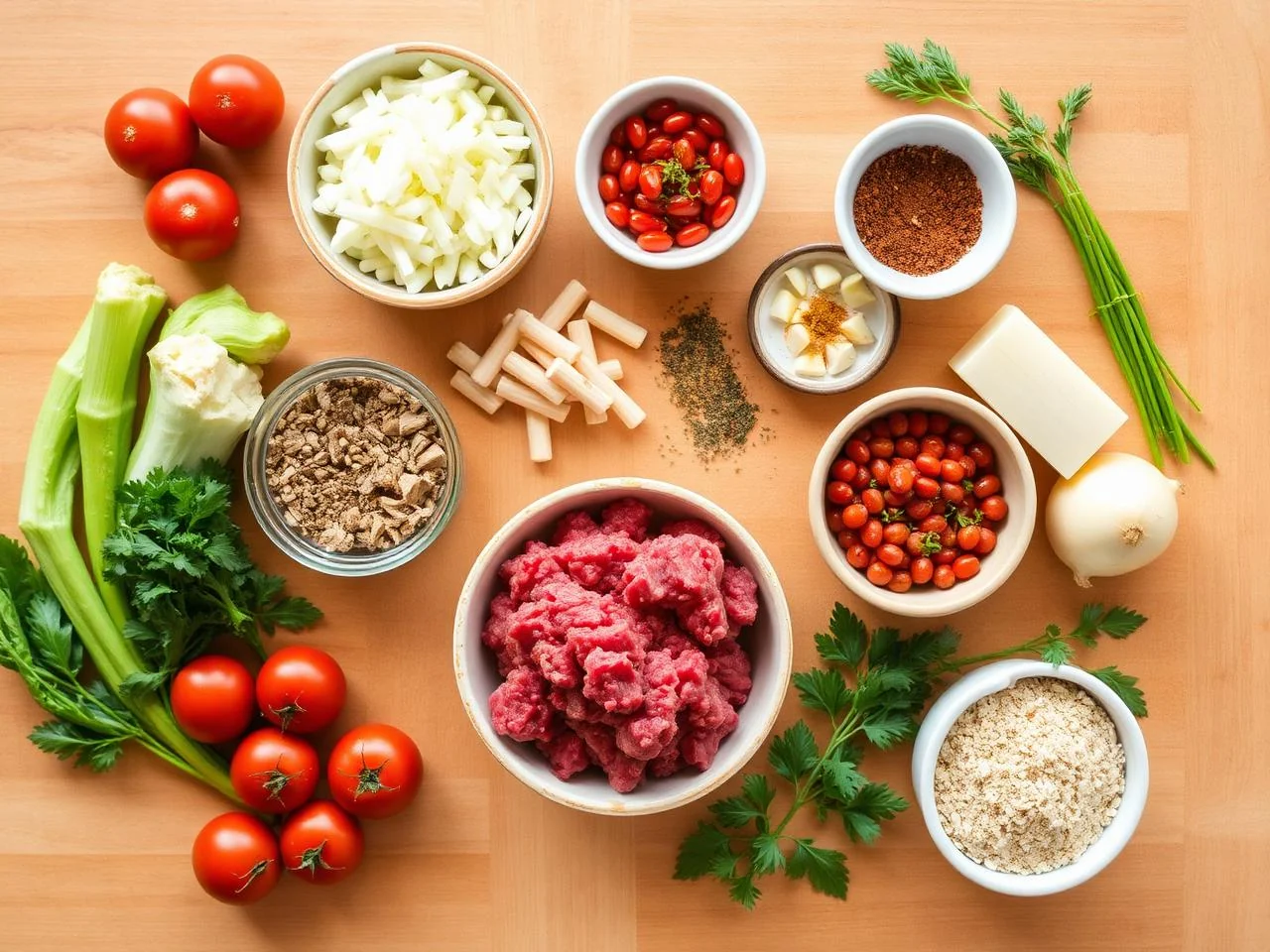
To make delicious Danish Meatballs, you'll need a few simple ingredients, including ground beef, onions, garlic, and spices. You'll also need some breadcrumbs and egg to help bind the ingredients together and add texture to the meatballs.
When shopping for the ingredients, make sure to choose high-quality ground beef that's fresh and has a good fat content. You'll also want to choose fresh onions and garlic for the best flavor.
- 1 lb (450g) ground beefChoose high-quality ground beef that's fresh and has a good fat content. You can also use leaner ground beef for a healthier option.
- 1/2 cup (60g) breadcrumbsUse plain breadcrumbs or panko breadcrumbs for the best results. Avoid using whole wheat breadcrumbs as they can make the meatballs denser.
- 1 eggThe egg helps to bind the ingredients together and keep the meatballs moist. Make sure to use a fresh egg for the best results.
- 1/4 cup (30g) finely chopped onionUse a sweet onion such as Vidalia or Maui for the best flavor. Avoid using red onions as they can make the meatballs too sweet.
- 2 cloves garlic, mincedUse fresh garlic for the best flavor. You can also use garlic powder as a substitute, but fresh garlic is preferred.
- 1/2 tsp (2g) saltUse kosher salt or sea salt for the best flavor. Avoid using table salt as it can make the meatballs too salty.
- 1/4 tsp (1g) black pepperUse freshly ground black pepper for the best flavor. Avoid using pre-ground black pepper as it can lose its flavor quickly.
- 1/4 tsp (1g) nutmegUse freshly ground nutmeg for the best flavor. Avoid using pre-ground nutmeg as it can lose its flavor quickly.
- 1/4 cup (60ml) beef brothUse low-sodium beef broth for the best flavor. You can also use homemade beef broth for a more rich and flavorful sauce.
- 1/4 cup (60ml) milkUse whole milk or 2% milk for the best flavor. Avoid using skim milk as it can make the sauce too watery.
- 2 tbsp (30g) all-purpose flourUse all-purpose flour to thicken the sauce. You can also use cornstarch or tapioca flour as a substitute.
- 2 tbsp (30g) butterUse unsalted butter for the best flavor. You can also use salted butter, but reduce the amount of salt used in the recipe.
Equipment You’ll Need
How to Make Danish Meatballs
- 1In a large bowl, combine the ground beef, breadcrumbs, egg, chopped onion, garlic, salt, black pepper, and nutmeg. Mix the ingredients together with your hands or a wooden spoon until just combined. Be careful not to overmix the meat.
- 2Use a meatball scoop or small ice cream scoop to form the meat mixture into meatballs, about 1 1/2 inches (3.8 cm) in diameter. You should end up with around 20-25 meatballs.
- 3Heat 1 tablespoon (15g) of butter in a large heavy skillet or Dutch oven over medium-high heat. When the butter is melted and foamy, add the meatballs to the skillet and cook until browned on all sides, about 5-7 minutes. Use a thermometer to check the internal temperature of the meatballs, which should be at least 160°F (71°C).
- 4Remove the browned meatballs from the skillet and set them aside on a plate. Reduce the heat to medium and add the remaining 1 tablespoon (15g) of butter to the skillet.
- 5Once the butter is melted, sprinkle the flour over the butter and cook for 1-2 minutes, stirring constantly, until the mixture is lightly browned and has a nutty aroma.
- 6Gradually add the beef broth and milk to the skillet, whisking constantly to avoid lumps. Bring the mixture to a simmer and cook until it thickens, about 2-3 minutes.
- 7Add the browned meatballs back to the skillet and simmer them in the sauce for 5-7 minutes, or until they are cooked through and the sauce has thickened. Use a thermometer to check the internal temperature of the meatballs, which should be at least 165°F (74°C).
- 8Season the sauce with salt and pepper to taste, then serve the meatballs hot, garnished with chopped fresh parsley or dill.
- 9Let the meatballs rest for 5-10 minutes before serving to allow the juices to redistribute and the meat to relax.
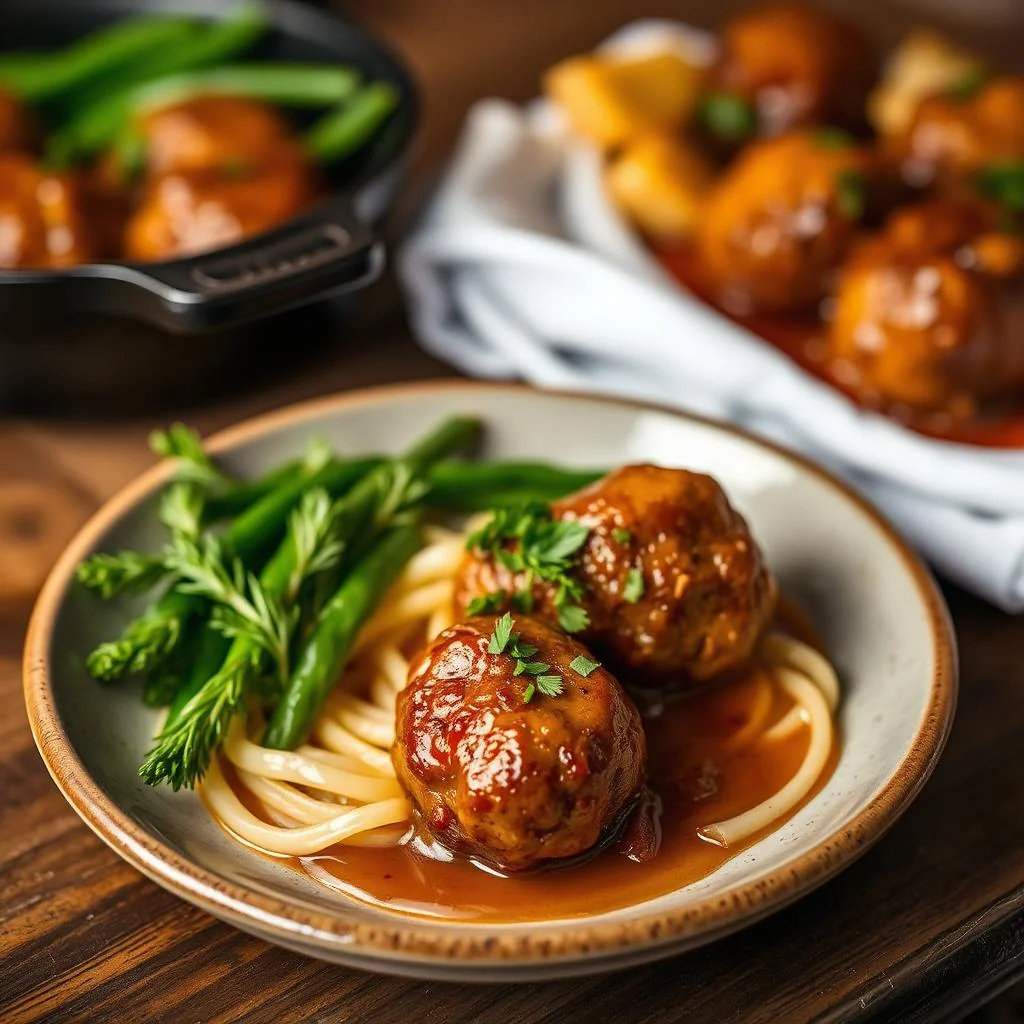
- 10Serve the Danish Meatballs with your choice of sides, such as mashed potatoes, roasted vegetables, or egg noodles.
- 11You can also serve the meatballs as a snack or appetizer, or use them in a sub sandwich or wrap.
- 12To freeze the meatballs, cool them to room temperature, then place them on a baking sheet lined with parchment paper and put them in the freezer. Once frozen, transfer the meatballs to a freezer-safe bag or container and store them in the freezer for up to 3 months. To reheat, simply thaw the meatballs overnight in the refrigerator, then reheat them in the sauce over low heat until warmed through.
Expert Tips
- Use high-quality ground beef for the best flavor and texture.
- Don't overmix the meat mixture, as this can make the meatballs dense and tough.
- Use a thermometer to check the internal temperature of the meatballs, which should be at least 160°F (71°C) for medium-rare and 165°F (74°C) for medium.
- Don't overcrowd the skillet when cooking the meatballs, as this can cause them to steam instead of brown. Cook them in batches if necessary.
- Let the meatballs rest for 5-10 minutes before serving to allow the juices to redistribute and the meat to relax.
- You can also add other ingredients to the meat mixture, such as chopped bell peppers or mushrooms, to add more flavor and texture.
- To make the sauce ahead of time, simply cook the flour and butter mixture, then add the beef broth and milk and bring to a simmer. Let the sauce cool, then refrigerate or freeze it until ready to use.
- You can also use different types of milk, such as almond or soy milk, for a non-dairy version of the sauce.
Common Mistakes to Avoid
- Overmixing the meat mixture, which can make the meatballs dense and tough.
- Not cooking the meatballs to a safe internal temperature, which can cause foodborne illness.
- Not letting the meatballs rest before serving, which can cause them to be dry and tough.
- Not using enough fat in the skillet, which can cause the meatballs to stick and burn.
- Not whisking the sauce constantly, which can cause lumps to form.
- Not seasoning the sauce to taste, which can cause it to be bland and unappetizing.
Variations and Substitutions
- Add chopped bell peppers or mushrooms to the meat mixture for added flavor and texture.
- Use different types of cheese, such as cheddar or Parmesan, for a unique flavor.
- Add some heat to the sauce with red pepper flakes or diced jalapenos.
- Use different types of milk, such as almond or soy milk, for a non-dairy version of the sauce.
- Add some smokiness to the sauce with a little bit of liquid smoke.
- Use ground pork or a combination of ground meats for a different flavor profile.
- Add some fresh herbs, such as parsley or thyme, to the sauce for a bright and fresh flavor.
What to Serve With Danish Meatballs
Danish Meatballs are a versatile dish that can be served in a variety of ways. You can serve them as a main course, accompanied by sides such as mashed potatoes, roasted vegetables, or egg noodles. You can also serve them as a snack or appetizer, or use them in a sub sandwich or wrap.
Some other ideas for serving Danish Meatballs include:
- Serving them with a side of lingonberry jam or cranberry sauce for a sweet and tangy contrast.
- Adding them to a hearty stew or soup for a boost of protein and flavor.
- Serving them with a side of pickled vegetables, such as cucumbers or carrots, for a tangy and refreshing contrast.
Make-Ahead, Storage, Freezing and Reheating
Danish Meatballs can be stored in the refrigerator for up to 3 days or frozen for up to 3 months. To store them in the refrigerator, simply place them in a covered container and refrigerate at 40°F (4°C) or below.
To freeze the meatballs, cool them to room temperature, then place them on a baking sheet lined with parchment paper and put them in the freezer. Once frozen, transfer the meatballs to a freezer-safe bag or container and store them in the freezer at 0°F (-18°C) or below.
To reheat the meatballs, simply thaw them overnight in the refrigerator, then reheat them in the sauce over low heat until warmed through. You can also reheat them in the microwave or oven, but be careful not to overcook them.
Some tips for storing and reheating Danish Meatballs include:
- Making sure to cool the meatballs to room temperature before refrigerating or freezing them to prevent bacterial growth.
- Using airtight containers to store the meatballs and prevent drying out.
- Reheating the meatballs to an internal temperature of at least 165°F (74°C) to ensure food safety.
Frequently Asked Questions
What is the best type of ground beef to use for Danish Meatballs?
The best type of ground beef to use for Danish Meatballs is a high-quality ground beef with a good fat content, such as 80/20 or 70/30. This will help to keep the meatballs moist and flavorful.
How do I prevent the meatballs from becoming too dense and tough?
To prevent the meatballs from becoming too dense and tough, make sure to not overmix the meat mixture and handle the meatballs gently when forming them. You can also add some breadcrumbs or egg to the meat mixture to help keep the meatballs light and tender.
Can I make the sauce ahead of time?
Yes, you can make the sauce ahead of time by cooking the flour and butter mixture, then adding the beef broth and milk and bringing to a simmer. Let the sauce cool, then refrigerate or freeze it until ready to use.
How do I reheat the meatballs without drying them out?
To reheat the meatballs without drying them out, make sure to reheat them in a sauce or gravy, and use low heat to prevent burning or overcooking. You can also add a little bit of water or broth to the sauce to help keep the meatballs moist.
Can I use different types of milk for the sauce?
Yes, you can use different types of milk for the sauce, such as almond or soy milk, for a non-dairy version. However, keep in mind that the flavor and texture of the sauce may be slightly different.
How long can I store the meatballs in the refrigerator or freezer?
You can store the meatballs in the refrigerator for up to 3 days or freeze them for up to 3 months. Make sure to cool them to room temperature before refrigerating or freezing, and use airtight containers to prevent drying out.
Can I make the meatballs in advance and cook them later?
Yes, you can make the meatballs in advance and cook them later. Simply form the meatballs and place them on a baking sheet lined with parchment paper, then refrigerate or freeze them until ready to cook.
How do I prevent the meatballs from sticking to the skillet?
To prevent the meatballs from sticking to the skillet, make sure to use enough fat, such as butter or oil, and handle the meatballs gently when forming them. You can also use a non-stick skillet or add a little bit of flour to the meat mixture to help prevent sticking.
Can I use different types of cheese for the sauce?
Yes, you can use different types of cheese for the sauce, such as cheddar or Parmesan, for a unique flavor. However, keep in mind that the flavor and texture of the sauce may be slightly different.
Ingredients
- 1 lb (450g) ground beef
- 1/2 cup (60g) breadcrumbs
- 1 egg
- 1/4 cup (30g) finely chopped onion
- 2 cloves garlic, minced
- 1/2 tsp (2g) salt
- 1/4 tsp (1g) black pepper
- 1/4 tsp (1g) nutmeg
- 1/4 cup (60ml) beef broth
- 1/4 cup (60ml) milk
- 2 tbsp (30g) all-purpose flour
- 2 tbsp (30g) butter
Instructions
- In a large bowl, combine the ground beef, breadcrumbs, egg, chopped onion, garlic, salt, black pepper, and nutmeg. Mix the ingredients together with your hands or a wooden spoon until just combined. Be careful not to overmix the meat.
- Use a meatball scoop or small ice cream scoop to form the meat mixture into meatballs, about 1 1/2 inches (3.8 cm) in diameter. You should end up with around 20-25 meatballs.
- Heat 1 tablespoon (15g) of butter in a large heavy skillet or Dutch oven over medium-high heat. When the butter is melted and foamy, add the meatballs to the skillet and cook until browned on all sides, about 5-7 minutes. Use a thermometer to check the internal temperature of the meatballs, which should be at least 160°F (71°C).
- Remove the browned meatballs from the skillet and set them aside on a plate. Reduce the heat to medium and add the remaining 1 tablespoon (15g) of butter to the skillet.
- Once the butter is melted, sprinkle the flour over the butter and cook for 1-2 minutes, stirring constantly, until the mixture is lightly browned and has a nutty aroma.
- Gradually add the beef broth and milk to the skillet, whisking constantly to avoid lumps. Bring the mixture to a simmer and cook until it thickens, about 2-3 minutes.
- Add the browned meatballs back to the skillet and simmer them in the sauce for 5-7 minutes, or until they are cooked through and the sauce has thickened. Use a thermometer to check the internal temperature of the meatballs, which should be at least 165°F (74°C).
- Season the sauce with salt and pepper to taste, then serve the meatballs hot, garnished with chopped fresh parsley or dill.
- Let the meatballs rest for 5-10 minutes before serving to allow the juices to redistribute and the meat to relax.
- Serve the Danish Meatballs with your choice of sides, such as mashed potatoes, roasted vegetables, or egg noodles.
- You can also serve the meatballs as a snack or appetizer, or use them in a sub sandwich or wrap.
- To freeze the meatballs, cool them to room temperature, then place them on a baking sheet lined with parchment paper and put them in the freezer. Once frozen, transfer the meatballs to a freezer-safe bag or container and store them in the freezer for up to 3 months. To reheat, simply thaw the meatballs overnight in the refrigerator, then reheat them in the sauce over low heat until warmed through.