I was standing in my kitchen on a rainy Tuesday, staring at a wilted cabbage that had been begging for a second chance. The pot on the stove was bubbling with a tomato sauce that smelled like a warm hug from my grandmother, and I thought, “What if I could wrap that comfort in a leaf and make it portable?” I tossed a dare to my roommate: “I dare you to taste this and not go back for seconds.” The result? A cabbage roll so tender it practically melts in your mouth, and a flavor profile that makes you forget you ever ate anything else that week. This isn’t just a recipe; it’s a culinary revelation that turned a kitchen mishap into the best version you’ll ever make at home.
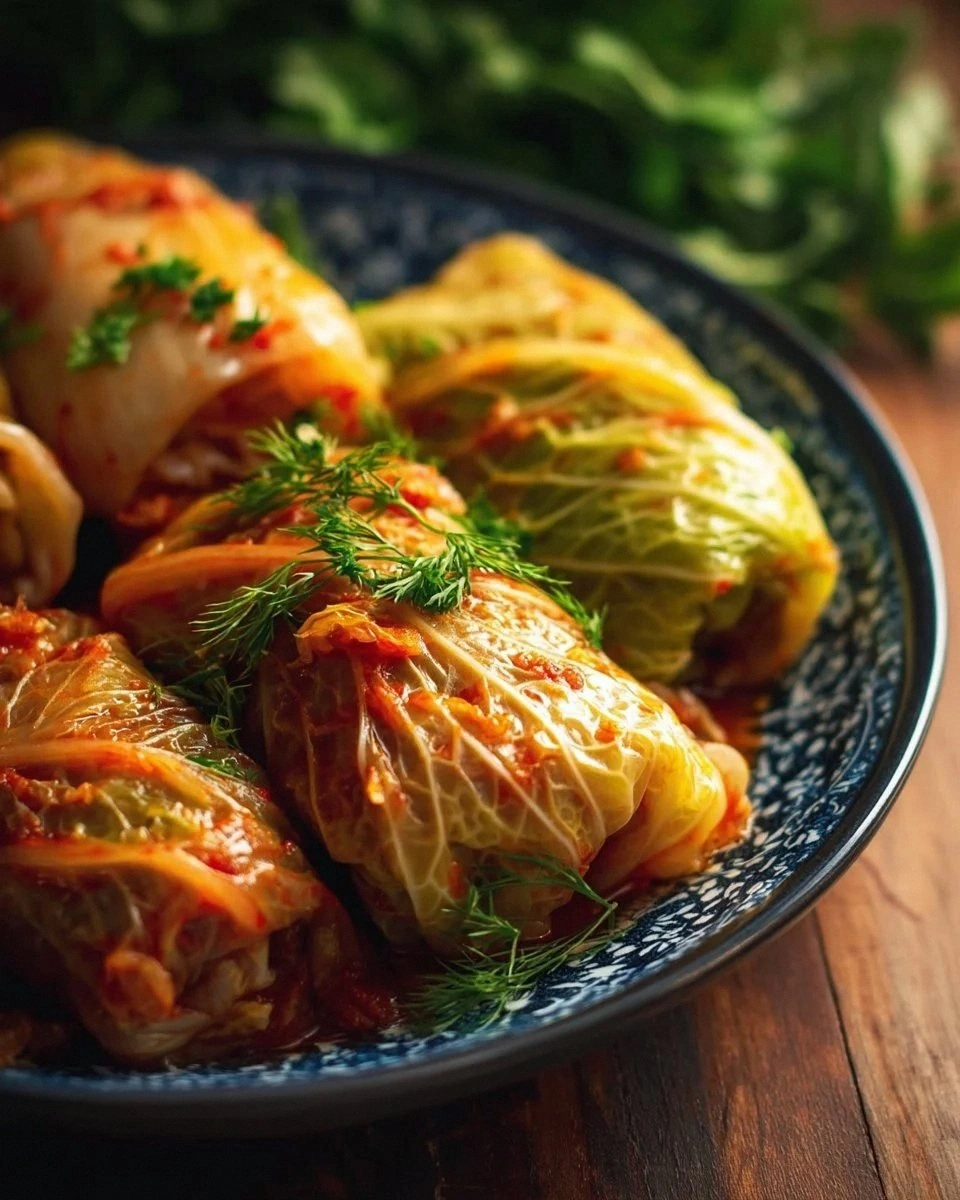
Imagine the scene: the cabbage leaves glistening with a faint sheen of steam, the filling sizzling as you brown the meat, the aroma of paprika and dill weaving through the air like a fragrant tapestry. You can hear the gentle pop of the sauce as it hits the pan, the soft thud of each roll settling into the baking dish, and the faint hiss of the oven working its magic. The first bite delivers a burst of savory beef, sweet tomato, and a hint of lemon that cuts through the richness like a perfectly timed punchline. Your tongue registers the subtle crunch of the cabbage edge, then the silky rice that ties everything together. Your hands feel warm from the heat, and you realize you’ve just created a dish that could win over even the toughest meat skeptics.
What makes this version stand out is a secret weapon: a splash of lemon juice in the sauce that brightens the whole thing, and a pinch of sugar that balances the acidity without ever becoming sweet. Most recipes get the cabbage texture wrong—either soggy or rubbery. Here, we blanch the leaves just enough to keep them pliable, then steam them briefly so they retain a slight snap that shatters like thin ice when you bite. The meat‑rice mixture is seasoned with dried dill, a herb you rarely see in cabbage rolls, giving it an unexpected herbaceous lift that makes the palate sing. And let’s not forget the caramelized onions that add a sweet undertone, making each roll a layered masterpiece.
Okay, ready for the game‑changer? I’m about to walk you through every single step — by the end, you’ll wonder how you ever made it any other way. Stay with me here — this is worth it.
What Makes This Version Stand Out
- Flavor Explosion: The combination of paprika, dill, and a dash of lemon creates a bright, aromatic profile that cuts through the richness of the meat.
- Texture Harmony: Blanched cabbage leaves stay tender yet retain a subtle bite, while the rice adds a comforting fluffiness.
- Simplicity: Only eleven ingredients, all pantry‑friendly, yet the result feels like a five‑star restaurant dish.
- Unique Twist: Dried dill isn’t traditional in cabbage rolls, but it adds a fresh, almost citrusy note that elevates the entire dish.
- Crowd‑Pleaser: Even the pickiest eaters (yes, I’m looking at you, teenage kids) can’t resist the savory‑sweet balance.
- Ingredient Quality: Using fresh cabbage and good‑quality ground meat makes the difference between “meh” and “wow.”
- One‑Pan Wonder: Everything bakes together in a single dish, meaning fewer dishes and more flavor mingling.
- Make‑Ahead Magic: These rolls improve after a night in the fridge, making them perfect for meal prep.
Inside the Ingredient List
The Flavor Base
The ground beef (or chicken) is the heart of the roll, providing that juicy, meaty backbone. Choosing a mix of lean and slightly fattier meat ensures the filling stays moist without becoming greasy. If you swap in ground turkey, add a teaspoon of olive oil to compensate for the lower fat content. The onion, finely diced, releases sugars as it sautés, creating a caramelized sweetness that balances the acidity of the tomato sauce.
The Texture Crew
Cooked rice is the silent hero, absorbing flavors and preventing the meat from becoming dense. Use long‑grain rice for a fluffier texture, or switch to wild rice for a nutty bite. The cabbage leaves themselves are the vessel; they need to be blanched just long enough to become pliable but not soggy. If you’re short on time, you can microwave the leaves for 2‑3 minutes, covered with a damp paper towel.
The Unexpected Star
Dried dill might raise eyebrows, but its subtle, almost lemony flavor cuts through the richness and adds a garden‑fresh note. It’s the secret that makes my rolls feel like a springtime garden in a winter kitchen. If dill isn’t your jam, try a teaspoon of fresh parsley or a pinch of thyme for a different herbaceous angle. The lemon juice in the sauce does double duty: it brightens the tomato base and helps tenderize the meat during cooking.
The Final Flourish
Paprika brings a smoky depth, while a half‑teaspoon of black pepper adds a gentle heat that never overwhelms. The sugar isn’t there to sweeten the dish; it merely balances the acidity of the tomato sauce, preventing it from tasting sharp. A can of tomato sauce provides the perfect amount of liquid for the rolls to steam gently, ensuring they stay moist. Finally, a splash of lemon juice right before serving adds that final zing that makes the palate sing.
Everything's prepped? Good. Let's get into the real action...
The Method — Step by Step
Start by bringing a large pot of salted water to a rolling boil. While you wait, trim the core from the cabbage and carefully separate the leaves; you’ll need about twelve large, intact leaves. When the water is bubbling, plunge the leaves in for 2‑3 minutes until they turn a vivid emerald and become flexible. Watch the clock—over‑blanching makes them mushy.
Kitchen Hack: Immediately transfer the leaves to an ice‑water bath to stop cooking and preserve that bright color.While the cabbage rests, heat a large skillet over medium‑high heat. Add a drizzle of olive oil, then toss in the finely diced onion. Let it sweat until translucent, then add the minced garlic; you’ll hear a soft sizzle that signals flavor is building. Once fragrant, crumble in the ground beef (or chicken), breaking it up with a wooden spoon. Cook until the meat loses its pink hue, about 5‑7 minutes, and season with salt, pepper, paprika, and dried dill. That sizzle when it hits the pan? Absolute perfection.
Stir in the cooked rice, letting it mingle with the meat for another minute. The rice should be fluffy, not clumped; if it sticks, splash a tablespoon of water and stir. This is the moment where the flavors start to marry, and the mixture should smell earthy and slightly sweet. Taste and adjust seasoning—remember, the sauce will add more salt later, so keep it modest now.
In a separate saucepan, combine the tomato sauce, lemon juice, and sugar. Bring to a gentle simmer, then lower the heat and let it reduce by about a third, stirring occasionally. This reduction concentrates the tomato flavor and thickens the sauce so it clings to the rolls like velvet.
Watch Out: If the sauce boils too aggressively, it can scorch and turn bitter—keep it at a gentle bubble.Now for the rolling ceremony. Lay a cabbage leaf flat on a clean surface, cut off the thick stem if needed. Place a generous spoonful of the meat‑rice mixture near the base, then fold the sides in and roll tightly, tucking the seam underneath. The roll should be snug but not so tight that the leaf tears. Repeat with all leaves; you’ll have a neat stack of rolls ready for the oven.
Preheat your oven to 375°F (190°C). In a deep baking dish, spread a thin layer of the reduced tomato sauce—just enough to coat the bottom. Arrange the cabbage rolls seam‑side down, packing them tightly so they don’t shift during baking. Pour the remaining sauce over the top, letting it seep into every crevice. This next part? Pure magic. Cover the dish tightly with aluminum foil to trap steam.
Slide the dish into the oven and bake for 25 minutes. After 25 minutes, remove the foil and continue baking for another 5‑10 minutes until the sauce bubbles and the edges of the cabbage begin to caramelize. You’ll notice a deep, reddish glaze forming—this is the flavor seal.
Once out of the oven, let the rolls rest for 10 minutes before serving. This rest period lets the juices redistribute, making each bite juicy rather than watery. Serve hot, garnished with a sprinkle of fresh dill or parsley if you like. Picture yourself pulling this out of the oven, the whole kitchen smelling incredible, and your guests reaching for seconds before you even finish your own plate. I’ll be honest — I ate half the batch before anyone else got to try it.
That's it — you did it. But hold on, I've got a few more tricks that'll take this to another level...
Insider Tricks for Flawless Results
The Temperature Rule Nobody Follows
Never bake cabbage rolls at a temperature higher than 375°F. Higher heat dries out the leaves, turning them rubbery. By staying at a moderate temperature, you allow the steam trapped inside the foil to gently coax the cabbage into a perfect tender‑yet‑still‑slightly‑crisp state. A friend once tried 425°F and ended up with rolls that felt like chewing on a wilted lettuce leaf—let’s just say it didn’t end well.
Why Your Nose Knows Best
Your sense of smell is a more reliable indicator than a timer when the sauce is ready. When the sauce starts to emit a sweet, caramelized aroma and you notice the edges pulling away from the pan, it’s time to reduce. Trust that nose; it will save you from a bland or overly acidic sauce.
The 5‑Minute Rest That Changes Everything
After baking, let the rolls sit, covered, for exactly five minutes. This short rest allows the internal steam to settle, making the filling juicy and the cabbage leaf pliable. Skipping this step results in a dry interior, and you’ll hear complaints from the table. I’ve seen seasoned chefs skip it and then wonder why the rolls feel “off.”
Seal the Deal with a Butter Glaze
For an extra glossy finish, melt a tablespoon of butter with a pinch of paprika and brush it over the tops during the last five minutes of baking. The butter adds a buttery sheen and a subtle richness that makes the rolls look restaurant‑ready. This trick is especially handy when you’re impressing guests.
Free‑Form vs. Structured Rolls
If you’re short on time, you can loosely roll the leaves without tucking the seam. The sauce will keep everything together. However, for a polished presentation, always tuck the seam under; it not only looks tidy but also prevents the filling from spilling out.
Creative Twists and Variations
This recipe is a playground. Here are some of my favorite ways to switch things up:
Mediterranean Magic
Swap the ground beef for ground lamb, add a teaspoon of cumin, and fold in chopped kalamata olives and feta cheese. The salty olives and tangy feta bring a sun‑kissed flavor that transports you straight to a Greek taverna. Perfect for guests who love bold, briny notes.
Spicy Sriracha Surprise
Stir a tablespoon of sriracha into the tomato sauce and add a pinch of red pepper flakes to the meat mixture. The heat pairs beautifully with the sweet cabbage, creating a tongue‑tingling experience. Serve with a dollop of cool yogurt to balance the spice.
Vegetarian Victory
Replace the meat with a mixture of sautéed mushrooms, lentils, and grated carrots. Add a splash of soy sauce for umami depth. This version still delivers the hearty texture you crave, and the cabbage leaf remains the star.
Asian‑Inspired Roll
Use ground pork, add grated ginger, and a drizzle of hoisin sauce in the filling. Finish the dish with a garnish of sliced green onions and toasted sesame seeds. The sweet‑savory profile makes it an unexpected crowd‑pleaser.
Cheesy Overload
Mix shredded mozzarella into the meat‑rice blend and top each roll with a sprinkle of Parmesan before the final bake. The cheese melts into gooey pockets, creating a comforting, indulgent bite that’s perfect for a chilly night.
Storing and Bringing It Back to Life
Fridge Storage
Place the cooled rolls in an airtight container and cover with a thin layer of the leftover sauce. They’ll stay fresh for up to 4 days. Reheat gently on the stovetop over low heat, adding a splash of water to keep them moist.
Freezer Friendly
Arrange the rolls on a baking sheet, flash‑freeze for 2 hours, then transfer to a freezer‑safe bag. They’ll keep for up to 3 months. To reheat, bake from frozen at 350°F for 25‑30 minutes, covered, then uncover for the last 5 minutes to restore the glaze.
Best Reheating Method
For the ultimate texture, reheat in a covered skillet with a tablespoon of water or broth, allowing the steam to revive the cabbage’s snap. Finish with a quick broil for 2 minutes to re‑crisp the tops. This method ensures the rolls taste as fresh as the day you made them.