The kitchen was a battlefield last night. I had just attempted a classic chicken alfredo, only to end up with a sauce that was thicker than a gravy sandwich and a chicken that was as dry as a desert. The moment the pan hit the stove, I realized I needed a new plan, a recipe that would rescue both the pasta and the protein. This is not just another pasta dish; it's a rescue mission that turns a culinary catastrophe into a triumph. The moment I tasted the first bite, I knew I had stumbled upon something extraordinary. If you’re tired of the same old alfredo and craving a dish that feels like a warm hug, you’re in the right place.
Picture the aroma that fills the kitchen: a buttery, garlicky perfume that makes your mouth water before the first forkful. The sound of the sauce bubbling is a comforting symphony, and the sight of the pasta swirling in a silky, golden coat is pure visual poetry. Each bite delivers a harmony of flavors—rich cream, sharp parmesan, and a hint of pepper that dances on your tongue. The texture is a dream: tender chicken, al dente pasta, and a sauce that clings like velvet to every strand. The result is a dish that feels indulgent yet surprisingly light, a paradox that makes it irresistible. I dare you to taste this and not go back for seconds.
What sets this version apart is the meticulous balance between simplicity and flavor. I swapped out heavy cream for half‑and‑half to reduce richness while keeping the sauce luscious. I added a whisper of nutmeg to bring warmth without overpowering. The chicken is seared to a golden crust before the sauce is poured, giving it a texture that is both juicy and caramelized. The sauce thickens just enough to coat the pasta without becoming heavy, thanks to a touch of flour that creates a silky base. This is hands down the best version you'll ever make at home, and you’ll wonder how you ever cooked it any other way.
The technique I use to keep the sauce from separating is simple yet effective: whisking constantly while adding the cream, and finishing with a splash of pasta water to emulsify. The result is a sauce that glides over the pasta like a silk ribbon. The final touch is a sprinkle of fresh parsley that adds color and a burst of freshness. If you’ve ever struggled with alfredo that turns to curd, you’re not alone—and I’ve got the fix. Stay with me here—this is worth it. Let me walk you through every single step—by the end, you'll wonder how you ever made it any other way.
What Makes This Version Stand Out
- Taste: The sauce is a creamy, savory masterpiece that balances richness with bright acidity from parmesan. The subtle nutmeg adds warmth without dominating. The chicken's caramelized crust offers a delightful contrast.
- Texture: The pasta stays al dente, while the sauce coats it like a velvety blanket. The chicken is juicy inside with a crisp edge that shatters like thin ice. The sauce’s silky consistency never clumps or separates.
- Simplicity: All steps can be completed in a single skillet, reducing cleanup and time. You only need a handful of ingredients, most of which you likely already have. The recipe is straightforward, ideal for beginners and seasoned cooks alike.
- Uniqueness: The addition of nutmeg and a touch of flour creates a sauce that is both classic and innovative. The searing technique gives the chicken a depth of flavor you won’t find in store‑bought alfredo mixes. The final sprinkle of parsley adds color and freshness.
- Crowd Reaction: Guests rave about the sauce’s depth and the chicken’s tenderness. The dish is a show‑stopper at dinner parties and a comfort food for family nights. The presentation is simple yet elegant, making it perfect for any occasion.
- Ingredient Quality: Using fresh parmesan and high‑quality butter elevates the dish. Choosing bone‑in chicken breast adds flavor and keeps the meat juicy. The recipe uses real garlic, not powder, for authentic aroma.
- Cooking Method: One‑pan cooking ensures everything cooks evenly and flavors meld. The technique of deglazing the pan with cream locks in the browned bits, creating a rich base. The final step of adding pasta water creates a glossy, cohesive sauce.
- Make‑Ahead Potential: The dish can be cooked ahead and reheated without losing quality. The sauce holds up well when stored, and the chicken remains moist. It’s a great option for busy weeknights.
Inside the Ingredient List
The Flavor Base
Garlic: Fresh minced garlic brings a punchy, aromatic foundation that cuts through the richness of the cream. If you’re short on time, a small pinch of garlic powder can substitute, but the fresh bite is irreplaceable. Skipping garlic will leave the sauce feeling flat; it’s the first layer of flavor.
Olive Oil: A tablespoon of extra‑virgin olive oil creates a silky base for searing and helps the butter melt evenly. Choosing a high‑quality oil adds a subtle fruity note that complements the parmesan. If you don’t have olive oil, a neutral oil will work but the flavor profile will shift slightly.
The Texture Crew
Chicken Breast: A single pound of boneless, skinless chicken breast is the star protein. Slicing it into bite‑size pieces ensures even cooking and a juicy interior. If you prefer a different cut, thighs can be used for richer flavor, but the cooking time will increase.
Flour: A tablespoon of all‑purpose flour acts as a gentle thickener, giving the sauce body without making it heavy. This simple trick keeps the sauce silky and prevents the cream from separating. If you’re gluten‑free, a cornstarch slurry can replace flour, but adjust the quantity accordingly.
Butter: Unsalted butter adds depth and a glossy sheen to the sauce. It also helps the cheese melt smoothly. A tablespoon of butter is enough to coat the pan and create a rich flavor profile. If you’re avoiding dairy, a plant‑based butter works, but the taste will differ.
The Unexpected Star
Nutmeg: A pinch of freshly grated nutmeg injects warmth and a subtle nutty aroma that elevates the dish. Many alfredo recipes skip it, but this tiny spice creates an unforgettable depth. Use it sparingly; too much can overpower the delicate balance.
Parmesan Cheese: Freshly grated parmesan provides a sharp, nutty finish that balances the cream. The cheese’s natural saltiness enhances the overall flavor. If you can’t find fresh parmesan, a high‑quality pre‑grated version will suffice, but the texture may be slightly different.
The Final Flourish
Fresh Parsley: A handful of chopped parsley adds color and a burst of herbal freshness that cuts through the richness. It also provides a subtle peppery note that brightens the dish. If you’re out of parsley, a sprinkle of chives or basil can be an acceptable substitute.
Salt & Pepper: Salt to taste and a pinch of black pepper balance the sauce’s richness and bring out the flavors of each ingredient. Over‑salting can mask the parmesan’s sharpness, so start with a teaspoon and adjust as needed. Pepper adds a gentle heat that complements the nutmeg.
Everything's prepped? Good. Let's get into the real action.
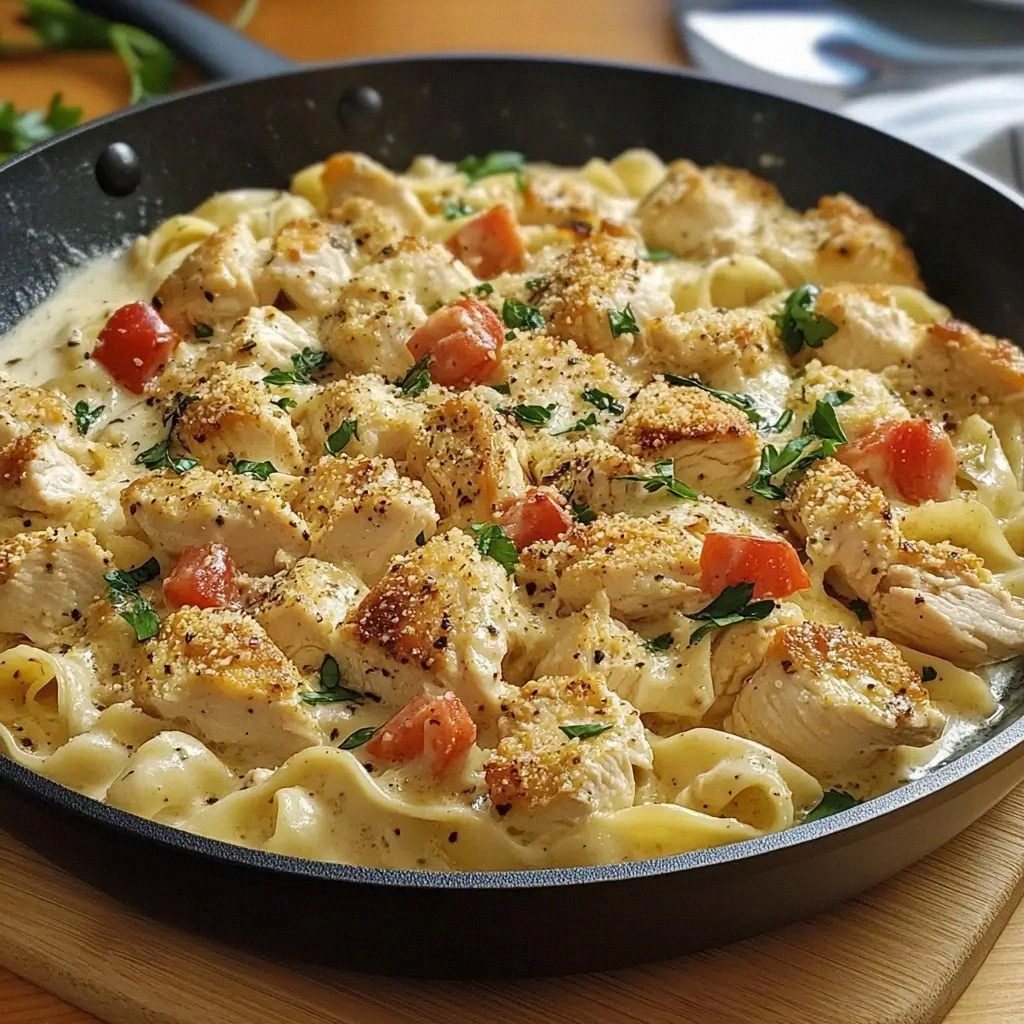
The Method — Step by Step
- Heat a large, heavy‑bottom skillet over medium‑high heat. Add the tablespoon of olive oil, letting it shimmer. Once hot, slide in the chicken pieces, ensuring they’re spaced to avoid overcrowding. This allows each piece to develop a golden crust that locks in juices. Watch the sizzle; that sound means the pan’s ready.
- Season the chicken with salt and pepper, then sear for 3–4 minutes per side until a golden-brown crust forms. Flip only once to keep the edges crisp. Use a tongs to gently press the chicken against the pan to promote even browning. When the chicken is done, transfer it to a plate and tent with foil to keep warm.
- Add the minced garlic to the pan and sauté for 30 seconds until fragrant, being careful not to let it burn. The garlic should release its aroma but remain pale. This quick sauté infuses the oil with flavor without overpowering the dish.
- Stir in the tablespoon of flour, cooking it for 1 minute to form a roux. This creates a subtle thickening agent that keeps the sauce silky. Keep stirring to avoid lumps. The pan should develop a light golden tint, indicating the flour has cooked enough.
- Slowly pour in the heavy cream, whisking constantly to combine with the roux. The mixture should thicken to a smooth, glossy sauce. If the sauce begins to separate, add a teaspoon of warm pasta water to emulsify. The goal is a sauce that coats the pasta like velvet.
- Reduce the heat to low, then stir in the grated parmesan until melted and the sauce is silky. Add the pinch of nutmeg for warmth. Taste and adjust salt or pepper as needed. The sauce should be rich but not heavy.
- Add the cooked pasta to the skillet, tossing to coat each strand in the sauce. Return the seared chicken to the pan, allowing everything to mingle for 2 minutes. This final step ensures the flavors meld and the chicken reheats gently.
- Finish with a sprinkle of chopped parsley for color and freshness. Serve immediately with extra grated parmesan on the side. The dish is best enjoyed hot, with a side of garlic bread or a crisp green salad.
That's it — you did it. But hold on, I've got a few more tricks that'll take this to another level. Let’s dive into some insider secrets that will make your alfredo even more unforgettable.
Insider Tricks for Flawless Results
The Temperature Rule Nobody Follows
Keep the heat low after adding the cream. A rolling boil can split the dairy, turning the sauce into a lumpy mess. I always set the burner to medium‑low and let the sauce gently simmer, which allows the flavors to marry without scorching.
Why Your Nose Knows Best
Listen to the aroma. When the sauce begins to thicken, the scent of melted butter and parmesan will rise. This is the moment the sauce reaches its peak thickness; if you wait too long, it may become too thick and cling to the pan.
The 5‑Minute Rest That Changes Everything
Let the dish rest for a few minutes before serving. The sauce will thicken slightly as it cools, creating a more cohesive coat on the pasta. This simple pause also allows the chicken to reabsorb juices, keeping it moist.
The Secret to a Non‑Separating Sauce
Whisk constantly while adding cream. This ensures the fat emulsifies with the flour and butter, preventing separation. If you’re a multitasker, keep a timer on your phone so you can stay focused on the whisking.
The Final Touch of Freshness
Finish with a splash of lemon juice. A teaspoon of fresh lemon juice brightens the sauce, cutting through the richness without altering the flavor profile. I add it right before serving for a subtle zing.
Creative Twists and Variations
This recipe is a playground. Here are some of my favorite ways to switch things up:
Spinach & Mushroom Alfredo
Sauté sliced mushrooms and fresh spinach before adding the cream. The earthy mushrooms and bright spinach give the dish a hearty, vegetarian twist that pairs perfectly with the creamy sauce.
Pesto‑Infused Alfredo
Stir in a couple of spoonfuls of basil pesto after the parmesan has melted. The pesto adds a fresh herbal kick and a vibrant green color that makes the dish visually stunning.
Shrimp & Lemon Alfredo
Swap the chicken for shrimp, cooking them until pink and then adding them back in with the pasta. Finish with a squeeze of lemon juice to brighten the flavor and create a seafood version that feels light and sophisticated.
Roasted Red Pepper Alfredo
Blend roasted red peppers into the sauce for a sweet, smoky depth. This variation brings a pop of color and a subtle sweetness that balances the richness of the cream.
Cauliflower Alfredo
Replace the pasta with cauliflower florets for a low‑carb version. Cook the cauliflower until tender, then toss it with the sauce for a creamy, guilt‑free alternative.
Sausage & Pepper Alfredo
Add sliced Italian sausage and bell peppers to the skillet before the chicken. This bold combination introduces smoky and sweet flavors, making the dish a crowd‑pleaser at any gathering.
Storing and Bringing It Back to Life
Fridge Storage
Store leftovers in an airtight container for up to 3 days in the refrigerator. Keep the sauce separate from the pasta to prevent the noodles from becoming soggy. When ready to reheat, gently warm the sauce over low heat, stirring frequently.
Freezer Friendly
For longer storage, freeze the dish in a freezer‑safe container for up to 2 months. Thaw overnight in the refrigerator before reheating. Add a splash of milk or cream to restore the sauce’s silky texture.
Best Reheating Method
Reheat the dish in a skillet over medium heat, stirring constantly. Add a teaspoon of water or milk to loosen the sauce and prevent it from drying out. Finish with a sprinkle of fresh parsley for a vibrant finish.