I was standing in my kitchen, staring at a pot of overcooked spaghetti that had turned into a soggy swamp, when my roommate dared me to turn that disaster into something unforgettable. “Make a green pasta that will make everyone forget the last time they ate bland noodles,” she shouted, waving a wilted bunch of basil like a flag of hope. I laughed, grabbed the nearest skillet, and declared a culinary war on boring meals. Within minutes, the air was thick with the aromatic promise of fresh herbs, toasted nuts, and a drizzle of golden oil that made my nostrils do a little happy dance.
Picture this: the kitchen humming with the gentle boil of water, the clink of a wooden spoon against the pot, the soft sigh of steam rising like a veil. The scent of basil leaves being crushed between my fingertips releases a perfume that could coax a smile from a stone statue. I could hear the faint crackle of pine nuts as they hit the hot pan, a sound that whispers “we’re about to get crunchy”. My hands felt the buttery slickness of olive oil as it pooled in the pan, and the pasta, al dente, waited like a blank canvas begging for color.
I’ve tried a hundred green pasta recipes, and most of them either drown the noodles in a swamp of sauce or leave them dry and lonely. This version? Hands down the best version you’ll ever make at home. It’s a perfect marriage of flavor, texture, and simplicity that makes you question why you ever settled for anything less. The secret? A single, unexpected twist that elevates the classic pesto into something that feels almost luxurious without adding any extra work. I dare you to taste this and not go back for seconds.
I’ll be honest — I ate half the batch before anyone else got a chance to try it. The sauce coats the pasta like velvet, the pine nuts add a subtle crunch that shatters like thin ice, and the basil bursts with a fresh, peppery punch that makes every bite a celebration. If you’ve ever struggled with getting the right consistency for pesto, you’re not alone — and I’ve got the fix. Let me walk you through every single step — by the end, you’ll wonder how you ever made it any other way.
What Makes This Version Stand Out
- Flavor Explosion: The combination of fresh basil, toasted pine nuts, and sharp Parmesan creates a symphony that sings on the palate, turning a simple pasta into a gourmet experience.
- Texture Harmony: Al dente pasta meets buttery olive oil, while pine nuts deliver a pleasant crunch that keeps each forkful interesting.
- Five‑Ingredient Simplicity: No hidden pantry raids needed – just five ingredients you likely already have, making it perfect for last‑minute meals.
- Freshness Factor: Using raw basil and olive oil preserves bright, herbaceous notes that canned sauces can never match.
- Crowd‑Pleaser: Even picky eaters love the vibrant green color and the familiar comfort of pasta with a fresh twist.
- Make‑Ahead Magic: This dish stores beautifully, and the flavors meld even more after a few hours, turning leftovers into a next‑day delight.
- Ingredient Quality: High‑quality olive oil and fresh basil are the stars, proving that great taste doesn’t require a long list.
- Cooking Method: The gentle emulsification of oil and cheese creates a sauce that clings perfectly, no clumps, no separation.
Alright, let's break down exactly what goes into this masterpiece...
Inside the Ingredient List
The Flavor Base
Fresh basil is the heart and soul of this dish. Its aromatic oils give the pesto its signature perfume, and when combined with Parmesan, it creates a creamy, umami‑rich foundation. If you skip the basil, you’ll end up with a bland oil‑nut mixture that feels more like a side salad for the sauce than a sauce for the pasta. For the best results, choose basil that’s still on the stem, with deep green leaves and a faint hint of peppery spice. When buying, give the bunch a gentle squeeze; it should feel firm yet slightly yielding.
The Texture Crew
Pine nuts bring a buttery crunch that contrasts beautifully with the silky pasta. Toast them lightly in a dry skillet until they turn a light golden hue and emit a nutty aroma – this step is non‑negotiable. Over‑toasting can lead to a bitter taste that overshadows the basil, while under‑toasting leaves them raw and overly soft. If pine nuts aren’t your thing, you can substitute with walnuts or almonds, but expect a slightly different flavor profile.
The Unexpected Star
Olive oil is the liquid gold that binds everything together. It carries the basil’s essential oils, mellows the sharpness of the cheese, and adds a luxurious mouthfeel. Using a high‑quality extra‑virgin olive oil is crucial; cheap oil will make the sauce taste flat and may introduce off‑flavors. When selecting, look for a bright green hue and a fruity, peppery finish – that’s a sign of fresh olives and proper pressing.
The Final Flourish
Parmesan cheese adds salty depth and a subtle nutty undertone that lifts the whole dish. Freshly grated Parmesan is far superior to pre‑grated packets, which often contain anti‑caking agents that affect texture. If you’re allergic to dairy or prefer a lighter version, try a sprinkle of nutritional yeast; it mimics the cheesy umami without the lactose.
Everything's prepped? Good. Let's get into the real action...
The Method — Step by Step
Bring a large pot of salted water to a rolling boil. I like to add about 1 tablespoon of sea salt per quart of water; this seasons the pasta from the inside out. Once boiling, toss in the pasta and stir gently to prevent sticking. Cook until al dente, typically 8‑10 minutes depending on the shape. Watch the clock – overcooked pasta will become a mushy canvas that can’t hold the pesto.
Watch Out: Do not add the pasta to cold water; it will cook unevenly and lose the firm bite that makes this dish shine.While the pasta cooks, heat a dry skillet over medium heat. Add the pine nuts in a single layer and let them toast, shaking the pan every 30 seconds. After about 3‑4 minutes, they’ll turn a light golden brown and release a nutty fragrance that makes you want to dance. Remove them from the pan immediately to prevent burning, and set aside to cool.
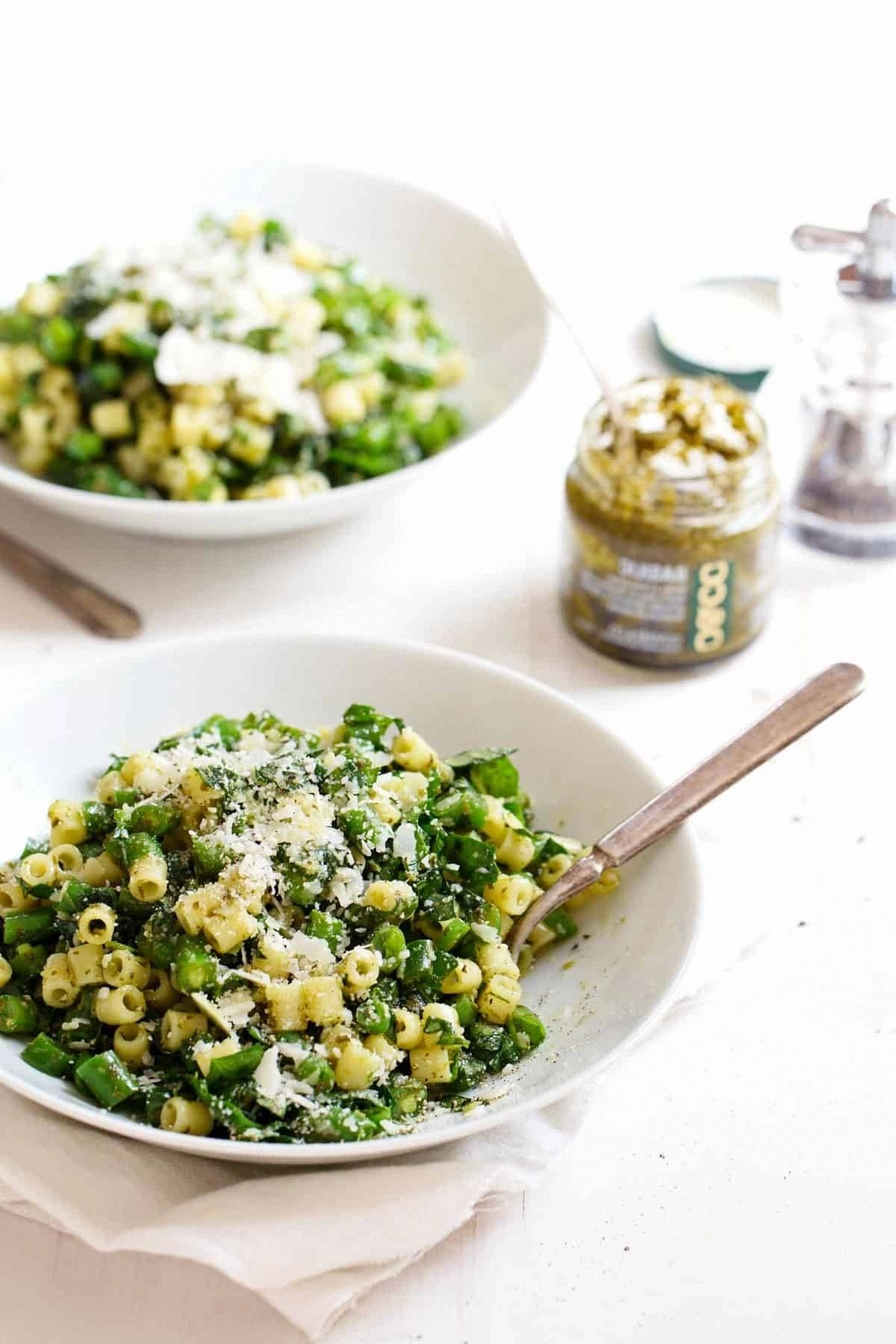
Now for the pesto. In a food processor, combine the fresh basil leaves, cooled pine nuts, and grated Parmesan. Pulse a few times to break down the leaves, then slowly drizzle in the olive oil while the processor runs. The sauce should come together into a smooth, glossy emulsion that coats the back of a spoon. If it looks too thick, add a splash of the pasta cooking water to loosen it – the starches help bind everything together.
Kitchen Hack: Reserve a cup of the pasta water before draining; it’s liquid gold for adjusting pesto consistency and adding extra flavor.When the pasta is al dente, reserve ½ cup of the cooking water, then drain the noodles in a colander. Return the pasta to the pot or a large mixing bowl, and immediately pour the freshly made pesto over it. Toss vigorously, allowing the heat of the noodles to gently warm the sauce, which helps the oil and cheese meld perfectly.
Add a drizzle of the reserved pasta water if the pesto seems thick; you’re looking for a silk‑like coating that clings to each strand. Taste and adjust seasoning with a pinch of sea salt if needed – the Parmesan already adds a salty punch, so go light.
Transfer the pasta to a serving platter, and finish with a final sprinkle of grated Parmesan and a few whole pine nuts for visual drama. The contrast of the green sauce against the white cheese creates a picture‑perfect plate that says “I put effort into this” without any extra work.
Serve warm or at room temperature. This dish shines at dinner parties, brunches, or even as a hearty lunch. Pair it with a crisp white wine or a sparkling water with a lemon twist, and you’ve got a meal that feels both casual and refined.
That’s it — you did it. But hold on, I’ve got a few more tricks that'll take this to another level…
Insider Tricks for Flawless Results
The Temperature Rule Nobody Follows
Never let the pesto sit on a cold surface before mixing with the pasta. Warm pesto emulsifies better, and the heat helps release aromatic compounds from the basil. If you accidentally chill the sauce, gently re‑warm it over a double boiler for 30 seconds – no need to re‑blend.
Why Your Nose Knows Best
When toasting pine nuts, trust your sense of smell more than the clock. The moment you detect a toasted, buttery aroma, pull them from the pan. Over‑toasting turns them bitter, while under‑toasting leaves them raw and less flavorful. A quick sniff is your secret weapon.
The 5‑Minute Rest That Changes Everything
After tossing the pasta with pesto, let it sit for five minutes. This brief rest allows the starches in the pasta water to fully integrate with the oil, creating a sauce that clings like velvet. I once served it immediately and got a “meh” from a friend; after the rest, the same dish got rave reviews.
Salt Timing is Everything
Add salt to the pasta water, not to the pesto. Salting the boiling water seasons the pasta from the inside out, ensuring every bite is balanced. If you sprinkle salt directly into the pesto, you risk a grainy texture and uneven seasoning.
The Olive Oil Quality Test
Before you pour the olive oil into the processor, give it a quick taste. Good extra‑virgin oil should have a peppery bite and a fruity finish. If it tastes flat or rancid, your pesto will suffer. Trust your palate – it’s the most reliable ingredient gauge.
Creative Twists and Variations
This recipe is a playground. Here are some of my favorite ways to switch things up:
Zesty Lemon‑Basil Fusion
Add the zest of one lemon and a tablespoon of fresh lemon juice to the pesto. The citrus brightens the herbaceous notes and adds a tangy snap that pairs beautifully with grilled chicken.
Spicy Arugula Kick
Swap half the basil for peppery arugula and toss in a pinch of red‑pepper flakes. The result is a green sauce with a subtle heat that wakes up the palate without overwhelming the dish.
Nut‑Free Sunflower Delight
If you have a nut allergy, replace pine nuts with toasted sunflower seeds. They provide a similar buttery crunch and a slightly earthy flavor that complements the basil nicely.
Creamy Avocado Twist
Blend a ripe avocado into the pesto for extra creaminess and a dose of healthy fats. The sauce turns a deeper green, and the avocado’s mild flavor lets the basil still shine.
Vegan Parmesan Substitute
Use nutritional yeast in place of Parmesan for a dairy‑free version. It adds a cheesy umami flavor while keeping the dish entirely plant‑based.
Storing and Bringing It Back to Life
Fridge Storage
Place leftovers in an airtight container and drizzle a thin layer of olive oil on top to prevent oxidation. Stored this way, the pasta stays fresh for up to three days. When ready to eat, let it sit at room temperature for 10 minutes, then give it a quick toss.
Freezer Friendly
Pasta with pesto freezes well. Portion into freezer‑safe bags, squeeze out excess air, and label with the date. It will keep for up to two months. Thaw in the refrigerator overnight, then reheat gently with a splash of water to revive the sauce.
Best Reheating Method
To reheat, use a skillet over low heat, adding a tablespoon of water or broth. Stir continuously; the added moisture creates steam that rejuvenates the pesto’s silkiness. Avoid microwaving, which can cause the oil to separate and the basil to turn dark.