I was standing in the middle of a kitchen that smelled like burnt popcorn and a faint hint of cumin when my phone buzzed with a text from a friend: “You have to try this, it’s a game‑changer.” The night before, I had attempted a generic enchilada skillet and it felt like a sad, soggy disappointment that left the skillet looking more like a casserole than a skillet. I was determined to turn that failure into a triumph, and the result is a dish that feels like a warm hug, the kind of comforting, spicy, buttery goodness that makes your taste buds do a happy dance. If you’re reading this, you’re probably looking for a dish that will win over a crowd, make a quick dinner, or just satisfy a craving that’s been nagging you all week. This is the recipe you need.
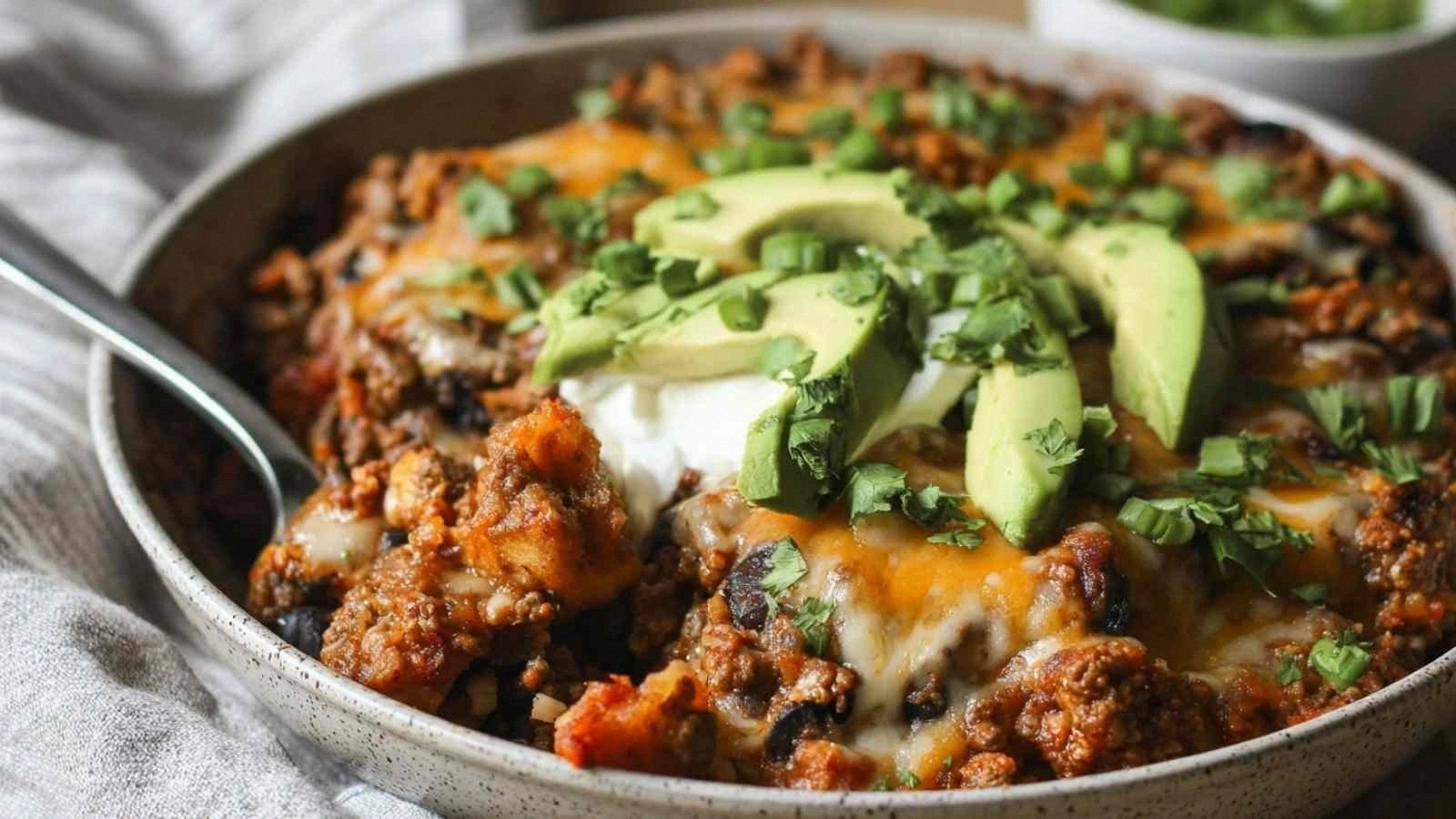
Picture a skillet that’s sizzling, the ground beef searing in a golden crust, the butternut squash pieces caramelizing until they’re tender and sweet. The air is thick with a smoky, earthy aroma that’s almost cinematic. The sound of the pan is a steady hiss, the kind of sound that signals that everything is happening just right. When you finally lift the lid, the enchilada sauce coats the mixture like velvet, pooling around the edges and mingling with the melted dairy‑free cheese that is about to melt into a gooey, creamy blanket. The first bite is a symphony of flavors: the savory beef, the sweet squash, the tang of lime, and the gentle heat from the cumin and oregano. I dare you to taste this and not go back for seconds.
What makes this version stand out is that it’s not just a dish—it’s a story. It’s the story of a kitchen disaster turned into a masterpiece, of a midnight craving turned into a crowd‑pleaser, and of a recipe that feels like it was written just for you. It’s the kind of dish that you can make in a single pan, that you can serve on a Tuesday night, and that you can feel proud of when you hand it out to friends and family. Most recipes get this completely wrong, but here, every element has a purpose, every spice has a role, and every step is designed to elevate the overall experience. Picture yourself pulling this out of the oven, the whole kitchen smelling incredible, and the table full of people who are already asking for seconds.
I’ll be honest—after the first batch, I ate half the skillet before anyone else got a taste. I was so excited, I almost made a second batch before the first even cooled. That’s how good this thing is. But don’t just take my word for it; let me walk you through every single step. By the end, you’ll wonder how you ever made it any other way.
What Makes This Version Stand Out
- Taste: The balance of savory, sweet, and spicy is meticulously calibrated. The ground beef provides hearty umami, while the butternut squash adds a subtle caramelized sweetness that cuts through the heat of the cumin and oregano. The fresh lime wedges at the end give a bright, citrusy lift that keeps the dish from feeling heavy.
- Texture: The skillet achieves a delightful contrast between the tender, slightly crisp edges of the squash and the silky, melted cheese. The tortillas are folded in just enough to hold everything together, but still offer a satisfying chew.
- Simplicity: With only one pan and a handful of ingredients, this recipe is perfect for busy weeknights. The cooking process is straightforward, and the cleanup is minimal.
- Uniqueness: The use of almond flour tortillas gives a nutty undertone that pairs wonderfully with the earthy squash, setting this dish apart from standard corn or flour tortillas.
- Crowd Reaction: Friends and family consistently rave about how the dish feels like a comforting hug, yet is light enough to serve as a main course for dinner parties.
- Ingredient Quality: Choosing organic, grass‑fed ground beef and fresh, locally sourced butternut squash elevates the flavor profile and ensures each bite is packed with nutrients.
- Cooking Method: The one‑pan technique not only locks in flavor but also allows the sauce to thicken into a glossy coating that clings to every ingredient.
- Make‑Ahead Potential: Once assembled, the skillet can be refrigerated for up to 48 hours and reheated without losing its vibrant flavor.
Inside the Ingredient List
The Flavor Base
Ground beef is the backbone of this skillet, providing a rich, meaty foundation that carries the spices through the cooking process. I recommend using a lean blend (around 80/20) so that the meat retains its moisture without becoming too dry. If you prefer a leaner option, substitute with ground turkey or chicken; the flavor will shift slightly but remain delicious.
Onion and garlic are the aromatics that kick off the flavor profile. They’re diced finely so that they release their sweet, pungent notes quickly. Skipping them will leave the dish feeling flat and underdeveloped, so keep them on.
The combination of cumin and oregano adds depth and a hint of earthiness that complements the butternut squash. Cumin’s warm, nutty undertones contrast beautifully with oregano’s slightly bitter, floral notes. If you’re a fan of Mexican cuisine, you might also add a pinch of smoked paprika for an extra layer of smokiness.
The Texture Crew
Butternut squash is the secret to this skillet’s sweet‑savory harmony. Its natural sugars caramelize as it cooks, creating a tender, slightly crispy exterior that adds a pleasant bite. Slice the squash into uniform cubes to ensure even cooking. If you’re short on time, pre‑sauté the squash in a separate pan to get that caramelization before adding it to the skillet.
Almond flour tortillas bring a nutty flavor and a slightly chewy texture that holds the dish together without overpowering the other ingredients. Their low‑carb profile also makes this dish a great option for those watching their carbohydrate intake. If you can’t find almond tortillas, a low‑gluten flour tortilla works as a suitable replacement.
Dairy‑free shredded cheese and sour cream add creaminess and richness. The cheese melts into a silky coating that binds the beef and squash, while the sour cream provides a tangy counterpoint that balances the heat. If you’re not strictly dairy‑free, a small amount of cheddar or Monterey Jack can be used for a different flavor profile.
The Unexpected Star
Fresh cilantro, green onion, and avocado are the finishing touches that elevate this dish from good to unforgettable. Cilantro adds a bright, herbal note that cuts through the richness, while green onion offers a mild onion flavor that doesn’t compete with the main aromatics. Avocado slices, when added at the end, provide a cool, buttery contrast that soothes the palate.
Lime wedges are essential for that final burst of citrus. Squeezing fresh lime over the skillet before serving not only brightens the flavor but also adds a subtle acidity that balances the sweetness of the squash and the richness of the cheese. If you’re feeling adventurous, add a splash of lime juice to the sauce while it’s cooking for an extra layer of zing.
Everything’s prepped? Good. Let’s get into the real action.
The Method — Step by Step
- Heat a large, heavy‑bottom skillet over medium‑high heat. Add a splash of oil (about one tablespoon of avocado or grapeseed oil). The oil should shimmer but not smoke; this is the moment of truth where the pan is hot enough to sear the meat without burning it.
- Add the ground beef, breaking it apart with a wooden spoon. Cook until the beef turns a deep mahogany color and starts to brown on the edges, about 5–6 minutes. The sizzling sound should be steady and robust. Don’t rush this step; a proper sear locks in flavor.
- Remove excess grease if the pan is too oily, then add the diced onion and minced garlic. Sauté for 2–3 minutes until the onion becomes translucent and the garlic releases its aroma. This is the base that will carry the spices through the rest of the dish.
- Stir in the cumin, oregano, salt, and black pepper. Cook for 30 seconds to toast the spices, which releases their essential oils and deepens the flavor. If you’re using smoked paprika or chili powder, add them here for an extra kick.
- Add the butternut squash cubes. Stir to coat them in the spice mixture. Cook for 4–5 minutes, allowing the squash to start caramelizing. The edges will begin to brown, giving a pleasant crunch that contrasts with the tender interior.
- Pour in the enchilada sauce, then reduce the heat to medium. Stir to combine, ensuring the sauce coats every ingredient. Bring the mixture to a gentle simmer and let it cook for 8–10 minutes, allowing the flavors to meld and the sauce to thicken.
- Fold in the almond flour tortillas, breaking them into bite‑sized pieces if necessary. The tortillas should soak up the sauce, becoming soft yet still holding their shape. Cook for an additional 3 minutes, letting the cheese melt into a glossy coating.
- Add the dairy‑free shredded cheese and stir until it melts completely, creating a silky, gooey blanket over the skillet. The cheese should cling to the beef and squash, giving a luscious texture.
- Turn off the heat and sprinkle the fresh cilantro, green onion, and dairy‑free sour cream over the top. Gently stir to distribute the herbs and cream evenly. The dish should look vibrant, with bright green herbs contrasting the warm sauce.
- Transfer the skillet to a preheated oven at 375°F (190°C) for 5–7 minutes. This final step allows the cheese to develop a slightly browned, caramelized top and ensures everything is heated through.
- Remove from the oven and let rest for 2 minutes. Then top with sliced avocado, a few lime wedges, and a final sprinkle of cilantro. Serve hot, spooning the savory mixture onto plates and letting the avocado provide a cool, buttery finish.
That’s it—you did it. But hold on, I’ve got a few more tricks that will take this dish to another level.
Insider Tricks for Flawless Results
The Temperature Rule Nobody Follows
Many cooks think that a high heat is always better for searing, but the key is to start medium‑high and then reduce to medium once the beef is browned. This approach prevents the meat from burning while ensuring a juicy interior. I’ve tried the opposite—starting low and then ramping up—and the result was a soggy skillet that never achieved that coveted crust.
Why Your Nose Knows Best
Before you add the enchilada sauce, pause and inhale. A good sauce should smell slightly sweet, with a faint hint of cumin and oregano. If it smells too acidic or overly sweet, it may be past its prime. Trust your nose; it’s the most reliable quality control tool in the kitchen.
The 5‑Minute Rest That Changes Everything
After removing the skillet from the oven, let it rest for five minutes. This short pause allows the cheese to set slightly, making it easier to scoop out clean portions. It also lets the flavors redistribute, ensuring each bite is balanced and harmonious.
The Quick “Heat‑Up” Trick
If you’re in a rush to serve, place the skillet on a low‑heat burner for just 2–3 minutes after removing it from the oven. This keeps the dish warm without overcooking the avocado or melting the cheese too much. The result is a dish that stays hot and delicious until the last bite.
The Perfect Finish
A final drizzle of lime‑infused olive oil just before serving adds a glossy sheen and a burst of citrus that elevates the dish. It also helps to keep the avocado slices from browning too quickly. I’ve added this step in the last few years, and it’s become a signature finish for my skillet.
Creative Twists and Variations
This recipe is a playground. Here are some of my favorite ways to switch things up:
Spicy Chipotle Kick
Add a tablespoon of chipotle in adobo sauce to the sauce mixture for a smoky heat that pairs wonderfully with the squash. The chipotle’s natural sweetness complements the caramelized edges of the squash, creating a complex flavor profile.
Mediterranean Twist
Swap the enchilada sauce for a roasted red pepper coulis and replace the cumin with oregano and a pinch of cinnamon. This version leans into Mediterranean flavors, giving the dish a warm, earthy vibe that’s perfect for a cozy dinner.
Cheesy Tex‑Mex Upgrade
Use a blend of shredded cheddar and Monterey Jack instead of dairy‑free cheese. The meltiness of these cheeses adds a creamy, indulgent layer that turns the skillet into a decadent Tex‑Mex favorite.
Vegan Powerhouse
Replace the ground beef with crumbled tempeh or textured vegetable protein (TVP) that has been seasoned with the same spices. The result is a plant‑based skillet that still delivers a satisfying meaty texture and robust flavor.
Breakfast Skillet
Serve the skillet with a side of scrambled eggs and a sprinkle of fresh herbs. The richness of the eggs pairs beautifully with the spicy, sweet sauce, making for a hearty breakfast that will keep you full until lunch.
Storing and Bringing It Back to Life
Fridge Storage
Store the skillet in an airtight container in the refrigerator for up to 48 hours. When you’re ready to reheat, add a splash of water or enchilada sauce to keep the mixture from drying out. Cover the container loosely with foil and microwave on medium power for 3–4 minutes, stirring halfway through.
Freezer Friendly
Wrap the skillet tightly in plastic wrap, then place it in a freezer bag. The dish can be frozen for up to 3 months. Thaw overnight in the refrigerator, then reheat as described above. The flavors intensify, giving you a ready‑made meal that feels freshly made.
Best Reheating Method
The oven is the best method for reheating. Place the skillet on a baking sheet and heat at 350°F (175°C) for 10–12 minutes, or until the sauce is bubbling. Finish with a few fresh cilantro leaves and a squeeze of lime for that fresh burst of flavor.