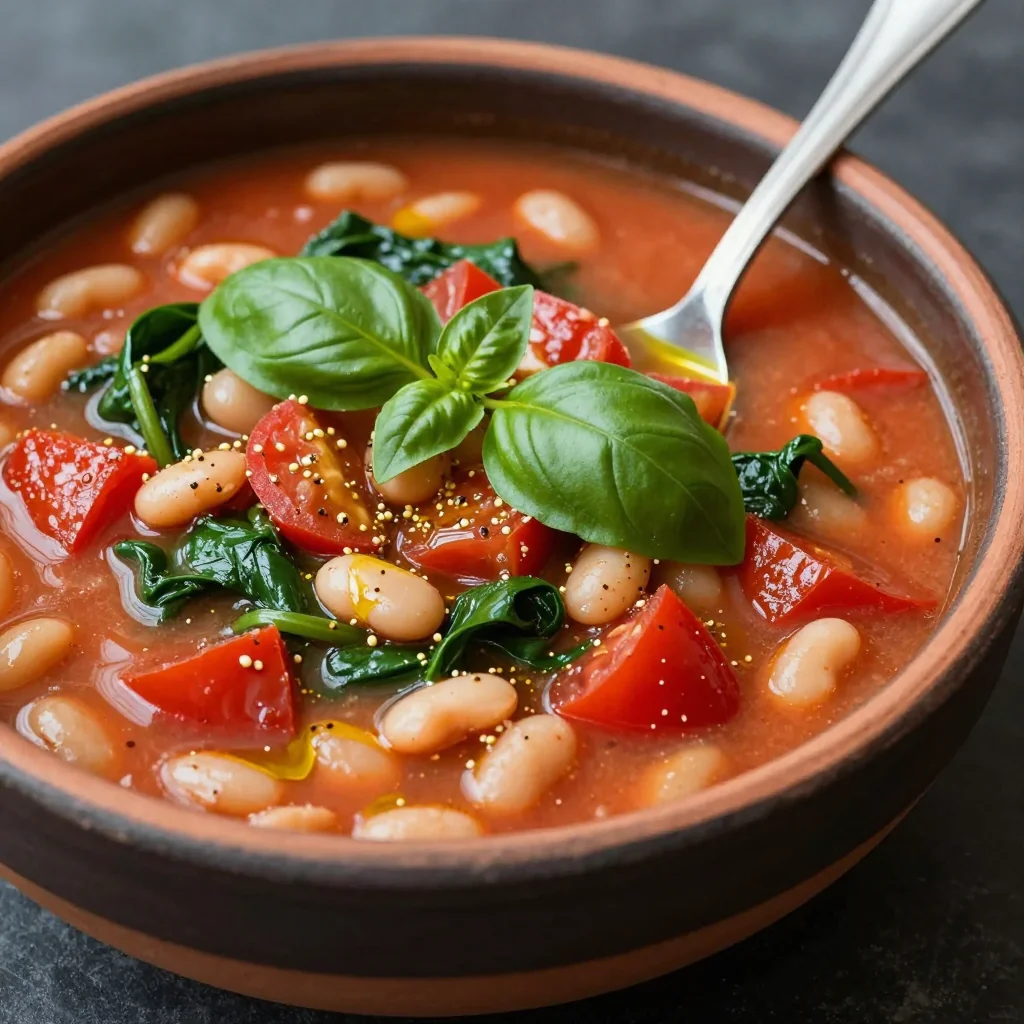
Love this? Pin it for later! 📌
When the first crisp autumn breeze slips through the kitchen window, I find myself reaching for my grandmother's wooden spoon and the same weathered soup pot that has simmered comfort in our family for three generations. This Healthy Comfort Creamy Tomato and White Bean Soup isn't just another recipe—it's my answer to those chilly evenings when you want to wrap yourself in something warm without the post-dinner heaviness that traditional cream-based soups often bring.
I developed this recipe during a particularly brutal January when my usual tomato soup cravings collided with my New Year's resolution to eat more plant-based proteins. The result? A lusciously creamy soup that tastes like it spent hours being coddled with heavy cream, but secretly gets its silkiness from white beans blended right into the broth. My kids call it "the pink soup" and request it weekly, while my book club friends have started expecting it whenever we meet for our monthly gatherings.
What makes this soup truly special is how it manages to feel both indulgent and nourishing at once. The tomatoes provide that familiar comfort-food acidity, while the white beans create a velvety texture that makes each spoonful feel like a warm hug. It's the kind of soup that transforms a simple Tuesday night into something worth lingering over, the kind that makes you want to tear off chunks of crusty bread and savor every last drop.
Why This Recipe Works
- Protein-Packed: Each serving delivers an impressive 18g of plant-based protein from white beans, keeping you satisfied for hours.
- Creamy Without Cream: The beans create a naturally creamy texture without any dairy, making it perfect for vegan and lactose-intolerant friends.
- One-Pot Wonder: Everything cooks in a single pot, meaning minimal cleanup and maximum flavor development as the ingredients mingle.
- Freezer-Friendly: This soup freezes beautifully for up to 3 months, making it perfect for meal prep or gifting to new parents.
- Nutrient-Dense: Packed with lycopene from tomatoes, fiber from beans, and antioxidants from herbs, it's comfort food that loves you back.
- 30-Minute Meal: From chopping to serving, this soup comes together in half an hour—perfect for busy weeknights.
- Customizable: Easily adapt it to what you have on hand, from different beans to whatever vegetables are languishing in your crisper drawer.
Ingredients You'll Need
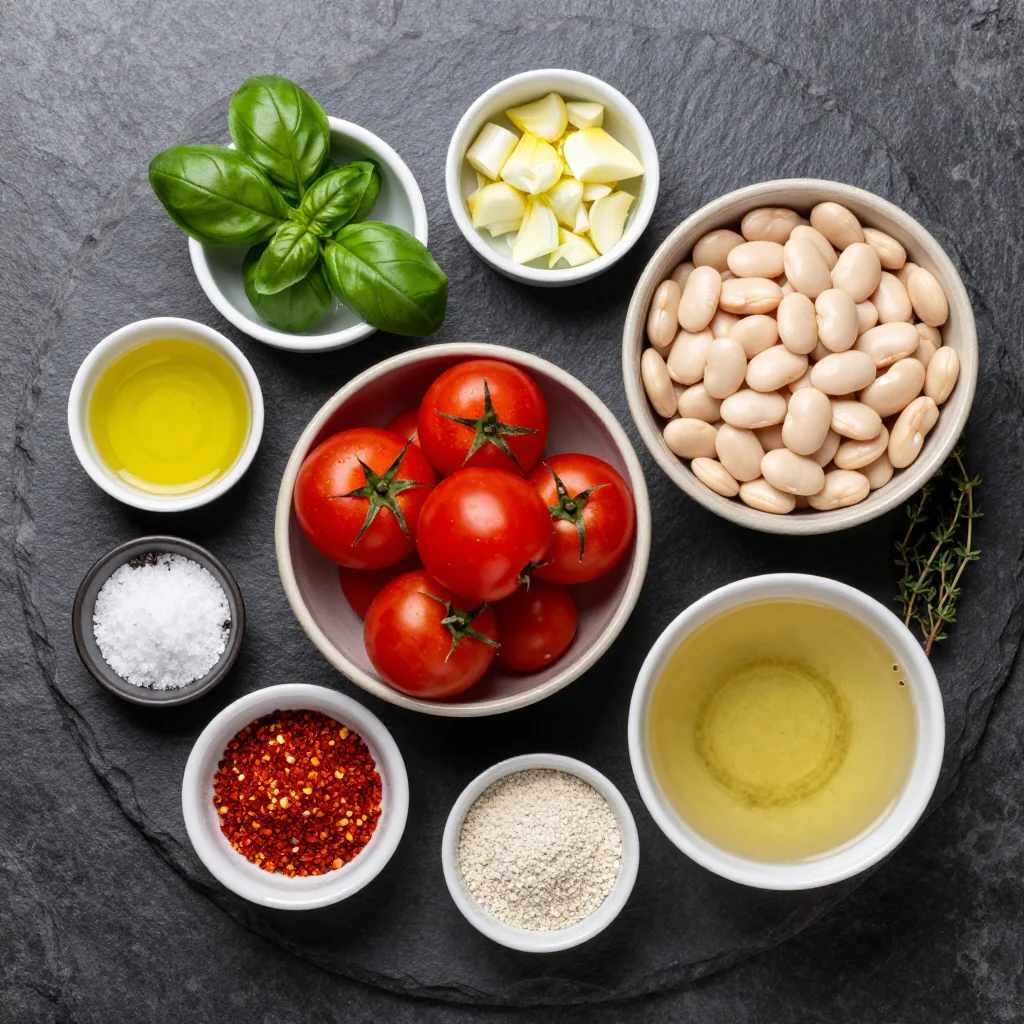
The magic of this soup lies in its humble ingredients coming together to create something far greater than the sum of their parts. Let's break down each component and why it matters:
Canned Whole Tomatoes (28 oz): I prefer whole tomatoes over crushed or diced because they break down more naturally during simmering, creating a more complex flavor. San Marzano tomatoes are worth the splurge here—their natural sweetness and low acidity make a noticeable difference. If you can't find them, look for any Italian variety packed in juice rather than puree.
White Beans (3 cans): Cannellini beans are my go-to for their creamy texture and ability to blend smoothly, but Great Northern or navy beans work beautifully too. I always keep the liquid from one can (called aquafaba) as it helps create that luxurious texture we're after. When buying canned beans, look for BPA-free cans and rinse the beans unless the recipe specifically calls for the canning liquid.
Vegetable Broth (4 cups): The quality of your broth will make or break this soup. I make my own vegetable scrap broth and freeze it in quart containers, but if you're buying store-bought, go for low-sodium varieties. This gives you control over the salt level, especially important since canned beans and tomatoes already contain sodium.
Onion, Celery, and Carrots (The Holy Trinity): This classic mirepoix creates the flavor foundation. I like to dice them small so they melt into the soup, but keep them larger if you prefer more texture. Yellow onion works best here—red onions can make the soup slightly bitter, while sweet onions might make it too sweet.
Garlic (6 cloves): Yes, six cloves might seem like a lot, but the flavor mellows beautifully during cooking. Fresh garlic is non-negotiable here; the pre-minced jarred stuff just won't give you the same depth. Smash the cloves with the flat of your knife before mincing to release those aromatic oils.
Tomato Paste (2 tablespoons): This concentrated tomato flavor deepens the soup and gives it that restaurant-quality richness. Look for tomato paste in tubes rather than cans—it stays fresh longer, and you can use just what you need without the rest going to waste.
Fresh Thyme and Rosemary: These woody herbs complement tomatoes beautifully. If you must use dried, reduce the amounts by half since dried herbs are more potent. Strip the leaves from the stems by holding the top and running your fingers downward—fresh herbs make such a difference here.
Smoked Paprika: This is my secret weapon for adding depth without overwhelming the soup. Regular paprika works in a pinch, but the smoky variety gives this soup that "cooked all day" flavor even when it hasn't.
Olive Oil and Butter: I use both for the best flavor. The olive oil prevents the butter from burning while the butter adds richness. Use good quality extra virgin olive oil—it's worth it for the flavor you'll get in the finished soup.
How to Make Healthy Comfort Creamy Tomato and White Bean Soup
Sauté the Aromatics
Heat a large Dutch oven or heavy-bottomed pot over medium heat. Add 2 tablespoons olive oil and 1 tablespoon butter. When the butter foams, add diced onion, celery, and carrots with a generous pinch of salt. Cook, stirring occasionally, until vegetables are softened and onions are translucent—about 8-10 minutes. Don't rush this step; properly softened vegetables will melt into the soup and create a smoother final texture.
Build the Flavor Base
Add minced garlic, tomato paste, smoked paprika, and red pepper flakes (if using). Cook for 2-3 minutes, stirring constantly, until the tomato paste darkens to a deep brick red and the garlic is fragrant but not browned. This step caramelizes the tomato paste, developing those complex, sweet-savory notes that make restaurant soups taste better than homemade ones.
Add Tomatoes and Herbs
Pour in the entire can of tomatoes, crushing them between your fingers as you add them to the pot. Add the tomato juice from the can too—it's packed with flavor. Toss in thyme sprigs and rosemary, plus a bay leaf if using. Season generously with salt and pepper. Let this mixture cook for 5 minutes, stirring occasionally and breaking up the tomatoes with your spoon.
Simmer with Broth
Add 3 cups of vegetable broth, reserving the remaining cup for later. Bring to a boil, then reduce to a gentle simmer. Cover partially and let it bubble away for 15 minutes. This simmering time allows the herbs to infuse their flavors and the tomatoes to break down completely. If the soup looks too thick, add more broth as needed.
Blend the Beans
While the soup simmers, drain and rinse 2 cans of white beans, reserving the liquid from the third can. In a blender, combine the reserved canning liquid (aquafaba), 1 can of beans, and ½ cup of the hot soup broth. Blend until completely smooth and creamy—this should take 60-90 seconds depending on your blender's power. This bean cream will give your soup body without any dairy.
Puree the Soup
Remove the herb stems and bay leaf from the soup. Using an immersion blender, puree the soup directly in the pot until smooth. If you don't have an immersion blender, carefully transfer the soup in batches to a regular blender. Don't over-blend—you want some texture from the vegetables. If you prefer a completely smooth soup, blend longer; for a more rustic texture, blend just until the large tomato pieces disappear.
Add the Bean Cream
Stir the blended bean mixture into the pureed soup, along with the remaining 2 cans of whole beans. The soup will immediately transform into a creamy, velvety consistency. Add the remaining vegetable broth until you reach your desired consistency—I like mine thick enough to coat the back of a spoon but still spoonable.
Final Seasoning
Add the balsamic vinegar and honey, then taste and adjust seasoning. The vinegar brightens all the flavors while the honey balances the tomato acidity. You might need more salt than you think—tomatoes and beans both need proper seasoning. Add freshly ground black pepper and let the soup simmer for another 5 minutes to let all the flavors marry together.
Serve and Garnish
Ladle the hot soup into warm bowls. Drizzle each serving with good olive oil and a sprinkle of fresh herbs. My favorite garnishes are a dollop of Greek yogurt, some toasted pumpkin seeds for crunch, and a few drops of the best olive oil you have. Serve with crusty bread for dipping and watch it disappear.
Expert Tips
Temperature Matters
Always warm your serving bowls in a low oven or by filling them with hot water (then dumping it out) before ladling in hot soup. This keeps the soup hotter longer and prevents the shocking temperature drop that can make even the best soup seem lukewarm.
Make-Ahead Magic
This soup actually tastes better the next day as the flavors have time to develop and meld. Make it on Sunday for effortless weeknight dinners. Just reheat gently over medium-low heat, stirring occasionally and adding broth if it's thickened too much.
Blending Safety
If using a regular blender, never fill it more than half full with hot liquid. Remove the center piece from the lid and cover with a kitchen towel to allow steam to escape. Start on low speed and gradually increase to prevent hot soup explosions.
Consistency Control
The soup will thicken as it sits, especially if made ahead. Keep extra broth on hand for reheating. For an ultra-silky restaurant-style soup, strain it through a fine-mesh sieve after blending to remove any tomato skins or herb stems.
Color Enhancement
For a more vibrant red color, add a pinch of baking soda when adding the tomatoes. This neutralizes the acid and brightens the color. Be careful—too much will make the soup taste soapy. Start with just 1/8 teaspoon.
Serving Temperature
Serve this soup between 165-175°F (74-80°C). Too hot and you won't taste the subtle flavors; too cool and it will seem heavy. An instant-read thermometer takes the guesswork out of serving temperature.
Quick Cool Down
To cool soup quickly for storage, transfer it to a shallow metal pan or divide among smaller containers. Stir occasionally to release heat. Never put hot soup directly in the fridge—it can raise the temperature inside and create food safety issues.
Flavor Boosting
For deeper flavor, roast the canned tomatoes on a sheet pan at 425°F for 20 minutes before adding to the soup. This caramelizes their natural sugars and adds incredible depth to the final soup.
Variations to Try
Spicy Southwest Version
Replace the Italian herbs with 1 teaspoon each of cumin and coriander, add a diced chipotle pepper in adobo sauce, and use cilantro instead of parsley. Top with crispy tortilla strips and a squeeze of lime for a Mexican-inspired twist.
Summer Garden Version
Replace half the canned tomatoes with fresh ripe tomatoes, add a handful of fresh basil leaves, and include some diced zucchini or summer squash. This lighter version celebrates peak summer produce while maintaining the creamy comfort factor.
Roasted Garlic Version
Roast an entire head of garlic wrapped in foil with olive oil at 400°F for 40 minutes. Squeeze out the cloves and add them with the regular garlic. This creates a deeper, sweeter garlic flavor that makes the soup taste like it simmered for hours.
Protein-Packed Version
Add 8 oz of Italian sausage (casings removed) when sautéing the vegetables. Brown it well before adding the other ingredients. This transforms the soup into a hearty meal that will satisfy even the biggest appetites.
Forest Mushroom Version
Add 8 oz of mixed mushrooms (cremini, shiitake, oyster) when sautéing the vegetables. The mushrooms add an earthy depth that complements the tomatoes beautifully. Use mushroom broth instead of vegetable broth for an even more intense mushroom flavor.
Mediterranean Version
Add 2 tablespoons of capers, a handful of chopped Kalamata olives, and some fresh oregano. Stir in some chopped fresh spinach at the end and garnish with crumbled feta cheese. This bright, briny version transports you straight to a Greek taverna.
Storage Tips
Refrigerator Storage
Store cooled soup in airtight containers in the refrigerator for up to 5 days. The soup will thicken considerably as it chills, so you'll need to add broth or water when reheating. I like to store it in individual portions so I can grab a quick lunch throughout the week. Always reheat only what you plan to eat, as repeated heating and cooling can affect both texture and flavor.
Freezer Instructions
This soup freezes beautifully for up to 3 months. I recommend freezing it in quart-sized freezer bags laid flat—they stack efficiently and thaw quickly. Leave about an inch of headspace for expansion. Thaw overnight in the refrigerator or use the defrost setting on your microwave. For best texture, give it a quick whiz with an immersion blender after reheating, as the beans can sometimes separate slightly during freezing.
Make-Ahead Tips
The soup can be made completely ahead and reheated, but for the freshest taste, I prefer to make the base (through step 6) and store that. Then when ready to serve, I reheat the base and add the bean cream and whole beans. This method preserves the bright flavors and prevents the beans from breaking down too much during storage.
Frequently Asked Questions
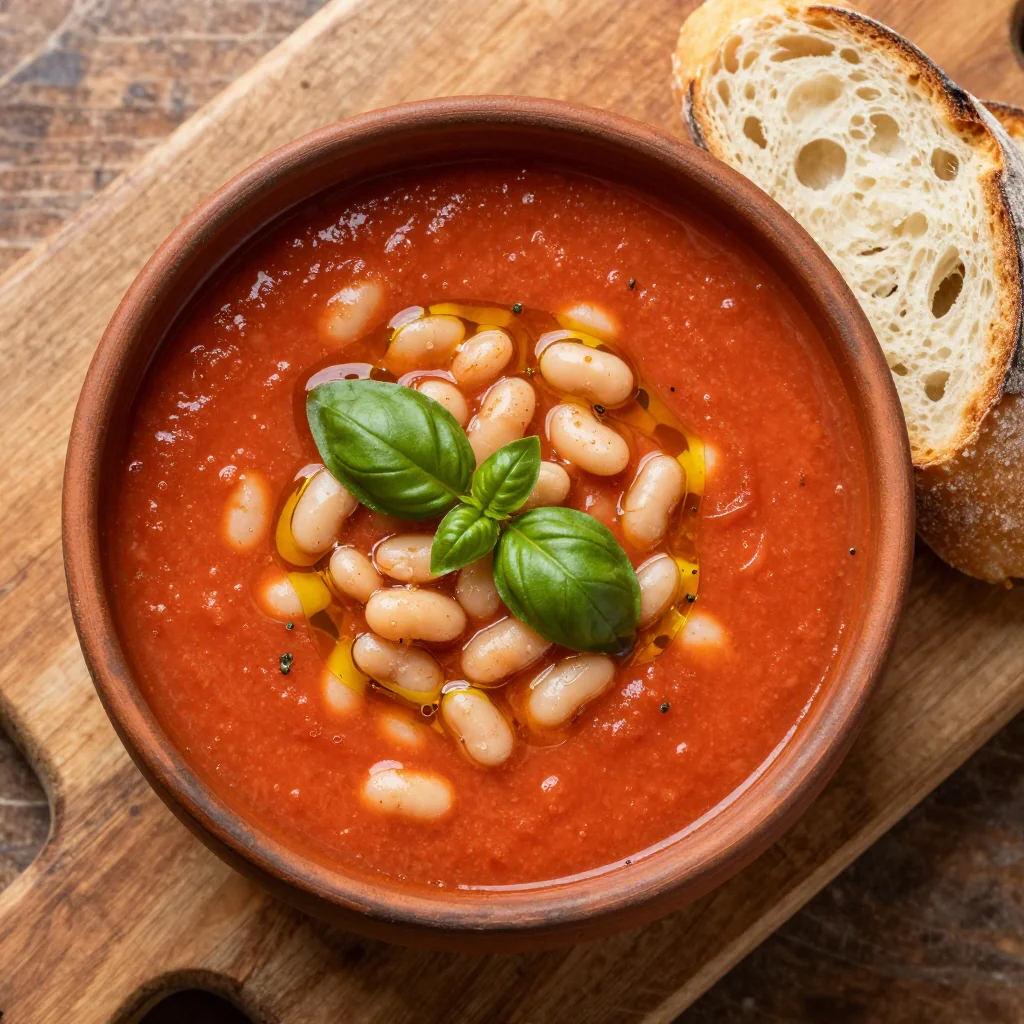
Healthy Comfort Creamy Tomato and White Bean Soup
Ingredients
Instructions
- Sauté aromatics: Heat olive oil and butter in a large pot over medium heat. Add onion, carrots, and celery with a pinch of salt. Cook 8-10 minutes until softened.
- Build flavors: Stir in garlic, tomato paste, paprika, and red pepper flakes. Cook 2-3 minutes until tomato paste darkens.
- Add tomatoes: Pour in whole tomatoes with their juice, crushing them with your hands. Add thyme, rosemary, and bay leaf. Season with salt and pepper.
- Simmer: Add 3 cups broth and bring to a boil. Reduce heat and simmer 15 minutes, partially covered.
- Make bean cream: Drain and rinse 2 cans of beans, reserving liquid from 1 can. Blend reserved liquid, 1 can beans, and ½ cup hot broth until smooth.
- Blend soup: Remove herb stems and bay leaf. Use immersion blender to puree soup until smooth.
- Finish and serve: Stir in bean cream and remaining whole beans. Add vinegar and honey. Season to taste and serve hot with desired garnishes.
Recipe Notes
For the creamiest texture, use an immersion blender directly in the pot. If using a regular blender, work in batches and never fill more than half full with hot liquid. The soup will thicken as it sits—thin with additional broth when reheating.