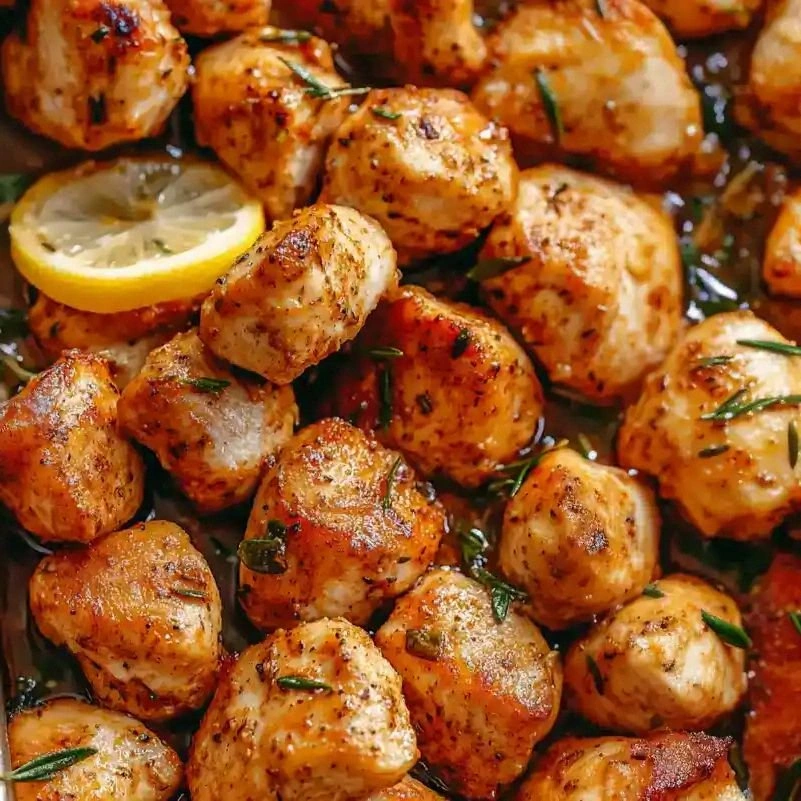
Picture this: it’s a rainy Saturday evening, I’m rummaging through the fridge for something that will make my taste buds dance, and there’s this forlorn bowl of plain noodles staring back at me like a bland, forgotten ghost. I reach for a packet of soy sauce, a drizzle of lime, and a half‑sized peanut butter jar, and suddenly the kitchen transforms into a culinary laboratory where I dare to experiment. I was about to throw the noodles in the sink, but a stray carrot peel slipped out of my hand and landed in the pot, and that was the spark that ignited this high‑protein satay chicken noodle bowl.
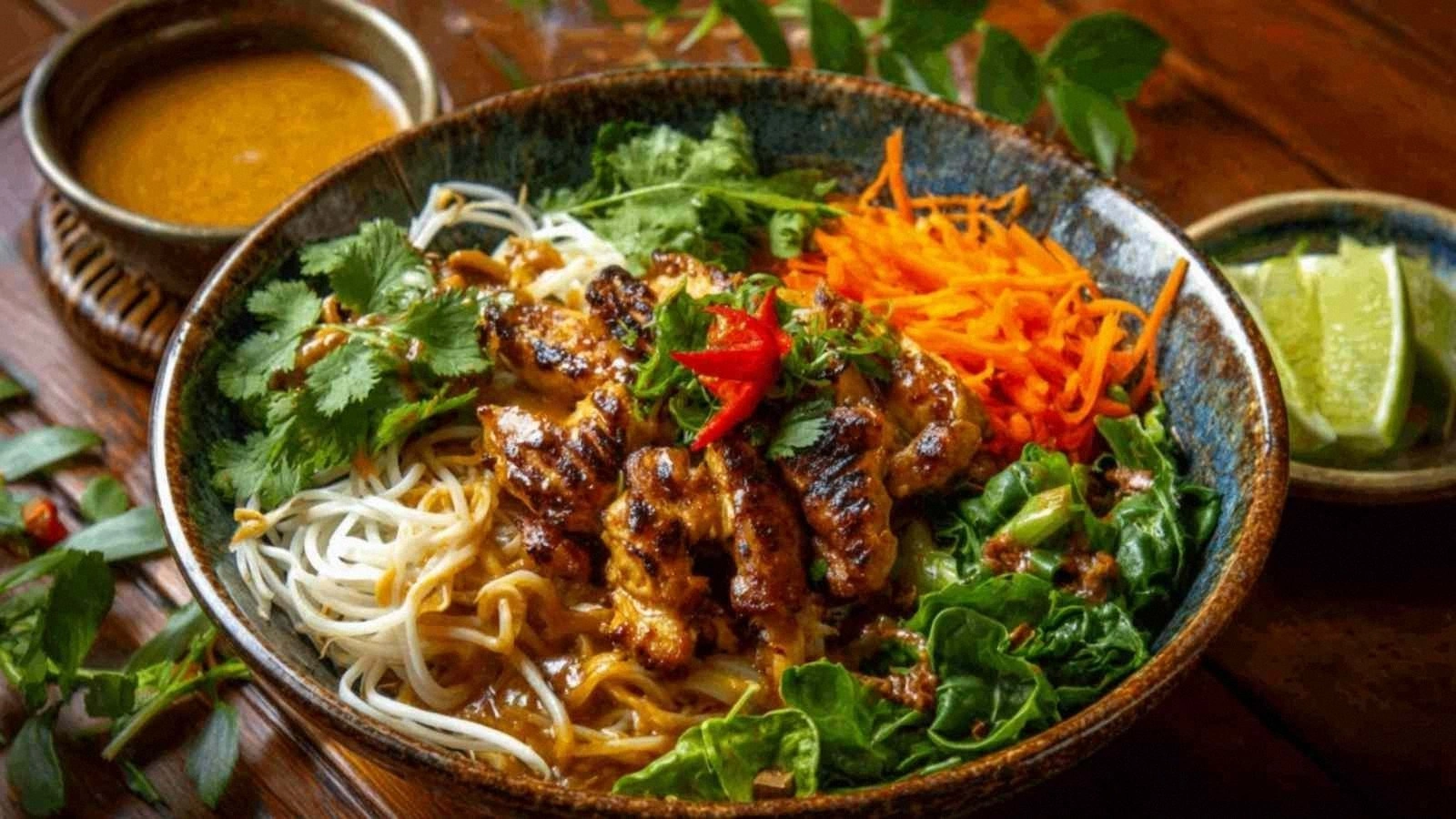
The aroma that hit me was a whirlwind of sweet, salty, and nutty notes, as the peanut butter melted into a glossy sauce that clung to the noodles like a velvet blanket. The sizzle of the chicken in the pan was a satisfying crackle, the sound of garlic and ginger releasing their bright, zesty perfume into the air. The first bite was a symphony: tender, slightly charred chicken, crisp veggies, and noodles that were al dente, with a sauce that coated each strand without weighing it down. The texture was a perfect counterpoint to the crunch of fresh cucumber and the subtle heat of the red bell pepper.
What makes this version stand out is that it turns a simple noodle bowl into a protein‑packed, flavor‑rich masterpiece that feels like a restaurant dish but is made in a single pan. The secret? A satay‑style sauce that balances honey’s sweetness with lime’s acidity, a quick sear that locks in juices, and the addition of fresh cilantro for a burst of herbal brightness. Most recipes get this completely wrong by over‑cooking the noodles or using a bland sauce, but here every element sings. I dare you to taste this and not go back for seconds.
If you’ve ever struggled to make a satisfying noodle bowl that’s also a protein powerhouse, you’re not alone — and I’ve got the fix. This is hands down the best version you’ll ever make at home. Picture yourself pulling this out of the oven, the whole kitchen smelling incredible, and watching your friends’ eyes widen as they take that first bite. Let me walk you through every single step — by the end, you’ll wonder how you ever made it any other way.
What Makes This Version Stand Out
- Taste: The sauce is a harmonious blend of sweet honey, savory soy, and bright lime, creating a depth that feels both exotic and comforting. It coats the noodles like velvet, leaving a lingering aftertaste that invites a second helping.
- Texture: The chicken is seared to a crisp edge that shatters like thin ice, while the noodles remain al dente. Fresh veggies add crunch, and the sauce provides a silky finish.
- Simplicity: With just one pan and a handful of pantry staples, you can achieve a restaurant‑quality bowl in under 45 minutes. No need for fancy equipment or time‑consuming marination.
- Uniqueness: The inclusion of natural peanut butter in the sauce gives a nutty richness that sets this dish apart from standard satay or noodle recipes.
- Crowd Reaction: Friends who’ve tried it say the first bite is a flavor revelation. Many have requested the recipe for potlucks and family dinners.
- Ingredient Quality: Using whole chicken breasts ensures a lean, high‑protein base, while fresh ginger and garlic add aromatic layers that elevate the dish.
- Cooking Method: The quick sear locks in juices, and the simultaneous simmering of the sauce creates a glossy coating that doesn’t separate.
- Make‑ahead Potential: The sauce can be pre‑made and stored for up to a week, and the noodles can be cooked in advance, making this a perfect meal‑prep option.
Alright, let’s break down exactly what goes into this masterpiece…
Inside the Ingredient List
The Flavor Base
Soy sauce and lime juice create a savory, tangy foundation that balances the sweetness of honey. The combination is reminiscent of a classic satay sauce but with a fresh, citrusy twist. Skipping the lime would leave the dish feeling flat, while omitting soy would strip it of its umami depth.
Honey provides natural sweetness without overpowering the other flavors, and its sticky texture helps the sauce cling to the noodles. If you prefer a lower sugar option, replace honey with maple syrup or a sugar substitute, but keep the same volume to maintain consistency.
The Texture Crew
Chicken breasts are the star protein source, offering lean muscle and a satisfying bite when seared to a golden crust. Using whole breasts instead of thighs keeps the dish lower in fat while still delivering juiciness.
Flat rice noodles absorb the sauce beautifully, staying al dente and preventing a mushy texture. If you can’t find flat noodles, wide rice noodles or even soba will work, but adjust the cooking time accordingly.
The Unexpected Star
Natural peanut butter is the secret to the sauce’s silkiness and nutty aroma. It thickens the sauce naturally, eliminating the need for cornstarch or other thickeners. If you’re allergic to peanuts, try cashew butter for a similar effect.
The Final Flourish
Fresh cilantro and roasted peanuts add a bright, herbal finish and a satisfying crunch that contrasts the smooth sauce. The cilantro’s citrusy notes lift the dish, while the peanuts provide a textural pop that keeps each bite interesting. If you’re short on cilantro, a squeeze of fresh lime or a sprinkle of Thai basil can work as a substitute.
Everything’s prepped? Good. Let’s get into the real action…
The Method — Step by Step
- Begin by heating a tablespoon of sesame oil in a large skillet over medium‑high heat. Once the oil shimmers, add the chicken breasts whole, searing them on each side until a golden crust forms and the internal temperature reaches 165°F (about 4 minutes per side). The sear locks in juices, preventing the meat from drying out. As the chicken cooks, the surface develops a caramelized layer that adds depth to the flavor profile.
- Remove the chicken and set it aside on a cutting board. In the same skillet, add a minced clove of garlic and a teaspoon of freshly grated ginger. Sauté for 30 seconds until fragrant, being careful not to burn the aromatics. This quick stir‑fry releases essential oils that form the base of the sauce.
- Whisk together 2 tablespoons of soy sauce, 1 tablespoon of honey, 1 tablespoon of lime juice, and 2 tablespoons of natural peanut butter until smooth. Pour the mixture into the skillet, stirring constantly to combine the aromatics with the sauce. The mixture should thicken slightly, forming a glossy coating that clings to the pan.
- Slice the chicken into bite‑sized strips and return them to the skillet, coating them thoroughly with the sauce. Let the mixture simmer for 2 minutes, allowing the flavors to meld and the sauce to thicken further. The chicken should be glazed and fragrant.
- While the chicken simmers, cook the flat rice noodles according to the package instructions until al dente. Drain and rinse under cold water to stop the cooking process and keep the noodles from sticking.
- Add the cooked noodles to the skillet, tossing them with the chicken and sauce until every strand is coated. Sprinkle in 1 tablespoon of sesame oil for a subtle nutty finish and stir until the oil is fully incorporated.
- Dice the large carrot, slice the cucumber, and chop the red bell pepper into thin strips. Toss the vegetables into the skillet, ensuring they’re lightly coated with sauce but still retain their crunch. Let the mixture cook for an additional minute, just enough to warm the veggies without softening them.
- Transfer the entire bowl to a serving dish. Garnish with fresh cilantro, 2 tablespoons of roasted peanuts, and a final drizzle of sesame oil. Serve immediately while hot, allowing the sauce to cling to every bite.
That’s it — you did it. But hold on, I’ve got a few more tricks that’ll take this to another level. Keep reading for insider tips, variations, and storage hacks that will make this dish a staple in your culinary arsenal.
Insider Tricks for Flawless Results
The Temperature Rule Nobody Follows
Maintain a medium‑high heat when searing the chicken to achieve a crisp exterior without overcooking the interior. If the skillet gets too hot, the exterior will char before the inside reaches safe temperature, leading to a dry bite. Conversely, too low a heat results in a soggy crust. Use a thermometer if you’re unsure; 375°F is ideal for a quick sear.
Why Your Nose Knows Best
Before adding the sauce, pause and inhale the aroma of the garlic and ginger. A strong, fragrant scent indicates the aromatics are ready to release their oils. If the smell is muted, give them another minute; this subtle cue can save your sauce from being bland.
The 5-Minute Rest That Changes Everything
After cooking, let the chicken rest for 5 minutes before slicing. This allows juices to redistribute, ensuring each bite is moist and flavorful. A common mistake is slicing immediately, which can cause the juices to escape and the meat to dry out.
The Perfect Noodle Ratio
Use 200 grams of flat rice noodles for four servings to keep the dish balanced. Too many noodles can overwhelm the sauce, while too few make the bowl feel sparse. Measure carefully to maintain the intended texture.
The Quick Peanut Butter Trick
If natural peanut butter is too thick, whisk in a tablespoon of warm water or a splash of soy sauce to reach the desired consistency. This prevents the sauce from becoming clumpy and ensures a silky coating on the noodles.
Creative Twists and Variations
This recipe is a playground. Here are some of my favorite ways to switch things up:
Spicy Sriracha Kick
Add a tablespoon of Sriracha to the sauce for a fiery edge that pairs beautifully with the nutty peanut base. The heat balances the sweetness, creating a complex flavor profile that appeals to spice lovers.
Thai Basil Fusion
Swap cilantro for Thai basil and add a handful of fresh basil leaves at the end. The aromatic basil introduces a sweet, peppery nuance that elevates the dish to a Thai-inspired bowl.
Low‑Carb Option
Replace rice noodles with spiralized zucchini or shirataki noodles to cut carbs while keeping the dish filling. The noodles absorb the sauce differently, offering a new textural experience.
Vegetarian Upgrade
Use firm tofu instead of chicken for a plant‑based version. Marinate the tofu in soy sauce and lime for 10 minutes before pan‑frying to achieve a crispy exterior that mirrors the chicken’s texture.
Coconut Cream Twist
Stir in a tablespoon of coconut milk into the sauce for a creamy, tropical flavor. The coconut balances the peanut butter’s earthiness and adds a silky mouthfeel.
Gluten‑Free Adaptation
Use gluten‑free soy sauce and ensure the noodles are labeled gluten‑free. This version is safe for those with celiac disease or gluten sensitivity without sacrificing flavor.
Storing and Bringing It Back to Life
Fridge Storage
Store the sauce and cooked noodles separately in airtight containers for up to 3 days. When ready to eat, reheat the sauce over low heat and toss in the noodles, adding a splash of water to maintain moisture. This method keeps the noodles from drying out.
Freezer Friendly
Freeze the sauce in a freezer‑safe container for up to 2 months. Thaw overnight in the fridge and gently reheat on the stove. The noodles should be cooked fresh each time to preserve texture.
Best Reheating Method
Reheat the entire bowl in a microwave-safe dish, covering loosely to prevent splattering. Microwave for 2 minutes, stir, then add a teaspoon of water or broth if the sauce appears thick. Finish with a drizzle of sesame oil for that fresh finish.