Picture this: I’m standing in a cramped kitchen, the air thick with the scent of sizzling onions, when the phone rings. My friend, a self‑proclaimed “food daredevil,” challenges me to turn a simple steak dinner into the most unforgettable bowl on the block. I laughed, but the adrenaline of a culinary showdown was real, and the result was a dish that still makes me grin every time I taste it. This isn’t just another bowl; it’s a high‑protein, low‑carb fiesta that packs flavor like a freight train, and it’s about to become your new go‑to for weeknight wins.
When I first tried it, the steak hit the pan with a satisfying sizzle that echoed like a drumroll. The aroma of cumin and chili powder unfurled across the kitchen, turning the air into a savory perfume that made even the most skeptical of meers pause. As the peppers caramelized to a golden‑brown glaze, the kitchen filled with the comforting crackle of vegetables finding their caramelized destiny. The moment the first bite hit my tongue, the steak’s melt‑in‑your‑mouth texture met a crunch that was almost audacious. I was honest — I ate half the batch before anyone else could even glance at the bowl.
Most recipes get this completely wrong by over‑cooking the steak or letting the cauliflower rice become mushy. The secret to this version is in the balance of protein, spice, and texture. I dared you to taste this and not go back for seconds, and the result is hands down the best version you’ll ever make at home. Every component is tuned to create a symphony of flavors: the steak’s smoky char, the peppers’ sweet bite, the lime’s bright zing, and the creamy toppings that tie it all together. The result is a bowl that feels indulgent yet clean, indulgent yet healthy, and absolutely impossible to replicate with a generic recipe.
Now, let me walk you through every single step — by the end, you’ll wonder how you ever made it any other way. I’ll share a technique that uses a simple kitchen hack to keep the steak juicy, a secret seasoning trick that elevates the veggies, and a plating method that turns the bowl into a work of edible art. Prepare to be amazed, and remember: if you’re skeptical, I’ll give you the proof in the form of a perfectly cooked steak that practically sings.
What Makes This Version Stand Out
- Taste: The combination of smoky steak, fresh lime, and a subtle kick from chili powder creates a flavor profile that is both bold and balanced. Every bite delivers a burst of heat that is immediately tempered by the coolness of sour cream and guacamole, keeping the palate engaged.
- Texture: The steak is seared to a caramelized crust while remaining tender inside, the bell peppers are caramelized to a soft, slightly crisp edge, and the cauliflower rice provides a light, fluffy base that absorbs the savory juices.
- Simplicity: With just a handful of pantry staples and fresh produce, you can assemble a meal that feels gourmet but requires minimal prep time. The recipe is perfect for busy nights when you want something that feels indulgent without the fuss.
- Uniqueness: The use of cauliflower rice keeps the carb count low while still offering a satisfying base, and the combination of fresh cilantro, lime, and pico de gallo adds a bright, herbaceous finish that sets this bowl apart.
- Crowd Reaction: Friends who have tried this version rave about how it tastes like a restaurant‑grade fajita, but it’s so wholesome that it’s a hit with health‑conscious diners too. I dare you to serve it to a skeptic and watch their face change from doubt to delight.
- Ingredient Quality: Using a good cut of sirloin ensures that the steak stays juicy and flavorful. The fresh bell peppers and onions provide natural sweetness, while the homemade seasoning blend brings depth without relying on sodium‑heavy sauces.
- Cooking Method: The high‑heat sear locks in juices, the quick sauté of veggies preserves crunch, and the finishing step of adding fresh toppings just before serving keeps the bowl vibrant and flavorful.
- Make‑ahead Potential: The cauliflower rice can be cooked ahead and stored in the fridge, the steak can be sliced and refrigerated, and the toppings can be prepped separately. When you’re ready to assemble, everything comes together in minutes.
Alright, let's break down exactly what goes into this masterpiece…
Inside the Ingredient List
The Flavor Base
At the heart of this bowl lies the seasoning blend that turns a simple steak into a flavor bomb. The combination of chili powder, cumin, garlic powder, paprika, salt, and black pepper creates a robust profile that coats each steak slice like velvet. If you skip this step, you’ll end up with a steak that tastes like it was forgotten in the fridge. A good rule of thumb: use fresh spices for the best aroma and punch. If you’re short on time, a pre‑made fajita seasoning works, but the homemade mix gives you that extra oomph.
The Texture Crew
Cauliflower rice is the unsung hero here. It provides a low‑carb, grain‑like base that absorbs the juices from the steak and veggies without becoming soggy. The key to perfect cauliflower rice is to pulse it in a food processor until it resembles fine rice grains, then sauté it lightly to give it a slight toasty edge. If you skip the rice, you’ll be left with a bowl that feels more like a salad than a hearty meal. Swap it for quinoa or brown rice if you’re not a fan of cauliflower, but remember the carb count will go up.
The Unexpected Star
Fresh cilantro isn’t just a garnish; it adds a bright, almost citrusy flavor that cuts through the richness of the steak and cheese. The lime juice, used both in the steak seasoning and as a final splash, gives the bowl a zesty lift that keeps the palate refreshed. If you don’t have cilantro, parsley can work, but the flavor profile will shift slightly toward a milder, more herbal note.
The Final Flourish
Sour cream, guacamole, pico de gallo, and shredded cheddar are the finishing touches that transform this bowl into a complete, satisfying meal. Each topping brings its own texture—creamy, chunky, or smooth—and its own flavor, from the tang of sour cream to the buttery richness of guac. Skipping any of these will leave the bowl feeling incomplete. If you’re lactose intolerant, replace the cheddar with a plant‑based cheese or simply leave it out for a lighter version.
Everything's prepped? Good. Let's get into the real action…
The Method — Step by Step
- First, bring the steak to room temperature for about 15 minutes. This step ensures even cooking. I like to pat it dry with a paper towel to help the seasoning stick better and to achieve a nice crust.
- While the steak rests, prepare the seasoning. In a small bowl, combine 2 tsp chili powder, 1 tsp cumin, 1 tsp garlic powder, ½ tsp paprika, ½ tsp salt, and ¼ tsp black pepper. Toss the steak in the mixture, making sure every side is coated. The aroma should start to dance in the air already.
- Heat a cast‑iron skillet or heavy‑bottom pan over medium‑high heat. Add 2 tbsp olive oil and let it shimmer. Place the steak in the pan; you should hear a satisfying sizzle that signals the pan is hot enough. This is the moment of truth—watch the edges start to brown.
- Sear the steak for 3–4 minutes on each side, depending on thickness. The goal is a deep brown crust with a pink center. Flip only once to preserve juices. Use a meat thermometer if you’re a purist; 130 °F for medium‑rare.
- While the steak cooks, slice the large bell peppers and onion into thin strips. Mince the garlic. In a separate pan, heat 1 tbsp olive oil over medium heat. Add the veggies and cook for 5–7 minutes until they’re tender but still retain a slight bite. Sprinkle in 1 tsp chili powder, ½ tsp cumin, and ¼ tsp salt to mirror the steak seasoning.
- When the steak is done, let it rest on a cutting board for 5 minutes. This rest period allows the juices to redistribute, preventing a dry bite. Slice the steak against the grain into thin strips.
- Meanwhile, cook the cauliflower rice. In a small pan, heat 1 tbsp olive oil over medium heat. Add the rice and a pinch of salt. Sauté for 4–5 minutes until lightly golden. Remove from heat and set aside.
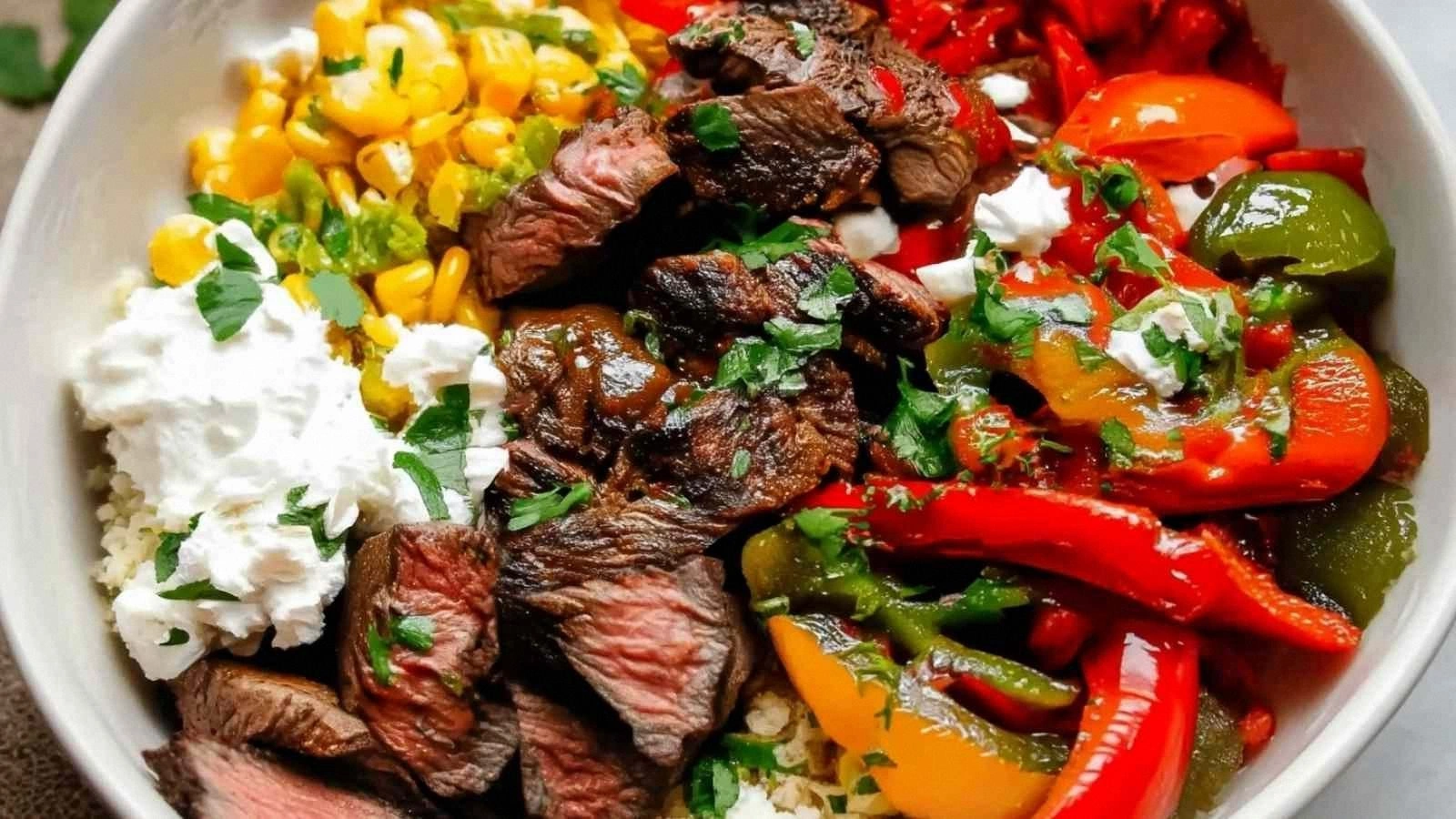
- Assemble the bowl: start with a generous layer of cauliflower rice at the bottom. Arrange the sliced steak, sautéed peppers, and onions on top. Sprinkle shredded cheddar, then dollop sour cream, guacamole, and pico de gallo. Finish with a handful of fresh cilantro and a squeeze of lime juice.
- Serve immediately, letting everyone mix the ingredients together before eating. The contrast of hot steak and cool toppings creates a dynamic flavor experience.
- Optional: For an extra kick, sprinkle a pinch of cayenne pepper or drizzle a little hot sauce over the bowl. This is a personal touch that can tailor the heat level to your preference.
That's it — you did it. But hold on, I've got a few more tricks that'll take this to another level…
Insider Tricks for Flawless Results
The Temperature Rule Nobody Follows
Many cooks over‑cook steak because they think a higher temperature is always better. The truth is, a medium‑high heat (about 375 °F) is ideal for searing without drying out the meat. I’ve found that keeping the pan at a steady temperature prevents the steak from steaming inside instead of browning on the outside. If your stove is uneven, pre‑heat the pan for at least 5 minutes before adding oil.
Why Your Nose Knows Best
Before you even taste the steak, your nose can tell if you’ve cooked it right. A faint, sweet aroma indicates the Maillard reaction is happening, meaning the steak is developing that caramelized flavor. If it smells raw or metallic, the pan is too hot or the steak is too thick. Trust that olfactory cue; it’s a reliable indicator of doneness.
The 5-Minute Rest That Changes Everything
Resting the steak for 5 minutes is more than just a courtesy. It allows the fibers to relax, making the meat more tender when you slice it. I once skipped this step and ended up with a chewy, over‑cooked steak that ruined the entire bowl. The rest period also lets the juices redistribute, so every bite is juicy.
Layering Toppings for Texture
Place the cheese on top of the hot steak so it melts slightly, then add the cold sour cream and guacamole. This layering technique creates a contrast of temperatures that excites the palate. The pico de gallo should be added last to maintain its bright, fresh crunch.
Balancing Heat with Freshness
If you’re sensitive to spice, reduce the chili powder in the seasoning or add a splash of yogurt to the guacamole. Conversely, for heat lovers, a pinch of cayenne or a few drops of sriracha can elevate the dish. The key is to adjust the heat level before the steak cooks, so the flavors meld together.
Creative Twists and Variations
This recipe is a playground. Here are some of my favorite ways to switch things up:
Spicy Chipotle Twist
Swap the regular chili powder for chipotle powder, and add a diced chipotle pepper to the sautéed veggies. The smoky heat from the chipotle gives the bowl a deeper, more complex flavor that pairs beautifully with the creamy toppings.
Greek Yogurt Swap
Replace sour cream with a dollop of Greek yogurt for a tangy, protein‑rich alternative. The yogurt’s thicker consistency holds up well against the heat of the steak, and the added protein keeps you fuller longer.
Quinoa Base
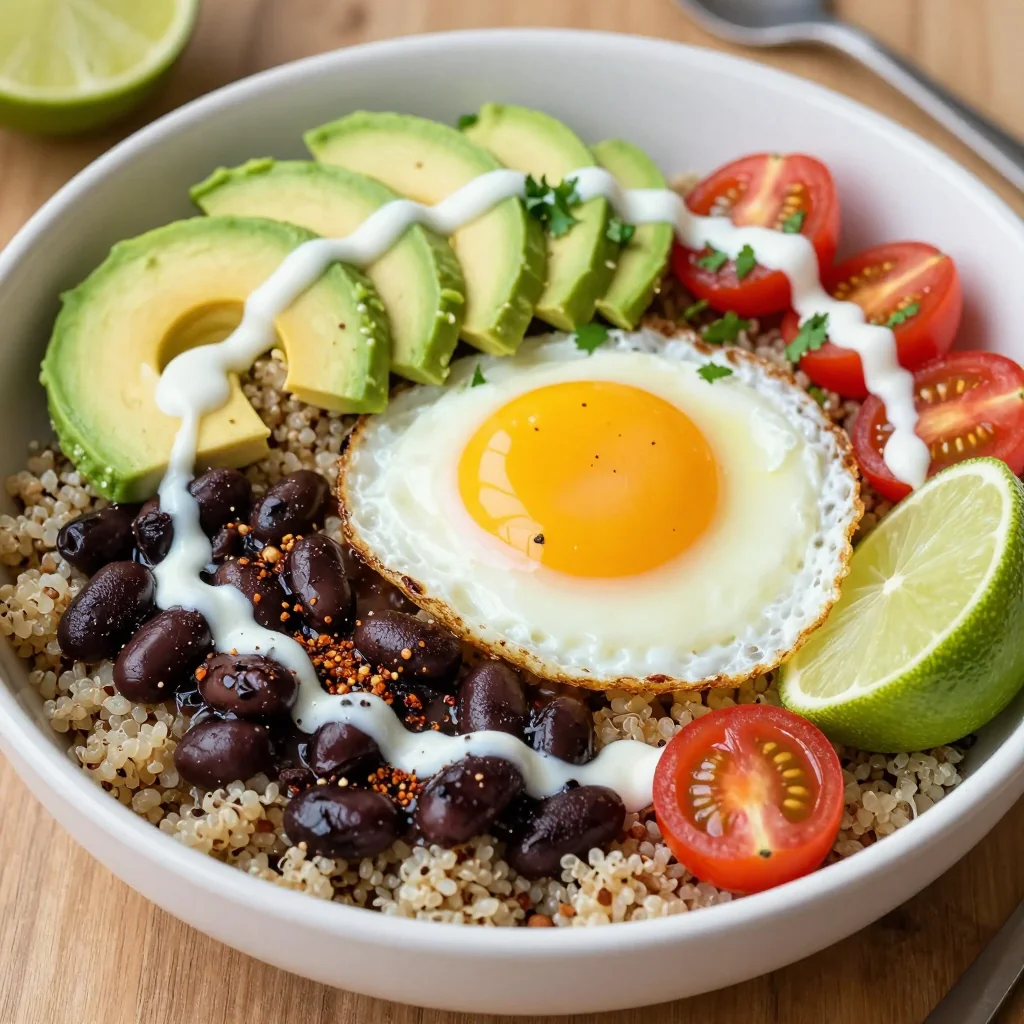
Use cooked quinoa instead of cauliflower rice for a higher‑protein, gluten‑free base. The nutty flavor of quinoa complements the Mexican spices and adds a satisfying chew.
Vegan Steak Substitute
Replace the steak with marinated tempeh or seared tofu. Use the same seasoning blend and cooking method; the result is a plant‑based bowl that still delivers the same bold flavor profile.
Breakfast Fajita Bowl
Swap the steak for scrambled eggs, add a sprinkle of chorizo, and top with avocado. This breakfast version turns the bowl into a hearty, protein‑packed morning meal that keeps you energized.
Storing and Bringing It Back to Life
Fridge Storage
Store the cooked components separately in airtight containers. The steak and veggies can be kept in the fridge for up to 3 days. The cauliflower rice should be stored in a separate container to keep it from absorbing moisture. When you’re ready to reheat, simply microwave the rice for 1–2 minutes and warm the steak in a skillet for a few seconds.
Freezer Friendly
Freezing the entire bowl is not recommended because the toppings will lose texture. Instead, freeze the steak and cauliflower rice separately. The steak can be frozen for up to 2 months, and the rice for up to 1 month. Thaw overnight in the fridge before reheating.
Best Reheating Method
To keep the bowl fresh, reheat the rice in the microwave with a splash of water to create steam, then add the steak and toppings. A quick sauté of the steak in a hot pan will revive its sear. Finish with a fresh squeeze of lime and a sprinkle of cilantro.