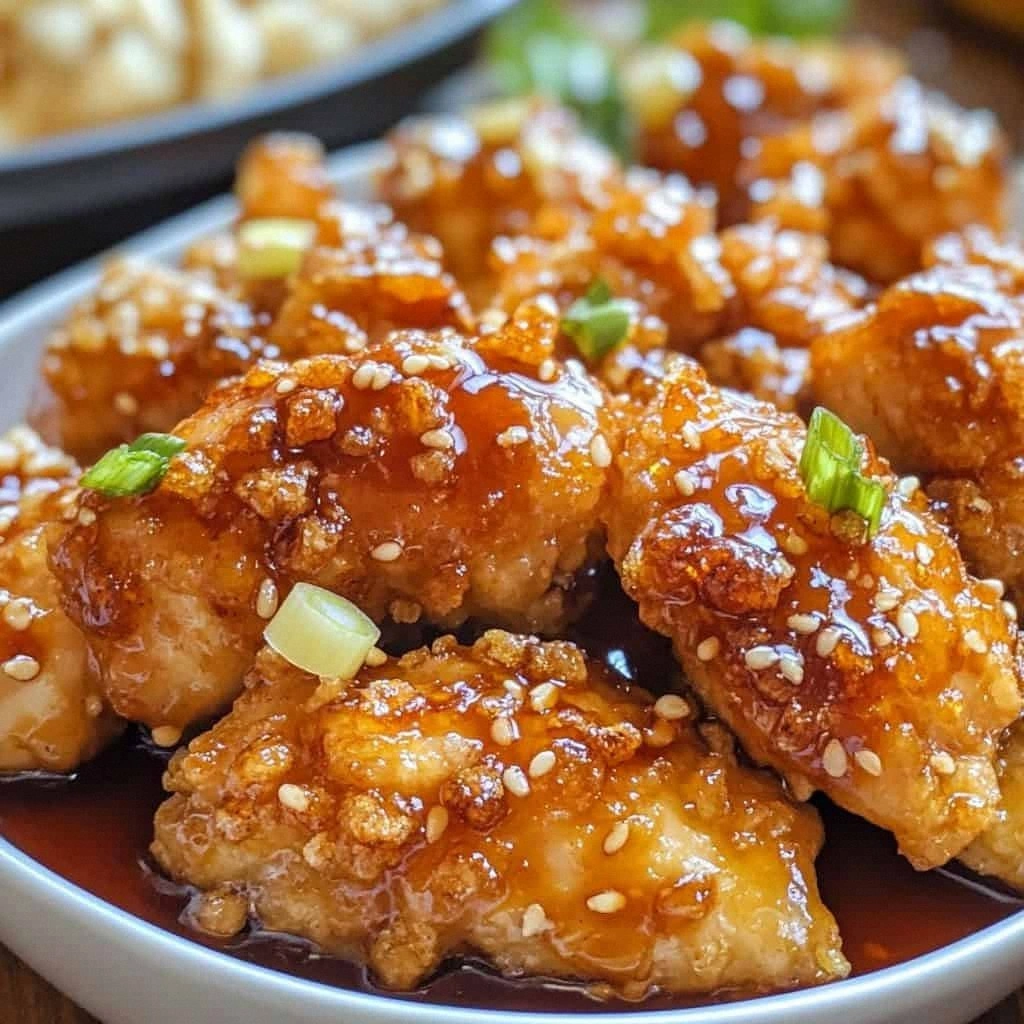
I still remember the first time I tasted hot honey chicken—the sticky, glossy coating, the way the sweet heat clung to every crispy edge, the audible crunch that gave way to a juicy, tender bite. It was at a tiny Nashville food truck parked under string lights, and I was supposed to be “just stopping by” on my way to a dinner reservation. Spoiler: I never made it to that reservation. Instead, I stood in the gravel lot, devouring paper-basketed chunks of golden chicken while the chef, a bearded poet in a faded bandana, scribbled spice ratios on the back of a napkin and told me, “The secret is in the sizzle, kid.” I laughed, licked cayenne-slicked fingers, and thought, I’m going to crack this code at home. Fast-forward through three greasy failures, two smoke-alarm serenades, and one very unfortunate Teflon meltdown, and here we are: the ultimate hot honey chicken recipe that beats every restaurant version I’ve tried—and I’ve tried a lot.
Picture this: you’re standing at your stove, oil shimmering like liquid gold, the kitchen humming with anticipation. You drop in the first flour-dredged cube of thigh meat and—bam!—that sizzle when it hits the pan? Absolute perfection. The aroma blooms instantly: buttery honey, smoky paprika, and a teasing whisper of vinegar that makes your mouth water so hard you have to swallow twice. Meanwhile, your friends or kids or perpetually starving partner drift in, noses first, asking, “How much longer?” and you get to grin like a culinary magician because you already know this batch will vanish in minutes. I dare you to taste this and not go back for seconds. Actually, I double-dare you, because I’ve eaten half the tray before it made it to the table, and I’m supposedly a responsible adult.
What sets this rendition apart isn’t just one neon-bright secret—it’s a stack of small, intentional choices. We’re talking ultra-crispy crust that stays crunchy even after a hot honey plunge, a three-layer heat system that builds instead of bulldozing your palate, and a sauce that glosses like liquid amber without turning soggy. Most recipes get this completely wrong: they either burn the honey, drown the chicken in a one-note cayenne blast, or create that tragic rubbery coating that steams itself into limp oblivion. Here’s what actually works. Let me walk you through every single step—by the end, you’ll wonder how you ever made it any other way.
What Makes This Version Stand Out
Before we roll up sleeves, let’s hit the highlights reel so you know exactly why this adventure is worth the oil splatter on your favorite tee.
- Ultra-Crunch Armor: A double-dredge in seasoned flour plus a whisper of cornstarch creates micro-blisters that shatter like thin ice, then stay crispy even after a hot honey bath. No sad, soggy nuggets here.
- Sweet-Heat Harmony: Instead of flat cayenne heat, we layer fresh chili, smoked paprika, and tangy hot sauce so the burn arrives fashionably late, arm-in-arm with floral honey. Your tongue tingles, it doesn’t surrender.
- One-Pan Sauce Magic: Everything happens in the same skillet. Butter melts, honey caramelizes, vinegar brightens, and the chicken boomerangs back in for a glossy finish—minimal dishes, maximum flavor.
- Make-Ahead Friendly: Fry the chicken up to four hours early; reheat on a wire rack at 400 °F for six minutes, toss in warm sauce, and boom—party-ready platters without the last-minute panic.
- Kid-Adjustable Fire: Dial the red-pepper flakes down to a pinch and swap in a mild hot sauce for kiddos, then stir extra chili into the adult portion. One recipe, two heat zones, zero complaints.
- Leftover Gold: Cold pieces tucked into a biscuit with pickle chips? Elite midnight snack. The honeyed coating chills into a candy shell that cracks between your teeth—trust me on this.
Alright, let’s break down exactly what goes into this masterpiece...
Inside the Ingredient List
The Flavor Base
Chicken thighs are the Beyoncé of the poultry world—flawless, reliable, and they always deliver. Dark meat stays plush even if you overshoot the fry time by a minute or two, and the extra fat mingles with honey to create that lip-smacking juiciness white breast meat can only dream of. Cut them into 1-inch chunks: big enough to stay moist, small enough for maximum surface-area crunch. If you only have breasts, sure, you can swap, but promise me you’ll pull them the second they hit 160 °F or you’ll end up with cotton balls. And please, please, please don’t skip the little black-pepper shower; it blooms in the hot oil and adds a floral heat that white pepper wishes it could manifest.
The Texture Crew
All-purpose flour is our scaffolding, but cornstarch is the secret weapon that turns crust into glass-shatter shards. The 4:1 ratio gives you the best of both worlds: flour for structure, cornstarch for feather-light crisp. Garlic powder and paprika are the supporting actors—if you leave them out, the crust tastes flat, like a movie without a soundtrack. The optional cayenne is your throttle; skip it if you want a gentle ride, double it if you’re the friend who orders “Thai hot” and still asks for chili flakes.
The Unexpected Star
Apple cider vinegar in the sauce is the plot twist nobody sees coming. It slices through honey’s cloying sweetness and hot sauce’s vinegar bite, tying the whole glaze into a balanced ribbon. Without it, you’re basically eating fancy fire taffy. A tablespoon is all it takes—don’t eyeball a glug and accidentally turn your chicken into a sour-candy experiment.
The Final Flourish
Butter might seem redundant when you’re already frying, but swirling a tablespoon into the finished glaze adds a silky gloss that clings like velvet. It also prevents the honey from turning into hard candy once it cools. Sesame seeds, green-onion confetti, and a whisper of extra red-pepper flakes make the dish look like you tried harder than you did, which is my favorite kitchen flex.
Everything’s prepped? Good. Let’s get into the real action...
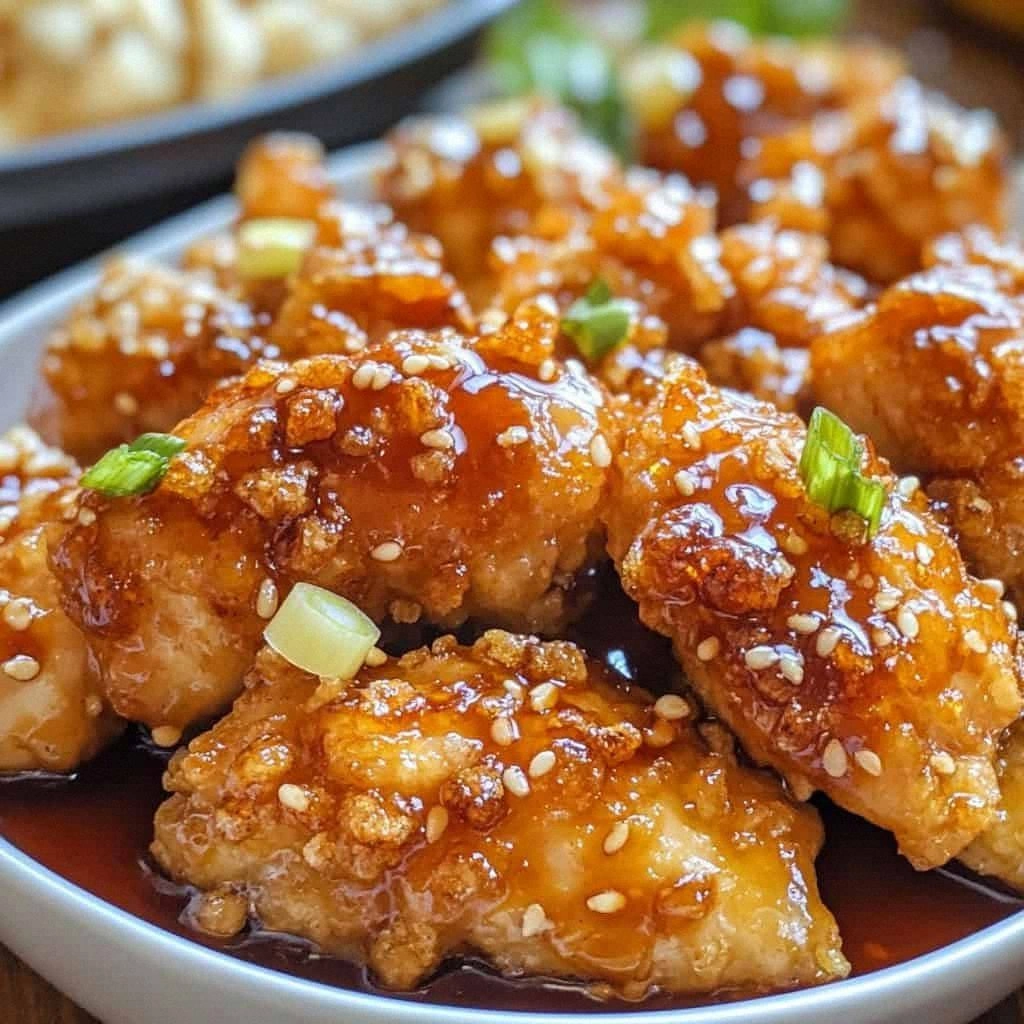
The Method — Step by Step
- Whisk your flour, salt, pepper, garlic powder, paprika, and optional cayenne in a bowl big enough for rolling a small party of chicken nuggets. Think of it as building a flavor bunker; every speck of seasoning will end up on the crust, so be generous and taste a pinch—yes, raw flour is safe in micro-doses and it should remind you of seasoned Shake ’n Bake nostalgia. In a second bowl, beat eggs and milk until they look like sunshine you can drink. The milk thins the eggs so they don’t pancake around the chicken, and the protein helps the flour grab hold like Velcro. Okay, ready for the game-changer? Slide your cut chicken into the egg wash first, then let the excess drip off—too much egg puddles and fries into weird rubbery bits.
- Now the double-dredge: drop the wet chicken into the flour, press gently so craggy nooks form, then back into the egg, and once more into the flour. Sounds excessive? That second coat is the crunch insurance policy. Lay the pieces on a wire rack for ten minutes; this resting window hydrates the flour so it adheres like concrete when it hits the oil. Skip it and you’ll leave half your crust floating sadly in the pot like crispy confetti. Meanwhile, pour vegetable oil into a heavy Dutch oven until it reaches two inches up the side—deep enough for buoyant nuggets, shallow enough not to spill over when you add the cold chicken. Clip on that thermometer and bring the oil to 350 °F over medium-high heat. Patience, grasshopper; the temp will look stuck at 275 °F forever, then sprint past 400 °F if you blink. Stay present.
- Fry time! Slide in six to eight pieces—don’t crowd or the oil temp will plummet and you’ll get soggy socks instead of shatter-crust. The sizzle should sound like applause; if it’s a timid whisper, your oil isn’t hot enough, so abort and wait. Fry for 90 seconds, flip with spider or tongs, go another 60–90 seconds until the coating turns deep golden like tanned vacation skin. Transfer to a clean wire rack set over a sheet pan; avoid paper towels because steam equals enemy-of-crisp. Keep the chicken warm in a 250 °F oven while you repeat with remaining batches. By the end, your kitchen smells like state-fair heaven and you’ve probably burned your tongue “testing” a piece. Worth it.
- While the last batch sizzles, make the glaze. In a wide skillet—big enough to toss chicken like a salad—melt butter over medium, then add honey, hot sauce, vinegar, pepper flakes, garlic powder, and smoked paprika. Stir constantly; the mixture will thin, then foam, then thicken to a loose caramel that sheets the spoon. You’re aiming for 210 °F on an instant-read; hotter and you enter taffy territory. When it smells like spicy honey candy and looks like liquid sunset, pull it off heat. This next part? Pure magic.
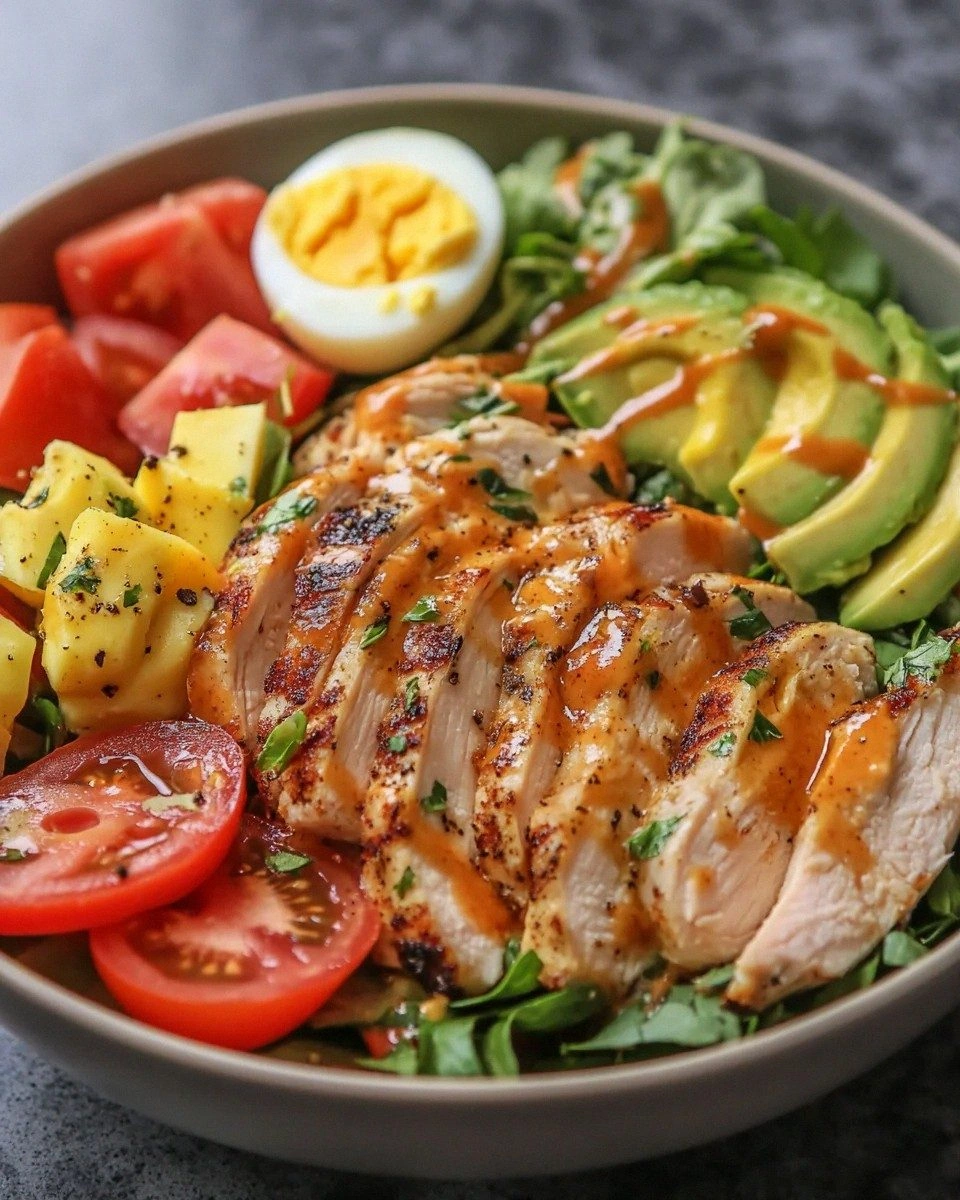
- Drop the fried chicken into the glaze, then swirl the pan like you’re tossing pasta. The hot honey will cling to every ridge and bubble into the crags. If you’re a glossy-finish maximalist, return the skillet to low heat for thirty seconds while you keep everything moving; just enough to lacquer, not cook the chicken further. Immediately shower with sesame seeds and green onions for color pop and aromatic lift. Serve straight from the skillet if you want the full rock-star experience, or pile onto a platter lined with parchment for that Instagram-ready ripple effect. Either way, serve hot, serve fast, and watch the communal grabbing commence.
That’s it—you did it. But hold on, I’ve got a few more tricks that’ll take this to another level...
Insider Tricks for Flawless Results
The Temperature Rule Nobody Follows
Most home cooks obsess over oil temp but ignore chicken temp. Dark meat needs to land at 175 °F for optimum tenderness; any lower and you get that faint rubbery resistance. After the fry, the carry-over heat during the glaze toss nudges it right where you want, so don’t sweat a thermometer in every cube—just spot-check a couple of the fattest nuggets.
Why Your Nose Knows Best
The glaze is ready when the vinegar sting dissipates and you smell toasted honey. If it still whiffs like pickle brine, keep stirring. If it smells like burnt sugar, you’ve crossed the Rubicon—add a tablespoon of water, swirl like mad, and pull off heat to halt the cook.
The 5-Minute Rest That Changes Everything
After glazing, let the chicken sit on the wire rack for five minutes. The honey tightens, the crust re-crisps slightly, and you avoid napalm-level mouth burns. A friend tried skipping this step once—let’s just say it didn’t end well for his tongue or his pride.
Creative Twists and Variations
This recipe is a playground. Here are some of my favorite ways to switch things up:
Korean Fire-Chicken Style
Sub in gochujang for the hot sauce, add a spoon of soy, and finish with melted mozzarella on top. The sweet-heat-cheese pull is next-level bonkers and makes killer late-night drinking food.
Mango-Habanero Sunshine
Puree ¼ cup mango into the glaze plus one minced habanero. The tropical fruit rounds the edges while the habanero adds fruity fire—perfect for summer cookouts when you want to impress that friend who claims “nothing is too spicy.”
Smoky Bourbon Glaze
Swap the apple cider vinegar for bourbon and flame off the alcohol before adding honey. The caramel notes marry with smoked paprika to taste like campfire chicken candy.
Low-Carb Cauliflower Swap
Use cauliflower florets, air-fry at 400 °F for 12 minutes, then toss in the same glaze. You’ll miss the protein punch but keep the crave-able crunch for meat-free Mondays.
Mini Slider Cubes
Cut thighs into ½-inch bits, fry 45 seconds, and glaze. Pile onto Hawaiian rolls with quick pickles for party sliders that vanish faster than free drinks.
Breakfast Waffle Stack
Leftovers on top of a cheddar waffle, drizzle with maple-hot honey hybrid, crown with a fried egg. Brunch menus everywhere just quivered.
Storing and Bringing It Back to Life
Fridge Storage
Cool completely, then park in an airtight container with a paper towel to absorb moisture. It keeps four days, though you’ll finish it in two. Reheat as noted above; don’t microwave unless you enjoy rubber.
Freezer Friendly
Flash-freeze pieces on a tray, then bag with parchment between layers. Freeze up to two months. Reheat from frozen 425 °F on a rack for 12–14 minutes, then re-toss in fresh warm glaze for that just-made shine.
Best Reheating Method
Add a tiny splash of water to the glaze before warming to re-introduce steam and loosen the sugars. Warm chicken, warm glaze, quick toss—tastes like day one.