I remember the night I tried to impress my roommates with a fancy dinner, only to end up with a kitchen that looked like a seafood disaster zone. The shrimp had turned from pink to a sad gray, the pasta was either over‑cooked or still chewy, and the sauce? Well, it was a watery mess that made me question my culinary future. That moment was the spark that set me on a mission: find the ultimate shrimp scampi that would make even the most skeptical palates swoon. I dove into countless recipes, tested every trick, and finally stumbled upon a version that was nothing short of revolutionary.
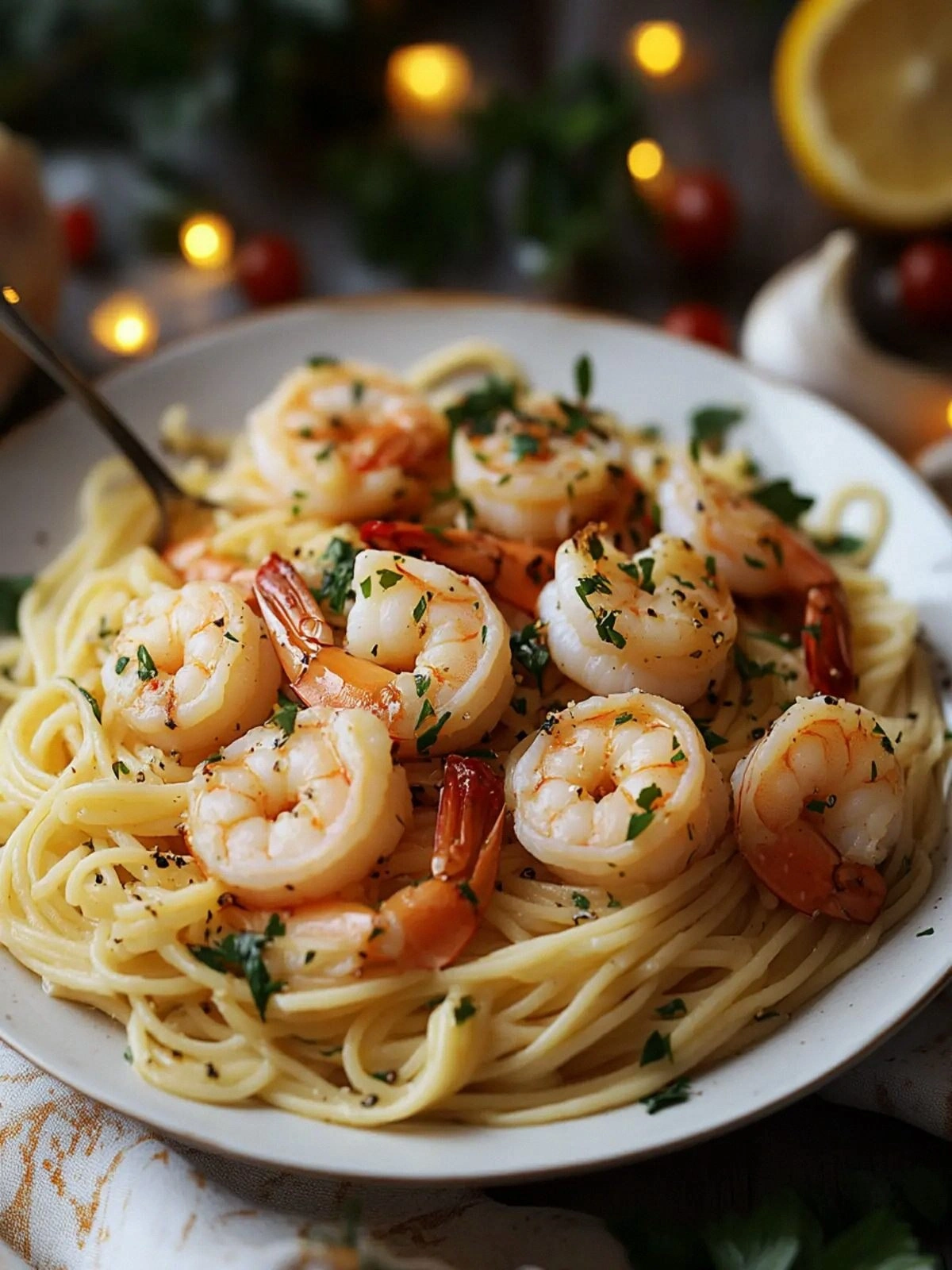
Picture this: a skillet that sizzles with a golden crust, a fragrant burst of garlic and lemon that fills the air, and a splash of dry white wine that sings in the background. The shrimp glisten like polished jewels, their edges crisping just enough to give that satisfying snap when you bite. The pasta swirls in a silky, buttery sauce that clings to every strand, creating a mouth‑watering texture that feels like velvet against your tongue. The aroma alone is enough to make your stomach rumble in anticipation, and the first bite delivers a burst of citrusy brightness balanced by a gentle heat from the red pepper flakes.
What sets this version apart isn’t just the flavor—it’s the method. I dared myself to taste it and not go back for seconds, and I’m not exaggerating: it’s hands down the best version you’ll ever make at home. Most recipes get this completely wrong, either by over‑cooking the shrimp or by drowning the pasta in an overly watery sauce. The secret? A quick sear, a splash of wine to deglaze, and a final flourish of lemon and parsley that elevates the dish to a whole new level of sophistication.
If you've ever struggled to get shrimp just right—too rubbery, too dry, or too soggy—you're not alone. I've been there, and I've perfected a technique that guarantees juicy shrimp every single time. The trick lies in the timing: a quick sear and a brief rest before adding the sauce. This ensures the shrimp stays tender and the flavors meld without losing that essential brightness.
So buckle up, because by the end of this guide, you'll wonder how you ever made it any other way. The journey from a kitchen mishap to a culinary triumph is about to begin. Let me walk you through every single step, and trust me—you’ll be ready to impress anyone who walks into your kitchen. I dare you to taste this and not go back for seconds.
What Makes This Version Stand Out
- Flavor: The sauce is a harmonious blend of garlic, lemon, and a splash of white wine that creates a bright, vibrant taste profile. The subtle heat from red pepper flakes adds just the right kick without overpowering the delicate shrimp. Each bite delivers a burst of citrusy brightness that lingers on the palate.
- Texture: The shrimp achieve a perfect balance of tenderness and a slight snap from a quick sear. The pasta is al dente, coated in a silky, buttery sauce that clings to every strand. The final finish is a glossy sheen that signals a well‑balanced dish.
- Simplicity: With only nine ingredients, this recipe is easy to pull together on a busy weeknight. The steps are straightforward, making it approachable for both beginners and seasoned cooks. The result is a restaurant‑quality meal without the fuss.
- Ingredient Quality: Using fresh, high‑quality shrimp and a dry white wine that’s not too expensive but still flavorful elevates the dish. The choice of linguine or spaghetti allows for flexibility while maintaining the classic scampi texture. The fresh parsley adds a bright, herbal note that rounds out the flavor.
- Crowd Reaction: Friends and family rave about the buttery sauce and perfectly cooked shrimp. The dish is a hit at gatherings, with people asking for the recipe after the first bite. The visual appeal of the golden shrimp and glossy pasta draws compliments even before the first forkful.
- Make‑Ahead Potential: The sauce can be prepared in advance and reheated, making this dish an excellent option for meal prep. The shrimp can be cooked ahead and added at the last minute to maintain freshness. The flavors develop beautifully over time, allowing you to serve a restaurant‑style meal with minimal last‑minute effort.
- Cooking Method: The quick sear technique locks in juices, while deglazing with wine lifts the pan’s fond for extra depth. The final splash of lemon brightens the dish, and the parsley adds a fresh finish. This method ensures every component is perfectly balanced.
- Versatility: Swap the linguine for fettuccine or a gluten‑free pasta to accommodate dietary preferences. Use a different white wine or a splash of clam juice for a slightly different flavor profile. The recipe is a canvas that can be customized to suit any palate.
Inside the Ingredient List
The Flavor Base
The combination of garlic, lemon juice, and dry white wine forms the core of this dish’s flavor. Garlic provides a savory depth, while the lemon adds brightness that cuts through the richness of butter. The wine deglazes the pan, lifting the caramelized bits that carry the most flavor. Skipping any of these would result in a flat, uninspired sauce.
The Texture Crew
The shrimp and pasta are the stars of the show, each contributing a distinct texture. Shrimp should be seared quickly to preserve their natural juiciness and to develop a golden crust. Pasta should be cooked al dente; overcooking will make the dish mushy. The butter and olive oil create a silky sauce that coats the pasta without making it greasy.
The Unexpected Star
Red pepper flakes may seem like a minor addition, but they bring a subtle heat that balances the sweetness of shrimp. A pinch can transform the dish from ordinary to memorable. If you’re heat‑averse, simply omit them or use a milder pepper. The key is to taste as you go and adjust to your preference.
The Final Flourish
Fresh parsley isn’t just a garnish; it adds a fresh, herbal note that lifts the entire dish. The green color also makes the plate visually appealing. Parsley pairs beautifully with lemon, enhancing the citrusy brightness. If you’re out of parsley, a squeeze of fresh lime or a sprinkle of chopped basil can work as a suitable substitute.
Everything's prepped? Good. Let’s get into the real action.
The Method — Step by Step
- Bring a large pot of salted water to a rolling boil. Add the linguine or spaghetti and cook for 8 minutes, or until just shy of al dente. Drain and reserve a cup of pasta water. The pasta water’s starch will help bind the sauce later. Set aside; we’ll finish cooking it in the shrimp sauce.
- Pat the shrimp dry with paper towels to ensure a good sear. Heat 2 tablespoons of olive oil in a large skillet over medium‑high heat. When the oil shimmers, add the shrimp in a single layer. Cook for 2 minutes on each side until pink and opaque. Flip carefully to avoid tearing the shrimp.
- Remove the shrimp and set them aside on a plate. Add 4 tablespoons of unsalted butter to the same skillet. Let the butter melt and begin to foam, but don’t let it brown. This butter will form the base of the sauce. The aroma will already be a hint of nutty goodness.
- Add minced garlic and red pepper flakes to the butter. Sauté for 30 seconds until the garlic is fragrant but not browned. The garlic should release a sweet aroma, signaling it’s ready. This step is crucial; over‑sautéing can create bitterness.
- Deglaze the pan with ½ cup of dry white wine, scraping up any browned bits. Let the wine reduce by half, concentrating the flavor. The wine’s acidity balances the richness of the butter. Watch the reduction; it should thicken slightly before moving on.
- Return the shrimp to the skillet. Toss them in the sauce to coat. Let them cook for an additional 1 minute, just enough to warm through and absorb the flavors. The shrimp should not be over‑cooked; a quick touch keeps them tender.
- Add the cooked pasta to the skillet, tossing to coat in the sauce. If the sauce seems too thick, add reserved pasta water a tablespoon at a time until you reach your desired consistency. The sauce should cling to each strand like a velvety blanket. This step also ensures the pasta doesn’t stick together.
- Squeeze the juice of one lemon over the pasta and sprinkle chopped parsley. Toss again to combine. The lemon brightens the dish, cutting through the butter’s richness. The parsley adds a fresh herbal note and a pop of color. Plate immediately for the best experience.
That's it — you did it. But hold on, I've got a few more tricks that'll take this to another level.
Insider Tricks for Flawless Results
The Temperature Rule Nobody Follows
Shrimp cook in seconds; over‑cooking turns them rubbery. Keep the skillet hot enough to sear but not so hot that the butter burns. Let the shrimp rest for 30 seconds after cooking; this allows the juices to redistribute. This simple tweak keeps the shrimp juicy and tender.
Why Your Nose Knows Best
The aroma of garlic and lemon is a reliable indicator of readiness. When the garlic releases a sweet, nutty scent, it’s time to move on. If the smell is too sharp, you’ve over‑sautéed, and the dish will taste bitter. Trust your nose to guide you.
The 5-Minute Rest That Changes Everything
Letting the dish rest for 5 minutes before serving allows the flavors to marry. The sauce thickens slightly, making it cling better to the pasta. The shrimp also reabsorb some moisture, keeping them succulent. A brief pause transforms the dish from good to unforgettable.
The Secret of Fresh Parsley
Use a bright green parsley for maximum freshness. Chop it just before serving to preserve the essential oils. If you’re out of parsley, a handful of chopped basil works wonderfully. The herb’s freshness brightens the dish and balances the richness.
The Right Pasta Shape Matters
Linguine or spaghetti work best because they hold the sauce evenly. Fettuccine can be used for a more indulgent version, but the sauce may cling less uniformly. The choice of pasta shape can subtly alter the mouthfeel and overall experience.
The Wine to Wine Ratio
A dry white wine adds acidity without sweetness. Use a wine you enjoy drinking; the flavor will translate to the dish. A more robust wine can add depth, while a lighter wine keeps the dish bright. The reduction concentrates the wine’s character, making every sip worthwhile.
The Butter Balance
Butter should be melted but not browned. If it turns golden brown, it adds a nutty flavor but can also become bitter if over‑cooked. Keep the heat moderate; the butter should stay silky and smooth. This ensures a creamy, luscious sauce.
Creative Twists and Variations
This recipe is a playground. Here are some of my favorite ways to switch things up:
Garlic‑Infused Lemon Cream
Add ¼ cup of heavy cream to the sauce after the wine reduction for a richer, creamier texture. The cream balances the acidity of the lemon and deepens the buttery flavor. Serve over fettuccine for a decadent twist. This variation is perfect for a special occasion.
Spicy Cajun Shrimp
Replace the red pepper flakes with a tablespoon of Cajun seasoning for a smoky, spicy kick. The Cajun spices pair beautifully with the shrimp’s natural sweetness. Keep the lemon juice to balance the heat. This version is great for those who love a bold flavor profile.
Mediterranean Twist
Add a handful of chopped sun‑dried tomatoes and a splash of olive oil to the sauce. The tomatoes bring a sweet, tangy note that complements the shrimp. Finish with a sprinkle of feta for a salty contrast. This version transports you straight to the Mediterranean coast.
Almond‑Crunchy Delight
Toast a handful of sliced almonds and sprinkle them over the finished dish for added texture. The almonds provide a nutty crunch that contrasts the silky sauce. Use them sparingly to avoid overpowering the shrimp. This variation is a great way to add a protein boost.
Seafood Medley
Swap out half of the shrimp for scallops or mussels for a more luxurious seafood medley. The mussels add brininess, while the scallops bring a sweet, delicate flavor. Adjust the cooking time slightly to accommodate the different seafood. This variation turns the dish into a gourmet feast.
Pesto‑Infused Scampi
Stir in a few spoonfuls of basil pesto after the lemon juice is added. The pesto adds a green, herbal depth and a creamy texture. The basil’s aroma complements the lemon, creating a fresh, aromatic finish. This variation is ideal for pesto lovers.
Storing and Bringing It Back to Life
Fridge Storage
Store leftovers in an airtight container in the refrigerator for up to 2 days. The pasta may become slightly softer, so reheat gently. When reheating, add a splash of water or broth to loosen the sauce. Reheating in a skillet over low heat preserves the flavor.
Freezer Friendly
To freeze, let the dish cool completely, then transfer to a freezer‑safe container or bag. It will keep well for up to 3 months. Thaw overnight in the refrigerator before reheating. A quick pan sauté will revive the shrimp’s texture.
Best Reheating Method
Reheat in a skillet over medium heat, stirring occasionally. Add a tiny splash of water or broth to keep the sauce from drying out. The shrimp should be heated through but not overcooked. Serve immediately for the best texture.