Love this? Pin it for later! 📌
Low-Calorie Roasted Lemon Carrots & Parsnips for Detox Dinners
After a whirlwind December packed with cookie swaps, champagne toasts, and cheese-board dinners, my body practically begged for something—anything—that didn’t involve buttercream or prosecco. One gray January afternoon I opened the fridge and spotted a bag of forgotten carrots and parsnips, their tips starting to wrinkle like they, too, had over-indulged. I almost reached for the usual honey-glaze, then paused: why not let the vegetables themselves shine? I grabbed a bright yellow lemon, a drizzle of olive oil, and a pinch of smoked salt. Forty minutes later the aroma drifting through my kitchen was so uplifting I texted my neighbor: “I think I just invented the edible version of a juice cleanse—only you actually get to chew!” We laughed, but when my usually picky seven-year-old inhaled an entire plate and asked for seconds, I knew I had a keeper. Since then this sheet-pan of roasted lemon carrots and parsnips has become my post-holiday reset, my pre-vacation de-bloat, and my “please-let’s-keep-dinner-under-300-calories” lifesaver. It’s simple enough for a Tuesday, elegant enough for company, and so forgiving you can tweak it every single time without writing a new recipe. If your body is craving something fresh, vibrant, and shockingly satisfying, pull up a chair—this one’s for you.
Why This Recipe Works
- Low-calorie comfort: A heaping cup clocks in at just 112 calories, letting you enjoy a generous “main-dish” portion without tipping the scale.
- Natural detoxifiers: Carrots supply beta-carotene, parsnins bring potassium and soluble fiber, and lemon offers vitamin C—together they support liver enzymes and gentle digestion.
- One-pan ease: Toss, roast, done. No steamer basket, no double boiler, no mountain of pots.
- Caramelized flavor, zero refined sugar: High-heat roasting concentrates the vegetables’ own sugars, so you get candy-like edges minus the glycemic spike.
- Meal-prep hero: Holds beautifully for four days in the fridge and reheats like a dream, making weekday detox dinners almost automatic.
- All-season versatility: Swap herbs, play with citrus zest, or add a handful of chickpeas to keep taste buds intrigued year-round.
Ingredients You'll Need

Carrots and parsnips are the headliners here, but every supporting player matters if you want restaurant-level flavor on a detox-friendly résumé.
Carrots: Choose medium-sized roots; they roast more evenly than baby carrots yet stay tender inside unlike those monster horse-sized ones. If you can find bunched carrots with tops, even better—the greens signal freshness. Peel only if the skins are thick or bitter; a good scrub preserves nutrients.
Parsnips: Look for pale, firm specimens with no dark soft spots. Smaller parsnips have a milder, almost nutty sweetness, while larger ones can carry a woody core you’ll want to cut out. Buy locally if possible; parsnips convert some of their starch to sugar after frost, so farmers’ market roots harvested in cool months taste sweeter.
Lemon: An organic, unwaxed lemon lets you zest boldly without pesticide worry. Before juicing, grate the vibrant yellow layer—white pith adds bitterness. Roll the fruit on the counter to maximize juice yield.
Olive oil: Because we’re keeping calories in check, use a judicious 1½ tablespoons for two pounds of veg. A good extra-virgin oil adds antioxidants and helps absorption of fat-soluble beta-carotene.
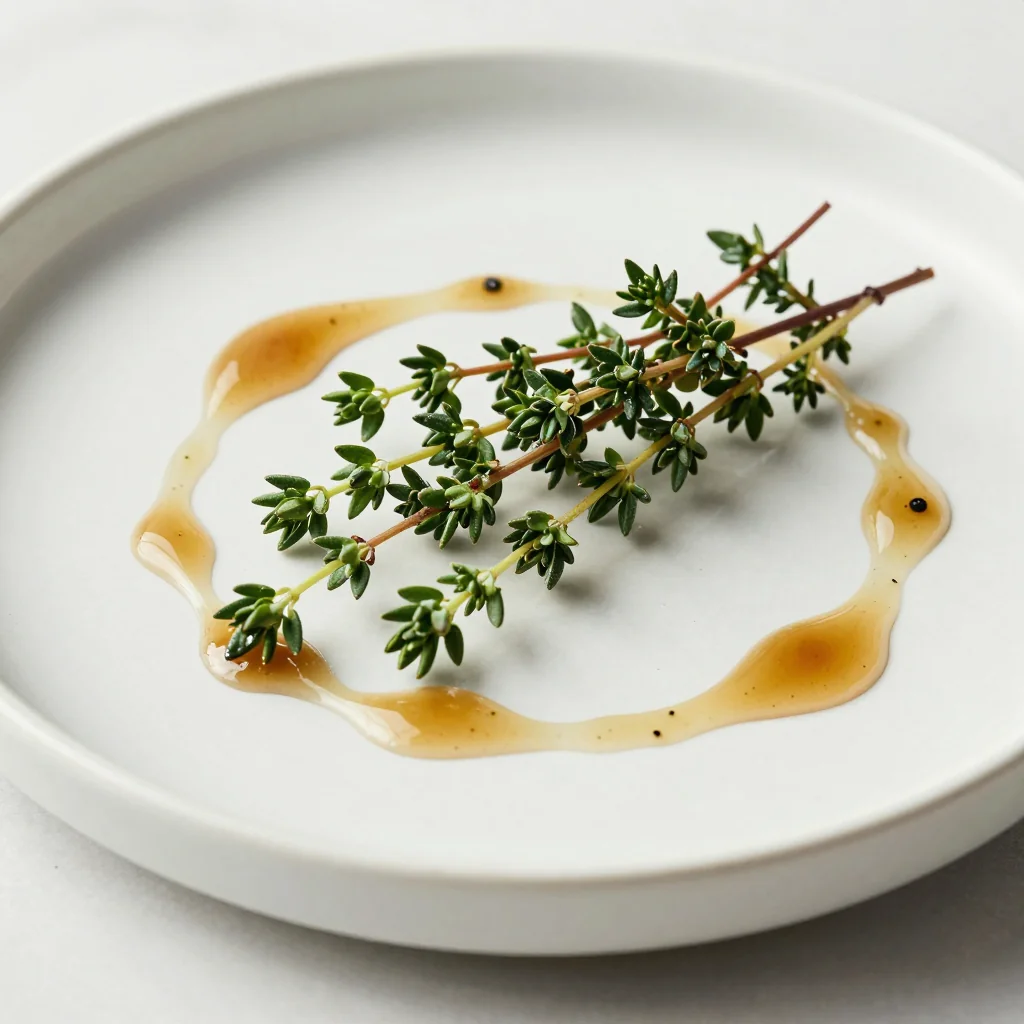
Fresh thyme: Its earthy note bridges carrots’ sweetness and parsnips’ earthiness. No thyme? Swap fresh rosemary or sage, but use half the amount—those herbs are stronger.
Smoked salt: Optional, yet it gifts a bacon-like nuance without any actual bacon calories. If you don’t have it, flaky sea salt plus a pinch of smoked paprika works.
Black pepper: Freshly cracked. Pre-ground pepper has lost many volatile oils and can taste dusty.
Chili flakes: Just a whisper wakes up the palate and subtly boosts metabolism. Omit if serving heat-sensitive kiddos.
How to Make Low-Calorie Roasted Lemon Carrots & Parsnips for Detox Dinners
Preheat & Prep Pans: Adjust oven rack to center position and preheat to 425°F (220°C). Line two large rimmed baking sheets with parchment paper for easy cleanup; if you only own one sheet, roast veg in two batches—crowding causes steam, not caramelization.
Trim & Cut Uniformly: Peel carrots and parsnips. Slice on the bias into ½-inch (1 cm) coins; keep the two veg separate at first so parsnip cores can be trimmed if tough. Cutting equal sizes guarantees even roasting.
Lemon Zest Shower: Zest the entire lemon over both piles of vegetables, allowing the tiny oils to mist onto the cutting board—aromatherapy included.
Oil & Season: Drizzle olive oil, sprinkle thyme leaves, smoked salt, black pepper, and chili flakes. Using clean hands, toss until every piece glistens lightly—think moisturized, not drenched.
Arrange with Personal Space: Spread veg in a single layer, ensuring pieces aren’t touching. Give them breathing room and they’ll reward you with crispy edges instead of soggy bottoms.
Roast & Rotate: Slide both trays into the oven. After 15 minutes, swap trays top to bottom and rotate front to back for even heat. Total roast time: 28–32 minutes, until edges are deeply golden and centers tender when pierced.
Lemon Juice Finish: While veg are still hot, squeeze half the lemon over them; reserve the remaining half to brighten leftovers upon reheating. The fresh juice balances the sweetness with tangy top notes.
Garnish & Serve: Shower with extra thyme leaves or tender carrot-top greens for color. Plate atop a pillow of Greek yogurt swirled with lemon zest for a restaurant-worthy detox main, or pile beside quinoa and a poached egg for a complete dinner under 400 calories.
Expert Tips
Boost Caramelization
Switch oven to convection roast for the final 5 minutes, or broil on low watching carefully—those extra 30 seconds of direct heat transform edges into veggie “candy.”
Prevent Soggy Leftovers
Reheat in a dry skillet over medium-high rather than the microwave; the quick sear revives crispness lost overnight.
Time-Saver Hack
Slice vegetables up to 24 hours ahead; store submerged in cold water with a squeeze of lemon to prevent browning. Pat very dry before seasoning or they’ll steam instead of roast.
Salt Timing
Salt draws out moisture; if you want extra-crisp edges, season halfway through roasting instead of at the start.
Dress It Up
Whisk 1 tsp white miso with 1 tsp warm water and drizzle over finished veg for an umami punch that keeps the dish vegetarian and still under 120 calories.
Parsnip Core Check
Bend a parsnip slice—if it snaps cleanly the core is tender enough to eat; if it feels fibrous, cut out the center column before roasting.
Variations to Try
- Moroccan Glow: Swap thyme for ½ tsp ground cumin and ¼ tsp cinnamon; add a handful of chopped dried apricots in the final 8 minutes of roasting.
- Asian Zing: Replace olive oil with 1 Tbsp toasted sesame oil, finish with sesame seeds and scallions; serve over cauliflower rice.
- Protein-Boost Bowl: Toss one cup drained chickpeas in the same seasoning and roast alongside vegetables for a complete 15 g plant-protein main.
- Root-Medley: Sub in equal parts beet batons or rutabaga cubes; expect slightly longer roast time and a gorgeous jewel-toned platter.
- Creamy Finish: Plate on two tablespoons whipped tahini thinned with lemon juice and warm water; it feels decadent yet only adds 50 calories.
Storage Tips
Refrigerator: Cool completely, transfer to an airtight container, and refrigerate up to four days. For best texture, separate portions with parchment so residual steam can escape.
Freezer: While root veg can be frozen, their cell walls break down upon thawing, yielding a softer texture suitable only for soups or purees. If you don’t mind, freeze in single layers on a tray, then store in a zip bag up to two months.
Make-Ahead: Roast a double batch on Sunday; store half plain, and toss the other half with a splash of balsamic while still warm for two distinct flavor profiles during the week.
Reheating: Air-fryer at 375°F (190°C) for 4 minutes, shaking halfway, produces the crispiest revival. Alternatively, a 400°F oven for 6 minutes or skillet method noted above works wonders.
Frequently Asked Questions

Low-Calorie Roasted Lemon Carrots & Parsnips for Detox Dinners
Ingredients
Instructions
- Preheat: Set oven to 425°F (220°C). Line two rimmed sheets with parchment.
- Combine: In a large bowl toss carrots and parsnips with olive oil, lemon zest, thyme, smoked salt, pepper, and chili flakes until evenly coated.
- Spread: Divide vegetables between pans in a single layer, leaving space between pieces.
- Roast: Bake 15 minutes, swap pans and rotate, then roast another 13–17 minutes until edges caramelized and centers tender.
- Finish: Immediately squeeze lemon juice over hot vegetables, garnish with fresh thyme, and serve.
Recipe Notes
For ultra-crispy edges, broil on low for the final 2 minutes, watching closely. Store leftovers refrigerated up to 4 days; reheat in a dry skillet for best texture.