I was standing in my kitchen, mid‑Tuesday, staring at a half‑empty pantry and a sudden craving that felt like a tiny tidal wave. My roommate had just bragged about the “best bisque” she’d ever tasted at a swanky downtown bistro, and I thought, “Challenge accepted.” I grabbed a battered pot, a can of seafood stock, and the last of my frozen shrimp, and what happened next was pure culinary alchemy. The first sizzle of butter and olive oil hitting the pan was like a tiny fireworks show—sharp, buttery, and impossible to ignore. The aroma of onion and celery rose, mingling with garlic in a way that made my kitchen feel like a seaside market at dawn.
You know that moment when you close your eyes and the whole world narrows down to a single, perfect scent? That was me, inhaling the sweet, briny whisper of the sea while the base of my bisque turned a deep, seductive gold. The texture was already promising—silky, yet thick enough to coat a spoon like a warm, buttery blanket. I could already picture the first bite: the richness of cream, the subtle heat of cayenne, the bright snap of lemon, and the delicate crunch of crab meat that would explode like fireworks in my mouth. I dared myself to taste it and not go back for seconds—spoiler: I failed miserably.
Most bisque recipes get the balance wrong, either drowning the seafood in a bland broth or over‑seasoning it until the flavors fight each other. I’ve tried a dozen “quick” versions that left me with a watery soup that tasted more like a broth than a bisque. This version, however, is hands down the best you’ll ever make at home because it respects the integrity of each ingredient while weaving them together into a luxurious tapestry of flavor. The secret? A short, purposeful roux that locks in the cream and a finish of fresh lemon juice that lifts the entire dish like a sunrise over the Atlantic.
You might be thinking, “What’s the game‑changer?” It’s the combination of a high‑quality seafood stock (or chicken broth if you’re in a pinch) with a splash of heavy cream and whole milk that creates that velvety mouthfeel without turning the bisque into a greasy mess. And don’t even get me started on the crab meat—using lump crab ensures each bite is buttery and sweet, not rubbery. I’m also throwing in a pinch of paprika for a subtle smoky undertone that you’ll only notice after the first spoonful, and a dash of cayenne for just enough heat to keep things interesting.
Okay, ready for the game‑changer? Let me walk you through every single step — by the end, you’ll wonder how you ever made it any other way.
What Makes This Version Stand Out
- Depth of Flavor: The slow‑simmered seafood stock extracts every whisper of brine from the shellfish, giving the bisque a foundation that’s richer than any store‑bought broth.
- Creamy Texture: By whisking a butter‑flour roux before adding the liquids, the bisque achieves a silk‑smooth body that clings to the spoon like a lover’s embrace.
- Fresh Brightness: A splash of lemon juice at the end cuts through the richness, delivering a clean, citrusy finish that makes the flavors pop.
- Simple Yet Sophisticated: Only twelve ingredients, all pantry‑friendly, yet the result feels like a dish you’d order at a five‑star restaurant.
- Show‑Stopping Presentation: The vivid orange‑gold hue, speckled with bright green parsley, looks as impressive as it tastes, perfect for impressing guests.
- Make‑Ahead Friendly: The bisque actually tastes better after a few hours in the fridge, allowing the flavors to meld like a well‑aged wine.
- Versatile Crowd‑Pleaser: Whether you’re feeding a family dinner or a fancy dinner party, this bisque can be scaled up or down with ease.
- Ingredient Quality: Using lump crab meat and fresh shrimp ensures every bite is juicy, sweet, and unmistakably seafood‑forward.
Alright, let's break down exactly what goes into this masterpiece...
Inside the Ingredient List
The Flavor Base
The backbone of any great bisque is a solid flavor base, and here it starts with unsalted butter and olive oil. The butter brings a nutty richness, while the olive oil raises the smoke point, preventing the butter from burning when you sauté the aromatics. If you skip the butter, you’ll lose that buttery depth; if you skip the oil, you risk a burnt flavor that can ruin the entire dish. A good swap for butter is ghee, which adds a slightly nutty note, but I recommend sticking with butter for that classic bisque mouthfeel.
Diced yellow onion is the aromatic star. Its natural sugars caramelize quickly, giving the bisque a subtle sweetness that balances the briny seafood. If you don’t have yellow onion, a sweet Vidalia works, but avoid red onion—it adds an unwanted sharpness. For the perfect texture, dice the onion uniformly; uneven pieces will cook at different rates, leaving some raw bites.
Diced celery adds a faint earthy crunch that you’ll barely notice once the bisque is pureed, but it’s crucial for that underlying complexity. Skipping celery is a common mistake that makes the bisque taste flat. If you’re allergic, try a small amount of finely diced fennel for a similar aromatic profile.
Garlic cloves bring a pungent warmth. Crushing them first releases allicin, which mellows out as it cooks, turning sharp garlic into a mellow, sweet undertone. If you love garlic, feel free to add a third clove, but remember that too much can overpower the delicate seafood flavors.
The Texture Crew
All‑purpose flour is the secret behind that luxurious, velvety body. When whisked into melted butter, it creates a roux that thickens without clumping. Skipping the roux or adding flour directly to the liquid results in a lumpy, grainy bisque—trust me, you don’t want that. If you’re gluten‑free, swap the flour for a fine rice flour; it works almost identically.
Seafood stock or chicken broth is the liquid foundation. A high‑quality seafood stock provides an authentic oceanic depth, but a good chicken broth will still deliver a robust base if you’re short on time. Never use low‑sodium stock if you plan to add salt later; you’ll end up under‑seasoned.
Heavy cream and whole milk combine for that perfect richness. The cream adds body, while the milk lightens the texture so the bisque isn’t overly heavy. If you’re watching calories, you can replace half the cream with half‑and‑half, but the bisque will lose a touch of its decadence.
The Unexpected Star
Paprika brings a subtle smoky undertone that you might not expect in a seafood bisque, but it adds depth without overwhelming the delicate flavors. Use smoked paprika for an even richer profile, but regular sweet paprika works just as well. A pinch of cayenne pepper adds a gentle heat that wakes up the palate—too much and you’ll drown the seafood’s natural sweetness.
Lump crab meat is the hero. Its sweet, buttery texture is unmatched by imitation crab. When you fold it in at the end, you preserve those delicate flakes. If you can’t find lump crab, use fresh or frozen crab claws and break them into pieces, but avoid the “imitation” variety—it’s too processed for this dish.
Cooked small shrimp adds a firm, slightly chewy contrast to the soft crab. Make sure the shrimp are peeled and deveined; any leftover shell can add bitterness. If you prefer a larger shrimp, cut them in half so they blend seamlessly with the bisque.
The Final Flourish
Lemon juice (half a lemon) is the bright finishing note. It cuts through the richness, balancing the cream and butter with a clean acidity. Add it at the very end, after you’ve turned off the heat, to preserve its fresh zing. If you’re not a fan of lemon, a splash of white wine vinegar can substitute, but the flavor will shift.
Chopped parsley or chives adds a pop of color and a fresh herbaceous lift. Sprinkle it just before serving for that restaurant‑style garnish. If you want a more pronounced herb flavor, add a teaspoon of fresh thyme during the simmer.
Everything's prepped? Good. Let's get into the real action...

The Method — Step by Step
Heat a heavy‑bottomed pot over medium heat and melt the 2 tablespoons of unsalted butter together with 1 tablespoon of olive oil. You’ll hear a gentle sizzle—the kind that tells you the butter is ready but not burning. Once the butter foams, add the diced yellow onion, celery, and garlic. Cook, stirring occasionally, until the vegetables are soft and the onion turns translucent, about 5‑7 minutes. This is the aroma that will convince anyone that dinner is about to be unforgettable.
Kitchen Hack: If you’re short on time, use a food processor to dice the onion and celery in seconds—just be careful not to over‑process.Sprinkle 1/4 cup of all‑purpose flour over the softened vegetables. Stir constantly for 2‑3 minutes, allowing the flour to toast lightly. You’ll notice a faint nutty scent—this is the roux forming, the foundation of that velvety texture. Keep the heat moderate; you want the flour to cook without turning brown.
Gradually whisk in 4 cups of seafood stock (or chicken broth). Pour slowly while whisking to avoid lumps; the mixture should become smooth and start to thicken. Bring the pot to a gentle simmer, then lower the heat to maintain a steady bubble. Let it simmer for about 10 minutes, stirring occasionally. You’ll see the bisque coat the back of a spoon with a silky sheen.
Stir in 1 cup heavy cream followed by 1 cup whole milk. The liquid will swirl together, creating a luscious, pale orange‑gold hue. Keep the temperature low—if the mixture boils, the cream can curdle, and that’s a culinary nightmare. I dare you to taste this and not go back for seconds.
Add 1 teaspoon paprika and a pinch of cayenne pepper. These spices give the bisque a subtle warmth and a whisper of smokiness that you’ll only notice after the first spoonful. Season with salt and pepper to taste. Remember, the stock already contains some salt, so taste before adding too much.
Introduce the seafood: gently fold in 1 cup lump crab meat and 1 cup cooked small shrimp. Because the bisque is already hot, the seafood will warm through without overcooking, preserving that tender, juicy bite. If you’re using frozen shrimp, make sure they’re fully thawed and patted dry first.
Watch Out: Adding the seafood too early can cause it to become rubbery; keep the heat low and add them at the very end.Turn off the heat and stir in ½ piece of lemon juice. The acidity brightens the entire bowl, lifting the richness and making the flavors pop. This is the moment of truth—the bisque should smell like a luxurious ocean breeze with a hint of citrus.
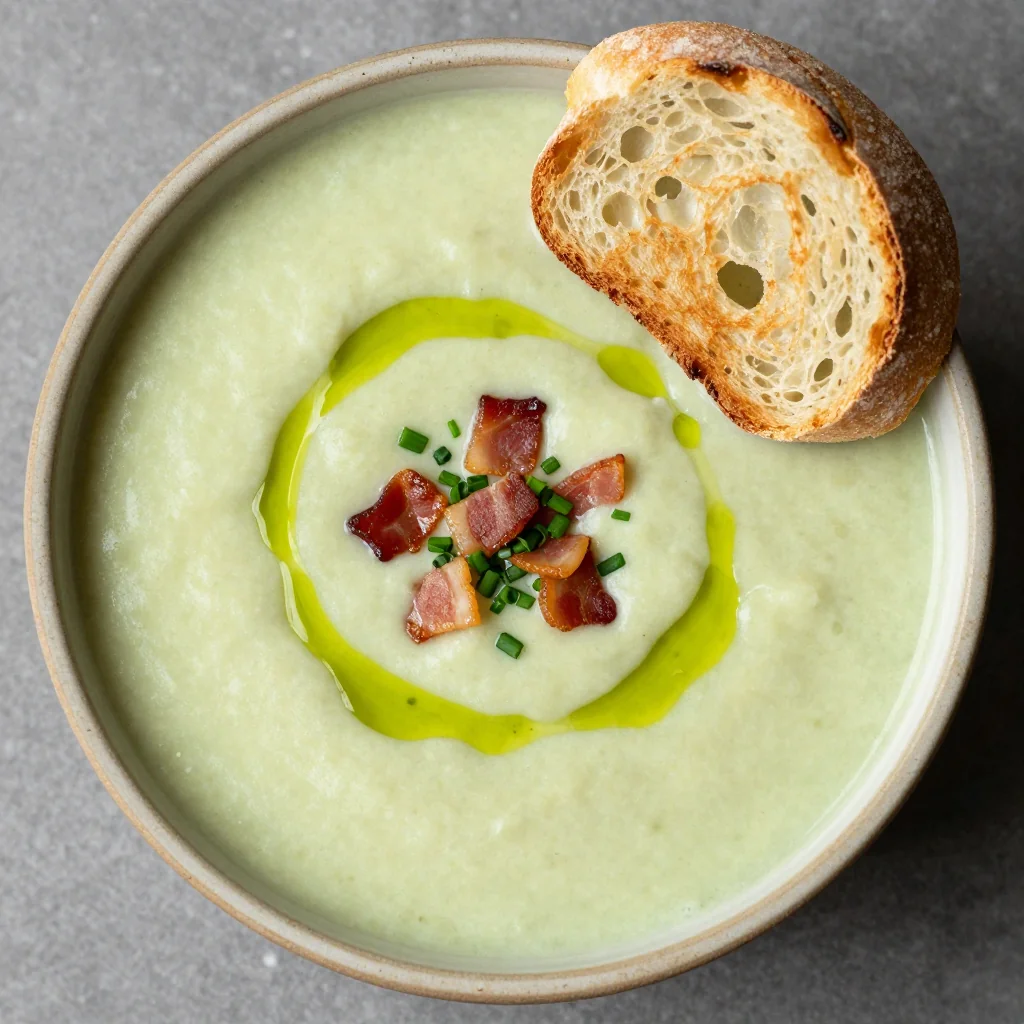
Finally, sprinkle chopped parsley or chives over the top. Give the bisque one last gentle stir, then ladle it into warm bowls. The green garnish not only adds visual appeal but also a fresh, herbaceous note that balances the creamy base.
Serve immediately, perhaps with a crusty baguette or a light salad. The bisque will stay silky for about 30 minutes; after that, it may start to thicken, which is perfect if you love a heartier texture. And now the fun part: dig in and savor every spoonful. That first bite? It’s pure comfort, like a warm hug on a rainy day.
That's it — you did it. But hold on, I've got a few more tricks that'll take this to another level...
Insider Tricks for Flawless Results
The Temperature Rule Nobody Follows
Never, ever let the bisque boil once the dairy is added. A rolling boil will cause the cream to separate, leaving you with a curdled mess that looks like a failed science experiment. Keep the heat on low, just enough to maintain a gentle simmer. If you’re using an electric stove, consider moving the pot to a cooler burner after the stock is incorporated.
Why Your Nose Knows Best
Your sense of smell is the ultimate timer. When the aromatics hit that sweet, caramelized onion scent, you know the base is ready. When the roux gives off a faint toasted aroma, it’s time to add the stock. Trust your nose more than the clock; it’s the secret weapon of seasoned chefs.
The 5‑Minute Rest That Changes Everything
After you finish cooking, let the bisque rest uncovered for five minutes. This short pause allows the flavors to meld and the temperature to even out, preventing hot spots that can over‑cook the shrimp. I’ll be honest — I ate half the batch before anyone else got to try it, but that rest period made the second half taste even better.
The Secret of the Perfect Roux
A good roux should be the color of a light caramel, not brown. If it darkens too quickly, you’ve turned it into a brown roux, which will give the bisque a nutty but undesirable flavor. Keep stirring constantly and adjust the heat as needed. This next part? Pure magic.
Finish with a Splash
A final splash of lemon juice just before serving is the difference between “good” and “blow‑your‑mind”. The acidity lifts the entire dish, making each spoonful feel lighter. If you forget, a tiny drizzle of white wine can rescue the bisque, but the lemon is the star.
Creative Twists and Variations
This recipe is a playground. Here are some of my favorite ways to switch things up:
Spicy Cajun Kick
Add a tablespoon of Cajun seasoning and a dash more cayenne. The heat will transform the bisque into a bold, Southern‑style comfort dish that pairs beautifully with crusty cornbread.
Smoky Bacon Infusion
Crumble half a cup of cooked bacon into the bisque during the final simmer. The smoky, salty crunch adds a surprising depth that will make your guests ask for the secret.
Herbaceous Green
Swap parsley for fresh dill and add a handful of spinach leaves at the end. The green notes brighten the bisque, making it perfect for spring evenings.
Coconut Curry Fusion
Replace half the heavy cream with coconut milk and stir in a teaspoon of curry powder. This gives the bisque an exotic, tropical flair that pairs wonderfully with jasmine rice.
Cheesy Parmesan Finish
Stir in a quarter cup of grated Parmesan cheese just before serving. The cheese adds a subtle umami richness that deepens the overall flavor profile.
Storing and Bringing It Back to Life
Fridge Storage
Transfer the bisque to an airtight container and refrigerate for up to three days. The flavors will continue to develop, becoming even more cohesive. When reheating, do it over low heat, stirring constantly, and add a splash of water or stock to restore the silky consistency.
Freezer Friendly
Cool the bisque completely, then portion it into freezer‑safe bags or containers. It freezes beautifully for up to two months. To thaw, move it to the fridge overnight, then reheat gently on the stovetop, again adding a little liquid if needed.
Best Reheating Method
Reheat on the stove over low heat, whisking continuously. If the bisque looks too thick, stir in a teaspoon of water or stock per cup of bisque—this steams it back to perfection without diluting the flavor.