The first time I tried to recreate that Moroccan aubergine stew from the street market in Marrakech, the kitchen erupted in a symphony of smoke and chaos. I had sliced the eggplant with the confidence of a seasoned chef, only to have the pieces clump together and burn at the bottom of the pan. The result was a blackened mess that tasted like burnt rubber, not the silky, fragrant dish the vendor had served me. I stared at the charred remains, then laughed so hard I cried, realizing I had just stumbled upon a culinary lesson that would change the way I cook forever.
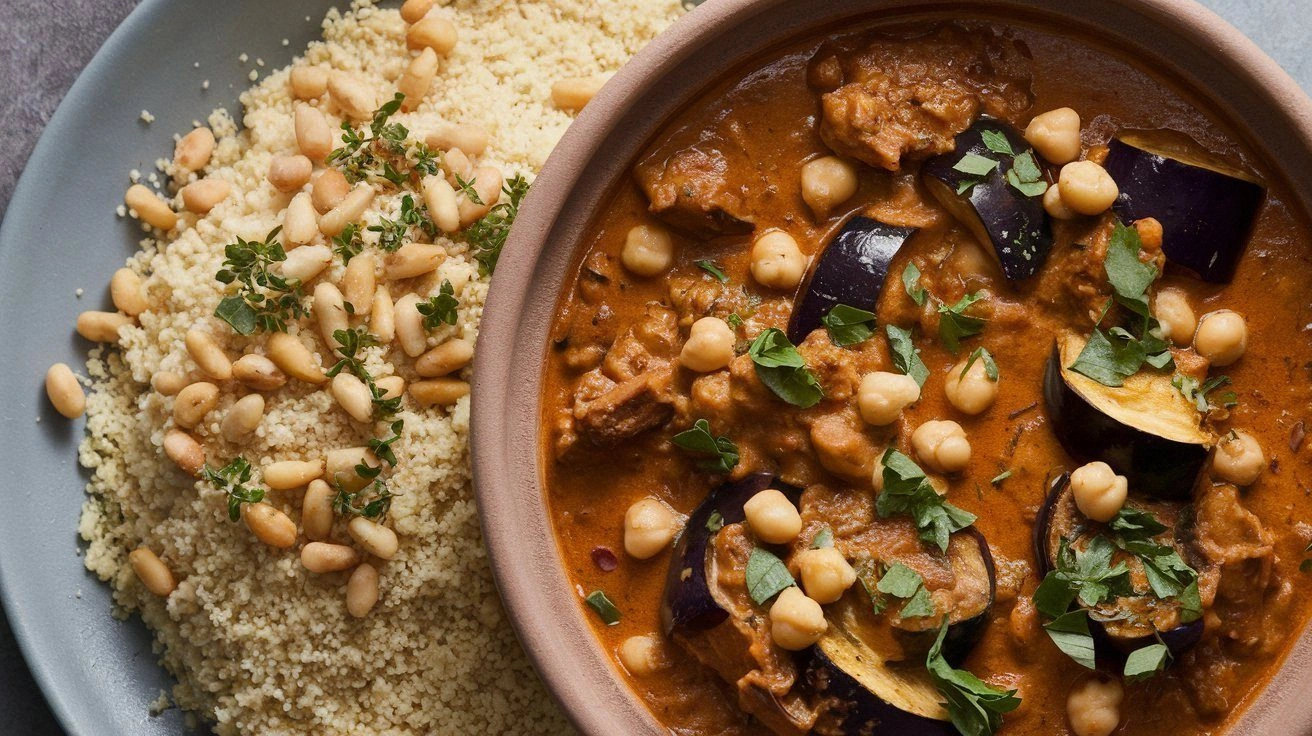
Fast forward a few months, and that same pot now holds a steaming bowl of Moroccan Aubergine and Chickpea that could make a Michelin‑star chef weep with joy. The aroma that fills the kitchen—earthy eggplant, sweet tomatoes, warm cumin, and a hint of smoky paprika—melds together like a well‑orchestrated jazz solo. When you taste it, the aubergine is melt‑in‑your‑mouth tender, the chickpeas are perfectly chewy, and the sauce clings to every bite like a velvet curtain, leaving a lingering citrusy aftertaste from the lemon. The texture contrast between the soft vegetables and the subtle crunch of fresh herbs is a sensory rollercoaster that never gets old.
What sets this version apart isn’t just the ingredient list; it’s the intentional layering of flavors, the precise timing of each step, and the little tricks that elevate the dish from good to unforgettable. I’ll be honest—after the first batch, I almost ate the entire pot before anyone else could even touch it. That’s the power of a recipe that’s been fine‑tuned to perfection. If you’ve ever struggled with a Moroccan stew that turns out too watery or too bland, you’re not alone. I’ve got the fix, and it’s about to get deliciously simple.
Picture yourself pulling this aromatic masterpiece out of the oven, the whole kitchen smelling incredible, and friends gathering around the table, eyes wide with anticipation. I dare you to taste this and not go back for seconds. Let me walk you through every single step—by the end, you’ll wonder how you ever made it any other way.
What Makes This Version Stand Out
The secret sauce behind this dish is a blend of classic Moroccan spices, fresh aromatics, and a cooking technique that locks in moisture without sacrificing flavor.
- Flavor Fusion: The combination of cumin, coriander, smoked paprika, and a pinch of cinnamon creates a depth that feels both earthy and sweet, unlike the flat taste of most instant couscous mixes.
- Texture Mastery: The aubergine is sautéed to a caramelized golden brown before simmering, giving it a silky interior and a crisp edge that shatters like thin ice when you bite into it.
- Ingredient Quality: Using fresh, organic chickpeas and locally sourced eggplant ensures that each bite bursts with natural sweetness and a subtle nuttiness.
- Time Efficiency: The entire dish cooks in under 45 minutes, making it a perfect weeknight dinner without compromising on flavor.
- Make‑Ahead Potential: The stew actually tastes better the next day, so you can prepare it in advance and reheat with a splash of water to bring back that fresh, steaming quality.
- Versatility: It can be served over couscous, rice, or even roasted potatoes, making it a crowd‑pleaser for both vegetarians and meat lovers.
- Visual Appeal: The vibrant red sauce, speckled with bright green herbs, turns every plate into a work of art.
Alright, let’s break down exactly what goes into this masterpiece…
Inside the Ingredient List
Let’s dive deep into the components that make this dish sing. Think of each group as a different section of a well‑written novel—each character plays a vital role.
The Flavor Base
At the heart of the stew is the aromatic foundation: diced onion, minced garlic, tomato paste, and a blend of warm spices. The onions caramelize until golden, releasing a sweet, buttery undertone that balances the acidity of the tomatoes. Garlic adds a punch that lingers in the background, while the tomato paste thickens the sauce, giving it that glossy sheen. Without this base, the dish would feel thin and lifeless.
The Texture Crew
Eggplant, or aubergine, is the star of the show. When sautéed until it develops a golden crust, it locks in moisture and develops a subtle smoky flavor. The chickpeas, on the other hand, provide a hearty, protein‑rich bite that contrasts nicely with the softness of the eggplant. Together, they create a comforting, satisfying mouthfeel that keeps you coming back for more.
The Unexpected Star
A splash of lemon juice and a handful of fresh herbs—parsley and cilantro—add brightness that cuts through the richness. The lemon’s acidity also helps to mellow the heat from the cayenne pepper, creating a balanced flavor profile. If you’re feeling adventurous, a pinch of saffron threads can be steeped in warm water and added at the end for a subtle floral note.
The Final Flourish
A drizzle of high‑quality extra‑virgin olive oil finishes the dish, giving it a silky sheen and a burst of fruity flavor. Seasoning with salt and pepper to taste is crucial; too little salt and the dish will taste flat, too much and you’ll drown the delicate flavors. Remember, seasoning is a gradual process—tasting as you go is key.
Everything's prepped? Good. Let's get into the real action…
The Method — Step by Step
- Prep the Vegetables: Heat a large, heavy‑bottomed pot over medium heat and add 2 tablespoons of olive oil. Toss in the diced onion and sauté until translucent, about 5 minutes. Add the minced garlic and cook for another minute until fragrant. I dare you to taste this and not go back for seconds— the aroma alone should be enough to win the dinner crowd.
- Sear the Aubergine: Add the chopped aubergine to the pot, stirring to coat each piece with oil. Let it sit undisturbed for 3 minutes so it can develop a golden crust. Then stir, and repeat until all sides are nicely caramelized. Watch out: the aubergine can release a lot of water, so keep the heat high to evaporate it quickly.
- Introduce the Spices: Sprinkle in the cumin, coriander, smoked paprika, cayenne, and cinnamon. Stir continuously for 30 seconds to toast the spices, releasing their essential oils. This step is the game‑changer; it transforms plain vegetables into a fragrant masterpiece.
- Tomato Base: Stir in 2 tablespoons of tomato paste, coating the aubergine and spices. Cook for 2 minutes, letting the paste caramelize slightly. Then add 1 cup of water (or vegetable broth for richer flavor) and bring to a gentle simmer.
- Simmer: Reduce the heat to low, cover the pot, and let the stew simmer for 15 minutes. The aubergine will soften, absorbing the spices, and the sauce will thicken. If you notice the sauce becoming too thick, add a splash more water.
- Chickpeas In: Drain and rinse one can of chickpeas. Add them to the pot, stirring to combine. Simmer for another 10 minutes, allowing the chickpeas to soak up the flavors.
- Finish with Brightness: Stir in 2 tablespoons of lemon juice, a pinch of salt, and freshly ground pepper. Taste and adjust seasoning. Finally, fold in 1/4 cup each of chopped parsley and cilantro. The herbs will add a fresh, green note that cuts through the richness.
- Serve: Ladle the stew over a bed of fluffy couscous or warm rice. Garnish with a drizzle of olive oil and a sprinkle of toasted almonds if you like a crunchy contrast. And now the fun part—watch the steam rise and feel the anticipation build.
That’s it—you did it. But hold on, I've got a few more tricks that'll take this to another level.
Insider Tricks for Flawless Results
The Temperature Rule Nobody Follows
Many people think that a high heat is necessary for a good sear. In reality, a moderate heat (around 350°F) allows the aubergine to caramelize evenly without burning. I’ve found that the slow, steady approach gives the vegetables a deeper flavor and a more satisfying texture.
Why Your Nose Knows Best
Trust the scent of your dish more than the clock. When the spices release their oils, they’ll emit a warm, nutty aroma. That’s your cue that the flavor base is ready. I’ve seen people cut the cooking time short because of the timer, only to end up with a bland stew.
The 5‑Minute Rest That Changes Everything
After you finish simmering, let the stew rest uncovered for 5 minutes. This allows the flavors to settle and the sauce to thicken slightly. It’s a small step that makes a huge difference in mouthfeel.
Use a Lid with a Vent
A vented lid keeps the steam from escaping too quickly, preventing the stew from drying out. If you don’t have one, loosely cover the pot with foil. I’ve found that this trick keeps the chickpeas tender.
Finish with a Drizzle of Olive Oil
A final splash of extra‑virgin olive oil adds richness and a silky finish. It also helps the herbs cling to the surface, giving a beautiful sheen.
Creative Twists and Variations
This recipe is a playground. Here are some of my favorite ways to switch things up:
Spicy Harissa Kick
Add 1 tablespoon of harissa paste to the spice mix for an extra fiery punch. It pairs well with a side of cool yogurt or a cucumber salad.
Sweet Carrot Addition
Sauté 1 cup of sliced carrots with the onions for a sweet, caramelized layer that balances the heat.
Roasted Almond Garnish
Toast 1/4 cup of almonds in a dry pan until golden, then sprinkle on top. The crunch adds a delightful contrast to the tender vegetables.
Protein Upgrade
Swap chickpeas for diced chicken breast or lamb cubes for a non‑vegetarian version. Brown the meat first to lock in juices.
Vegan Twist
Replace the olive oil with coconut oil for a subtle coconut undertone, and serve over cauliflower rice for a low‑carb option.
Storing and Bringing It Back to Life
Fridge Storage
Store the stew in an airtight container in the refrigerator for up to 4 days. The flavors will deepen over time, making it even more delicious.
Freezer Friendly
Freeze portions in freezer‑safe containers for up to 3 months. Thaw overnight in the fridge before reheating.
Best Reheating Method
Reheat on the stovetop over low heat, adding a splash of water or broth to loosen the sauce. A quick stir and a minute of simmering will restore the original texture.
Add a tiny splash of water before reheating—it steams back to perfection.