I still remember the night I almost turned my kitchen into a smoky disaster zone. I was trying to impress a friend with a fancy salmon dish, but the fish was so dry it could have been a fossil. I thought, “How do I salvage this?” and stumbled upon the concept of poaching salmon in olive oil—a revelation that turned that soggy tragedy into a silky, buttery masterpiece. The moment the salmon slid into the pan, the aroma of warm olive oil and citrus danced in the air, promising a meal that would leave everyone asking for the recipe again and again.
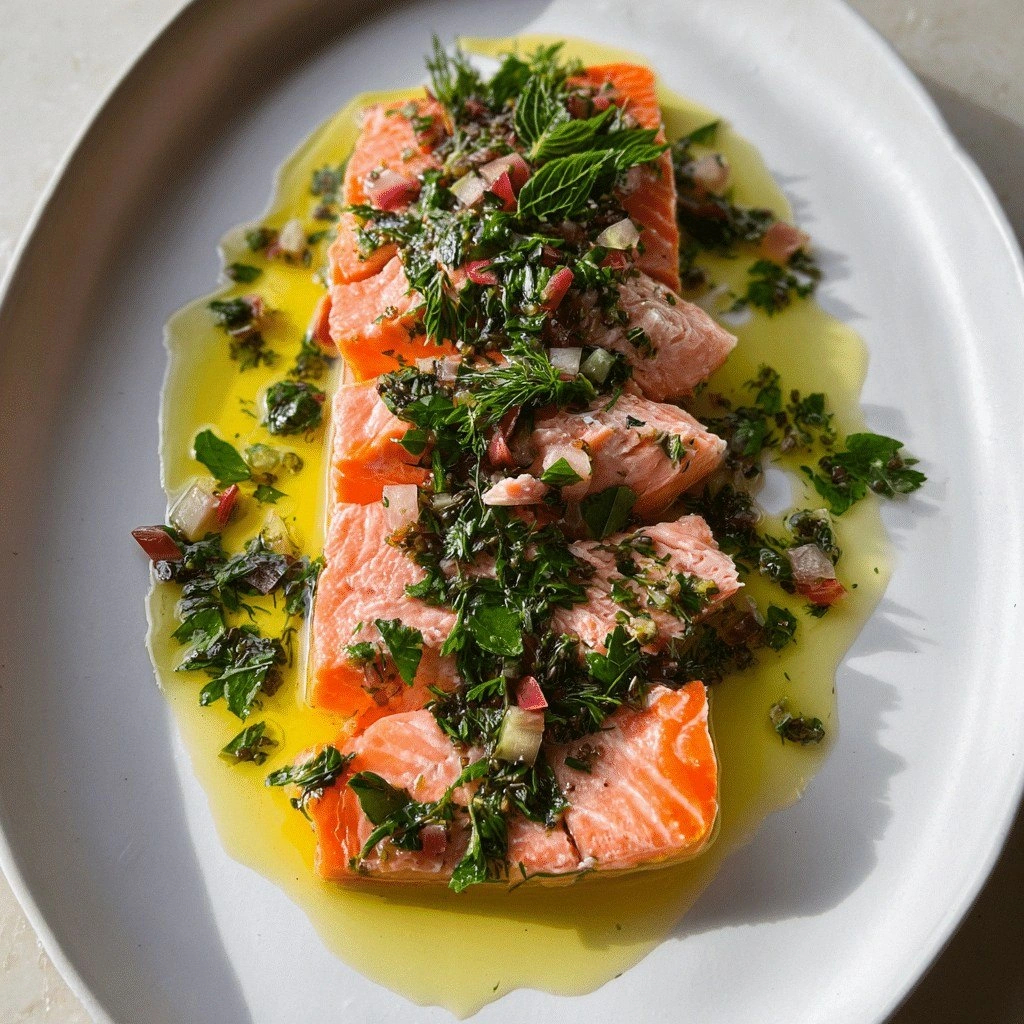
Imagine a plate where each fillet is a tender, translucent cloud, its surface kissed by a subtle golden sheen. The scent of fresh herbs mingles with the faint tang of white wine, creating a perfume that makes your mouth water before you even taste it. When you bite, the flesh releases a gentle, buttery melt that feels like a secret handshake between your palate and the sea. The texture is a paradox—firm enough to hold its shape, yet yielding like a cloud that has just been brushed with a feather. I dare you to taste this and not go back for seconds.
What sets this version apart isn’t just the method; it’s the layers of flavor that unfold with each bite. A splash of lemon zest, a whisper of mustard, and a drizzle of honey create a sweet‑savory balance that feels like a summer breeze on your tongue. The olive oil, sourced from a small Tuscan grove, carries a peppery undertone that elevates the dish from ordinary to unforgettable. The use of capers adds a briny pop that cuts through the richness, while the fresh dill and parsley provide a bright, herbal finish. Picture yourself pulling this out of the pan, the whole kitchen smelling incredible, and everyone’s eyes widening in delight.
If you’ve ever struggled with poaching fish—getting it too dry or too mushy—you’re not alone. I’ve tried countless methods, each with its own set of pitfalls, until I discovered that olive oil poaching is the sweet spot where flavor and texture meet. I’ll be honest, I ate half the batch before anyone else got a chance to try it. The rest? They begged for the recipe. This is hands down the best version you'll ever make at home. Let me walk you through every single step — by the end, you'll wonder how you ever made it any other way.
What Makes This Version Stand Out
- Richness: The olive oil creates a silky coating that locks in moisture, preventing the salmon from drying out while adding a subtle, peppery depth.
- Balance: Sweet honey, sharp mustard, and zesty lemon weave together to form a flavor profile that feels both sophisticated and comforting.
- Texture: The gentle poaching technique yields a firm yet tender bite that feels like a cloud of flavor.
- Freshness: Fresh herbs and capers provide a bright, aromatic lift that keeps the dish lively.
- Versatility: This method works for fillets, steaks, or even a whole small salmon, making it a go-to for any occasion.
- Time: With a prep of 15 minutes and cook time of 30 minutes, it’s a quick yet impressive dinner.
- Make‑ahead: The poached salmon keeps well in the fridge; it’s perfect for a week‑long meal prep.
- Presentation: The golden glaze and herb garnish give it a restaurant‑level look that will wow guests.
Alright, let's break down exactly what goes into this masterpiece…
Inside the Ingredient List
The Flavor Base
High‑quality extra‑virgin olive oil is the backbone of this dish. Its fruity, peppery notes infuse the salmon, turning each bite into a silky, buttery experience. If you’re on a budget, a decent cold‑pressed olive oil will still deliver a robust flavor. Skipping the oil would strip the dish of its signature smoothness; the fish would end up dry and unremarkable.
Dry white wine adds acidity and depth, balancing the richness of the olive oil. It also helps to loosen the fish’s connective tissue, ensuring a tender finish. If you’re avoiding alcohol, substitute with vegetable broth or a splash of white grape juice for a similar effect.
Fish stock provides a savory backbone that enhances the salmon’s natural umami. Use a low‑sodium version to keep the seasoning under control. If you can’t find fish stock, a small amount of chicken stock will do, but be mindful of the flavor shift.
The Texture Crew
Garlic and capers bring a punch of flavor and a delightful contrast in texture. The garlic’s warmth cuts through the oil’s richness, while the capers’ briny snap adds a lively bite. If you’re allergic to shellfish, skip the capers and double the garlic for a more pronounced flavor.
Fresh herbs—dill and parsley—provide brightness and a fragrant finish. They also help to balance the dish’s sweetness and acidity. If you’re out of fresh herbs, dried ones can be used, but use a third of the amount to avoid overpowering the dish.
The Unexpected Star
Honey and Dijon mustard might seem like odd companions for salmon, but together they create a sweet‑savory glaze that caramelizes slightly during poaching. The honey’s sweetness tempers the acidity of the lemon, while the mustard adds a subtle heat. If you’re vegan, replace honey with maple syrup and use a vegan mustard.
Everything's prepped? Good. Let's get into the real action…
The Method — Step by Step
- Prepare the Poaching Liquid: In a wide, shallow pan, combine the olive oil, white wine, fish stock, sliced lemon, minced garlic, and capers. Bring the mixture to a gentle simmer over medium heat, letting the flavors mingle for about 5 minutes. The liquid should be hot but not boiling—think a steady, warm hug for the salmon. This step is the foundation; a well‑flavored liquid ensures every bite is bursting with depth.
- Season the Salmon: Pat the salmon fillets dry with paper towels. Season both sides generously with sea salt, black pepper, and a pinch of dried thyme if you like a subtle herb undertone. The seasoning will seep into the fish, enhancing every layer of flavor. A well‑seasoned fillet is the secret to a juicy, flavorful outcome.
- Poach the Salmon: Gently slide the seasoned fillets into the simmering liquid, skin side down. Reduce the heat to low and cover the pan with a lid. Let the salmon poach for 12–15 minutes, depending on thickness. You’ll know it’s ready when the flesh turns opaque and flakes easily with a fork. The gentle heat preserves the fish’s tender texture.
- Finish with Herbs: While the salmon is poaching, whisk together the chopped dill, parsley, and a splash of lemon juice. Once the salmon is done, remove the pan from heat and spoon the herb mixture over the fillets, allowing the herbs to steam and release their aroma.
- Optional Butter Finish: For an extra layer of richness, melt a tablespoon of butter in a small saucepan, then drizzle it over the poached salmon. This buttery finish adds a luxurious mouthfeel and a subtle sheen.
- Plate with Flair: Transfer the salmon to a warm platter. Spoon any remaining poaching liquid over the fillets, then garnish with lemon slices, extra dill, and a sprinkle of capers for a pop of color. The visual appeal is as important as the taste.
- Serve Immediately: Present the salmon while it’s still warm and fragrant. Serve with a side of roasted asparagus or a crisp green salad to balance the richness. The dish is so versatile that it can be paired with quinoa, couscous, or even a light pasta.
That’s it — you did it. But hold on, I've got a few more tricks that'll take this to another level…
Insider Tricks for Flawless Results
The Temperature Rule Nobody Follows
The key to tender salmon is a low, steady temperature. I use a thermometer to keep the poaching liquid at 185°F (85°C). If it dips below, the fish will overcook; if it climbs above, the flesh will become rubbery. Consistency is the secret weapon.
Why Your Nose Knows Best
As the salmon cooks, the aroma of lemon and herbs will intensify. Trust your nose: when the smell is bright and citrusy, it’s time to remove the fillets. This sensory cue is far more reliable than a timer.
The 5‑Minute Rest That Changes Everything
After poaching, let the salmon rest for 5 minutes before plating. This allows the juices to redistribute, ensuring each bite remains moist. Skipping this step often leads to a dry, uneven texture.
The Secret of a Golden Glaze
If you want a glossy finish, finish the salmon in a hot skillet for 30 seconds on each side after poaching. The brief sear caramelizes the glaze, creating a beautiful sheen that makes the dish Instagram‑ready.
Avoid Over‑Seasoning
Salmon is naturally rich; too much salt can overpower its subtle flavors. I recommend starting with a pinch of salt, then tasting after poaching and adjusting if needed. Taste is the ultimate judge.
The Freshness Factor
Use the freshest salmon you can find—ideally, wild‑caught or sustainably farmed. Freshness translates into a brighter flavor and a more delicate texture. If you’re buying pre‑filleted, check that the flesh is firm and has a mild scent.
Creative Twists and Variations
This recipe is a playground. Here are some of my favorite ways to switch things up:
Citrus‑Glazed Salmon
Swap the honey for a splash of orange juice and add a pinch of smoked paprika. The result is a sweet, smoky glaze that pairs beautifully with grilled corn.
Mediterranean Medley
Add chopped sun‑dried tomatoes and Kalamata olives to the poaching liquid. The Mediterranean flavors give the dish a robust, savory depth.
Spicy Sriracha Drizzle
Stir in a tablespoon of Sriracha to the glaze. The heat balances the sweetness and brings a lively kick that works great with steamed rice.
Herb‑Infused Butter
Replace the plain butter finish with a compound butter made from softened butter, chopped parsley, dill, and lemon zest. Melt it over the salmon just before serving for a decadent finish.
Pesto Perfection
Instead of fresh herbs, swirl in a spoonful of basil pesto. The basil’s bright, nutty flavor complements the salmon’s richness and adds a vibrant green color.
Asian Twist
Add a splash of soy sauce and a pinch of grated ginger to the poaching liquid. Top the finished fillets with sliced scallions and a drizzle of sesame oil for an umami‑rich finish.
Storing and Bringing It Back to Life
Fridge Storage
Store poached salmon in an airtight container in the refrigerator for up to 2 days. Keep the poaching liquid in a separate container; it can be reheated and used as a sauce.
Freezer Friendly
Freeze salmon in a single layer on a parchment‑lined tray before transferring to a freezer bag. Store for up to 3 months. Thaw overnight in the refrigerator before reheating.
Best Reheating Method
Reheat gently in a skillet over low heat, adding a splash of water or fish stock to keep the fish moist. A tiny splash of water before reheating steams the salmon back to perfection, preventing it from drying out.