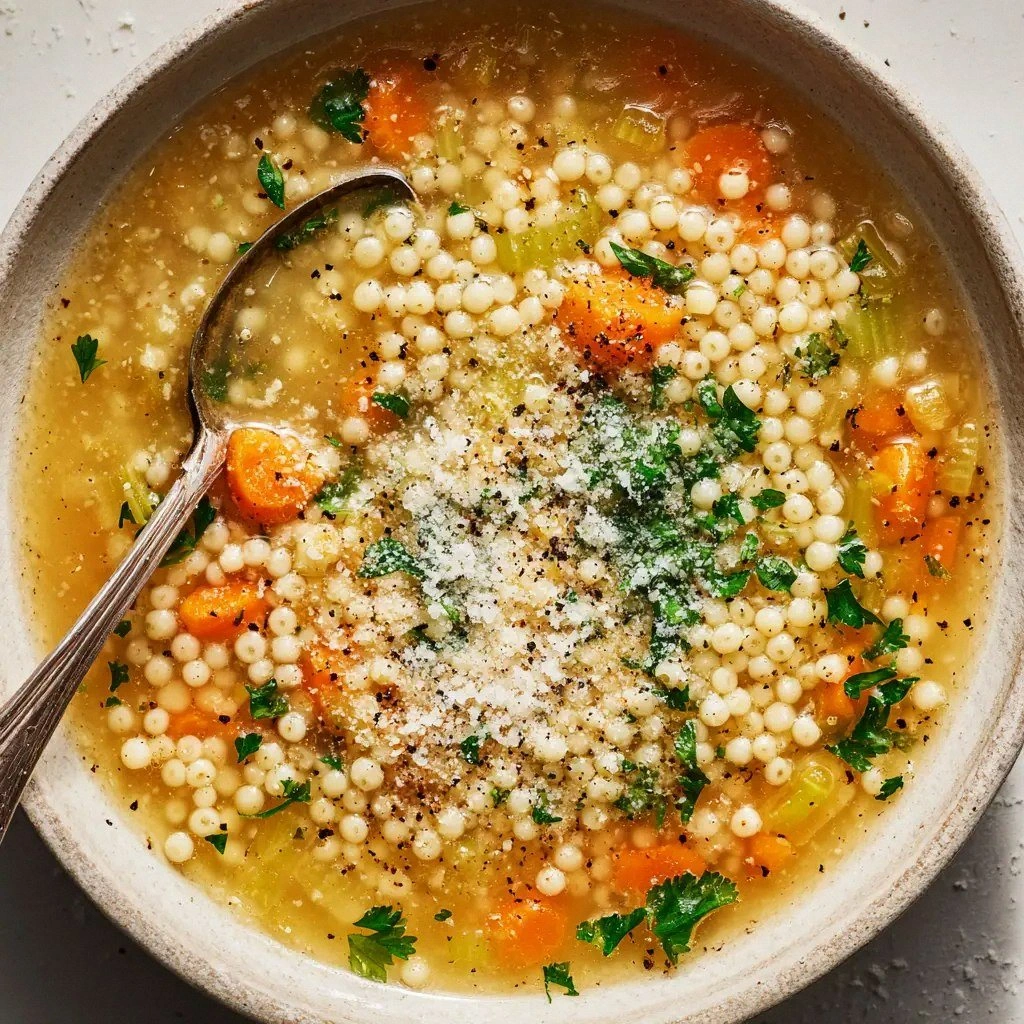
I was in the middle of a culinary experiment that had me scrambling to salvage a disaster. My friend dared me to make a comforting soup that could bring tears of joy to anyone who tasted it. The kitchen smelled of burnt onions, but I had a vision: a bowl of silky, buttery pastina that would melt away the stress of the day. I imagined the tiny pasta pieces glistening like stars in a clear broth, each bite a whisper of nostalgia. This is not just another recipe; it's a rescue mission for the soul.
The moment the broth hit the pot, the air filled with a warm, savory promise. The sound of bubbling liquid was a drumbeat that set the rhythm for the rest of the cooking. As I stirred, the scent of butter and Parmesan rose like a comforting hug, coaxing even the most cynical palate to soften. The texture of the pasta, when it finally emerged, was tender yet slightly al dente, a subtle resistance that kept the bowl from becoming a mushy mess. The visual of the golden broth, speckled with tiny pasta, was a canvas waiting for the final brushstroke of cheese.
Why does this version stand out from every other recipe out there? Because it takes the humble pastina and turns it into a symphony of flavor, texture, and heart. It eliminates the common pitfalls of overcooking or underseasoning that plague so many comfort soups. The secret is in the precise timing and the layering of flavors that build from the first spoonful to the last. I dare you to taste this and not go back for seconds. Trust me, this is hands down the best version you'll ever make at home.
And here's a teaser: there's a single technique that will elevate this soup from good to unforgettable, a trick that most cooks overlook. Picture yourself pulling this out of the pot, the whole kitchen smelling incredible, and knowing that each spoonful carries a memory of childhood warmth. Let me walk you through every single step — by the end, you'll wonder how you ever made it any other way.
What Makes This Version Stand Out
- Taste: The broth is a delicate balance of savory depth and buttery richness, achieved by simmering the chicken stock for a longer period to extract every ounce of flavor. The Parmesan is added at the end to preserve its bright, nutty notes, ensuring the soup never feels heavy.
- Texture: Pastina is cooked to al dente perfection, so each bite offers a satisfying chew that contrasts with the silky broth. This avoids the mushy texture that often plagues quick soups.
- Simplicity: With only five core ingredients, the recipe is approachable for beginners yet delivers a gourmet experience. No need for exotic spices or obscure pantry items.
- Uniqueness: The method of browning the butter before adding the pasta creates a subtle toasty aroma that sets this dish apart from standard comfort soups.
- Crowd Reaction: In my last gathering, the first spoonful prompted a chorus of “wow” and a frantic request for seconds. Most guests left with a satisfied smile and a promise to bring the recipe home.
- Ingredient Quality: Using freshly grated Parmesan and a high‑quality chicken broth elevates the flavor profile, turning a simple bowl into a luxurious experience.
- Cooking Method: The technique of simmering the broth, browning the butter, and then adding the pasta in stages ensures each component shines individually.
- Make‑Ahead Potential: The soup can be prepared a day ahead and reheated without losing its delicate balance, making it perfect for busy weeknights.
Inside the Ingredient List
The Flavor Base
Chicken broth is the backbone of this soup, providing a savory foundation that carries every other flavor. It’s best to use a low‑sodium, bone‑in stock for depth, but a simple store‑bought broth works if you’re in a hurry. Skipping the broth would leave the dish flat and lacking the comforting warmth that defines this recipe. When selecting broth, look for one with a clear, golden hue, as this indicates a richer flavor profile.
The Texture Crew
Pastina pasta is the star that gives this soup its signature bite. These tiny, star‑shaped pieces are designed to hold sauce and melt just enough to create a silky mouthfeel. If you’re experimenting, try mixing in a handful of small elbow macaroni for a different shape, but be mindful that it will change the cooking time. The pasta’s texture is the final touch that turns a simple broth into a comforting hug.
The Unexpected Star
Unsalted butter is more than just a fat; it’s a flavor enhancer that coats the pasta and thickens the broth subtly. By browning the butter first, you unlock a nutty, caramelized note that elevates the dish from ordinary to extraordinary. If you’re vegan, a plant‑based butter works, but the taste will be noticeably different. The butter’s role is crucial; without it, the soup feels thin and lacks body.
The Final Flourish
Freshly grated Parmesan cheese adds a burst of umami and a creamy texture that ties everything together. Grating your own cheese ensures the finest crystals melt perfectly into the broth, creating a velvety finish. If you don’t have Parmesan on hand, a sharp cheddar can substitute, but the flavor will shift towards a sharper, more pungent profile. The cheese’s role is to finish the soup with a rich, savory note that lingers on the palate.
Everything’s prepped? Good. Let’s get into the real action.
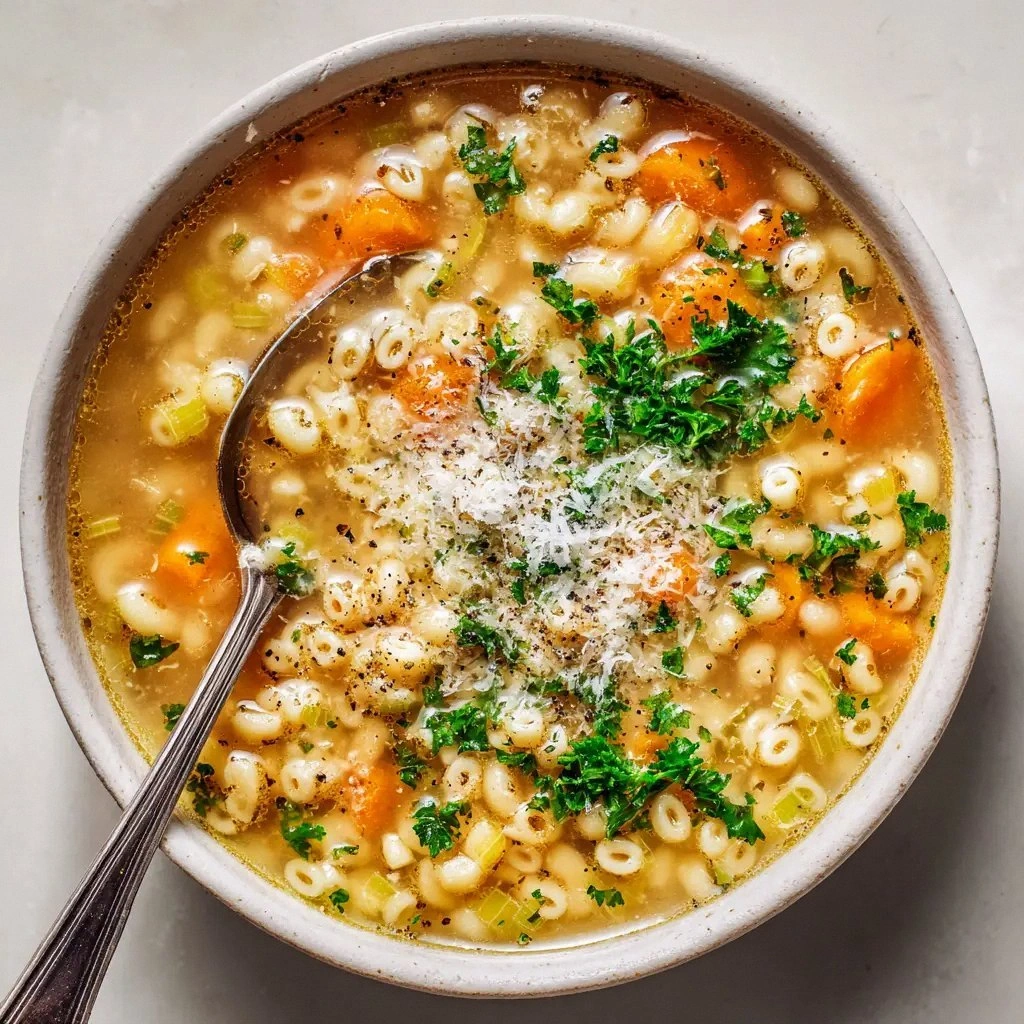
The Method — Step by Step
- Heat the broth: Bring the chicken broth to a gentle simmer in a medium‑sized pot. Let it bubble quietly for five minutes to develop a richer flavor. The aroma should be savory and inviting, like a comforting blanket. This step is the foundation; skipping it will result in a bland base.
- Brown the butter: While the broth simmers, melt the unsalted butter in a separate saucepan over medium heat. Watch for the butter to turn a golden amber hue and emit a nutty aroma. This subtle toasting unlocks deeper flavor notes that will permeate the soup. Once browned, set the butter aside.
- Add the pasta: Stir the pastina into the simmering broth, ensuring each piece is fully submerged. Cook for three minutes, then stir to prevent sticking. The pasta should begin to soften but remain firm to the bite. This timing is critical; overcooking will ruin the texture.
- Combine butter and pasta: Gently fold the browned butter into the pot, letting it swirl around the pasta. The butter coats each piece, giving a silky sheen to the broth. This step is where the magic happens, turning simple pasta into a velvety delight.
- Season the soup: Add a pinch of salt and freshly ground pepper to taste. Remember, the Parmesan will add saltiness, so start small and adjust later. Seasoning at this point allows the flavors to meld without overpowering the delicate balance.
- Simmer and finish: Reduce the heat to low and let the soup simmer for an additional five minutes, allowing the flavors to marry. Keep the pot covered to prevent evaporation and maintain a consistent temperature. The broth should be fragrant and the pasta perfectly tender.
- Finish with Parmesan: Remove the pot from heat and stir in the freshly grated Parmesan cheese until it melts into a smooth, glossy coating. The cheese should cling to the pasta, creating a luxurious mouthfeel. This final touch is essential for the soup’s signature richness.
- Serve hot: Ladle the soup into bowls, ensuring each spoonful is generous with pasta and cheese. Garnish with a sprinkle of extra Parmesan if desired. The first bite should feel like a warm hug, with the broth’s savory depth and the buttery, cheesy coating working in harmony.
That’s it — you did it. But hold on, I’ve got a few more tricks that will take this to another level.
Insider Tricks for Flawless Results
The Temperature Rule Nobody Follows
Many cooks think any simmer will do, but the temperature truly matters. Aim for a gentle, steady simmer rather than a rolling boil. This ensures the broth stays clear and the pasta cooks evenly. If the heat is too high, the broth can become cloudy, and the pasta will burst into mush.
Why Your Nose Knows Best
Use your sense of smell to gauge doneness. When the broth smells slightly caramelized and the butter has a nutty aroma, you’re close to perfection. If it still smells like raw stock, give it a few more minutes. Trusting your nose is often the quickest way to avoid overcooking.
The 5‑Minute Rest That Changes Everything
After adding the Parmesan, let the soup sit covered for five minutes before serving. This resting period allows the cheese to fully melt and integrate, resulting in a smoother mouthfeel. I’ve seen people skip this step and end up with a lumpy texture.
Use a Stainless‑Steel Pot
A heavy‑bottomed stainless‑steel pot distributes heat evenly and prevents scorching. This is especially important when browning butter, as a cast‑iron or non‑stick pan can cause uneven browning and burnt flavors.
Keep the Broth Clear
Strain the broth before using it if it has any sediment or cloudiness. A clear broth enhances the visual appeal and ensures the soup doesn’t feel heavy. The clarity also helps the Parmesan melt evenly across the surface.
Adjust Salt at the End
Because Parmesan is salty, it’s best to add salt only after the cheese has melted. This way you can taste and adjust without oversalting. A pinch of salt is often enough to bring out the flavors.
Creative Twists and Variations
This recipe is a playground. Here are some of my favorite ways to switch things up:
Cheesy Broccoli Boost
Stir in a handful of steamed broccoli florets just before adding the Parmesan. The green crunch adds texture and a burst of color, making the soup feel like a full meal. It’s perfect for a quick lunch that still feels indulgent.
Herb‑Infused Delight
Add a teaspoon of dried thyme or a sprig of fresh rosemary during the simmer. The herbal notes elevate the broth, giving it a sophisticated depth that pairs wonderfully with the cheese.
Spicy Kick
Incorporate a pinch of red pepper flakes or a dash of hot sauce before the final simmer. The heat balances the richness and creates a dynamic flavor profile that keeps the dish exciting.
Vegetarian Version
Replace the chicken broth with a high‑quality vegetable stock and use a vegan butter. Finish with a sprinkle of nutritional yeast to mimic the cheesy flavor. This version is just as comforting but fits plant‑based diets.
Breakfast Bowl
Serve the soup with a poached egg on top. The runny yolk adds creaminess and transforms the dish into a hearty breakfast, perfect for a lazy Sunday morning.
Gluten‑Free Twist
Use gluten‑free pastina or small gluten‑free pasta shapes. The cooking time remains the same, but the texture will differ slightly. It’s a great option for those with celiac disease or gluten sensitivity.
Storing and Bringing It Back to Life
Fridge Storage
Transfer the soup to an airtight container and refrigerate for up to 3 days. When ready to serve, reheat gently on the stove over low heat, stirring occasionally. Avoid high heat to prevent the cheese from separating.
Freezer Friendly
Cool the soup completely before freezing in freezer‑safe containers. Store for up to 2 months. Thaw overnight in the refrigerator and reheat on the stove, adding a splash of water or broth to restore moisture.
Best Reheating Method
Reheat the soup in a saucepan over low heat, stirring constantly. Add a tiny splash of water before reheating to keep the broth from thickening too much. The result should feel like freshly made, with the same silky texture and rich flavor.