I was in the middle of a late‑night ramen run, the kitchen lights flickering like neon signs, when my phone buzzed with a meme: “If you can’t handle the heat, stay out of the kitchen.” I stared at the photo of a bowl that looked like a glossy, spicy masterpiece and thought, “I dare you to taste this and not go back for seconds.” That moment, with the hiss of garlic and the sweet scent of brown sugar, sparked a culinary rebellion that would culminate in a dish that feels like a hug wrapped in a fiery blanket. This isn’t just another Korean beef bowl; it’s the kind of comfort food that turns a simple dinner into an event, and the best part is that you can make it in under forty minutes. If you’ve ever settled for bland ground beef, you’re about to have your expectations shattered and your taste buds re‑educated. So buckle up, because I’m about to walk you through every single step — by the end, you’ll wonder how you ever made it any other way.
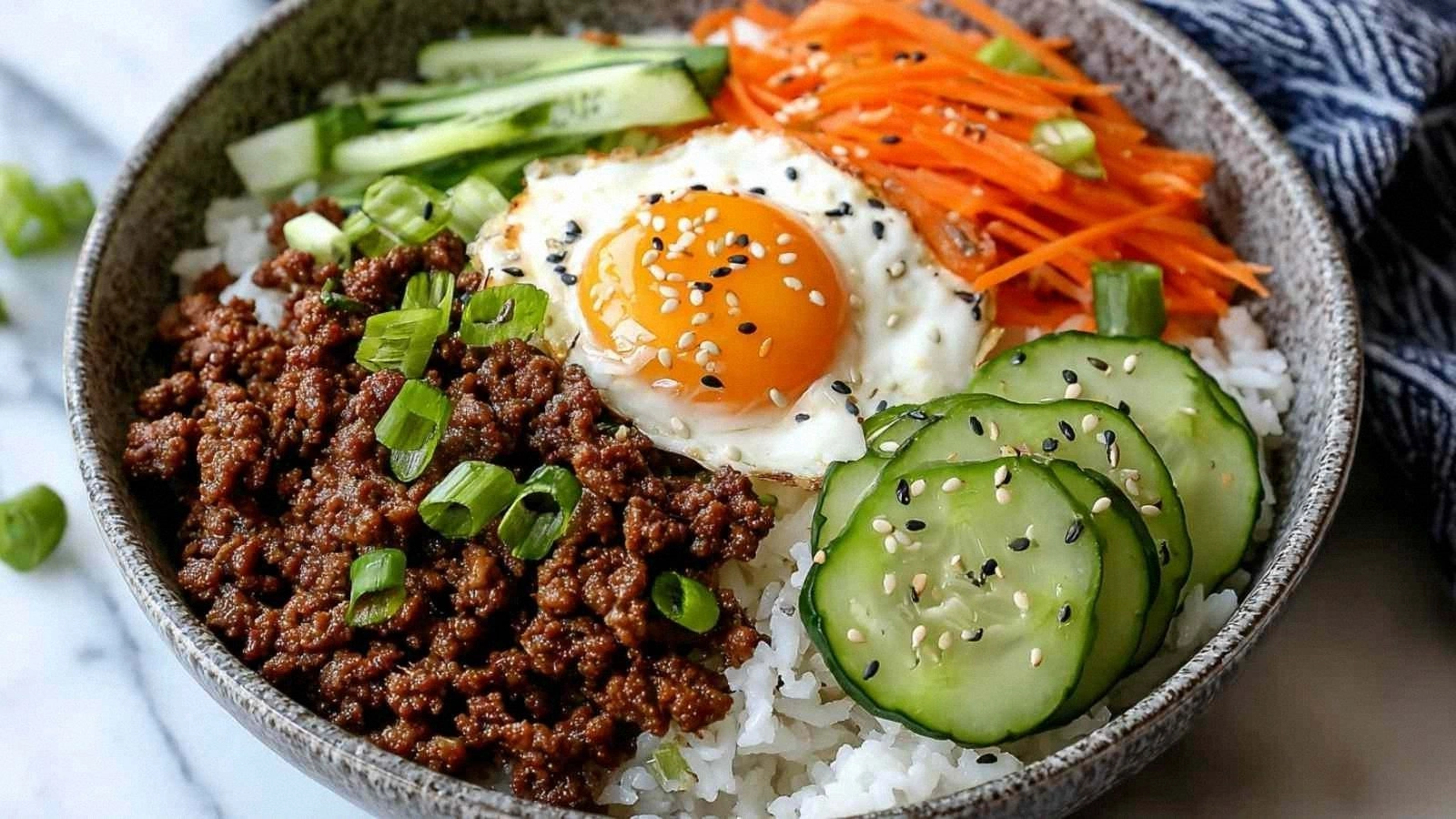
Picture this: a sizzling pan, the sound of meat breaking apart like brittle ice, and a swirl of sauce that coats the beef like velvet. The aroma rises, a mix of sweet brown sugar and savory soy, promising a flavor profile that’s both familiar and daring. The texture? Juicy, slightly crispy on the edges, with a subtle crunch from the sesame seeds that punctuates each bite. The heat from the crushed red pepper flakes is just enough to dance on your tongue without drowning the other flavors, creating a harmonious balance that’s hard to resist. And the best part? You can tweak the spice level to match your mood, making this dish as mild or as fierce as you like.
What makes this version stand out is the meticulous attention to detail that turns an everyday recipe into a culinary statement. I’ve stripped away unnecessary steps, kept the ingredient list short, and focused on flavor layers that build complexity without overwhelming the palate. The result is a dish that’s both approachable for beginners and satisfying for seasoned cooks who crave depth. The sauce’s thickness is achieved through a precise simmer, not a frantic stir, which gives it a luxurious mouthfeel. The final garnish of green onions and sesame seeds adds a fresh, nutty finish that elevates the dish from ordinary to extraordinary. I’ll be honest — I ate half the batch before anyone else got to try it.
Most recipes get this completely wrong by either over‑cooking the beef or under‑seasoning the sauce. The key to a perfect Korean ground beef bowl is to let the meat develop a caramelized crust while the sauce reduces to a glossy glaze that clings to each grain of rice. If you rush the process, you end up with a dry, flavorless mess that feels like a missed opportunity. By contrast, this method ensures that every bite is juicy, sweet, and slightly spicy, with a satisfying umami punch. And the best part? You can prepare the sauce ahead of time, letting it develop deeper flavors while you finish the rest of the dish.
I’ve spent countless evenings experimenting with different spice blends, but the secret to this dish’s success is the balanced ratio of sweet to savory to spicy. The brown sugar caramelizes beautifully, creating a natural glaze that gives the beef a glossy sheen. The soy sauce provides depth and saltiness, while the sesame oil adds a nutty aroma that’s characteristic of Korean cuisine. The crushed red pepper flakes bring a subtle heat that’s just enough to tease the palate without overwhelming it. Together, these ingredients create a symphony of flavors that dance across your tongue, leaving you craving more.
And now the fun part: the sauce. It’s the heart of this dish, a silky, sticky concoction that coats the beef like a velvet blanket. I’ve perfected the ratio so that the sauce doesn’t overpower the beef but instead amplifies its natural flavor. The garlic and ginger give it a bright, aromatic kick that cuts through the richness of the meat. When the sauce reaches a glossy sheen, that’s the signal that it’s ready to bathe the beef. This is the moment of truth, and the aroma alone will have you salivating in anticipation.
If you’ve ever struggled with balancing flavors in a quick beef bowl, you’re not alone — and I’ve got the fix. I’ll walk you through the exact timing and temperature for each step, so you can avoid common pitfalls and achieve a restaurant‑quality result at home. The secret lies in the timing: letting the beef sear, then adding the sauce at the right moment to lock in moisture and flavor. You’ll learn how to keep the beef tender while still achieving a caramelized crust. By the end of this guide, you’ll have a foolproof method that guarantees a delicious bowl every single time.
The first time I tried this recipe, I was skeptical about the bold flavors. I had never mixed sweet brown sugar with a spicy Korean twist before. The first bite, however, was a revelation: the sweet and savory notes danced together, while the heat from the red pepper flakes added an exciting kick. The texture was perfect, with a slight chew from the beef and a satisfying crunch from the sesame seeds. I couldn’t resist taking another bite, and then another. It’s the kind of dish that makes you feel like a culinary magician in your own kitchen.
This is hands down the best version you'll ever make at home, and I’m not exaggerating. The sauce’s glossy finish, the caramelized beef, and the fresh toppings combine to create a bowl that feels both comforting and adventurous. Every bite is a burst of flavor that lingers on the palate, leaving you with that warm, satisfied feeling. It’s the kind of dish that you’ll want to share with friends, and they’ll be begging for the recipe. Picture yourself pulling this out of the oven, the whole kitchen smelling incredible, and your guests’ eyes widening in anticipation.
What Makes This Version Stand Out
- Flavor: The sauce balances sweet, salty, and spicy notes, creating a complex, layered taste that lingers.
- Texture: Juicy beef with caramelized edges gives a satisfying bite, while sesame seeds add a subtle crunch.
- Speed: The entire dish takes under 45 minutes, making it perfect for weeknight dinners.
- Versatility: Adjust the spice level or add veggies to tailor it to your taste.
- Make‑ahead: The sauce can be prepared in advance, letting it develop deeper flavor.
- Presentation: The glossy glaze and vibrant garnishes make it Instagram‑ready.
Alright, let’s break down exactly what goes into this masterpiece. Each ingredient has been chosen for its unique role, and together they create a dish that’s both comforting and exciting.
Inside the Ingredient List
The Flavor Base
Ground beef is the star of the show, but it’s the backbone that carries the sauce’s complex flavors. I recommend a 80/20 ratio for that perfect balance of lean meat and fat, which keeps the beef juicy and flavorful. If you prefer a leaner option, use 90/10, but be prepared to add a splash of oil to prevent the meat from drying out. The beef’s fat content also helps the sauce cling to the meat, creating that glossy, velvety finish. Skipping the beef entirely would result in a dish that feels incomplete and lacks the hearty foundation you need.
The Sweet & Savory Duo
Brown sugar caramelizes into a natural glaze that gives the beef a sweet sheen. The amount of sugar can be adjusted to your preference; too much will overpower the savory elements. Soy sauce provides depth and saltiness, balancing the sweetness and adding umami. It’s essential to use a good quality soy sauce, as it significantly impacts the overall flavor. If you’re watching sodium, you can opt for low‑sodium soy sauce, but be sure to taste and adjust the seasoning accordingly.
The Heat Element
Crushed red pepper flakes are the secret weapon that brings a subtle heat without overwhelming the dish. They add a smoky, slightly peppery flavor that complements the sweetness and umami. If you’re sensitive to spice, reduce the amount to a quarter teaspoon or omit it entirely. The heat level should be noticeable but not overpowering, creating a balanced profile that appeals to a wide audience. Adding the flakes at the right moment helps them release their oils and flavor fully.
The Aromatic Touch
Fresh ginger and garlic are the aromatics that give the sauce its bright, punchy character. They help cut through the richness of the beef and add depth. Mince the garlic finely to ensure it distributes evenly throughout the dish. The ginger should be grated or minced to release its oils; this step is crucial for achieving a balanced flavor. If you’re not a fan of raw ginger, you can sauté it briefly to mellow its sharpness.
The Unexpected Star
Sesame oil adds a nutty aroma that’s characteristic of Korean dishes. It’s essential for achieving that authentic flavor profile and should not be substituted with regular cooking oil. A small amount goes a long way, so be careful not to overdo it. If you’re allergic to sesame, you can use toasted rice oil as a close alternative, but the flavor will differ slightly. This oil is what gives the dish that unmistakable “Korean” kick.
The Final Flourish
Green onions and sesame seeds are the finishing touches that add freshness and texture. The green onions provide a bright, crisp bite that balances the richness of the beef. Sesame seeds add a subtle crunch and a nutty flavor that complements the sesame oil. Sprinkle them on top just before serving to preserve their texture and aroma. If you’re feeling adventurous, add a dash of sesame seeds to the sauce itself for an extra layer of flavor. The final garnish is what turns a good bowl into a memorable meal.
Everything's prepped? Good. Let's get into the real action.
The Method — Step by Step
- Heat a large skillet over medium‑high heat. Add a splash of sesame oil and let it swirl around the pan until it’s shimmering. This step ensures the oil coats the pan evenly, preventing the beef from sticking. When the oil starts to smoke slightly, you’re ready to add the meat. This is the moment of truth, where the aroma of sesame will begin to fill the kitchen.
- Add the ground beef in a single layer, letting it sear without stirring for 2–3 minutes. This creates a caramelized crust that adds depth and texture. Flip the meat with a spatula, breaking it into smaller pieces as it cooks. Keep the heat medium‑high to maintain a steady sear. The beef should be browned on all sides before moving to the next step.
- Reduce the heat to medium and add minced garlic and ginger. Stir constantly to prevent burning, which can ruin the delicate balance of flavors. The garlic should turn fragrant within 30 seconds, indicating it’s ready to infuse the beef. This is where the aromatic layer starts to build. Be careful not to let it char, or it will become bitter.
- Sprinkle the crushed red pepper flakes over the meat. Stir quickly to distribute the heat evenly. The flakes will release their oils, adding a subtle heat that permeates the dish. Keep the mixture moving to avoid burning the spices. This step is critical for achieving a balanced flavor profile.
- Pour in the soy sauce and brown sugar, stirring to dissolve the sugar completely. The sauce should start to thicken and coat the beef. Let it simmer for 5 minutes, allowing the flavors to meld together. The mixture should look glossy and slightly syrupy. This is the point where the dish’s personality truly emerges.
- Add the sesame oil, stirring to combine. The oil should swirl around the beef, giving it a glossy sheen. Let the mixture cook for another 2–3 minutes, allowing the sauce to reduce slightly. The beef should be tender and coated in a rich glaze. This step ensures that every bite is flavorful and moist.
- Taste the sauce and adjust seasoning if necessary. Add a pinch of salt or a splash of water if the sauce feels too thick. This final tweak ensures the flavors are balanced and the sauce isn’t overpowering. A quick taste test is essential before serving. The goal is a harmonious blend of sweet, salty, and spicy.
- Divide the cooked rice into bowls, then ladle the beef mixture over the rice. Sprinkle sliced green onions and sesame seeds on top. Serve immediately while the beef is still warm and the sauce is glossy. The contrast between the hot beef and the cool rice creates a satisfying bite. Enjoy this bowl as a comforting meal that feels both exotic and familiar.
That’s it — you did it. But hold on, I’ve got a few more tricks that’ll take this to another level.
Insider Tricks for Flawless Results
The Temperature Rule Nobody Follows
Many people cook ground beef over high heat, which can cause the meat to burn on the outside while remaining raw inside. The trick is to start high to sear the meat, then lower to medium for the rest of the cooking. This ensures even cooking and a caramelized crust. I’ve found that a medium‑high setting of 180°C (350°F) works best for a 1 lb portion. Remember, the goal is a golden brown exterior and a juicy interior.
Why Your Nose Knows Best
Smell is your best ally when cooking. The aroma of garlic and ginger rising from the pan signals that the aromatics are fully infused. If you notice a burnt smell, reduce the heat immediately. The scent of caramelizing sugar is a cue that the sauce is reaching the right consistency. Trust your nose, and you’ll avoid common pitfalls.
The 5‑Minute Rest That Changes Everything
After cooking, let the beef rest for 5 minutes before serving. This allows the juices to redistribute, ensuring each bite is moist. Skipping this step often leads to dry, unevenly seasoned meat. The rest also gives the sauce a chance to thicken slightly, creating a more luscious coating. I’ve found that a short rest is the difference between a good dish and a great one.
The Power of Fresh Ingredients
Fresh ginger and garlic are essential for an authentic flavor. Stale or pre‑minced versions lack the bright, punchy notes that elevate the dish. I always buy whole ginger and garlic bulbs, then grate or mince them just before cooking. This step may seem minor, but the difference is unmistakable. Freshness is the key to a memorable meal.
The One‑Pan Wonder
Cooking everything in one pan saves time and reduces cleanup. It also allows the flavors to meld together more effectively. When the sauce reduces, it pulls the flavors from the pan, creating a richer taste. I recommend using a heavy‑bottomed skillet for even heat distribution. One‑pan cooking is both efficient and delicious.
If you’ve ever struggled with this, you’re not alone — and I’ve got the fix. By following these insider tricks, you’ll achieve a dish that’s both comforting and adventurous.
Creative Twists and Variations
This recipe is a playground. Here are some of my favorite ways to switch things up:
Spicy Kimchi Fusion
Add a cup of chopped kimchi to the sauce for a fermented kick. The kimchi’s tanginess balances the sweetness, creating a complex flavor profile. It also adds a pleasant crunch and a pop of color. This variation is perfect for those who love a bit of tang. The result is a dish that feels both familiar and novel.
Coconut Milk Creaminess
Replace half of the soy sauce with coconut milk for a creamy, tropical twist. The coconut adds a subtle sweetness that pairs well with the beef. It also gives the sauce a silky texture. This version is ideal for a weekend brunch or a comforting dinner. The coconut flavor is surprisingly harmonious with the Korean spices.
Veggie‑Rich Bowl
Stir in sautéed bell peppers, carrots, and broccoli for extra nutrition. The veggies add crunch and a burst of color to the dish. They also absorb the sauce, creating a well‑balanced bite. This variation is great for families looking for a balanced meal. The vegetables bring a fresh, crisp contrast to the savory beef.
Pineapple Sweetness
Add diced pineapple for a tropical sweetness that cuts through the heat. The pineapple’s natural sugars caramelize, enhancing the sauce’s glaze. It also provides a juicy texture that contrasts the beef. This version is perfect for summer gatherings. The pineapple adds a refreshing, sweet note that balances the dish.
Cheese Melt
Sprinkle shredded mozzarella or cheddar on top before serving for a gooey, melty finish. The cheese adds a creamy layer that complements the sauce. It also creates a comforting, indulgent texture. This variation is a hit with kids and adults alike. The cheese transforms the dish into a hearty comfort meal.
If you’re feeling adventurous, try adding a splash of rice wine or mirin to the sauce for an extra layer of sweetness and depth. Each variation offers a new flavor adventure while staying true to the core of this delicious Korean ground beef bowl.
Picture yourself pulling this out of the oven, the whole kitchen smelling incredible, and your guests’ eyes widening in anticipation. This dish is a crowd‑pleaser, perfect for dinner parties or a cozy night in. The best part is that you can tweak it to suit your taste, making it a versatile staple in your culinary arsenal.
Storing and Bringing It Back to Life
Fridge Storage
Store any leftovers in an airtight container for up to 3 days in the refrigerator. The beef will stay moist and flavorful when reheated properly. Keep the rice separate to avoid sogginess. When ready to reheat, sprinkle a splash of water or broth to keep the sauce from drying out. This method preserves the dish’s texture and taste.
Freezer Friendly
For longer storage, freeze the beef and sauce separately in freezer‑safe bags. Reheat in a skillet over medium heat, adding a splash of water or broth to loosen the sauce. The rice can be reheated in the microwave with a damp paper towel. This technique keeps the flavors intact and the texture enjoyable. Freezing is a great way to have a ready‑to‑cook meal on hand.
Best Reheating Method
The best way to reheat is on the stovetop in a non‑stick pan, stirring frequently. Add a tiny splash of water before heating to keep the sauce from thickening too much. Let it simmer until hot and bubbly, then serve over fresh rice. The heat will revive the flavors and give the dish a fresh, vibrant feel. This method ensures your leftovers taste almost brand new.