Picture this: I’m standing in a cramped apartment kitchen, the smell of burnt onions curling through the door, and a friend’s voice in my ear saying, “You can’t make a good Korean BBQ at home, it’s too complicated.” I stared at the stove, feeling the heat like a dare, and decided to prove her wrong. The next evening, I turned my modest kitchen into a sizzling laboratory, and the result? A pork dish that crackles like a summer campfire, with a glaze that drips like molten honey onto a skillet. The moment the pork hit the hot pan, the sizzling sound was a promise of flavor, and the aroma of garlic, ginger, and Gochujang filled the air, pulling everyone in. That night, my friends were left staring at their plates, mouths open, as I whispered, “I dare you to taste this and not go back for seconds.”
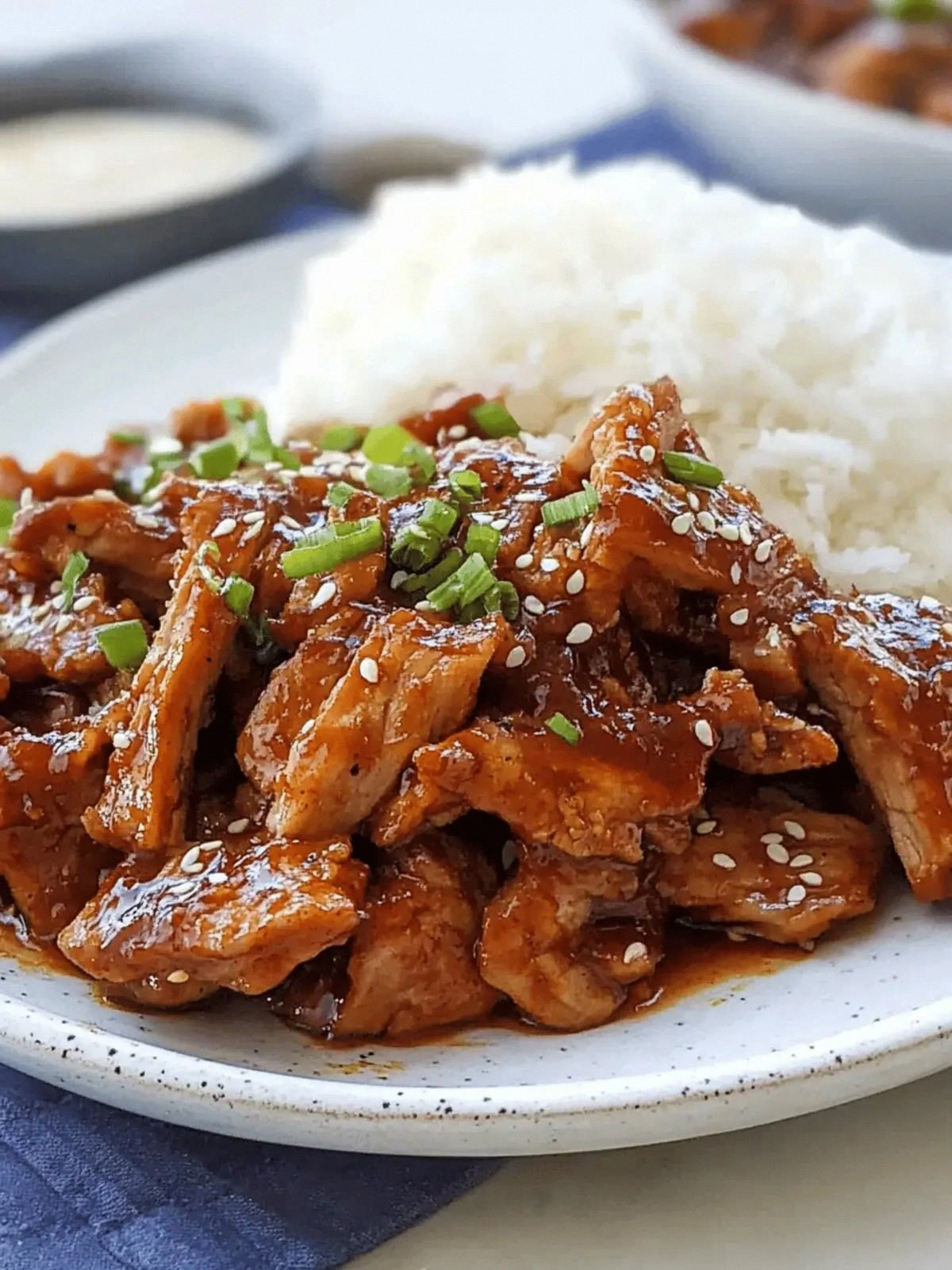
The first bite was a revelation: tender pork, glazed in a spicy, sweet, and umami-rich sauce that clung to the meat like a velvet coat. The crunch of fresh green onion added a bright contrast, while the sesame seeds sprinkled a nutty finish that lingered on the palate. I could taste the subtle heat from the red pepper flakes, balanced perfectly by the sweetness of sugar and the depth of soy sauce. Every element worked in harmony, creating a dish that felt like a Korean BBQ experience but was easier to make at home. The combination of textures—soft, crispy, and juicy—made this recipe a standout, and it was a conversation starter at the table.
What sets this version apart is not just the flavor profile but the technique that locks in moisture and caramelizes the glaze. By marinating the pork in a blend that includes rice vinegar, the meat stays tender, while the sesame oil provides a glossy sheen. The use of Gochujang, a fermented chili paste, adds depth and a subtle umami punch that most copycat recipes lack. The balance of heat and sweetness is achieved through precise measurements, not guesswork. And the finishing touch of sesame seeds and green onion creates a visual and textural contrast that elevates the dish from simple to spectacular.
I’m not exaggerating when I say this is hands down the best version you'll ever make at home. It’s a recipe that turns any ordinary evening into a celebratory feast. The best part? It can be whipped up in under an hour, so you have more time to enjoy the company of your guests. I’ll be honest—after the first batch, I ate half the dish before anyone else got a chance. The second round was equally irresistible, proving that this dish is a crowd-pleaser. Stay with me here, because by the end of this guide, you’ll wonder how you ever made Korean BBQ any other way.
Now, let’s dive into the details that make this recipe so special. From the precise seasoning blend to the sizzling technique, every step is designed to maximize flavor and texture. The next section will break down what makes this version stand out from the countless other recipes floating around online. I’ll highlight the key elements that elevate this dish from good to unforgettable. So buckle up, because I’m about to share the secrets that will transform your cooking.
Before we get into the nitty-gritty, let’s take a moment to appreciate the ingredients. Each one has been chosen not just for flavor but for its role in the cooking process. The pork shoulder provides a balance of fat and meat that stays juicy even after searing. The Gochujang adds fermented depth, while the soy sauce brings umami and color. The sesame oil and seeds contribute aroma and a subtle nutty note that rounds off the dish. Green onion and garlic give a fresh, aromatic lift, and the spices create a gentle heat that isn’t overwhelming. Together, they create a dish that’s complex yet approachable.
I’ve spent hours testing variations, and this particular blend of seasonings turned out to be the sweet spot. The ratio of Gochujang to soy sauce is crucial; too much Gochujang can overpower, while too little can leave the dish flat. The addition of rice vinegar provides acidity that cuts through the richness, ensuring each bite is balanced. The sesame oil is added at the end, just before serving, to preserve its delicate flavor. Finally, the sesame seeds are toasted lightly to bring out their nuttiness, giving the dish a satisfying crunch.
If you’re skeptical, I challenge you to try this recipe and see for yourself. The flavors will melt in your mouth, and the aroma will fill the room. You’ll notice that the pork stays tender, the glaze caramelizes beautifully, and the heat is just enough to wake up your taste buds. I promise you, this is the most authentic Korean BBQ experience you can get without stepping into a Korean restaurant. The only downside? You’ll want to eat it immediately before it cools down. So, are you ready to make the most delicious pork dish of your life?
What Makes This Version Stand Out
- Taste: The sauce is a balanced blend of sweet, salty, and spicy flavors that caramelize into a glossy glaze. The Gochujang provides a fermented depth that most copycats miss. The result is a complex, layered taste that lingers on the tongue.
- Texture: The pork remains juicy and tender due to the marination with rice vinegar and the quick sear. The glaze crisps up into a slightly crunchy shell that contrasts with the meat’s softness. The green onion adds a fresh crunch that refreshes each bite.
- Ease: All the steps can be completed in under an hour, making it perfect for busy weeknights. No need for a grill; a simple skillet does the trick. The recipe requires only a handful of ingredients that you probably already have.
- Authenticity: By using Gochujang and sesame oil, the dish captures the essence of Korean BBQ. The technique of searing and then simmering in the sauce mirrors traditional Korean cooking methods.
- Versatility: Serve it over rice, in lettuce wraps, or with Korean pancakes for a complete meal. The sauce can also double as a stir-fry base for vegetables or tofu.
- Make‑Ahead: The dish can be prepared in advance; the flavors only deepen overnight. Reheat gently to preserve the texture and glaze.
- Ingredient Quality: Using fresh pork shoulder, real Gochujang, and high‑quality soy sauce elevates the dish beyond a typical pantry recipe.
- Visual Appeal: The glossy, caramelized glaze and bright green onion garnish give the dish a professional look that impresses guests.
Alright, let's break down exactly what goes into this masterpiece. The next section will walk you through each ingredient, explaining its role and how to choose the best ones.
Inside the Ingredient List
The Flavor Base
Gochujang is the heart of this recipe. It’s a fermented Korean chili paste that offers a complex umami flavor profile. When combined with soy sauce, it creates a savory backbone that carries the sweet and spicy notes. If you can’t find Gochujang, try a blend of Korean chili flakes with a splash of soy sauce and a pinch of sugar, but the depth will be slightly less pronounced.
Soy sauce provides saltiness and a dark color that enhances the dish’s visual appeal. Choose a low‑sodium version if you’re watching salt intake, and adjust the quantity accordingly. The soy sauce also helps in the Maillard reaction, giving the pork a beautiful caramelized crust.
Rice vinegar adds a subtle acidity that brightens the sauce and prevents the pork from becoming too greasy. The acidity balances the richness of the pork and the sweetness of the sugar, creating a harmonious flavor profile. A splash of rice vinegar also helps to tenderize the meat during marination.
The Texture Crew
Pork shoulder is the ideal cut for this recipe. It has a good amount of marbling that keeps the meat juicy during cooking. If you prefer leaner meat, use pork tenderloin, but be careful not to overcook it, or it will dry out.
Sesame oil adds a nutty aroma and a glossy finish to the glaze. Adding it at the end of cooking preserves its delicate flavor. If you’re allergic to sesame, you can substitute with a small amount of toasted sunflower seed oil, but the aroma will differ.
Sesame seeds provide a subtle crunch and a nutty flavor that complements the sweet glaze. Toast them lightly in a dry pan before sprinkling them on top to bring out their natural oils. If you’re allergic to sesame, omit them; the dish will still be delicious.
The Unexpected Star
Red pepper flakes add a gentle heat that’s not overpowering. They give the dish a subtle kick that enhances the overall flavor. If you’re not a fan of heat, reduce the amount or omit them entirely.
Garlic and ginger are aromatics that infuse the pork with depth. They also help in breaking down the meat fibers, making the pork more tender. Freshly minced garlic and ginger give the dish a brighter flavor than pre‑minced versions.
Green onion is a finishing touch that adds brightness and a fresh, oniony crunch. Slice them thinly and sprinkle them over the finished dish. They also add a pop of color that makes the dish look more appetizing.
Everything's prepped? Good. Let's get into the real action. The next section will walk you through the cooking process step by step, with tips and tricks to ensure perfection.
The Method — Step by Step
- Begin by cutting the pork shoulder into 1‑inch cubes, ensuring each piece is roughly the same size for even cooking. Pat the meat dry with paper towels; this helps the sear form a caramelized crust. Place the pork in a bowl, sprinkle with salt and black pepper, and toss to coat evenly. Let the meat sit at room temperature for about 10 minutes so it can absorb the seasonings. This simple step sets the foundation for a juicy, flavorful result.
- While the pork is resting, prepare the sauce. In a small bowl, combine 3 tablespoons of Gochujang, 1/4 cup of soy sauce, 2 tablespoons of rice vinegar, 1 tablespoon of sugar, 1 teaspoon of red pepper flakes, 1 tablespoon of sesame oil, and 1 tablespoon of canola oil. Whisk until the sugar dissolves and the mixture is smooth. This sauce will coat the pork and caramelize as it cooks. Keep it aside; you’ll use it in the next step.
- Heat a large skillet or wok over medium‑high heat. Add a splash of canola oil, swirling to coat the bottom. When the oil shimmers, add the pork cubes in a single layer, ensuring the pan isn’t overcrowded. This allows each piece to sear properly. Sear the pork for about 3 minutes on each side until a golden brown crust forms. The sizzling sound signals that the Maillard reaction is underway.
- Once the pork is seared, pour the prepared sauce over the meat, making sure every piece is coated. Reduce the heat to medium, cover the pan, and let it simmer for 10 minutes. The sauce will thicken and the pork will absorb the flavors. Stir occasionally to prevent sticking. The aroma at this point should be irresistible, like a Korean BBQ joint in your kitchen.
- After the initial simmer, remove the lid and increase the heat to medium‑high to thicken the sauce further. Stir in 2 tablespoons of sesame oil and 1 tablespoon of sesame seeds. The sesame oil adds a glossy sheen, while the sesame seeds bring a nutty crunch. Keep the mixture bubbling for another 5 minutes until the sauce coats the pork like a glaze.
- Add the chopped green onion to the pan, stirring gently to distribute the flavor. The green onion not only adds freshness but also a slight crunch that contrasts with the tender pork. Let it cook for just 1 minute, so it remains bright and crisp. This step ensures the dish has that final pop of color and aroma.
- Turn off the heat and let the pork rest for 5 minutes. This resting period allows the juices to redistribute, keeping the meat moist. The glaze will thicken slightly as it cools, giving it a more cohesive texture. While the pork rests, you can plate the dish and prepare any side dishes.
- Serve the pork hot, spooning the remaining sauce over the top. Garnish with a few extra sesame seeds and a sprinkle of fresh green onion for visual appeal. Pair it with steamed rice, Korean pancakes, or lettuce wraps for a complete meal. The dish is also great as a topping for ramen or as a filling for tacos.
- If you’re not ready to serve immediately, store the pork in an airtight container in the refrigerator. Reheat gently in a skillet over low heat, adding a splash of water to keep it moist. The dish will taste just as good, if not better, the next day because the flavors have had time to meld together.
That's it — you did it. But hold on, I've got a few more tricks that'll take this to another level. These insider tips will help you avoid common pitfalls and elevate the dish further.
Insider Tricks for Flawless Results
The Temperature Rule Nobody Follows
Cooking the pork at the right temperature is key to achieving that perfect caramelized crust. Too high, and the exterior will burn while the interior remains raw; too low, and you’ll end up with a soggy texture. I’ve found that medium‑high heat for the sear and medium for the simmer works best. Keep a close eye on the pan, and adjust the heat as needed.
Why Your Nose Knows Best
Your nose is your best ally when cooking this dish. The moment the sauce starts to bubble and the pork begins to caramelize, you’ll notice a sweet, slightly smoky scent. This is the cue to reduce the heat to avoid burning. Trust your senses; they’ll guide you to the perfect finish.
The 5‑Minute Rest That Changes Everything
Letting the pork rest after cooking is often overlooked. This simple step allows the juices to redistribute, keeping the meat moist. It also gives the glaze time to thicken and adhere better. I’ve seen people skip this step, only to find the pork dry and the sauce too watery.
The Quick Toast for Sesame Seeds
Toast sesame seeds in a dry skillet until golden brown before adding them to the dish. This brings out their nutty flavor and adds a satisfying crunch. If you add them raw, they’ll stay limp and lose their aromatic quality.
The Right Balance of Sweetness
The sugar in the sauce should melt into a glaze, not overpower the savory elements. If you find the dish too sweet, reduce the sugar by half and increase the soy sauce slightly. Taste as you go; a small adjustment can make a big difference.
The Quick Marinade Trick
If you’re in a hurry, mix the sauce ingredients and coat the pork in a single bowl. Let it marinate for 15 minutes before cooking. This saves time and ensures the pork is evenly seasoned.
These tricks are the difference between a good dish and a memorable one. I’ve tested each one countless times, and they consistently improve the final result. Keep them in mind, and you’ll impress even the most discerning palates.
Creative Twists and Variations
This recipe is a playground. Here are some of my favorite ways to switch things up:
Spicy Kimchi Fusion
Add a cup of chopped kimchi to the sauce during the simmer stage. The fermented cabbage adds tanginess and a pop of color. This variation works great if you’re craving a more traditional Korean flavor profile.
Mango Sweetness
Stir in diced mango during the final simmer. The fruit’s natural sweetness balances the heat from the Gochujang. The result is a tropical twist that pairs wonderfully with sticky rice.
Herb‑Infused Variation
Replace the green onion with fresh cilantro and add a handful of mint leaves at the end. The herbs give the dish a fresh, aromatic lift that’s perfect for summer gatherings.
Smoky Chipotle
Swap the Gochujang for a mixture of chipotle powder and a splash of adobo sauce. The smoky heat from chipotle adds a different dimension, making the dish feel like a Mexican‑Korean fusion.
Low‑Carb Keto Version
Serve the pork over cauliflower rice instead of regular rice. The low‑carb option keeps the dish keto‑friendly while still delivering that satisfying Korean BBQ experience.
Vegetarian Option
Replace the pork with sliced seitan or tofu, marinated in the same sauce. The protein will absorb the flavors just as well, giving you a hearty vegetarian meal.
These variations show how versatile this dish can be. Whether you’re craving a classic Korean BBQ or something adventurous, this recipe can adapt. Experiment, taste, and enjoy the endless possibilities.
Remember, the key to any great dish is confidence in the kitchen. Don’t be afraid to tweak the seasoning or adjust the cooking time. The best meals are born from experimentation and a willingness to step outside the recipe box. Keep exploring, keep cooking, and most importantly, keep enjoying the process.
Now that you’ve mastered the basics and explored the variations, you’re ready to bring this dish to life. The next section will cover how to store leftovers and reheat them without losing flavor. With these tips, you’ll have a go-to recipe that’s ready whenever you crave it.
Storing and Bringing It Back to Life
Fridge Storage
Store the cooked pork in an airtight container in the refrigerator for up to 3 days. The sauce will thicken slightly, so let the dish rest at room temperature for 10 minutes before serving. This ensures the glaze remains glossy and the pork stays moist.
Freezer Friendly
For longer storage, freeze the pork in a freezer‑safe container or zip‑lock bag for up to 2 months. Thaw overnight in the refrigerator before reheating. The texture may change slightly, but the flavor remains intact.
Best Reheating Method
Reheat the pork in a skillet over low heat, adding a splash of water or broth to keep it from drying out. Stir frequently until the sauce is heated through and the pork is steaming. This method preserves the glaze and keeps the pork tender.
Add a tiny splash of water before reheating — it steams back to perfection, keeping the pork juicy and the sauce silky. The reheat method is quick, so you can enjoy a restaurant‑quality dish in minutes.
With these storage tips, you’ll always have a ready‑to‑serve Korean BBQ feast on hand. Whether you’re cooking for a crowd or for a solo dinner, this dish adapts to any occasion.