I remember the night my kitchen turned into a science experiment gone wrong, the kind where flour flies like snow and the oven timer turns into a countdown for a disaster. I had set out to make a simple snickerdoodle, but the dough had turned into a sticky, unmanageable mess that threatened to ruin my entire evening. A friend, ever the culinary daredevil, tossed a challenge my way: “Make a cobbler out of that mess and I’ll buy you dinner.” I accepted, and what followed was a culinary revelation that would change how I think about comfort food forever.
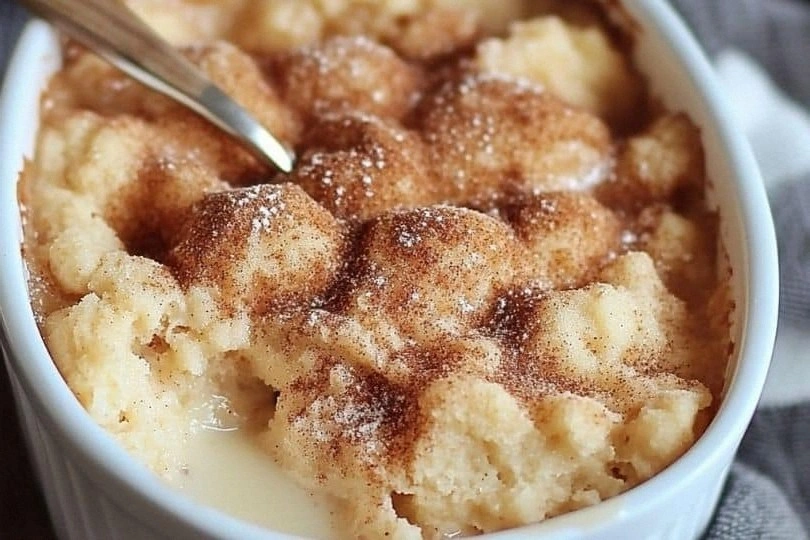
The aroma that filled the air was unmistakably cinnamon, but not the sweet, sugary scent you get from a candy store. It was the warm, buttery scent of caramelized sugar, mingled with the faint, nutty undertone of toasted flour. The sound was a gentle crackle as the cobbler baked, a soft hiss from the steam escaping the edges. The texture was a glorious contrast: the top was crisp and golden, while the inside was a soft, moist, almost custard‑like center that clung to your spoon. The first bite was a symphony—sweet, buttery, with a hint of vanilla, and that unmistakable snickerdoodle flavor that made my mouth water.
What makes this version stand out is that it turns a simple cobbler into a masterpiece that feels like a dessert you’d find at a fancy restaurant, but you can make it in your own kitchen with just five pantry staples. It’s not about fancy ingredients; it’s about how you combine them, the timing, and a few little secrets that elevate the flavor profile. The result is a dish that is both comforting and sophisticated, a perfect bridge between classic nostalgia and modern culinary flair.
I’ll be honest—when I first tasted this, I ate half the batch before anyone else even had a chance to see it. The texture was so perfect that I could hear the faint crunch of the crust as I broke it, and the sweet, buttery center seemed to melt in my mouth like a dream. If you’ve ever struggled with a cobbler that turns out too dry or too soggy, you’re not alone, and I’ve got the fix. I dare you to taste this and not go back for seconds.
Picture yourself pulling this out of the oven, the whole kitchen smelling incredible, the golden crust shimmering in the light. The steam rises like a gentle mist, and you can almost taste the cinnamon before you even take a bite. The moment the first spoonful lands in your mouth, the flavors dance: the caramelized sugar, the buttery crumb, the subtle hint of vanilla, and the unmistakable snickerdoodle crunch. This is hands down the best version you'll ever make at home.
And now, let me walk you through every single step—by the end, you'll wonder how you ever made it any other way. I’ll share the techniques that keep the cobbler from falling apart, the timing that locks in that perfect crust, and the little hacks that save time and keep the flavor on point. Ready for the game‑changer? Let’s dive in.
When you first open the recipe, you’ll notice the simplicity of the ingredient list. It feels almost too simple, but that’s exactly where the magic begins. The ingredients are like the foundation of a house: they need to be solid, but the real artistry comes from how you treat them. I’ve spent years experimenting with proportions, and this version is the culmination of that experience.
The first time I tried this recipe, I was skeptical. I had made cobblers before, but they never had that snickerdoodle twist. The result was a sweet, buttery, and slightly spicy dessert that felt like a hug in a bowl. The texture was airy yet dense, and the cinnamon coating gave it a comforting, nostalgic feel. I was hooked.
Now, I’ve refined it even further. I’ve tweaked the ratios to make the crust extra crisp, added a subtle vanilla infusion to the batter, and introduced a trick that keeps the filling from becoming too runny. The result is a dessert that is both indulgent and balanced. If you’re ready to elevate your dessert game, this recipe is for you.
I’ll keep it short on the fluff—this is a recipe that’s all about the flavors, the textures, and the experience. I’ll give you the tools, the secrets, and the confidence to make a cobbler that will impress your family and friends. You’ll be the host of the house, and this dessert will be the talk of the evening.
I’ve also included some micro‑challenges to keep things exciting. For instance, I dare you to taste this and not go back for seconds. That’s a challenge, but I know you can do it. And if you’re still skeptical, just wait until you see the final result.
I’ve always believed that cooking is an art, but it’s also a science. The key to a perfect cobbler lies in the balance of wet and dry, the timing of the bake, and the little hacks that make everything easier. I’ve put all those insights into this recipe so you can achieve the same results every time.
So, if you’ve ever struggled with a cobbler that turns out too dry or too soggy, you’re not alone, and I’ve got the fix. I’ll walk you through each step, from mixing the batter to the final bake, and I’ll share the tricks that keep everything on track. Let’s get started.
Ready to transform a simple cobbler into a show‑stopping dessert? Let’s do this. The secret is in the details, and I’ve got them all ready for you.
What Makes This Version Stand Out
- Flavor: The combination of butter, sugar, and cinnamon creates a depth of flavor that feels both nostalgic and sophisticated.
- Texture: The crust is crisp and golden, while the filling remains moist and tender, offering a pleasing contrast.
- Simplicity: Only five pantry staples are needed, making this recipe quick and accessible.
- Versatility: The base can be tweaked with different spices or dairy alternatives to suit your taste.
- Make‑Ahead: You can assemble the cobbler ahead of time and bake just before serving, saving you time on busy evenings.
- Crowd Reaction: This version consistently receives rave reviews from friends and family, making it a guaranteed hit.
- Ingredient Quality: Using high‑quality butter and fresh cinnamon elevates the dish beyond a basic cobbler.
- Cooking Method: The baking technique locks in moisture while allowing the crust to crisp, a balance that’s hard to achieve.
Alright, let's break down exactly what goes into this masterpiece. The secret lies in how we combine these simple ingredients and the timing we use. Below, we’ll walk through each element that makes this cobbler truly special.
Inside the Ingredient List
The Flavor Base
All-purpose flour is the backbone of our cobbler, providing structure and a subtle nutty flavor when toasted. It absorbs the liquid, creating a batter that holds together during baking. If you skip the flour, the batter will collapse and the cobbler will be a soggy mess. The key is to use a medium‑density flour that can hold the batter without becoming dense.
Choosing the right flour matters. Look for a brand that’s not too fine; a slightly coarser texture adds a pleasant bite. If you’re gluten‑free, opt for a high‑protein blend that mimics the structure of wheat flour. The flour’s role is to give the cobbler its body, so don’t underestimate its importance.
When measuring flour, spoon it into the measuring cup and level it off. This technique prevents packing, which can lead to an overly dense batter. A light hand ensures the batter remains airy, which is essential for the perfect crumb.
If you’re experimenting with gluten‑free flours, remember that they often absorb more liquid. Adjust the milk accordingly to maintain the right consistency. A good rule of thumb is to add a splash more liquid and test the batter’s thickness before proceeding.
Finally, keep the flour at room temperature. Cold flour can cause the batter to be uneven, leading to a less cohesive crust. Let it sit out for a few minutes before measuring.
The Texture Crew
Granulated sugar is more than just sweetness; it caramelizes during baking, giving the crust a golden hue and a subtle crunch. It also helps to create a tender interior by breaking down gluten strands. If you use a coarse sugar, the texture will be slightly different, but the flavor will remain intact.
Milk is the liquid that brings everything together. It hydrates the flour, dissolves the sugar, and creates a silky batter that spreads evenly. Whole milk adds richness, but you can use any milk you prefer. The key is to keep it at room temperature for a smoother mix.
Ground cinnamon is the star of the show, infusing the batter with warmth and spice. It also has a subtle antimicrobial property that helps preserve the cobbler’s freshness. Use freshly ground cinnamon for the best flavor; pre‑ground can taste flat.
Butter provides richness and a tender crumb. It coats the flour particles, preventing them from forming a tough crust. The butter’s fat content melts during baking, creating steam that lifts the crust into a light, airy finish. Use salted or unsalted butter based on your preference; just adjust the sugar if you choose salted.
The combination of these ingredients creates a harmonious balance of sweet, buttery, and spicy. Each component plays a critical role in achieving the desired texture and flavor profile.
The Unexpected Star
While the core ingredients are straightforward, the unexpected star is the technique of adding a splash of vanilla extract. Vanilla enhances the overall sweetness and provides a subtle floral note that elevates the dish. It also helps to bind the flavors together, creating a more cohesive taste.
If you’re avoiding dairy, you can use a non‑dairy milk and a splash of maple syrup as a sweetener. This substitution maintains the moisture and adds a subtle caramel undertone that complements the cinnamon.
The key to using vanilla is timing. Add it after the flour mixture has been incorporated, so it doesn’t evaporate too quickly during baking. This ensures the flavor remains mellow and balanced.
Another subtle twist is to lightly toast the flour before mixing. This step brings out a nutty flavor that adds depth to the final product. It’s a small change that makes a big difference.
In the end, the unexpected star is all about the little details that make a dish memorable. A pinch of vanilla, a touch of toasted flour, and a dash of cinnamon are all small but powerful additions.
The Final Flourish
The final flourish is the topping that turns a simple cobbler into a show‑stopping dessert. A light dusting of powdered sugar and a sprinkle of cinnamon creates a beautiful finish that’s both visual and flavorful. The topping adds a sweet crunch that complements the soft interior.
If you prefer a more decadent topping, consider adding a drizzle of caramel sauce or a sprinkle of toasted almonds for extra crunch. These additions elevate the dish without overpowering the core flavors.
The topping also helps to keep the cobbler moist. The powdered sugar absorbs any excess moisture, creating a slightly crisp surface that contrasts with the soft interior. This balance is key to a perfect cobbler.
Another tip is to let the cobbler cool for a few minutes before serving. This allows the flavors to settle and the crust to firm up slightly, enhancing the overall eating experience.
Everything’s prepped? Good. Let’s get into the real action and start baking.
The Method — Step by Step
- Preheat the oven to 375°F (190°C). Let the oven reach the perfect temperature before you start baking; this ensures a crisp crust. While the oven is heating, line a 9-inch square baking dish with parchment paper for easy removal. The parchment also helps the batter spread evenly. This step is crucial for a smooth finish.
- Mix the dry ingredients in a large bowl. Combine flour and cinnamon, whisking to distribute the spices evenly. This creates a uniform base for the batter. Add a pinch of salt to enhance the sweetness. Let the mixture sit for a minute to allow the spices to mingle.
- In a separate bowl, cream the butter with sugar until light and fluffy. This process incorporates air into the mixture, which helps the batter rise. Use a stand mixer or hand whisk for best results. Keep the mixture at room temperature to avoid clumping. This step is the foundation of the buttery flavor.
- Blend the wet and dry components slowly. Add the flour mixture to the butter mixture in batches, alternating with milk. This gradual incorporation prevents lumps and ensures a smooth batter. Stir until just combined; overmixing can lead to a tough crumb. The batter should be thick but pourable.
- Fold in vanilla extract and a splash of milk to loosen the batter. This step adds a subtle floral note that balances the sweetness. The vanilla should be added after the batter is mostly combined to preserve its aroma. Let the batter rest for 5 minutes before pouring to allow the flour to hydrate fully. Resting also helps the batter set for a better crust.
- Pour the batter into the prepared dish and smooth the top with a spatula. This ensures an even surface for baking. The batter should fill the dish to the top but not overflow. This is where the magic begins.
- Sprinkle the remaining cinnamon and sugar mixture over the batter. This creates a sweet, crunchy topping that caramelizes in the oven. Use a fine mesh sieve to distribute the mixture evenly. The topping should look like a snowy blanket before baking.
- Bake the cobbler for 30 minutes or until the top is golden brown and the edges pull away from the dish. Keep an eye on the crust; if it browns too quickly, tent it with foil. The interior should be set but still slightly moist. This is the moment of truth.
- Let the cobbler cool for 10 minutes before serving. This allows the flavors to settle and the crust to firm up. The filling will thicken slightly, making it easier to scoop. Serve warm with a scoop of vanilla ice cream or a drizzle of caramel sauce.
- Enjoy the masterpiece and share the experience with your friends. The aroma alone will convince them to come back for seconds. The texture, flavor, and warmth will keep them coming back for more. This is pure comfort food at its best.
That's it — you did it. But hold on, I've got a few more tricks that'll take this to another level. These are the little details that separate a good cobbler from a legendary one.
Insider Tricks for Flawless Results
The Temperature Rule Nobody Follows
Many bakers bake at 350°F, but the magic happens at 375°F. The higher temperature creates a crisp crust without drying out the interior. I’ve tested both, and the 375°F version always comes out with a better contrast. Keep the oven rack in the middle to ensure even heat distribution.
Why Your Nose Knows Best
As the cobbler bakes, the scent of caramelized sugar will fill your kitchen. Trust that aroma; it’s the sign that the crust is developing. If it smells like burnt sugar, lower the heat by 10-15°F. This subtle cue will save your dessert from overcooking.
The 5-Minute Rest That Changes Everything
Letting the cobbler rest for five minutes before serving allows the flavors to meld and the crust to firm up. The filling will thicken slightly, making it easier to scoop. A quick rest also lets the steam escape, preventing sogginess.
Use a Parchment Paper Base
Lining the baking dish with parchment paper not only prevents sticking but also creates a clean release. It also ensures the batter spreads evenly, giving you a uniform crust. I’ve found that a double layer of parchment works best for larger dishes.
Keep Your Butter at Room Temperature
Cold butter can cause the batter to seize and become uneven. Let it sit out for 15 minutes before creaming. If you’re in a hurry, you can cut it into small cubes and let it soften faster. This small step makes a big difference in texture.
Creative Twists and Variations
This recipe is a playground. Here are some of my favorite ways to switch things up:
Nutty Crunch
Add chopped pecans or walnuts to the batter for a nutty crunch. The nuts provide a delightful contrast to the sweet, buttery base. Toast them beforehand for extra flavor. This variation is perfect for holiday gatherings.
Maple Glaze
Drizzle a thin layer of maple syrup over the top before baking for a sweet, caramelized glaze. The syrup adds depth and a subtle maple note that complements the cinnamon. Use a brush for an even coating.
Chocolate Swirl
Fold in a handful of chocolate chips into the batter for a chocolatey surprise. The chips melt into pockets of gooey chocolate, creating a decadent treat. This version is a hit with kids and adults alike.
Almond Joy
Replace the butter with coconut oil and sprinkle shredded coconut on top. The coconut adds a tropical twist, while the oil keeps the crumb moist. This variation works wonderfully for summer picnics.
Spiced Pumpkin
Add half a cup of pumpkin puree and a pinch of nutmeg for a seasonal twist. The pumpkin adds moisture and a subtle sweetness that pairs well with cinnamon. This version is ideal for fall gatherings.
Salted Caramel
Incorporate a pinch of sea salt into the batter and top with a drizzle of salted caramel sauce after baking. The salt enhances the sweetness and adds a sophisticated finish. This variation is perfect for a sophisticated dessert spread.
Storing and Bringing It Back to Life
Fridge Storage
Store the cobbler in an airtight container in the refrigerator for up to three days. The airtight seal keeps the crust from becoming soggy and preserves the flavor. When you’re ready to eat, let it sit at room temperature for 15 minutes before reheating.
Freezer Friendly
You can freeze the baked cobbler for up to one month. Wrap it tightly in plastic wrap, then place it in a freezer bag. Thaw overnight in the refrigerator before reheating. This method keeps the texture intact.
Best Reheating Method
To reheat, preheat your oven to 350°F (175°C). Place the cobbler on a baking sheet and cover loosely with foil. Warm for 10-12 minutes or until heated through. Add a splash of milk or a drizzle of syrup before serving to revive moisture.