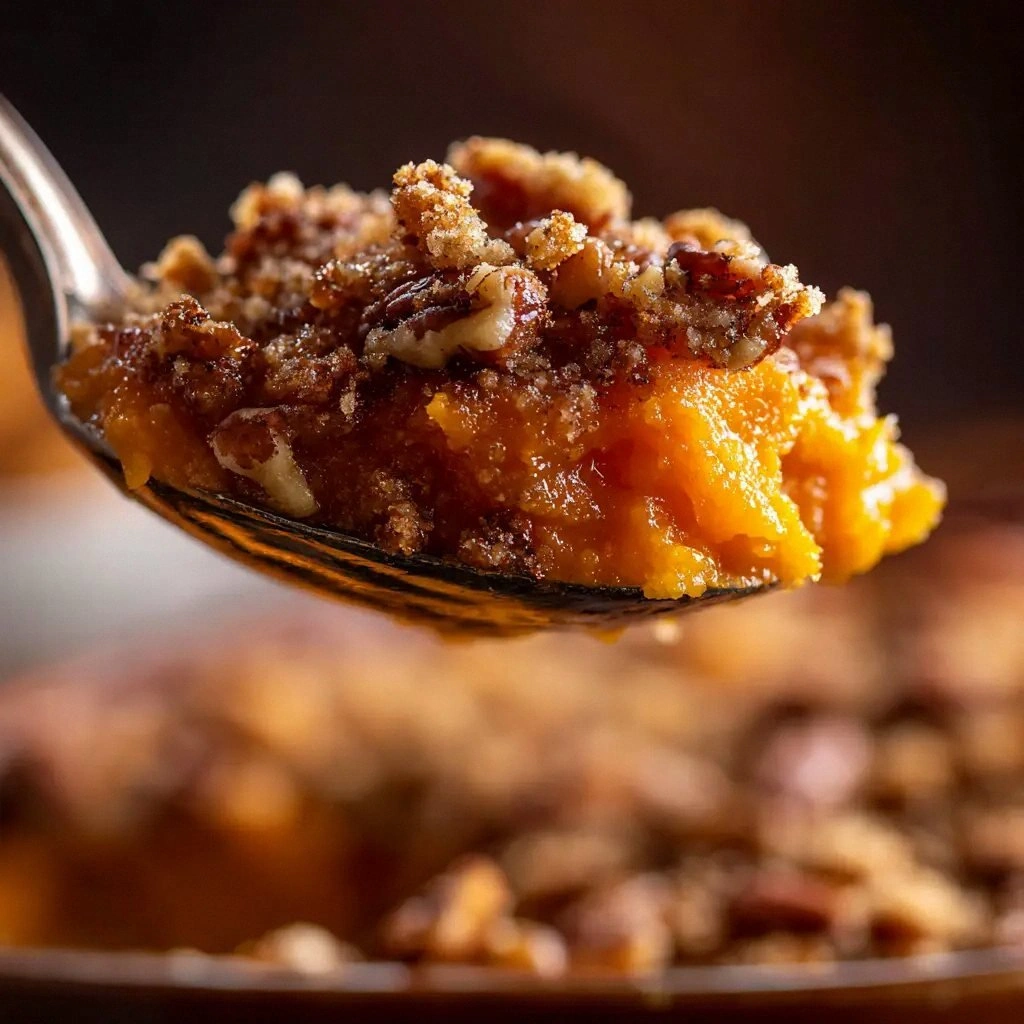
Picture this: you’re standing in a kitchen that smells like cinnamon and butter, the air thick with the sweet scent of roasted sweet potatoes. Your friends are huddled around a table, eyes wide, as you pull a golden casserole from the oven. The first bite is a silky, caramelized mash that melts on the tongue, followed by a crunchy pecan crust and a cloud of toasted marshmallows. That moment? Pure magic.
I’ve tried every sweet potato casserole out there. I’ve seen the bland, the soggy, the overly sweet. I’ve tasted the ones that just sit on the plate like a sad, undercooked side dish. But this version? It’s a symphony of textures and flavors that makes your mouth do a happy dance. I’m talking buttery, caramelized edges that crackle like a fresh snowfall, a creamy interior that’s so smooth it feels like a hug, and a topping that’s a sweet, nutty crunch.
The reason I’m so hyped is simple: it’s the ultimate holiday staple that works for any gathering, from a quiet family dinner to a bustling Thanksgiving spread. I dare you to taste this and not go back for seconds. It’s hands down the best version you’ll ever make at home. Most recipes get this completely wrong. Here’s what actually works.
If you’ve ever struggled with a casserole that turns out too dry or too mushy, you’re not alone — and I’ve got the fix. Picture yourself pulling this out of the oven, the whole kitchen smelling incredible, the table set with anticipation, and every guest reaching for an extra scoop. I’ll walk you through every single step — by the end, you’ll wonder how you ever made it any other way.
What Makes This Version Stand Out
- Taste: The balance of sweet, buttery, and spiced flavors is achieved through a layered approach, letting each element shine without overpowering the others.
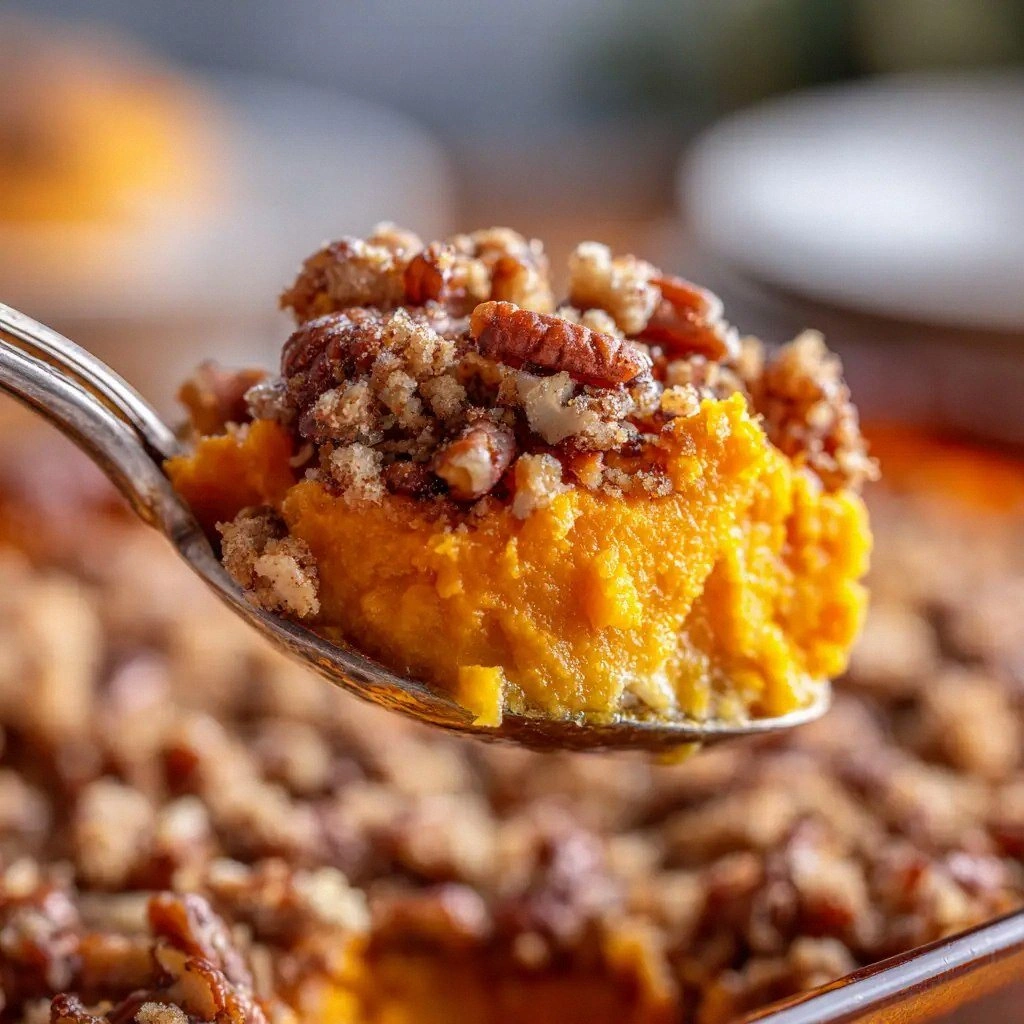
- Texture: The mash is silky smooth, the pecan crust is crunchy, and the marshmallow topping is caramelized and airy—each bite is a textural adventure.
- Simplicity: Despite its complexity of flavors, the recipe is straightforward, with clear steps and minimal prep time.
- Uniqueness: The combination of pecans and marshmallows, plus a touch of nutmeg, sets this apart from standard casseroles.
- Crowd Reaction: Friends will rave about the crunch and the creamy base; family members will ask for the recipe after the first plate is cleared.
- Ingredient Quality: Using fresh sweet potatoes and high‑quality butter transforms the dish into a gourmet experience.
- Cooking Method: The dual baking stages lock in moisture and flavor, giving a perfect finish.
- Make‑Ahead Potential: The casserole can be assembled the night before and baked fresh, saving time on the big day.
Alright, let's break down exactly what goes into this masterpiece…
Inside the Ingredient List
The Flavor Base
Sweet potatoes are the star. They’re naturally sweet and have a creamy texture when mashed. If you skip them, you lose the core flavor and body of the dish. For a richer taste, choose medium‑sweet potatoes over the less sweet varieties; they’ll give you that caramelized depth.
Butter adds richness and helps carry the spices. Don’t be tempted to use margarine; the flavor difference is huge. If you’re dairy‑free, try coconut oil, but keep the flavor profile in mind—it will alter the taste slightly.
Brown sugar brings depth and a subtle molasses undertone that balances the natural sweetness of the potatoes. If you want a slightly less sweet version, reduce the sugar by a quarter cup.
The Texture Crew
Eggs act as a binder, giving structure to the mash. They also help the casserole hold together during baking. If you’re vegan, replace eggs with flaxseed meal mixed with water; it’s a reliable binder.
Milk or heavy cream adds moisture and a silky finish. Heavy cream will make the mash richer, while milk keeps it lighter. Either works, but choose based on your preference.
Vanilla extract is a secret weapon that adds depth and a hint of sweetness that complements the spices. A small splash of almond extract can give a nutty twist.
The Unexpected Star
Ground cinnamon and nutmeg bring warmth and complexity. Nutmeg is a game changer; its subtle earthiness elevates the dish. If you’re allergic to nutmeg, a pinch of allspice can substitute, but the flavor will differ.
Salt is essential to balance sweetness and enhance all the flavors. It’s easy to overlook, but a proper seasoning makes the casserole taste complete.
The Final Flourish
Flour helps set the mash, preventing it from sliding off the pan. It also creates a silky coating that holds the toppings in place. If you’re avoiding gluten, use a gluten‑free flour blend; the texture will be slightly different but still delicious.
Pecans add crunch, nutty flavor, and a visual pop. They’re the perfect counterpoint to the soft mash. If you’re not a fan of nuts, try chopped walnuts or even toasted almonds.
Mini marshmallows are the crowning glory, creating a sweet, airy topping that caramelizes into a golden crust. They’re the bridge between the savory mash and the sweet finish. If you can’t find mini marshmallows, regular ones will work but the texture will be a bit denser.
Everything’s prepped? Good. Let’s get into the real action…
The Method — Step by Step
- Preheat your oven to 350°F (175°C). Peel and cube 4 lbs of sweet potatoes, then boil them in salted water until tender, about 15 minutes. Drain and mash them with a potato masher; they should be smooth, not lumpy. This is the moment of truth—your mash should feel silky, like a warm blanket.
- While the potatoes are cooling, melt ½ cup of unsalted butter in a saucepan. Add ½ cup packed brown sugar, stirring until the sugar dissolves and the mixture turns a deep amber. This caramelized butter is the flavor backbone of the casserole.
- Return the butter‑sugar mixture to the mashed potatoes. Stir in 2 large eggs, ¼ cup milk or heavy cream, 1 tsp vanilla extract, 1 tsp ground cinnamon, ½ tsp ground nutmeg, and ¼ tsp salt. Mix until everything is fully incorporated; the mixture should smell fragrant and buttery.
- Transfer the mixture to a greased 9x13 inch baking dish. Spread it evenly, smoothing the top with a spatula. The base should feel firm enough to hold its shape, but still moist and tender.
- In a separate bowl, combine ½ cup all‑purpose flour, ½ cup packed brown sugar, 4 tbsp cold unsalted butter (cut into small pieces), and 1 cup chopped pecans. Toss until the mixture resembles coarse crumbs. This topping will transform into a crunchy, golden crust.
- Evenly sprinkle the crumb mixture over the mashed potato base. Press gently to help it adhere. The top should look like a golden, slightly uneven blanket.
- Top the crumb layer with 3 cups of mini marshmallows. Don’t be shy—cover the whole surface so every bite gets that sweet, toasted marshmallow hit. The marshmallows will caramelize, turning a bright golden brown.
- Bake in the preheated oven for 30 minutes, or until the marshmallows are golden brown and the top is set. The aroma will fill the kitchen, and you’ll know the dish is ready when the edges pull away slightly and the center is slightly firm.
- Let the casserole rest for 10 minutes before serving. This allows the flavors to meld and the structure to set. When you cut into it, the mash should hold its shape, and the marshmallow topping should still be crisp.
That's it — you did it. But hold on, I've got a few more tricks that'll take this to another level…
Insider Tricks for Flawless Results
The Temperature Rule Nobody Follows
Baking at 350°F is standard, but if you’re in a hot climate, lower the temperature to 325°F to prevent the top from burning while the interior remains undercooked. The key is even heat distribution. If you’re using a convection oven, reduce the temperature by 25°F.
Why Your Nose Knows Best
Smell the casserole as it bakes. When the marshmallows start to caramelize, the scent will become a sweet, buttery perfume that signals readiness. Trust your nose; it’s the most reliable judge of doneness.
The 5‑Minute Rest That Changes Everything
Let the casserole sit for exactly five minutes after removing it from the oven. This brief pause allows the steam to redistribute, preventing a soggy center. It also lets the flavors settle, making each bite more harmonious.
The Pecan Perfection
Toast the pecans before adding them to the topping. Toasting enhances their nutty flavor and prevents them from becoming greasy during baking. A quick 5‑minute bake on a sheet pan does the trick.
The Marshmallow Magic
If you want an extra crispy top, lightly brush the marshmallows with a thin layer of melted butter before baking. This creates a golden crust that’s both sweet and slightly salty.
The Make‑Ahead Method
Assemble the casserole the night before, cover tightly, and refrigerate. Bake it in the morning to save time. The flavors will deepen overnight, giving you a richer taste.
Creative Twists and Variations
This recipe is a playground. Here are some of my favorite ways to switch things up:
Maple‑Glazed Sweetness
Swap the brown sugar for an equal amount of pure maple syrup. The maple adds a subtle depth of flavor that pairs beautifully with the marshmallows. It’s a perfect twist for a fall brunch.
Spicy Kick
Add a pinch of cayenne pepper to the spice mix. The heat will contrast the sweet elements, creating a bold, layered taste. This version is great for adventurous diners.
Almond Delight
Replace pecans with sliced almonds and use almond extract instead of vanilla. The nutty aroma elevates the dish, and the almond extract adds a subtle, sophisticated flavor.
Cheesy Surprise
Stir in ½ cup of shredded cheddar cheese into the mash before baking. The cheese adds a savory depth that balances the sweetness, creating a savory‑sweet harmony.
Vegan Version
Use coconut milk instead of dairy, flaxseed meal as an egg substitute, and vegan butter. The result is a plant‑based casserole that still delivers on flavor and texture.
Mini Dessert Cups
Divide the batter into muffin tins and bake individual servings. This makes for a perfect dessert or snack for parties, with each cup offering a bite‑sized version of the classic.
Storing and Bringing It Back to Life
Fridge Storage
Store the casserole in an airtight container in the refrigerator for up to 3 days. Before reheating, let it sit at room temperature for 15 minutes to preserve the moisture.
Freezer Friendly
Wrap tightly in plastic wrap and place in a freezer bag. Freeze for up to 2 weeks. When ready to serve, thaw overnight in the refrigerator, then bake at 350°F for 20 minutes to reheat.
Best Reheating Method
Reheat in the oven at 350°F for 10–12 minutes. Add a tiny splash of water to the bottom of the pan to create steam, which helps restore the casserole’s moisture without drying it out.