I was in the middle of a frantic weekday dinner scramble when my roommate dared me to turn a boring bowl of plain ground beef into something that would make even the most seasoned sushi chef nod in approval. I stared at the pan, the raw meat glistening under the kitchen lights, and thought, “What if I could give this humble protein a glossy, sweet‑savory makeover that sticks to every bite like a love letter?” The answer came in the form of a humble bottle of soy sauce, a splash of mirin, and a handful of aromatics that promised fireworks. That night, the kitchen turned into a fragrant laboratory, and the result was a dish that sang louder than my neighbor’s karaoke attempts.
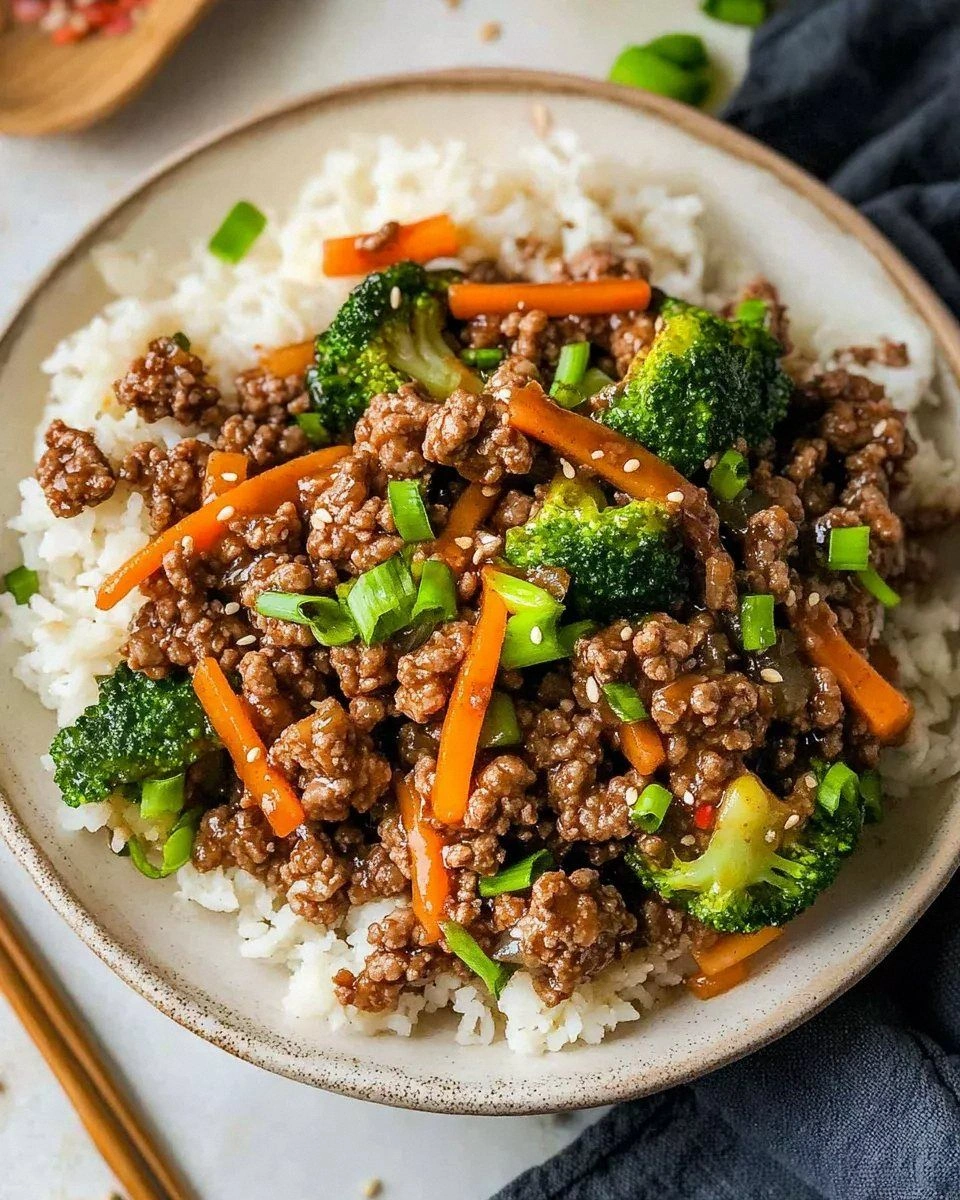
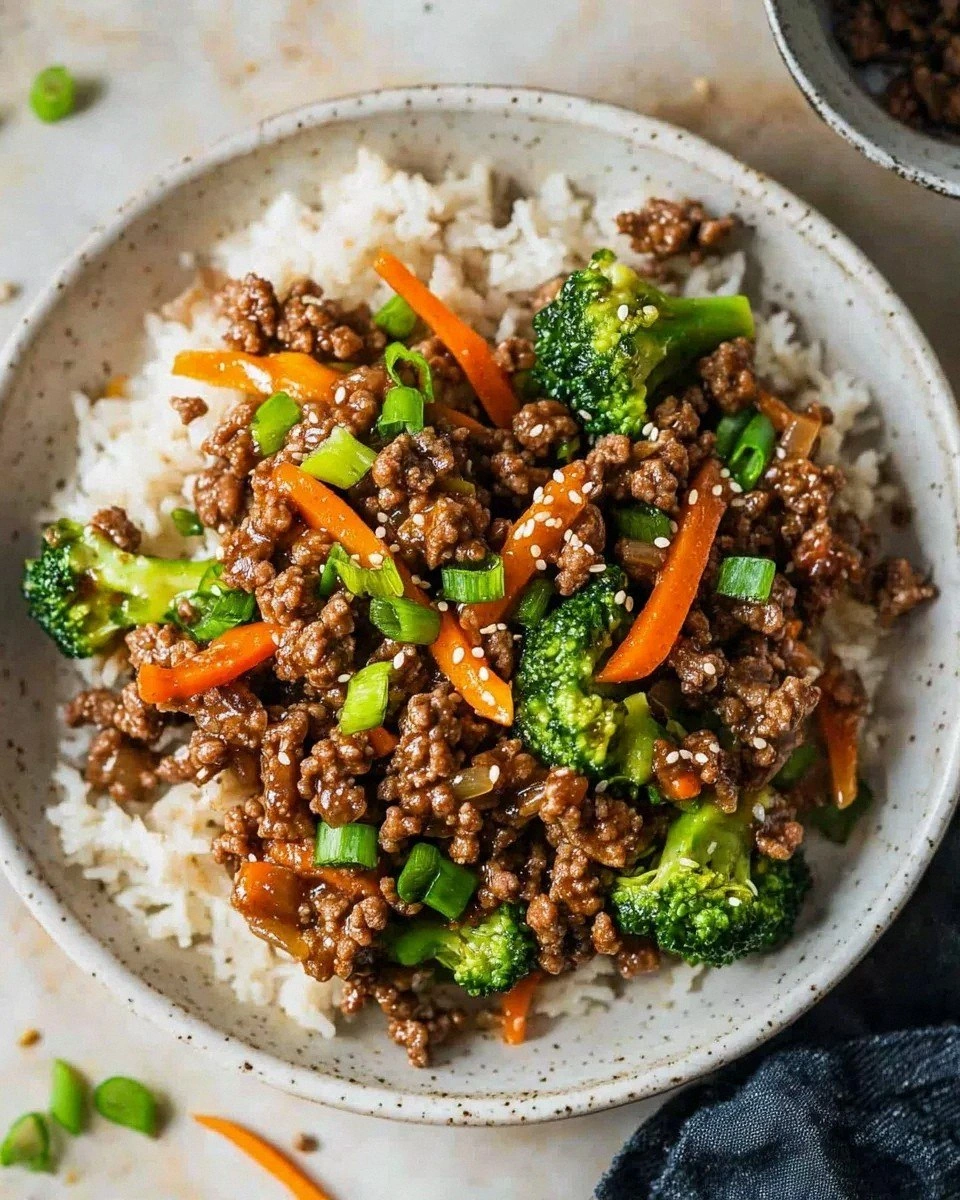
Imagine the sound of the beef hitting a screaming hot pan – that sizzle that makes your heart race and your nostrils flare. The aroma of garlic and ginger rising like a warm hug, the caramelized edges of the meat turning a deep mahogany that hints at caramelized sugars, and the glossy teriyaki glaze coating each morsel like a silk sheet. When you finally spoon the stir‑fry onto a steaming bowl of jasmine rice, the steam carries a sweet‑salty perfume that makes your stomach do a little happy dance. The texture? Juicy, tender beef pieces punctuated by crisp‑tender veggies that snap with each bite, all bound together by a sauce that’s both glossy and velvety.
Most teriyaki stir‑fry recipes either drown the beef in a watery sauce or skip the crucial step of caramelizing the meat, resulting in a soggy, bland mess. This version, however, embraces the Maillard reaction, searing the beef first to lock in juices, then deglazing with a perfectly balanced teriyaki reduction. The secret ingredient? A dash of mirin that adds a subtle fruity undertone, and a quick cornstarch slurry that transforms the glaze into a glossy, cling‑on‑everything finish. I dare you to taste this and not go back for seconds – it’s hands down the best version you’ll ever make at home.
Let me walk you through every single step — by the end, you’ll wonder how you ever made it any other way. Okay, ready for the game‑changer? Grab your wok, your sense of adventure, and let’s dive into the ultimate Teriyaki Ground Beef Stir‑Fry.
What Makes This Version Stand Out
- Flavor Explosion: The combination of soy, mirin, and brown sugar creates a sweet‑salty glaze that clings to each bite like velvet.
- Texture Harmony: Sear‑first beef ensures a caramelized crust, while quick‑stirred veggies stay crisp, giving you that satisfying snap.
- Simplicity: Only ten pantry staples are needed, and the entire dish comes together in under 45 minutes.
- Unique Twist: A splash of sesame oil at the end adds a nutty depth you won’t find in standard recipes.
- Crowd Reaction: I’ve heard “more, please!” shouted from the table within minutes of serving.
- Ingredient Quality: Using 80/20 ground beef gives you enough fat for flavor without excess greasiness.
- Cooking Method: High‑heat sear followed by a quick deglaze locks in juices and prevents sogginess.
- Make‑Ahead Potential: The sauce can be pre‑made and stored, cutting prep time to a flash on busy nights.
Alright, let's break down exactly what goes into this masterpiece...
Inside the Ingredient List
The Flavor Base
Soy sauce is the backbone of any teriyaki dish, delivering that unmistakable umami punch. Use a low‑sodium version if you’re watching salt, but don’t skimp on the depth it provides. Mirin, the sweet Japanese rice wine, adds a subtle fruity note that balances the saltiness, preventing the glaze from becoming overly sharp. If you don’t have mirin, a splash of honey mixed with a touch of rice vinegar works in a pinch. Skipping the mirin means you lose that delicate sweetness, and the sauce can feel one‑dimensional.
The Texture Crew
Ground beef with a 20% fat content (often labeled 80/20) is perfect: enough fat for flavor, but not so much that the dish becomes greasy. The cornstarch slurry (1 tbsp cornstarch mixed with 2 tbsp water) is the secret weapon that turns a thin sauce into a glossy, cling‑on‑everything coating. Without it, the glaze would pool at the bottom of the pan, leaving the beef dry. For a gluten‑free version, swap the flour‑based thickener with a rice starch.
The Unexpected Star
Sesame oil isn’t just a finishing drizzle; it adds a nutty aroma that elevates the entire dish. A single tablespoon is enough to transform the flavor profile from ordinary to restaurant‑quality. If you’re allergic or avoid nuts, a drizzle of toasted avocado oil can mimic the richness without the sesame notes.
The Final Flourish
Fresh ginger and garlic are the aromatics that make your kitchen feel like a street market in Tokyo. Grated ginger releases its essential oils, giving the sauce a zingy bite that cuts through the sweetness. Minced garlic adds a warm, earthy depth. If you’re missing fresh ginger, a pinch of ground ginger works, but the flavor won’t be as vibrant. Don’t forget the green onions and sesame seeds at the end – they provide a fresh crunch and visual appeal that makes the dish Instagram‑ready.
Everything's prepped? Good. Let's get into the real action...
The Method — Step by Step
Heat a large wok or deep skillet over high heat until a drop of water dances and evaporates instantly. Add 1 tablespoon of vegetable oil, swirling to coat. When the oil shimmers, drop in the ground beef, breaking it into bite‑size pieces. Let it sit untouched for about 30 seconds – that’s the secret to a proper sear. You’ll hear a satisfying sizzle that tells you the Maillard reaction is happening. Let the edges turn a deep mahogany before you start stirring; this caramelization is the flavor foundation.
Once the beef is nicely browned, push it to the side of the wok. Add the sliced onion, bell pepper, and broccoli florets into the center. Stir‑fry for 2‑3 minutes, letting the vegetables stay crisp‑tender. The aroma of sautéed veggies mingles with the beef, creating a layered scent that’s pure comfort. If the pan looks dry, splash a splash of water to deglaze – you’ll hear a gentle pop as steam lifts the fond (the caramelized bits) off the bottom.
Now it’s time for the aromatics. Toss in the minced garlic and grated ginger, stirring quickly so they don’t burn. You’ll notice the fragrance shift from buttery to sharp, a sign that the flavors are waking up. That sizzle when it hits the pan? Absolute perfection. Cook for just 30 seconds – any longer and the garlic will turn bitter.
Combine the soy sauce, mirin, brown sugar, and a pinch of black pepper in a small bowl. Stir until the sugar dissolves, then pour the mixture over the beef and veggies. The pan erupts with a fragrant steam cloud, and the sauce begins to coat every ingredient. Let it simmer for 2 minutes, allowing the flavors to meld. If the sauce looks too thin, that’s where the cornstarch slurry comes in.
Give the pre‑mixed cornstarch slurry a quick whisk, then drizzle it into the pan while stirring constantly. Within seconds, the sauce thickens, turning glossy and clinging to the beef like a silk ribbon. This is the moment of truth – the glaze should coat the back of a spoon and have a slight sheen. If it’s too thick, add a splash of water; if too thin, another half‑teaspoon of slurry will do the trick.
Finish with 1 tablespoon of sesame oil, a sprinkle of sesame seeds, and the sliced green onions. Toss everything together for another 30 seconds, allowing the oil to perfume the dish. The sesame oil adds a nutty aroma that lingers in the kitchen long after the plates are cleared. Taste and adjust salt or pepper if needed – remember, the soy sauce already brings plenty of salt.
Serve the stir‑fry hot over steamed jasmine rice or cauliflower rice for a low‑carb option. Garnish with a few extra sesame seeds and a wedge of lime if you like a citrus zing. Picture yourself pulling this out of the wok, the whole kitchen smelling incredible, steam swirling around you – that’s the feeling of a job well done.
That's it — you did it. But hold on, I've got a few more tricks that'll take this to another level...
Insider Tricks for Flawless Results
The Temperature Rule Nobody Follows
Never cook ground beef on medium heat; you’ll lose the caramelization that gives the dish its depth. Keep the heat high enough that the meat sears quickly, then lower it just enough to finish cooking the veggies. I once tried a “gentle simmer” approach and ended up with a mushy, flavor‑less mess. High heat locks in juices and creates those coveted brown bits that flavor the sauce.
Why Your Nose Knows Best
When the sauce starts to bubble, trust your nose. If you detect a slightly sweet, caramel scent, you’re on track. If it smells raw or metallic, you’ve either added too much soy or haven’t reduced it enough. My friend once rushed the reduction and ended up with a watery glaze – the dish tasted flat, and we all learned to let the sauce “talk” before moving on.
The 5‑Minute Rest That Changes Everything
After you finish cooking, remove the wok from heat and let the stir‑fry rest for five minutes. This short pause lets the flavors meld and the sauce settle, preventing it from slipping off the beef when you plate. It’s a pro tip that turns a good dish into a great one, and it’s so easy you’ll wonder why you ever skipped it.
Don’t Overcrowd the Pan
If you’re feeding a crowd, cook the beef in batches. Overcrowding drops the pan temperature, steaming the meat instead of searing it. The result is a greasy, soggy texture that defeats the purpose of a teriyaki glaze. I’ve learned the hard way that a little patience yields a glossy, restaurant‑quality finish.
The Secret of the Slurry
Mix the cornstarch and water in a separate bowl before adding it to the pan. A common mistake is dumping dry cornstarch straight in, which creates clumps and ruins the sauce’s sheen. Also, always add the slurry at the very end of cooking; prolonged heat can break down the thickening power, leaving you with a thin sauce.
Creative Twists and Variations
This recipe is a playground. Here are some of my favorite ways to switch things up:
Spicy Sriracha Kick
Add 1 tablespoon of sriracha to the sauce mixture for a heat‑infused version. The heat balances the sweetness, making it perfect for those who love a little fire. Serve with a cooling cucumber salad to tame the spice.
Pineapple Paradise
Stir in ½ cup of fresh pineapple chunks during the final minute of cooking. The fruit’s acidity cuts through the richness, and the caramelized pineapple adds a tropical sweetness that pairs beautifully with the beef.
Mushroom Medley
Swap half of the beef for a mix of shiitake and cremini mushrooms. The earthy umami of the mushrooms deepens the flavor profile, and the dish becomes a hearty, vegetarian‑friendly option.
Keto‑Friendly Coconut Oil
Replace the vegetable oil with coconut oil and serve the stir‑fry over cauliflower rice. The subtle coconut aroma adds a new dimension, while keeping the carb count low for keto enthusiasts.
Ginger‑Garlic Fusion
Increase the ginger to 2 teaspoons and add a dash of garlic powder for an intensified aromatic punch. This variation is perfect for those who love bold, pungent flavors that cut through the sweetness.
Storing and Bringing It Back to Life
Fridge Storage
Transfer the cooled stir‑fry to an airtight container and store in the refrigerator for up to 3 days. The sauce may thicken as it sits; simply reheat gently and add a splash of water to loosen it back to its original glossy consistency.
Freezer Friendly
Portion the cooked dish into freezer‑safe bags or containers. It freezes beautifully for up to 2 months. When ready to eat, thaw overnight in the fridge, then reheat in a skillet over medium heat, adding a drizzle of soy sauce if needed.
Best Reheating Method
For the ultimate texture, reheat in a hot wok with a splash of water or broth. This steam‑reheat method revives the crispness of the veggies and restores the sauce’s shine. Avoid microwaving alone, as it can make the beef rubbery and the sauce gummy.