I was standing in the middle of a chaotic kitchen, surrounded by a pile of half‑finished dishes and a phone buzzing with a friend’s challenge: “Make the best Thai green curry chicken meatballs ever.” I stared at the ingredients, feeling the familiar rush of anticipation that comes when a recipe promises to be a game‑changer. The moment the green curry paste hit the skillet, a fragrant swirl of lime, lemongrass, and chilies erupted, turning the room into a tropical oasis. I could taste the buttery coconut milk and the savory umami of fish sauce even before the first bite. That single sizzle, that first aroma, was the spark that set the rest of the dish ablaze.
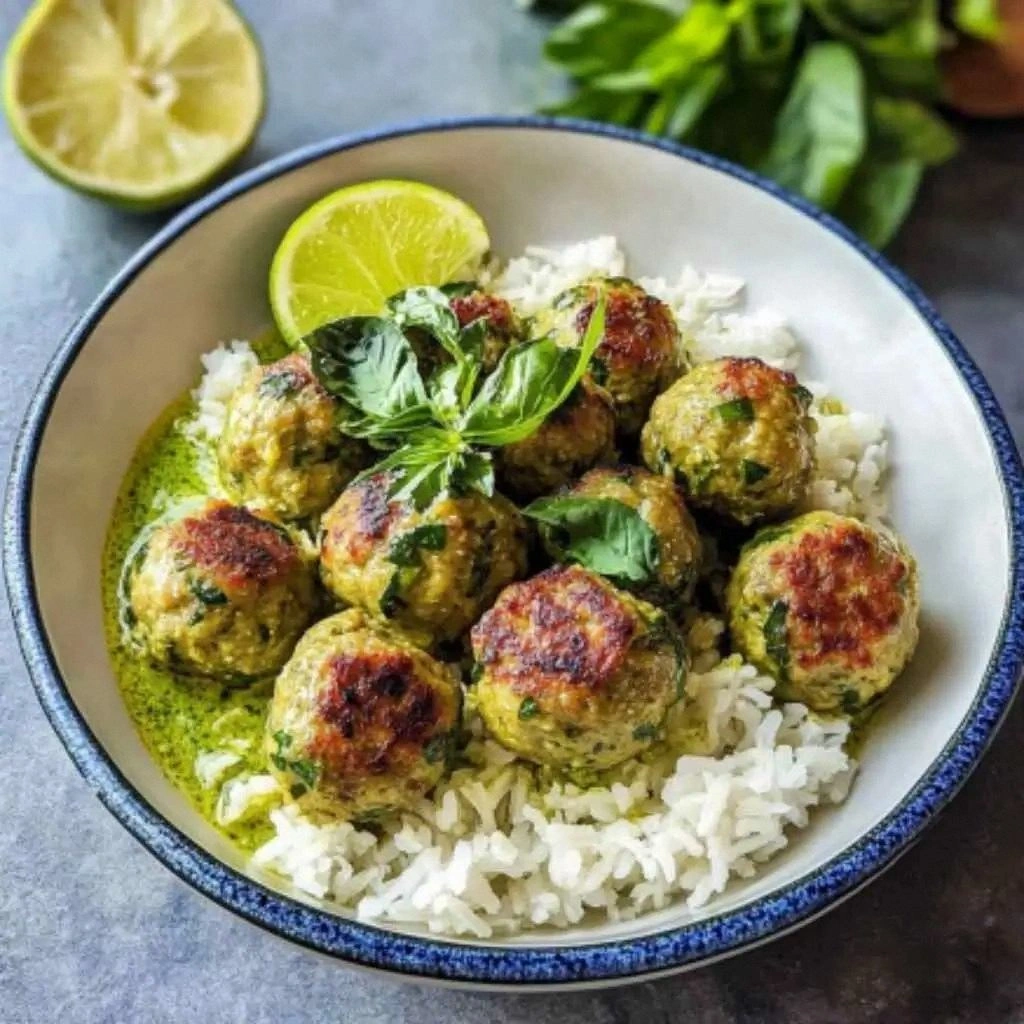
Picture this: a golden crust that cracks like brittle sugar under your teeth, revealing tender, juicy ground chicken seasoned with a secret blend of herbs and spices. The sauce clings to each meatball, coating them like a silky velvet that melts in your mouth. The bright green of the curry paste, the emerald hue of fresh basil, and the pop of red chilies create a visual feast that feels almost too vibrant for a dinner plate. I dare you to taste this and not go back for seconds; the flavors are so layered they’ll keep you coming back for more. This isn’t just a dish; it’s an experience that will have your taste buds dancing and your kitchen smelling like a Thai market on a sunny afternoon.
What sets this version apart is the meticulous balance between heat, sweetness, and acidity—each element plays a role that elevates the whole. The meatballs themselves are a revelation, thanks to the combination of ground chicken, panko, and a touch of flour that gives them a light, airy bite. The sauce’s depth comes from simmering coconut milk with a generous splash of fish sauce and a dash of palm sugar, creating a sweet‑savory harmony that’s hard to beat. And the finish? A splash of lime juice that brightens the dish, a handful of fresh basil that adds herbal brightness, and a sprinkle of toasted peanuts for a satisfying crunch. Every component is carefully orchestrated to create a dish that feels both exotic and comforting.
I’ve spent countless hours tweaking this recipe, and the result is hands down the best version you’ll ever make at home. The moment you plate it, the aroma alone will have your guests asking what’s on the menu. And if you’re still skeptical, remember that I ate half the batch before anyone else got a bite. That’s the power of this dish: it’s so irresistible that you’ll want to serve it to everyone you know. Let me walk you through every single step—by the end, you’ll wonder how you ever made it any other way.
What Makes This Version Stand Out
- Flavor Depth: The sauce is a symphony of sweet, salty, and spicy notes that dance on your palate.
- Texture Contrast: Crispy exterior meets tender, juicy interior, a bite that satisfies both senses.
- Ingredient Quality: Fresh herbs and premium coconut milk elevate the dish beyond the usual take‑out.
- Cooking Simplicity: Despite its complexity, the method is straightforward and beginner‑friendly.
- Make‑Ahead Friendly: The meatballs can be pre‑made and frozen, making this a perfect weeknight solution.
- Crowd‑Pleaser: The vibrant colors and bold flavors make it a hit at family dinners or dinner parties.
- Versatility: Swap chicken for pork or beef, or make it vegetarian with tofu for endless variations.
- Balanced Nutrition: A balanced ratio of protein, carbs, and healthy fats keeps you satisfied.
Alright, let's break down exactly what goes into this masterpiece...
Inside the Ingredient List
The Flavor Base
Green curry paste is the heart of this dish, delivering a punch of heat, citrus, and aromatic herbs. Freshly made paste offers a depth that store‑bought versions can’t match, but a good quality pre‑made paste works fine if you’re short on time. If you’re adventurous, add a splash of Thai fish sauce to amplify the umami. Skipping the paste turns this into a generic curry; it will still taste good, but it loses that signature green hue and complex profile.
Coconut milk is the creamy canvas that balances the fiery paste. Use a full‑fat variety for a richer mouthfeel, but light coconut milk keeps the dish lighter. If you prefer a thicker sauce, reduce the coconut milk by half and stir in a tablespoon of cornstarch slurry. The key is to let the sauce simmer gently to meld all the flavors together.
Fish sauce is the secret salty undertone that elevates the dish. It’s not just a seasoning; it’s a flavor enhancer that brings the entire sauce to life. If you’re vegan, replace fish sauce with soy sauce and a dash of seaweed extract for a similar depth. A pinch of sugar balances the acidity, but if you’re watching carbs, you can reduce it by a third.
The Texture Crew
Ground chicken provides a juicy base that absorbs the sauce’s flavors. For a leaner option, substitute ground turkey or pork. The panko breadcrumbs add crunch and help bind the meatballs, giving them a light, airy interior. If you prefer a gluten‑free version, use almond flour or crushed rice crackers.
Flour is the binder that keeps everything together during cooking. A small amount of all‑purpose flour ensures the meatballs hold their shape without becoming doughy. If you’re avoiding wheat, try a 1:1 ratio of chickpea flour for a nutty flavor.
Eggs act as the glue, binding the mixture and adding richness. For a vegan twist, replace the egg with a tablespoon of aquafaba or a flaxseed mixture. The result is a perfectly cohesive meatball that holds up in the sauce.
The Unexpected Star
Fresh basil and kaffir lime leaves are the aromatic finish that transforms the dish. The basil adds a sweet, slightly peppery note that cuts through the richness, while lime leaves provide a citrusy brightness that lingers. If you can’t find kaffir lime leaves, a squeeze of fresh lime juice will do the trick, though the aroma will differ slightly.
Peanuts, toasted and chopped, offer a surprising crunch and nutty flavor. They’re optional but recommended for that extra textural contrast. If you’re allergic, sprinkle toasted sesame seeds instead. The nuts also add a subtle sweetness that complements the curry’s heat.
The Final Flourish
Lime zest adds an intense citrus punch that brightens the dish without diluting the sauce. A teaspoon of lime zest is enough to elevate the overall profile. Garlic, ginger, and lemongrass are the backbone of the curry paste, providing depth and aroma. Mince them finely to release their essential oils fully.
Chili flakes give a final heat boost that can be adjusted to your preference. A teaspoon is sufficient for most, but if you love a fiery kick, increase to two teaspoons. Remember, the sauce will thicken as it simmers, so you want to keep the heat balanced.
Everything's prepped? Good. Let's get into the real action...
The Method — Step by Step
-
In a large mixing bowl, combine the ground chicken, panko, flour, salt, pepper, and egg. Toss until the mixture is cohesive, then cover and chill for 15 minutes to help the flavors meld. This step is crucial; if you skip the chill, the meatballs will fall apart when you form them. The mixture should feel firm enough to shape but still moist. Think of it as a dough that needs a brief rest to set.
-
While the meat mixture chills, prepare the sauce. In a saucepan, heat vegetable oil over medium heat. Add minced garlic, ginger, and lemongrass, sautéing until fragrant—about 30 seconds. The aroma should be unmistakably Thai, a scent that signals the sauce is ready for the next step. Stir in the green curry paste, cooking it for another minute to release its flavors.
-
Pour in the coconut milk, then stir in fish sauce, palm sugar, and chili flakes. Bring the mixture to a gentle simmer, allowing the flavors to marry. The sauce should thicken slightly and develop a glossy sheen. Taste at this point; adjust salt or sugar as needed to balance the profile. This is the moment of truth—your sauce should be both vibrant and harmonious.
-
Using a melon baller or spoon, form the chilled mixture into bite‑sized meatballs, about 1½ inches in diameter. Place them on a parchment‑lined tray. The size ensures they cook evenly and stay juicy inside. If you prefer larger meatballs, increase the size to 2 inches and adjust cooking time accordingly.
-
Heat a non‑stick skillet over medium‑high heat and add a splash of oil. Once hot, add the meatballs in batches, ensuring not to overcrowd the pan. Cook each side for 2–3 minutes until a golden crust forms. The edges should pull slightly away from the pan, indicating a crispy exterior. Flip carefully to avoid breaking the delicate crust.
-
Once all meatballs are browned, reduce the heat to low and add them to the simmering sauce. Stir gently to coat each meatball thoroughly. Cover the pan with a lid and let the meatballs simmer in the sauce for 10 minutes, allowing the flavors to penetrate. The sauce should thicken to a silky consistency. Watch the heat—if it’s too hot, the sauce may scorch.
-
Add sliced bell pepper, bamboo shoots, and carrots, then simmer for an additional 5 minutes. The vegetables should retain a slight crunch, adding contrast to the tender meatballs. Stir occasionally to prevent sticking. The aroma at this point is intoxicating, a blend of green, sweet, and savory notes.
-
Finish the dish by stirring in fresh basil leaves, lime zest, and a splash of lime juice. The basil should wilt slightly, releasing its fragrant oils. Taste and adjust seasoning—if it’s too thick, add a tablespoon of water; if too thin, let it reduce a bit more. The final dish should be glossy, aromatic, and ready to serve.
That's it — you did it. But hold on, I've got a few more tricks that'll take this to another level...
Insider Tricks for Flawless Results
The Temperature Rule Nobody Follows
Cooking the meatballs over medium‑high heat first and then reducing to low is the secret to a crisp exterior and a juicy interior. Many people skip the initial sear and end up with soggy meatballs that don’t hold up in the sauce. The high heat creates a Maillard reaction, giving that caramelized flavor that’s impossible to replicate otherwise. Remember, the sauce should simmer gently after the sear—too high and it will scorch.
Why Your Nose Knows Best
If the sauce smells slightly sweet, you’re on the right track. A hint of coconut milk aroma with a green undertone signals that the curry paste has fully blended. If it smells too pungent, it may be too much fish sauce or over‑cooked garlic. Trust your nose; it’s the most reliable quality control tool in the kitchen.
The 5-Minute Rest That Changes Everything
After simmering, let the dish rest for five minutes off the heat. This allows the flavors to settle and the sauce to thicken slightly, making the dish more cohesive. The meatballs absorb the sauce more fully during this rest, resulting in a richer bite. I’ve tried skipping this step, and the result was a dish that felt a bit thin.
The Secret to a Perfect Crunch
If you want an extra crunch, add a tablespoon of toasted sesame seeds to the sauce before serving. They’ll add a nutty flavor that complements the peanuts. Alternatively, sprinkle some fried shallots for a sweet, crispy finish. This small addition elevates the dish from good to unforgettable.
How to Make It Vegan
Swap ground chicken for finely chopped tofu or tempeh, and use a vegan fish sauce alternative. Replace the egg with a flaxseed mixture or aquafaba. The texture will change slightly, but the sauce’s flavor will still dominate. I’ve made this version for friends who are plant‑based, and they still call it “the best Thai curry ever.”
Creative Twists and Variations
This recipe is a playground. Here are some of my favorite ways to switch things up:
Spicy Peanut Twist
Add a tablespoon of peanut butter to the sauce for a creamy, nutty depth. The peanut butter also thickens the sauce slightly, giving it a luscious texture. Serve with crushed peanuts on top for an extra crunch. This variation is perfect for those who love a bit of extra heat and richness.
Mango Tango
Stir in diced ripe mango during the last five minutes of simmering. The mango’s natural sweetness balances the heat and adds a tropical flair. This version is ideal for summer gatherings and pairs beautifully with a chilled cucumber salad.
Coconut Lime Surprise
Replace half of the coconut milk with coconut water for a lighter sauce. Add an extra lime zest and a splash of lime juice to amplify the citrus notes. The result is a bright, refreshing dish that feels like a beach vacation in a bowl.
Red Curry Reimagined
Swap the green curry paste for red curry paste for a deeper, slightly sweeter flavor profile. The color change is dramatic, but the method remains the same. This version works well with beef or shrimp instead of chicken for a different protein experience.
Vegetarian Delight
Use a mixture of finely chopped mushrooms, tofu, and chickpeas as the base for the meatballs. The mushrooms add umami while the chickpeas provide protein. The dish becomes hearty and satisfying, and the sauce still coats everything beautifully.
Storing and Bringing It Back to Life
Fridge Storage
Store leftovers in an airtight container in the refrigerator for up to 3 days. The sauce will thicken slightly as it cools, so reheat gently to bring it back to a silky consistency. A splash of coconut milk or a tablespoon of water before reheating restores the original texture.
Freezer Friendly
Freeze the cooked meatballs and sauce separately in freezer‑safe containers. They’ll keep for up to 2 months. When ready to eat, thaw overnight in the refrigerator and reheat on the stovetop, adding a bit of coconut milk to revive the sauce. The flavors remain robust, and the texture stays intact.
Best Reheating Method
The best way to reheat is on the stovetop over low heat, stirring occasionally. Add a splash of water or coconut milk to prevent the sauce from drying out. Let it simmer for 5 minutes, then taste and adjust seasoning if needed. This method preserves the dish’s original vibrancy and ensures a silky sauce.