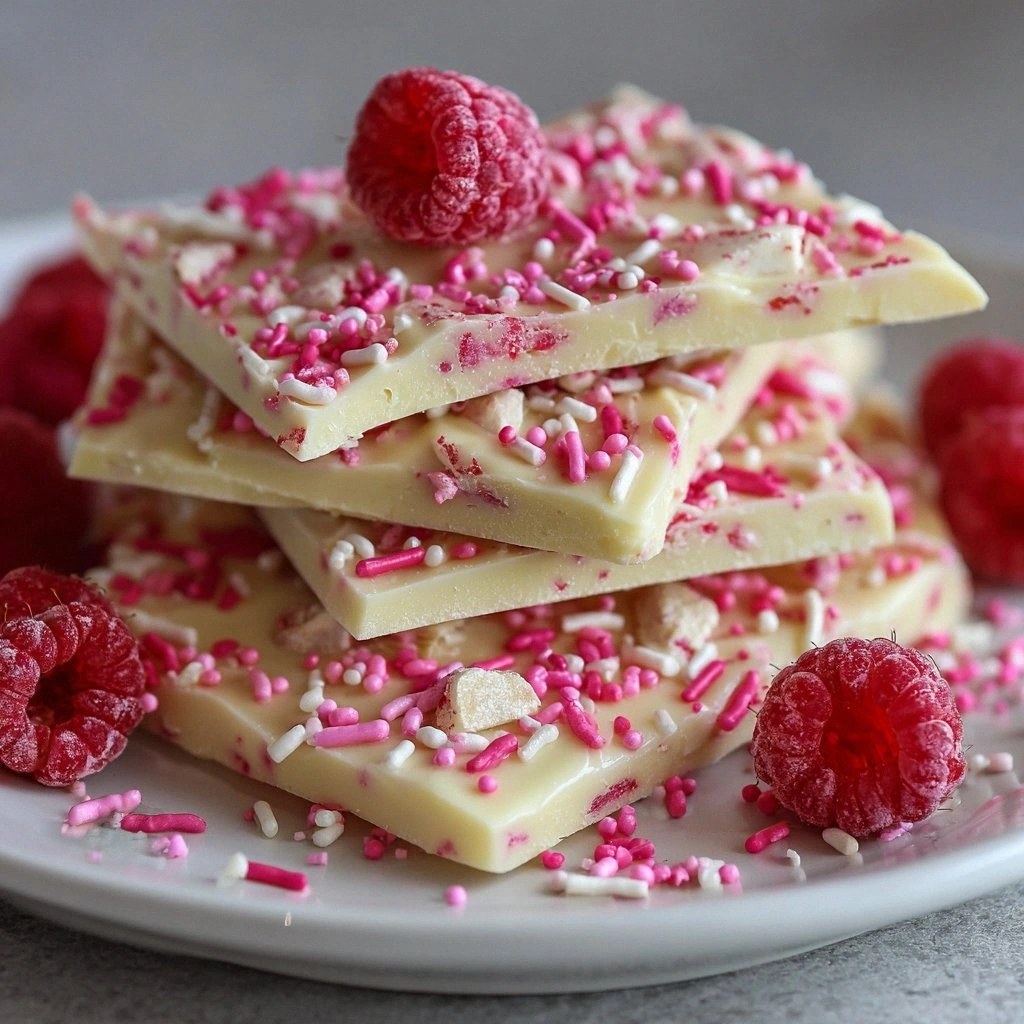
It began on a rainy Thursday when the kitchen lights flickered and my attempt at a simple chocolate bark turned into a sticky catastrophe. I had melted white chocolate in a bowl, added a splash of raspberry extract, and the mixture started to bubble like a cauldron. The aroma of warm chocolate and tart berries filled the air, and I realized I was on the brink of something unforgettable. That moment, soaked in steam and anticipation, became the spark that birthed Valentine’s Pink White Chocola.
Imagine the silky sheen of melted white chocolate, the faint citrusy perfume of raspberry, and the gentle pop of sprinkles as they settle into a glossy base. The kitchen hums with the rhythmic clink of spoons, and the texture feels like velvet against your tongue. You can almost taste the first bite: sweet, tart, and a touch of salt that lifts every flavor. It’s a sensory journey that starts with a single drop of color and ends with a ribbon of joy.
This version outshines every other bark recipe because it balances indulgence with a playful twist. The pink hue is achieved with only a couple of drops of food coloring, keeping the flavor pure while adding visual drama. Dried raspberries give a chewy burst that contrasts the smooth chocolate, while sprinkles add a crunchy, festive flair. Sea salt, just a pinch, unlocks the chocolate’s richness and balances the sweetness. The result is a bark that feels like a celebration in every bite.
What sets this recipe apart is not just the ingredients, but the technique that preserves their integrity. The chocolate is melted gently, preventing seizing; the extracts are folded in just before the chocolate cools, ensuring the aroma stays vivid. The bark is poured onto parchment and chilled until set, then broken into pieces that snap like crisp paper. It’s a simple process with a big payoff.
Let me walk you through every single step — by the end, you'll wonder how you ever made it any other way.
What Makes This Version Stand Out
- Flavor: The combination of white chocolate, raspberry extract, and a pinch of sea salt creates a balanced sweet-tart profile that is both sophisticated and approachable.
- Texture: The chewy dried raspberries and crunchy sprinkles provide layers of mouthfeel that keep each bite interesting.
- Visual Appeal: A subtle pink hue transforms ordinary chocolate bark into a festive centerpiece that feels like a celebration.
- Ease: The recipe requires only a few ingredients and a single pan, making it accessible for beginners and seasoned bakers alike.
- Make‑Ahead: Once set, the bark can be stored for weeks, making it a perfect pre‑planned dessert for special occasions.
- Ingredient Quality: Using high‑grade white chocolate ensures a creamy finish, while fresh extracts keep the flavor bright.
- Versatility: Swap the raspberry extract for strawberry or almond to create different flavor profiles without altering the base.
- Kid‑Friendly: The colorful sprinkles and fun shape make it a hit with children, turning dessert time into a playful event.
Alright, let's break down exactly what goes into this masterpiece...
Inside the Ingredient List
The Flavor Base
White chocolate is the heart of this bark; it provides a creamy, buttery foundation that melts beautifully. Choosing a brand with at least 30% cocoa butter ensures a smooth mouthfeel and prevents the bark from becoming too hard. If you skip this step, the bark will lack depth and melt too quickly, ruining the texture.
Raspberry extract adds a bright, tart punch that cuts through the sweetness. It’s a concentrated flavor, so a teaspoon is enough to give the bark its signature zing. If you prefer a sweeter profile, you can swap it for strawberry extract, which delivers a milder fruitiness.
Pink food coloring is optional but essential for the visual drama. Just a couple of drops will give the bark that charming blush without altering the taste. Too much color can make the bark look artificial, so test a small batch first.
The Texture Crew
Sprinkles are the playful garnish that adds both crunch and color. They create a festive look that feels like a celebration in every bite. If you’re avoiding artificial colors, look for natural color sprinkles or use crushed edible flowers.
Dried raspberries bring chewiness and a burst of natural tartness. Their dried state concentrates the flavor, so a half cup is plenty to give the bark a lively texture. If you can’t find dried raspberries, fresh ones can be chopped and added, but they may release moisture.
Sea salt is the secret ingredient that balances the sweetness. A pinch is enough to elevate the chocolate’s flavor profile. If you prefer a milder taste, use a light sea salt or even a salt-free alternative.
The Unexpected Star
Strawberry extract is an optional swap that gives a sweeter, more approachable flavor. Use it in place of raspberry for a classic fruit note that appeals to all ages. Keep the same quantity—one teaspoon—to maintain the balance.
Almond extract adds a nutty depth that pairs wonderfully with the chocolate. It’s especially effective for those who love a subtle nutty undertone. Use a teaspoon; too much can overwhelm the delicate chocolate.
The Final Flourish
All ingredients work together to create a bark that is sweet, tart, crunchy, and visually stunning. Each component adds a layer of complexity, making this recipe more than just a dessert—it’s an experience. If you skip any of these, the bark will feel incomplete.
Everything's prepped? Good. Let's get into the real action...
The Method — Step by Step
- Gather all ingredients on a clean surface; set a silicone mat or parchment paper on a tray. The preparation area should be clutter‑free to avoid accidental spills. A well‑organized space keeps the process smooth and reduces kitchen chaos.
- Set up a double boiler by placing a heat‑proof bowl over a pot of simmering water. Make sure the bottom of the bowl doesn’t touch the water to prevent scorching. This gentle heat keeps the chocolate from seizing.
- Add the 12 oz white chocolate to the bowl and stir until fully melted. Watch the chocolate’s sheen; it should become a glossy, liquid gold. The chocolate should not bubble excessively—if it does, reduce the heat.
- Stir in 1 tsp raspberry extract and a couple of drops of pink food coloring. Blend until the color is even; the mixture should look like a soft pink lake. This is the moment where the aroma of berries begins to dance.
- Fold in 0.5 cup sprinkles and 0.5 cup dried raspberries. The chocolate should coat each piece, creating a glossy coating. This step adds crunch and chewiness to the final product.
- Gently sprinkle a pinch of sea salt over the mixture; the salt should be evenly distributed. The salt will elevate the chocolate’s sweetness and add a subtle contrast.
- Pour the mixture onto the prepared parchment, spreading it to a thickness of about 0.5 inches. The bark should be uniform so it cracks evenly later.
- Place the tray in the refrigerator for 30 minutes, or until the bark is firm enough to lift from the parchment. The bark should feel solid but still slightly pliable.
- Remove from the fridge, lift from the parchment, and break the bark into irregular pieces. The pieces should crack cleanly, revealing the glossy interior.
- Store the pieces in an airtight container at room temperature for up to a week, or freeze for longer storage. Keep them away from strong odors to preserve the delicate flavor.
That's it — you did it. But hold on, I've got a few more tricks that'll take this to another level...
Insider Tricks for Flawless Results
The Temperature Rule Nobody Follows
Chocolate melts best between 86°F and 92°F. Use a kitchen thermometer to monitor the temperature; this prevents scorching and ensures a silky finish. If the chocolate is too hot, it becomes runny and loses its snap.
Why Your Nose Knows Best
Smell the chocolate before adding extracts; a fresh, sweet aroma signals that the chocolate is at the right stage. A musty scent indicates the chocolate has cooled too much and may seize when heated again.
The 5‑Minute Rest That Changes Everything
Let the chocolate rest for five minutes after melting. This brief pause allows the cocoa butter to settle, creating a smoother texture. Skipping this step can lead to a grainy finish.
Sprinkle Placement Perfection
Spread sprinkles evenly before pouring the chocolate. This ensures each piece has a uniform crunch. If you add sprinkles later, they may sink to the bottom, creating uneven textures.
Freezing Without Freezer Burn
Wrap the bark in parchment before freezing. This double layer prevents freezer burn and keeps the bark from absorbing other odors. When ready to serve, let it sit at room temperature for a few minutes.
Serving Suggestion
Serve the bark with a splash of heavy cream on the side. The cream melts into the bark, creating a luscious, chocolatey sauce. This elevates the experience from simple snack to indulgent dessert.
Creative Twists and Variations
This recipe is a playground. Here are some of my favorite ways to switch things up:
Berry Bliss Variation
Swap the raspberry extract for mixed berry puree and add fresh blueberries for a burst of juiciness. The puree adds moisture, so reduce the amount of chocolate slightly to maintain firmness. This version feels like a summer picnic in a bite.
Nutty Delight
Replace the white chocolate with a blend of milk and dark chocolate, then stir in toasted almonds for added texture. The dark chocolate provides depth, while the almonds add a satisfying crunch. It’s a sophisticated twist that adults will love.
Caramel Swirl
Drizzle caramel sauce over the melted chocolate before it sets, then swirl with a toothpick. The caramel adds a buttery sweetness that pairs beautifully with the tart raspberries. The swirl pattern makes each piece a work of art.
Spiced Surprise
Introduce a pinch of cinnamon or cayenne pepper into the chocolate mixture. The spice adds warmth and a subtle kick that balances the sweetness. This version is perfect for those who enjoy a little heat.
Minty Fresh
Replace the raspberry extract with peppermint extract and add crushed mint candies for a refreshing finish. The mint gives the bark a cool, crisp flavor that’s ideal for hot summer days. The green sprinkles will make the bark look like a minty mint candy.
Chocolate Covered Fruit
Dip fresh strawberries into the melted chocolate, then sprinkle with sea salt and let them set on parchment. This creates a portable, bite‑size treat that’s both sweet and savory. It’s a fun way to incorporate fresh fruit.
Vegan Vibes
Use dairy‑free white chocolate and coconut milk instead of water for a vegan version. The coconut milk adds a subtle tropical note that complements the berries. This variation keeps the bark creamy and delicious without dairy.
Storing and Bringing It Back to Life
Fridge Storage
Place the bark in an airtight container at room temperature for up to one week. The airtight seal prevents the bark from absorbing odors from other foods. Check the bark daily for any signs of moisture buildup.
Freezer Friendly
Wrap the bark in parchment paper, then place it in a freezer bag. Freeze for up to three months. The parchment prevents the bark from sticking together, making it easy to portion later.
Best Reheating Method
To revive the bark, gently warm a few pieces in a microwave for 10 seconds, or place them in a warm oven at 200°F for a minute. Add a tiny splash of water before reheating to create steam and restore the bark’s silky texture. Let them cool slightly before breaking into pieces.