It started with a kitchen catastrophe that still haunts my pantry: a batch of lemon meringue pies that collapsed into a sticky, lumpy mess the moment I tried to set them on a cooling rack. I stared at the ruined crumbs, realizing I’d never again trust the classic recipe. That night, I swore to create something that would make even the most skeptical of taste buds shout, “I dare you to taste this and not go back for seconds.”
Picture a bowl of bright citrus, a silky coconut base, and a cloud of airy meringue that rises like a sunrise over a calm sea. The aroma is an electric burst of citrus that makes the air feel charged, like a summer breeze that just found its rhythm. As you stir, the liquid thickens, a glossy sheen forming that promises a silky mouthfeel. When you finally pour the mixture into tiny glasses, you can almost hear the gentle sigh of anticipation from your guests, a sound that precedes the first bite.
What makes this version stand out is that it eliminates the need for a kitchen timer and an oven, yet delivers a finish that feels like a showstopper. The coconut milk acts as a natural binder, creating a custard that stays firm without the heaviness of dairy. The lemon juice is fresh-squeezed, not bottled, giving the dish a punch that cuts through the sweetness of the meringue. And the final flourish of edible flowers? It adds a pop of color that turns a dessert into an edible piece of art.
And there’s a twist you won’t expect: a subtle hint of toasted coconut flakes that gives the possets a nutty undertone, a secret that elevates the flavor profile from “just lemon” to “lemon with a memory of tropical breezes.” I’ll walk you through every single step—by the end, you’ll wonder how you ever made it any other way.
What Makes This Version Stand Out
- Texture: The use of cornstarch creates a silky, almost velvety custard that sets like a fine marble slab, yet remains airy enough to melt on your tongue.
- Flavor: Freshly squeezed lemon juice delivers a bright, uncompromised citrus punch that cuts through the richness of the coconut.
- Ease: No oven, no whisking for hours—just a few minutes on the stovetop and a gentle cooling period.
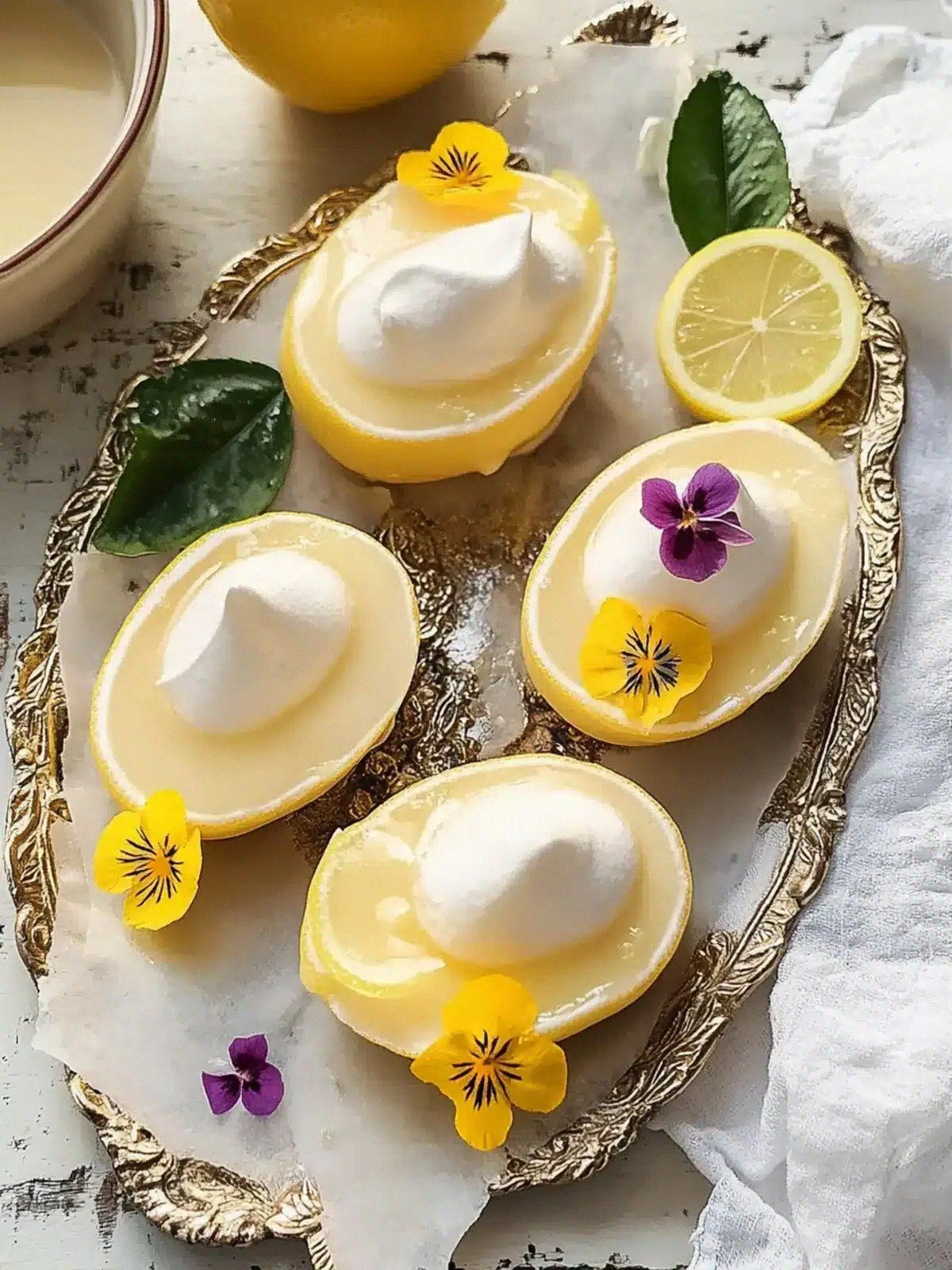
- Visual Appeal: The contrast of pale lemon custard, white meringue, and a splash of edible flowers creates a dessert that looks as good as it tastes.
- Make‑Ahead: Set them in the fridge for up to 48 hours; they’re still fresh and vibrant, perfect for last‑minute gatherings.
- All‑Vegetarian: Completely dairy‑free and vegan, thanks to coconut milk and plant‑based meringue.
- Scalability: The recipe scales perfectly—just double or halve the quantities for a crowd or a solo treat.
Alright, let’s break down exactly what goes into this masterpiece…
Inside the Ingredient List
The Flavor Base
Freshly squeezed lemon juice is the star that provides a vibrant, natural acidity. It balances the sweetness of the coconut milk and the meringue, giving the possets a lively, zesty finish. If you skip the fresh juice and use bottled, you’ll lose that bright, clean flavor and end up with a flat, syrupy taste that can’t excite the palate.
The Texture Crew
Cornstarch is the secret to that silky custard that sets like a smooth stone. It thickens the coconut milk without adding heaviness, ensuring the possets have a light, airy feel. A small pinch of salt can enhance the overall flavor, but it’s optional if you prefer a cleaner profile.
The Unexpected Star
Vegan condensed coconut milk is the backbone of this recipe. It adds a subtle coconut sweetness that pairs beautifully with lemon, while also acting as a natural stabilizer. If you prefer a less pronounced coconut flavor, you can replace it with unsweetened almond milk, but the texture may shift slightly.
The Final Flourish
Edible flowers and herbs not only provide a pop of color, but also a hint of floral or herbal nuance that elevates the dessert from simple to extraordinary. A pinch of crushed mint or a few lavender buds can add a refreshing undertone that keeps the lemon from feeling overpowering.
Everything's prepped? Good. Let's get into the real action…
The Method — Step by Step
- Begin by whisking the cornstarch into the coconut milk until there are no lumps. This step ensures a smooth base that will set perfectly. Keep the mixture at a low simmer, stirring constantly so it doesn’t scorch on the bottom. The goal is to thicken it just enough to hold its shape when poured. When it reaches a pudding‑like consistency, remove from heat.
- Add the freshly squeezed lemon juice to the thickened coconut mixture. Stir slowly; the acidity will cause a slight bubbling reaction, but don’t worry—this is normal. Let it sit for a minute to allow the flavors to meld. The mixture should smell bright and citrusy, like a fresh garden on a sunny day.
- Whisk the sugar into the lemon‑coconut blend until fully dissolved. The sugar not only sweetens but also helps stabilize the meringue. Taste the custard; it should be a balanced sweet‑tart that invites you to keep going. If it feels too tart, add a tiny splash more sugar—just enough to round it out.
- Fold in the meringue carefully. Start by whisking the egg whites into a clean bowl until they form soft peaks, then gradually fold them into the custard. The key is to incorporate air without deflating the meringue. When the mixture becomes glossy and holds a slight sheen, you’re ready to pour.
- Line a muffin tin or a small glass dish with parchment paper or silicone cups. Spoon the custard into each cup, filling about ¾ full. The custard will sink slightly as it cools, creating a neat, uniform shape. If you’re using a glass dish, you can pour directly into individual serving glasses for a more elegant presentation.
- Refrigerate the filled cups for at least 30 minutes, or until the custard sets firmly. The texture should feel like a firm gel that cracks when you press it with a finger. This resting period is essential for the flavors to meld and the custard to achieve that perfect bite‑through consistency.
- While the possets are setting, prepare the meringue topping. In a clean bowl, beat the egg whites with a pinch of cream of tartar until stiff peaks form. Gradually add the remaining sugar, whisking until glossy and shiny. The meringue should be thick enough to hold its shape when piped or spooned onto the custard.
- Spoon a generous dollop of meringue onto each chilled posset. The meringue should sit on top like a fluffy cloud, slightly domed. Use a small spoon or a piping bag for a neat finish. The contrast between the creamy custard and the airy meringue is a visual and textural delight.
- Finish with a drizzle of toasted coconut flakes and a scattering of edible flowers. The coconut adds a nutty crunch that cuts through the sweetness, while the flowers provide a burst of color and a delicate aroma. Let the possets sit for another 10 minutes to allow the meringue to set slightly, then serve immediately or keep refrigerated until ready to enjoy.
That's it — you did it. But hold on, I've got a few more tricks that'll take this to another level…
Insider Tricks for Flawless Results
The Temperature Rule Nobody Follows
Always use a low, steady heat when thickening the coconut milk. A gentle simmer prevents scorching and ensures a uniform texture. If you’re using a double boiler, the indirect heat is perfect for maintaining that delicate balance.
Why Your Nose Knows Best
Smell the custard as it thickens; a bright citrus aroma signals that the lemon juice has integrated fully. If the scent feels flat, let it sit a few minutes longer to allow the flavors to meld. Your nose is a reliable guide to flavor harmony.
The 5‑Minute Rest That Changes Everything
After pouring the custard, let it sit at room temperature for 5 minutes before refrigerating. This short rest prevents the custard from forming a skin and ensures a smooth, even surface once chilled.
Meringue Mastery
When whipping the egg whites, add the cream of tartar right at the start; it stabilizes the peaks and helps the meringue hold its shape longer. A friend once tried skipping the cream of tartar, and the meringue collapsed during the final plating.
Edible Flower Placement
Place the flowers on the meringue while it’s still soft; they’ll hold their shape better than if you wait until the meringue is fully set. The delicate petals add a subtle aroma that complements the citrus notes.
The Final Touch: Toasted Coconut
Toast the coconut flakes in a dry skillet over medium heat until golden brown and fragrant. This step unlocks the coconut’s natural oils, giving the possets a nutty depth that balances the citrus brightness.
Creative Twists and Variations
Mint‑Infused Lemon Possets
Add a handful of fresh mint leaves to the custard before setting. The mint adds a cooling, herbal note that pairs wonderfully with the citrus. Guests will love the refreshing finish.
Lavender‑Lemon Fusion
Stir a teaspoon of culinary lavender buds into the coconut base. The floral undertone gives the possets an elegant, aromatic twist that’s perfect for brunches or afternoon teas.
Citrus Medley
Replace half of the lemon juice with orange or grapefruit juice for a sweeter, more complex citrus profile. The bright, slightly bitter notes from grapefruit add a sophisticated edge.
Chocolate‑Dipped Delight
Dip the finished possets in melted dark chocolate for a decadent twist. The chocolate’s bittersweetness balances the sweetness of the meringue and the tang of lemon.
Spiced Coconut Variation
Add a pinch of ground ginger or cinnamon to the custard for a warm, spicy undertone. This variation is especially delightful during cooler months when you crave a comforting, aromatic dessert.
Berry‑Burst Possets
Top the meringue with a spoonful of fresh berries or a berry compote. The juicy burst of fruit adds texture and a pop of color that makes the dessert feel even more indulgent.
Storing and Bringing It Back to Life
Fridge Storage
Store the possets in an airtight container in the refrigerator for up to 48 hours. Keep them away from strong odors, as the coconut base can absorb flavors. Before serving, let them sit at room temperature for about 10 minutes to soften slightly.
Freezer Friendly
To freeze, wrap each posset individually in plastic wrap and place them in a freezer bag. They’ll stay good for up to a week. Thaw overnight in the fridge and let them sit at room temperature for 15 minutes before serving.
Best Reheating Method
Reheating is not necessary, but if you prefer a warm version, gently warm the possets in a microwave on low power for 10–15 seconds. Add a tiny splash of water before reheating to keep the custard from drying out. The result is a creamy, slightly warm treat that’s still delightfully airy.