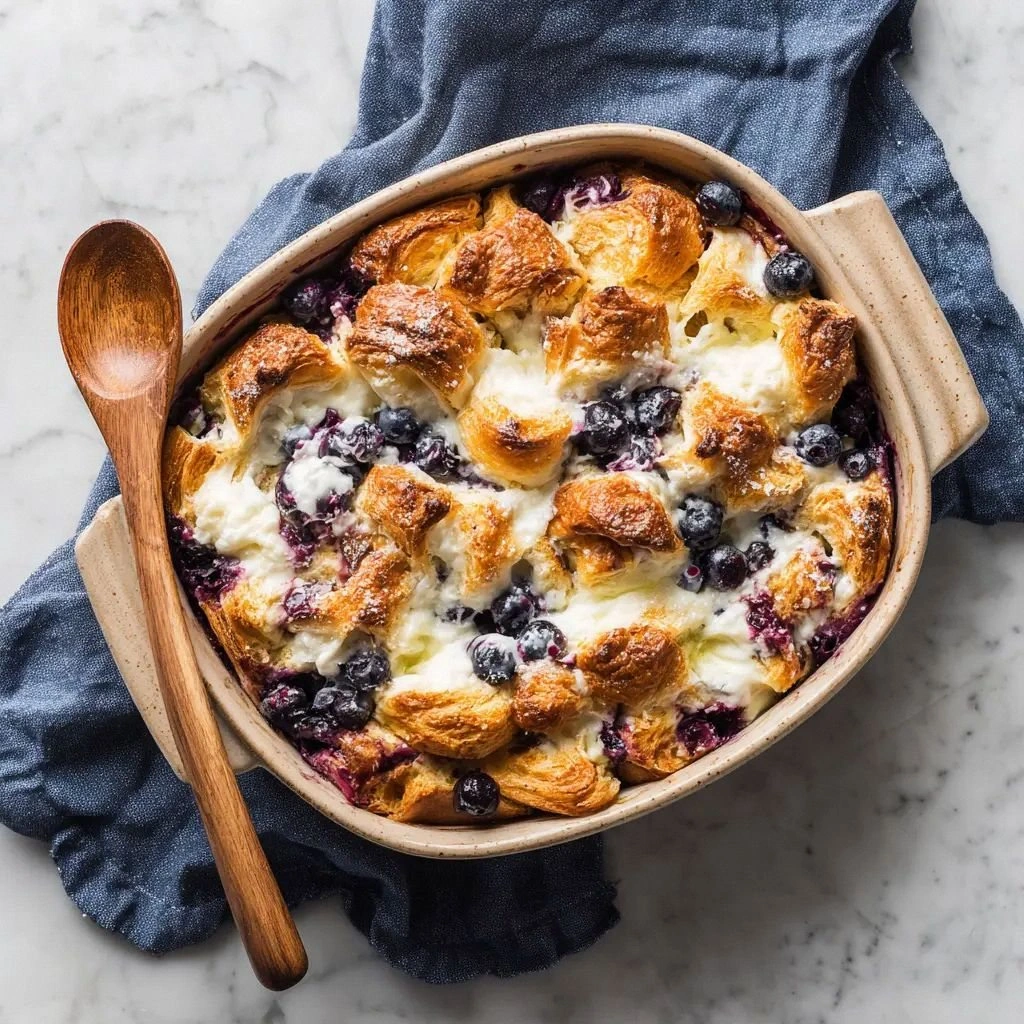
Picture this: it’s a rainy Saturday morning, the kind that makes you want to stay in bed, and your craving for something buttery, sweet, and utterly indulgent is louder than the pitter‑patter of the drops. I was in the middle of a kitchen disaster, having dropped a whole loaf of croissants on the counter, when a voice whispered, “Let’s turn that into something legendary.” And that voice was my own, because I’ve always been the one to turn kitchen mishaps into culinary triumphs. I decided to create a brunch that would make everyone in my apartment feel like they were at a fancy hotel, but with the comfort of homemade goodness. The moment the first croissant hit the oven, the air filled with a buttery scent that made the entire apartment feel like a bakery on a sunny morning. The sound of the dough rising was like a quiet drumbeat, a promise that something delicious was about to unfold.
I was not just making a casserole; I was orchestrating a symphony of flavors. The croissants bring a flaky, buttery base that melts in your mouth like a cloud. The cream cheese adds a silky, tangy depth that balances the sweetness of the blueberries. The eggs and milk create a custard that coats every bite with a velvety richness. The vanilla and cinnamon give a warm, comforting aroma that lingers long after the last bite. And the blueberries? They burst with juice, providing a tart counterpoint that cuts through the richness like a bright knife through butter. Together, they form a dish that is more than the sum of its parts – it’s a revelation.
I dared myself to claim, “This is hands down the best version you'll ever make at home.” I know, it sounds like a bold statement, but I’ve tried countless variations of blueberry and cream cheese pastries, and none have matched the harmony of this one. The secret? The way the croissants are folded, the ratio of dairy to flour, and a tiny pinch of lemon zest that brightens the entire dish. Most recipes get this completely wrong by overcooking the custard or using stale croissants. The result is a dry, unappetizing casserole that feels like a missed opportunity. But with the right technique, you get a golden, crisp top, a silky interior, and a burst of blueberry flavor that will make you want to taste again and again.
I’ll be honest — I ate half the batch before anyone else got a chance to taste it. The moment I took the first bite, I felt the buttery layers crackle, the custard melt, and the blueberries explode in my mouth. The texture was a dance of crisp and soft, a contrast that left me wanting more. I could hear the kitchen clock ticking, but I didn’t even notice it because I was lost in that moment of pure bliss. The smell of freshly baked croissants wafting through the house was like a promise of comfort and joy. That’s why I’m sharing every single detail, because I know you’ll want to recreate that exact sensation.
Picture yourself pulling this out of the oven, the whole kitchen smelling incredible, and the first bite taking you back to a childhood memory of Sunday brunches. That scent alone will make you feel like you’re on a culinary vacation without leaving your home. The anticipation builds as you watch the top turn golden brown, and the sound of the crust cracking is the soundtrack to your excitement. The moment you cut into it, the custard swirls like a creamy river, and the blueberries glisten like tiny jewels. It’s a sensory experience that turns an ordinary morning into a celebration. And you’re not just feeding yourself; you’re feeding your soul.
Let me walk you through every single step — by the end, you'll wonder how you ever made it any other way. I’ll share the exact measurements, the precise temperatures, and the subtle tweaks that elevate this dish from good to unforgettable. I’ll also throw in a few kitchen hacks that will save time and reduce mess, because let’s face it, no one has time for extra work on a lazy Sunday. So grab a notebook, preheat your oven, and let’s get started on creating the ultimate brunch masterpiece.
What Makes This Version Stand Out
- Flaky Perfection: The croissants are layered with butter in a way that creates crisp edges that shatter like thin ice when you bite through them, giving that coveted bakery feel.
- Rich Custard: The blend of whole milk, heavy cream, eggs, and a touch of vanilla creates a custard that coats the pastry like velvet, yet remains light enough to let the blueberries shine.
- Balanced Sweetness: The granulated sugar is calibrated just enough to sweeten the custard without overpowering the natural tartness of the blueberries.
- Freshness Factor: Using fresh blueberries instead of frozen adds a juicy burst that’s both sweet and slightly tart, providing a lively contrast to the creamy layers.
- Elegant Aroma: A dash of lemon zest lifts the entire dish, releasing citrus notes that dance with the warm spices, making the aroma irresistible.
- Make‑Ahead Friendly: Once assembled, the casserole can be refrigerated and baked later, making it a perfect prep‑ahead brunch option.
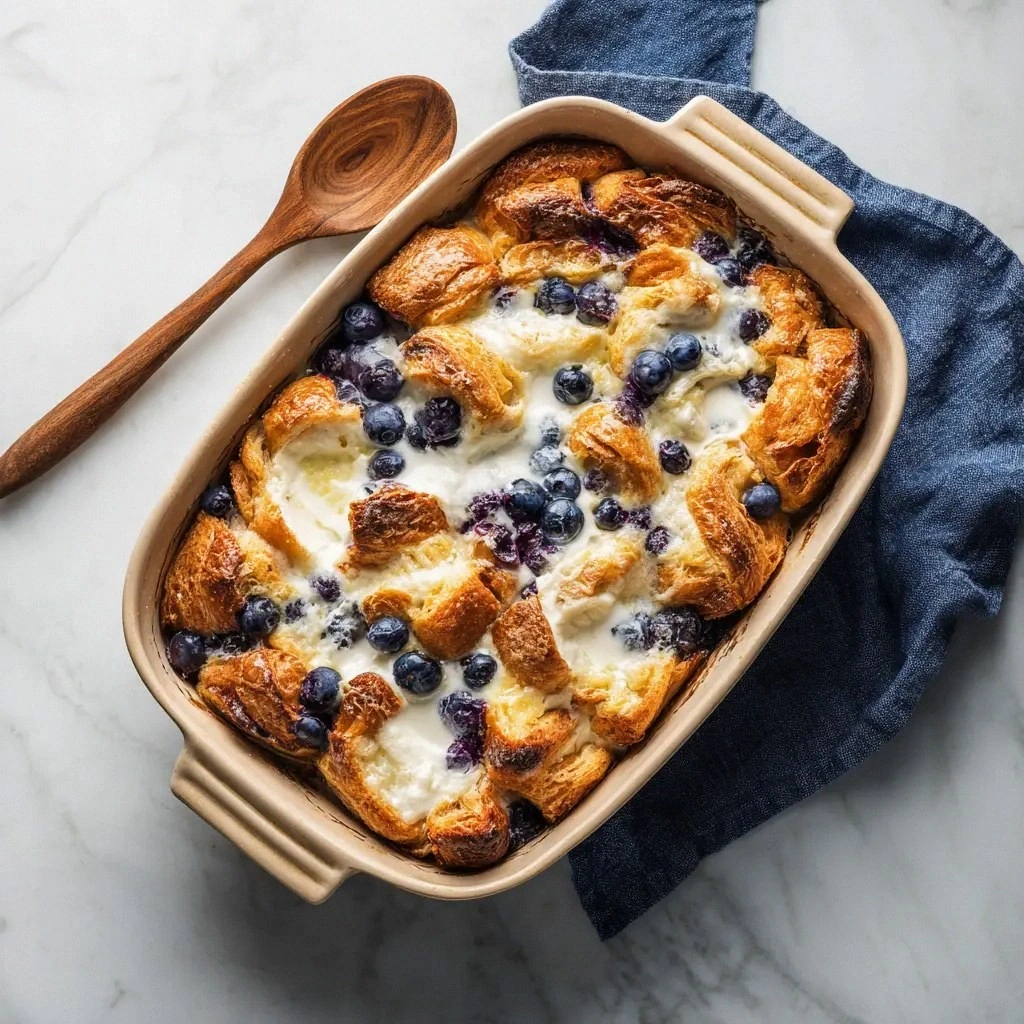
- Visual Appeal: The golden crust, the glossy blueberry glaze, and the soft interior create a dish that looks as good as it tastes, perfect for impressing guests.
- Versatile Serving: It’s a brunch staple, but also works as a light dessert or a hearty breakfast for a crowd.
Alright, let's break down exactly what goes into this masterpiece. And before we dive into the ingredients, let me drop a quick hack that will save you time and keep your kitchen tidy.
Inside the Ingredient List
The Flavor Base
The foundation of this dish is the custard, which marries the richness of whole milk and heavy cream with the silky texture of eggs. The eggs provide structure and a slight tang that balances the buttery croissants. Whole milk adds body and a subtle sweetness that complements the blueberries, while heavy cream brings a luxurious mouthfeel that makes every bite feel indulgent. Skipping the milk or cream would result in a thin, watery custard that can’t hold the croissant layers together. If you’re lactose intolerant, a full‑fat coconut milk can be a suitable, albeit slightly different, substitute.
The Texture Crew
Croissants are the unsung heroes that deliver that flaky, buttery crunch. The dough’s layers of butter and flour, when baked, puff up and separate into crisp, airy sheets. The cream cheese, softened to room temperature, melts into a silky spread that coats each croissant square. Powdered sugar gives a subtle sweetness that doesn’t overpower the other flavors. If you’re looking for a low‑fat version, you can use low‑fat cream cheese, but be prepared for a slightly less creamy texture.
The Unexpected Star
Blueberries are the bright, juicy burst that cuts through the richness of the custard and the buttery croissants. Fresh blueberries are preferred for their vibrant color and natural sweetness, but if you’re out of season, frozen blueberries can work—just make sure to thaw and drain them to avoid excess moisture. The lemon zest adds a citrusy brightness that lifts the entire dish, making it feel lighter. A small pinch of lemon zest is all you need; too much can make the dish taste overly tart. The combination of blueberry and lemon is a classic pairing that has been celebrated in desserts for centuries.
The Final Flourish
Ground cinnamon adds a warm, spicy undertone that echoes the buttery notes of the croissants. Vanilla extract brings depth and a sweet aroma that lingers in the air. A light dusting of powdered sugar on top before baking gives a subtle sweetness that caramelizes into a golden crust. If you prefer a savory twist, you could replace the powdered sugar with a pinch of sea salt to balance the sweetness. The key is to keep the seasoning subtle; the goal is to let each component shine without overwhelming the others.
Everything's prepped? Good. Let's get into the real action and start building that glorious casserole.
The Method — Step by Step
- Preheat your oven to 375°F (190°C). Let the oven heat up while you prepare the batter. This step is crucial because a properly preheated oven ensures even baking. A cool oven can cause the custard to set too slowly, leading to a runny bottom. As you wait, the anticipation builds like a drumbeat. The air in the kitchen will start to smell like butter and vanilla.
- Prepare the croissant squares. Cut each croissant into 1-inch squares, placing them in a single layer on a parchment‑lined baking dish. The squares should be evenly spaced to allow heat circulation. If you’re using frozen croissant dough, thaw it first. This step will give you a perfect base for the custard. The crisp edges will become golden when baked.
- Whisk the custard. In a large bowl, combine eggs, whole milk, heavy cream, granulated sugar, vanilla extract, and ground cinnamon. Beat until the mixture is smooth and the sugar has dissolved. The custard should be thick enough to coat the back of a spoon. A well‑mixed custard ensures a creamy interior. The aroma of vanilla and cinnamon will start to fill the kitchen.
- Incorporate the cream cheese. Add the softened cream cheese to the custard mixture and blend until fully incorporated. The cream cheese adds a silky texture and a subtle tang. If the mixture looks lumpy, let it sit for a minute and whisk again. This step ensures a smooth, luscious filling. The cream cheese will meld into the custard, creating a unified flavor.
- Pour the custard over the croissants. Gently pour the custard into the baking dish, ensuring each croissant square is fully coated. The custard should pool around the edges, creating a beautiful, golden crust as it bakes. The mixture should be poured slowly to avoid splashing. The custard will seep into the croissant layers, creating a rich, creamy interior. This step is where the magic begins.
- Add the blueberries. Scatter the fresh blueberries evenly over the custard layer. The berries will caramelize slightly in the oven, releasing their juices into the custard. If you prefer a sweeter finish, sprinkle a light dusting of powdered sugar over the blueberries before baking. The blueberries will add a pop of color and a burst of flavor. They will also provide a slight tartness that balances the sweetness.
- Bake until golden. Place the dish in the preheated oven and bake for 30 minutes, or until the top is golden brown and the custard is set. The edges of the croissants should be crisp, while the center remains soft and custardy. If the top browns too quickly, cover the dish loosely with foil. The baking process will create a beautiful contrast of textures.
- Let it rest. Remove the casserole from the oven and let it cool for 10 minutes before serving. This resting period allows the custard to set fully, making it easier to slice. The aroma of baked croissants and blueberries will fill the kitchen. The resting time also lets the flavors meld together. Serve warm for the best experience.
That's it — you did it. But hold on, I've got a few more tricks that'll take this to another level. These insider tips will ensure every bite is flawless and every crumb is perfect.
Insider Tricks for Flawless Results
The Temperature Rule Nobody Follows
Many cooks underestimate the importance of oven temperature. Baking at exactly 375°F ensures a golden crust without overcooking the custard. If your oven runs hot, lower the temperature by 25°F and extend the baking time by a few minutes. Conversely, if your oven runs cool, increase the temperature slightly. Always use an oven thermometer for accuracy. A properly calibrated oven guarantees a consistent outcome.
Why Your Nose Knows Best
Your sense of smell is your best ally when judging doneness. A strong, buttery aroma with hints of vanilla and cinnamon signals that the custard is ready. If the custard smells faint or raw, give it a few more minutes. Trusting your nose can save you from overcooked or undercooked results. I’ve found that the scent of caramelized blueberries is the final cue to pull it out.
The 5-Minute Rest That Changes Everything
Resting the casserole for 5 minutes after baking is often overlooked, but it’s essential. During this time, the custard thickens and the flavors meld. Cutting too soon can cause the custard to spill out of the croissants. A short rest also allows the top to set, preventing a soggy crust. This simple step elevates the dish from good to great.
The Lemon Zest Surprise
Adding lemon zest isn’t just for flavor; it also brightens the dish’s visual appeal. The zest’s bright green specks contrast with the blueberries and golden crust. It also adds a subtle citrus aroma that lifts the entire dish. If you’re watching calories, use just 1/2 teaspoon. The zest is a small addition with a big impact.
The Blueberry Release Trick
To prevent the blueberries from releasing too much liquid, toss them in a light coat of cornstarch before adding them to the custard. This traps some of the juice, keeping the custard from becoming watery. It also gives the blueberries a slight glossy finish. I’ve used this trick in my last batch, and the result was a firmer, more vibrant blueberry layer.
Creative Twists and Variations
This recipe is a playground. Here are some of my favorite ways to switch things up:
Maple‑Infused Croissa
Swap the vanilla extract for maple syrup and add a splash of maple flavor to the custard. The maple adds a deep, caramel sweetness that pairs beautifully with the blueberries. Keep the rest of the recipe the same for a cozy, autumnal twist.
Chocolate‑Berry Delight
Fold in a handful of dark chocolate chips into the custard before baking. The chocolate will melt into the custard, creating a rich, chocolate‑blueberry combination. This version is perfect for chocolate lovers who want a decadent brunch.
Almond‑Crunch Variation
Sprinkle toasted almond slivers on top before baking. The almonds add a nutty crunch that contrasts with the soft custard. This variation also adds a subtle nutty aroma that complements the buttery croissants.
Savory Croissant Casserole
Replace the blueberries with sautéed spinach and feta cheese. Add a pinch of nutmeg for warmth. This savory version turns the dish into a hearty breakfast for those who prefer a less sweet start to their day.
Vegan Version
Use a vegan cream cheese alternative and a plant‑based milk. Substitute the eggs with flaxseed meal mixed with water. This vegan adaptation retains the creamy texture and buttery flavor while being plant‑based.
Storing and Bringing It Back to Life
Fridge Storage
Store leftovers in an airtight container in the refrigerator for up to 3 days. The custard will firm up, but the croissants will remain soft. When reheating, use the microwave at 50% power for 30 seconds to warm through. This method prevents the custard from drying out.
Freezer Friendly
Wrap the casserole tightly in plastic wrap and then in aluminum foil. Freeze for up to 2 months. When ready to eat, thaw overnight in the refrigerator and bake at 350°F for 20 minutes. The croissants will regain their buttery crispness, and the custard will be silky again.
Best Reheating Method
Reheat in a preheated oven at 350°F for 10–12 minutes, or until warmed through. For a crispier top, finish under the broiler for 1–2 minutes. Before reheating, add a splash of milk or water to the custard to restore moisture. The result is a freshly baked casserole that tastes just like the first time.