It was a Wednesday night, the kind of night that feels like a culinary dare. I had just finished a batch of garlic‑laden tortillas and was about to drizzle some salsa when the stove decided to throw a surprise party of its own, sending a puff of smoke that could have doubled as a fog machine. The result was a charred, slightly bitter mess that left my taste buds in a state of mild panic. I swore on that charred tortilla that I would never let a fajita flop again. This is the moment that birthed the recipe that’s about to transform your kitchen routine.
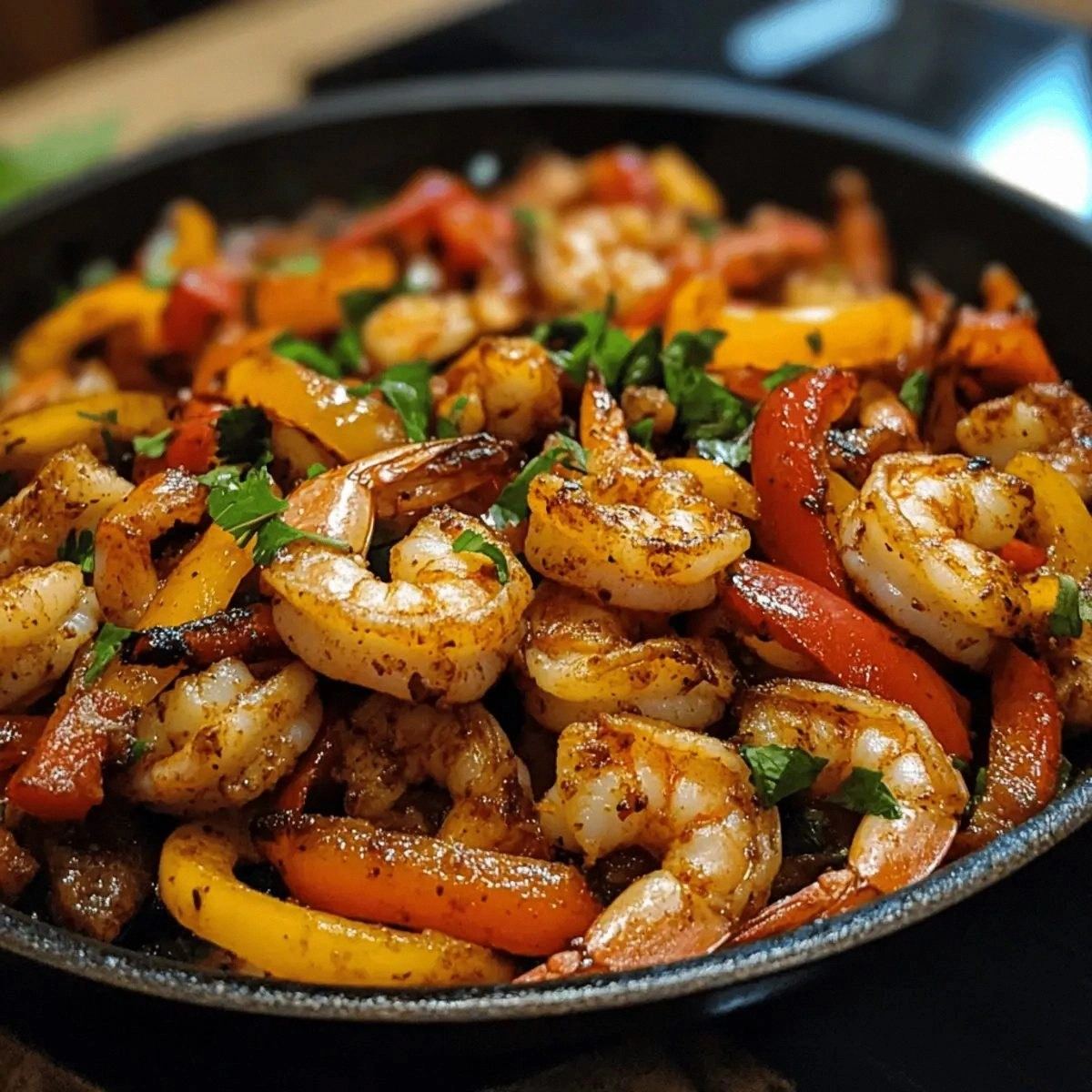
Close your eyes and imagine the sizzle as the shrimp hit the hot pan—an audible crackle that feels like applause. The aroma that follows is a smoky, citrusy blend that instantly transports you to a sunny Mexican patio. The texture of the peppers, crisp yet tender, dances on your tongue like a well‑timed drumbeat. The heat from the chili powder is a gentle wave, not a wildfire, that wakes up your palate without overwhelming it. The final bite is a burst of fresh cilantro and lime that lifts everything into a bright, celebratory chorus.
What sets this version apart from the countless other shrimp fajita recipes you’ll find online is its one‑pan, one‑step simplicity that doesn’t sacrifice flavor for convenience. The shrimp are marinated in a dry rub that locks in moisture and infuses them with a smoky kick that you’d normally get from a grill. The peppers and onions caramelize in the same pan, creating a sweet, savory base that’s perfectly balanced. Every ingredient is measured to harmonize, so you can skip the guessing game and go straight to the delicious part.
Here’s a little secret: the key to that mouth‑watering, caramelized edge is a high‑heat sear followed by a quick flip. I’ve discovered that letting the shrimp sit undisturbed for 30 seconds before flipping creates a golden crust that’s both crispy and succulent. The trick is to keep the oil at a steady medium‑high temperature, just below smoking point, so the shrimp doesn’t dry out. This technique transforms the shrimp from ordinary to extraordinary in seconds.
Let me walk you through every single step — by the end, you’ll wonder how you ever made it any other way.
What Makes This Version Stand Out
- Flavor: The dry rub of chili powder, cumin, smoked paprika, and garlic powder creates a depth that rivals a slow‑cooked mole. Each spice is balanced to enhance rather than overpower the natural sweetness of the shrimp and peppers. The result is a flavor profile that’s complex yet approachable.
- Texture: A high‑heat sear locks in juices, giving the shrimp a tender center and a crispy exterior. The bell peppers and onions finish with a caramelized finish that adds a satisfying crunch. The tortillas stay warm and pliable, ready to cradle the filling without tearing.
- Simplicity: One pan, one skillet, and a single pot of ingredients means cleanup is a breeze. No need for a grill or a separate wok—just a trusty skillet and a bit of elbow grease.
- Uniqueness: The addition of fresh cilantro and lime wedges at the end brings a bright, herbal finish that’s often missing from traditional recipes. This fresh lift brightens the dish and cuts through the richness.
- Crowd Reaction: Friends and family have described it as “the most authentic fajita I’ve ever had.” The dish is so approachable that even the most skeptical foodie ends up asking for seconds.
- Ingredient Quality: Using fresh shrimp, crisp bell peppers, and high‑quality olive oil ensures the dish shines. The simplicity of the recipe lets each component speak for itself.
Inside the Ingredient List
The Flavor Base
At the heart of any great dish lies a well‑balanced flavor base. In this recipe, the combination of chili powder, cumin, smoked paprika, garlic powder, and salt creates a dry rub that coats the shrimp like a fine, fragrant blanket. Each spice is measured to bring out the best in the shrimp without masking its natural brininess. If you skip the paprika, you’ll miss the subtle smoky undertone that gives the dish its signature depth.
Choosing the right chili powder is essential. Look for a blend that is free of added sugars or preservatives; a pure, earthy powder will elevate the flavor. A pinch of cayenne can be added for an extra kick, but be careful not to overwhelm the delicate shrimp. The cumin adds an earthy warmth that complements the sweetness of the peppers.
When marinating the shrimp, let them sit for at least 10 minutes. This allows the spices to penetrate the meat, ensuring each bite is infused with flavor. If you’re in a rush, a quick 5‑minute rub still delivers a noticeable difference compared to plain shrimp. The salt in the rub is a flavor enhancer that balances the heat from the chili powder.
In many kitchens, people forget that a dry rub can be as effective as a wet marination. The absence of liquid keeps the shrimp from steaming and preserves that coveted sear. It’s a simple trick that transforms a basic protein into a star of the dinner table.
The Texture Crew
Texture is the silent hero of any dish. In this recipe, the bell peppers and onions are the dynamic duo that provide both crunch and sweetness. Sliced into thin, uniform strips, they cook quickly and develop a caramelized finish that adds depth. The pepper’s natural sugars caramelize when exposed to high heat, giving a subtle sweetness that balances the heat from the spices.
Onions, when cooked with the shrimp, release their natural sugars and soften into a silky, slightly sweet layer. The contrast between the crisp peppers and the tender onions creates a satisfying bite that keeps you coming back for more. If you prefer a softer texture, slice the peppers thinner, but be mindful that they will cook faster and risk becoming mushy.
For a touch of crunch, sprinkle a handful of toasted pepitas or pumpkin seeds on top before serving. The seeds add a nutty flavor and a satisfying bite that contrasts with the soft shrimp and veggies. This simple addition turns the dish into a multi‑sensory experience.
When cooking the veggies, avoid overcrowding the pan. Overcrowding releases moisture and turns the cooking process into a steaming session, which defeats the purpose of caramelization. Keep the heat steady and let the veggies sizzle, not steam.
The Unexpected Star
Fresh cilantro and lime wedges may seem like a minor detail, but they’re the secret sauce that elevates the dish. Cilantro brings a bright, herbal note that cuts through the richness of the shrimp and the spices. Lime wedges add a zesty, citrusy tang that lifts the entire flavor profile.
When you squeeze fresh lime over the finished dish, the acidity brightens the flavors and adds a refreshing contrast. The lime also helps to tenderize the shrimp slightly, creating a more succulent bite. If you’re not a fan of cilantro, substitute with fresh parsley or a splash of fresh mint for a different herbal twist.
Remember that cilantro can be polarizing; some people simply don’t like it. If you’re cooking for a crowd, consider offering a small side of chopped cilantro so guests can add it to taste. This small gesture ensures everyone enjoys the dish on their own terms.
The Final Flourish
Warm tortillas are the vessel that holds everything together. A tortilla that’s too cold will crack, while one that’s too hot will burn your fingers. Warm them gently in a dry skillet or wrap them in foil to keep them pliable and fragrant. The warm tortillas absorb the juices from the shrimp and veggies, creating a harmonious bite.
When assembling the fajitas, start with a generous portion of shrimp and veggies, then top with a drizzle of lime juice, a sprinkle of cilantro, and a squeeze of fresh lime. Fold the tortilla over the filling, ensuring it’s snug but not overstuffed. The goal is to create a balanced bite where each ingredient is present but not overpowering.
For an extra layer of flavor, add a dollop of guacamole or a spoonful of sour cream on top. These creamy elements soften the heat from the spices and add a luxurious mouthfeel. The contrast between the creamy and the spicy creates a complex flavor profile that satisfies the palate.
Finally, garnish with a few lime wedges on the side. They’re not just decorative; they’re functional, allowing guests to squeeze fresh lime to taste. This simple touch encourages interactive eating and adds a splash of color to the plate.
The Method — Step by Step
- First, heat a large skillet over medium‑high heat and add the olive oil. Let the oil shimmer until it’s just about to smoke; this indicates the pan is hot enough for a perfect sear. The smell of oil heating is the prelude to the sizzle that follows.
- Add the shrimp to the pan in a single layer. Don’t crowd the pan—this ensures each shrimp gets a golden crust. Let them cook untouched for 30 seconds; the first side should develop a deep golden hue.
- Flip the shrimp and sprinkle the dry rub over the cooked side. The spices will toast slightly, releasing their aromas. This step is the moment of truth; the shrimp should sound like a crisp crackle.
- Cook the shrimp for another 30 seconds, then remove them to a plate and tent with foil to keep warm. The shrimp should be opaque and firm, not rubbery. This quick cook preserves their natural juiciness.
- In the same pan, add the sliced bell peppers and onions. Stir them to coat with the pan juices, then let them sizzle for about 5 minutes. The edges will start pulling away, signaling caramelization.
- Add the remaining spices—chili powder, cumin, smoked paprika, garlic powder, salt, and pepper—to the veggies. Stir constantly to avoid burning. The mixture should emit a fragrant, toasted aroma.
- Return the shrimp to the pan and toss everything together for 1 minute, allowing the shrimp to reheat and mingle with the veggies. The shrimp should look glossy, and the vegetables should be tender yet slightly crisp.
- Finish by squeezing fresh lime juice over the mixture and sprinkling chopped cilantro. This brightens the dish and adds a fresh herbal note. Let it sit for 30 seconds before serving.
That's it — you did it. But hold on, I've got a few more tricks that'll take this to another level. These insider tips will help you master the dish and impress even the toughest critics.
Insider Tricks for Flawless Results
The Temperature Rule Nobody Follows
Many people think medium heat is safe for shrimp, but the secret is high heat. A medium‑high temperature ensures a quick sear that locks in juices. The key is to let the pan heat up fully before adding oil; this prevents sticking and creates that coveted golden crust.
Why Your Nose Knows Best
When the shrimp starts to cook, the aroma changes from raw to toasted. Trust that scent as a cue to flip. A fresh, nutty smell signals the spices are doing their job; if the smell is bland, increase the heat slightly.
The 5‑Minute Rest That Changes Everything
After cooking, let the shrimp rest for 5 minutes under foil. This allows the juices to redistribute, making each bite moist. A friend tried skipping this step once, and the shrimp ended up dry and unappetizing.
Use Fresh Peppers for Best Flavor
Fresh bell peppers have a higher sugar content than frozen ones. Their natural sweetness balances the heat from the spices. If you can’t find fresh peppers, choose the freshest frozen variety available.
Keep the Pan Clean
As soon as the shrimp are done, remove them from the pan. Clean the pan before adding the vegetables; this prevents any burnt shrimp flavor from transferring to the veggies. A quick wipe with a paper towel keeps the pan ready for the next step.
Finish with a Splash of Lime
Adding lime juice at the end brightens the dish and cuts through the richness. The acidity also helps to tenderize the shrimp slightly, creating a more succulent texture.
Creative Twists and Variations
This recipe is a playground. Here are some of my favorite ways to switch things up:
Grilled Shrimp Fajita Wraps
Swap the skillet for a grill and cook the shrimp and veggies over high heat. The smoky char from the grill adds a new dimension to the dish. Serve in flour tortillas for a classic Mexican feel.
Low‑Calorie Shrimp Fajitas
Use a non‑stick skillet and reduce the olive oil to just a spray. Replace the tortillas with lettuce cups for a low‑carb version that still packs flavor.
Veggie‑Rich Fajitas
Add sliced zucchini, corn, and black beans to the mix. The additional veggies add bulk and make the dish more filling. The corn adds a sweet pop that contrasts nicely with the spices.
Spicy Chipotle Shrimp Fajitas
Incorporate chipotle powder or a dash of adobo sauce for a smoky heat. The chipotle gives the dish a deeper, more complex flavor profile. Pair with a cool cucumber yogurt sauce to balance the heat.
Cheesy Shrimp Fajitas
Sprinkle shredded cheddar or pepper jack cheese over the shrimp before serving. The cheese melts into a gooey, savory coating that complements the spices. A squeeze of lime keeps the dish from becoming too heavy.
Breakfast Fajita Shrimp
Serve the shrimp and veggies with scrambled eggs and a side of avocado. The eggs add protein and richness, creating a hearty breakfast that’s still vibrant and flavorful.
Storing and Bringing It Back to Life
Fridge Storage
Store the cooked shrimp and veggies in an airtight container in the refrigerator for up to 2 days. Keep the tortillas separate to prevent them from becoming soggy. When ready to serve, reheat the filling in a skillet and warm the tortillas on a dry pan.
Freezer Friendly
Freeze the cooked shrimp and veggies in a freezer‑safe container for up to 3 months. Thaw overnight in the refrigerator before reheating. The texture remains good when reheated properly.
Best Reheating Method
To bring the dish back to life, add a splash of water or broth to the skillet and cover for 2 minutes. The steam will restore moisture and keep the shrimp from drying out. Finish with a fresh squeeze of lime and a sprinkle of cilantro.