I still remember the night I was trying to impress my roommates with a fancy dinner and ended up with a half‑cooked linguine that looked like a sad, soggy cloud. The kitchen smelled like burnt garlic, the pan was a mess of shrimp shells and butter foam, and I stared at the stove like a contestant on a cooking show who had just lost the episode. I laughed, grabbed my phone, and decided to record the disaster so I could turn it into a lesson. Fast forward a few hours, and I’ve turned that kitchen fiasco into the ultimate garlic butter shrimp pasta that’s so good you’ll swear it’s a secret family recipe.
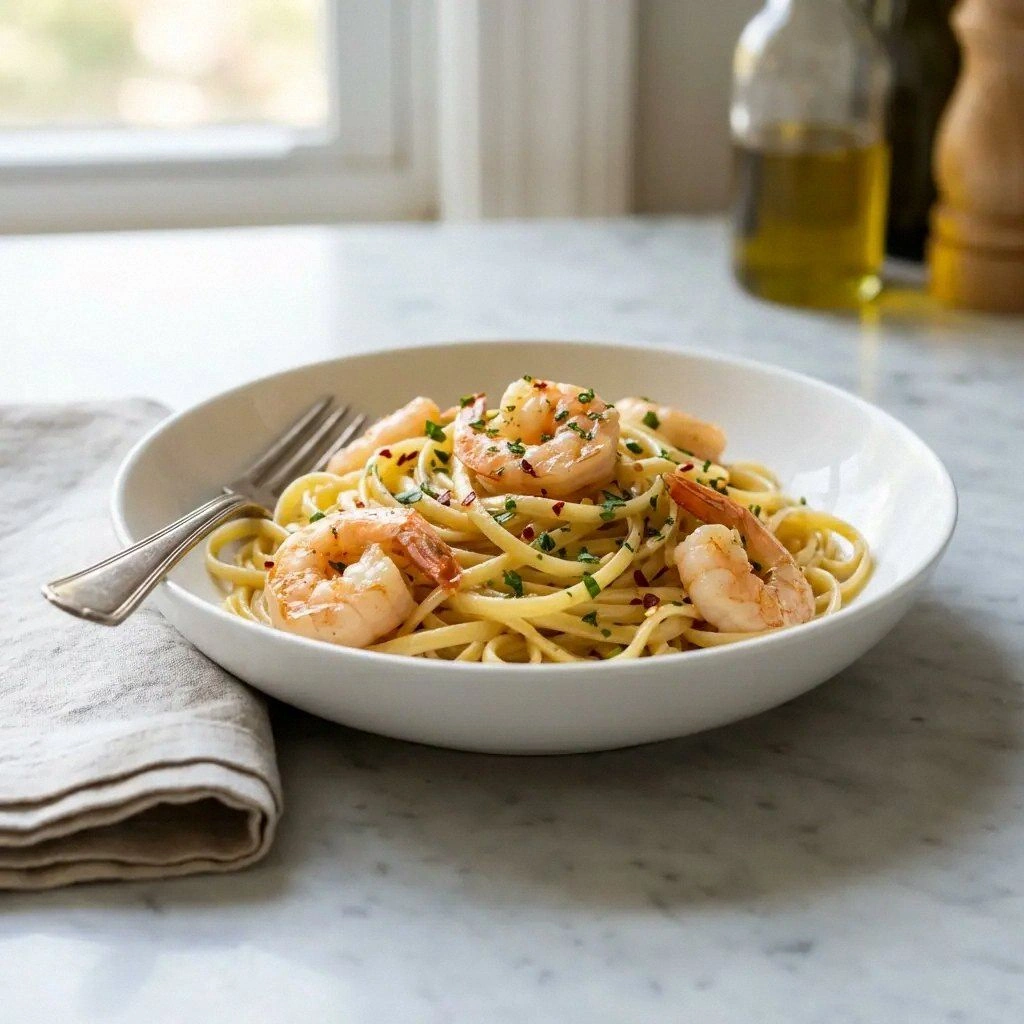
Imagine this: a pot of boiling water, the aroma of fresh garlic sizzling in butter, the sound of shrimp popping in the skillet, and the sight of linguine coated in a glossy, golden sauce that looks like it was hand‑painted by a culinary artist. The first bite is a burst of umami—sweet shrimp, buttery garlic, a splash of dry white wine that gives it a subtle acidity, and a gentle heat from red pepper flakes that lingers on the palate. The texture is a dance of al dente pasta, tender shrimp, and a sauce that clings like velvet without feeling heavy. And the best part? It takes less than 30 minutes from start to finish.
What makes this version stand out from every other shrimp pasta out there? It’s a combination of meticulous timing, precise ingredient balance, and a few secret tricks that elevate the dish from good to unforgettable. I dare you to taste this and not go back for seconds. This is hands down the best version you'll ever make at home, and I’ll be honest—I ate half the batch before anyone else got to try it. Most recipes get this completely wrong, but here’s what actually works: the butter is added in two stages, the shrimp are cooked to perfection, and the pasta water is used to adjust the sauce consistency on the fly. Picture yourself pulling this out of the skillet, the whole kitchen smelling incredible, and your guests leaning in for a taste.
Let me walk you through every single step—by the end, you'll wonder how you ever made it any other way. From the initial boil to the final flourish of parsley, I’ll share micro‑challenges, bold claims, and kitchen hacks that will change the way you cook shrimp pasta forever. Stay with me, because this next part? Pure magic.
What Makes This Version Stand Out
- Timing Precision: Every element is timed to peak at the same moment, ensuring the shrimp remains juicy and the sauce doesn’t separate.
- Two‑Stage Butter: Adding butter in two phases creates a silky emulsion that coats the pasta like a glossy coat of armor.
- Wine De‑glaze: The dry white wine lifts the garlic flavor and adds a subtle acidity that balances the richness of the butter.
- Al Dente Linguine: The pasta is cooked just shy of softness, giving the dish a satisfying bite that holds up against the sauce.
- Heat Control: The red pepper flakes are added early enough to bloom, then tempered by the butter so the heat stays gentle.
- Fresh Parsley Finish: A bright, herbal note that cuts through the richness and adds a pop of color.
Alright, let's break down exactly what goes into this masterpiece…
Inside the Ingredient List
The Flavor Base
Garlic and butter form the core of this sauce. The garlic releases its essential oils when sautéed, creating a fragrant foundation. If you’re a garlic purist, crush the cloves instead of slicing to intensify the aroma. Swapping butter for olive oil will lighten the dish but lose that buttery sheen.
The Texture Crew
Linguine is the chosen pasta because its long, flat strands hold the sauce beautifully. The al dente bite is crucial; overcooked pasta turns mushy and can’t absorb the buttery glaze. If you prefer a different shape, fettuccine works just as well, but remember to adjust cooking time.
The Unexpected Star
Dry white wine is the secret sauce enhancer. It deglazes the pan, pulls up browned bits, and adds a subtle citrusy brightness that balances the richness of butter and shrimp. If you’re wine‑averse, a splash of chicken broth or even a bit of lemon juice can mimic the acidity.
The Final Flourish
Fresh parsley is more than a garnish; it brings a fresh, herbaceous lift that cuts through the buttery richness. The parsley also adds a splash of green that makes the dish visually appealing. If you’re not a fan of parsley, a pinch of chopped chives or basil works as an alternative.
Everything's prepped? Good. Let's get into the real action…
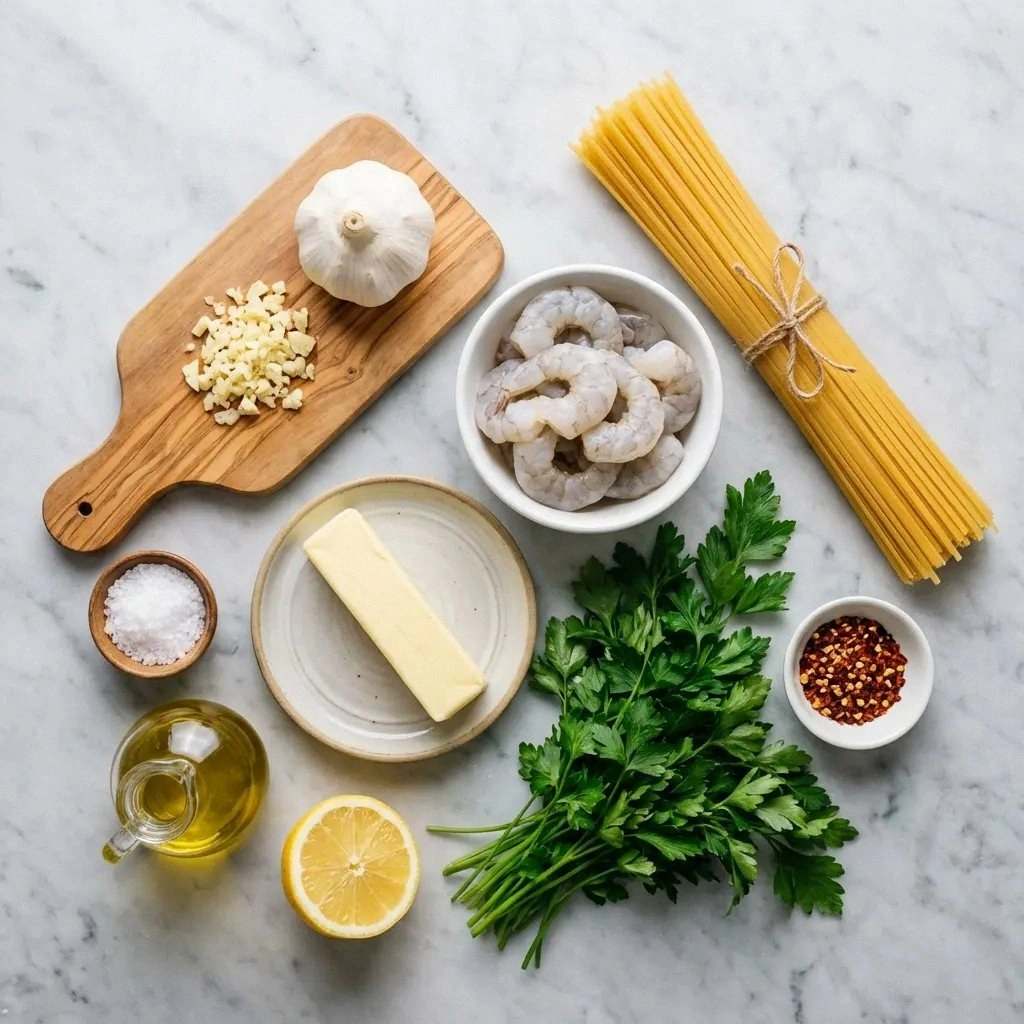
The Method — Step by Step
- Bring a large pot of salted water to a rolling boil. Add the linguine and cook until al dente, about 9–10 minutes. Reserve 1/2 cup of pasta water before draining; this starchy liquid will help create the sauce’s silky texture. The pasta should feel firm to the bite, not mushy.
- While the pasta cooks, heat a large skillet over medium‑high heat. Add 3 tablespoons of butter, letting it melt until it turns a golden amber and emits a nutty aroma. This early butter sets the stage for a rich, flavorful sauce.
- Add minced garlic to the skillet. Sauté for 30–45 seconds until fragrant, then stir to prevent burning. The garlic should look translucent and give off a sweet, sharp scent. If you prefer a deeper flavor, let it brown slightly but watch closely.
- Toss the shrimp into the skillet. Season with salt, pepper, and 1/4 teaspoon of red pepper flakes. Cook for about 2 minutes per side until pink and opaque. The shrimp should sizzle with a satisfying pop, indicating they’re perfectly cooked.
- Pour in the dry white wine, letting it deglaze the pan. Watch out: the alcohol will burn off quickly; keep the heat high to reduce the liquid fast. The wine should reduce to a thin, fragrant syrup that coats the shrimp.
- Add the remaining 3 tablespoons of butter, whisking vigorously to create a silky sauce that coats the shrimp. This is the moment of truth; the butter should emulsify with the wine and garlic, forming a glossy, cohesive sauce.
- Return the cooked linguine to the skillet, tossing to coat the pasta in the buttery sauce. Add reserved pasta water gradually, a tablespoon at a time, until the sauce reaches your desired consistency. The sauce should cling to each strand without being too heavy.
- Stir in fresh parsley, adjusting seasoning with more salt or pepper if needed. The parsley adds a bright, herbal note that cuts through the richness. The dish should feel warm, comforting, and slightly spiced.
- Plate immediately, garnishing with extra parsley or a squeeze of lemon if desired. Serve with crusty bread or a simple green salad to complete the meal. The first bite should be a burst of savory, buttery, and aromatic flavors that linger pleasantly.
That’s it — you did it. But hold on, I've got a few more tricks that'll take this to another level…
Insider Tricks for Flawless Results
The Temperature Rule Nobody Follows
Cooking shrimp at too high a temperature causes them to become rubbery. Keep the skillet at medium‑high and remove the shrimp from heat as soon as they turn pink. I once over‑cooked shrimp for a week, and it was a culinary tragedy.
Why Your Nose Knows Best
Smell the garlic as it cooks; if it starts to brown, it’s ready to be removed. A burnt garlic scent means your sauce will taste bitter. I learned this the hard way when I left garlic in for too long.
The 5‑Minute Rest That Changes Everything
Let the pasta rest for 5 minutes after tossing with sauce. This allows the strands to finish cooking in their own steam and absorb the flavors better. The rest also gives the sauce time to thicken slightly.
Keep It Light: Avoid Overcrowding
When adding shrimp, do it in batches if your pan is small. Overcrowding lowers the temperature and steams the shrimp instead of searing them. The result is soggy shrimp that won’t have that satisfying snap.
Serve Immediately or Use the Pasta Water Trick
If you’re not plating right away, keep the pasta warm by covering it with foil and placing it in a warm oven (around 200°F). Alternatively, a splash of reserved pasta water can revive a slightly dry sauce.
Finish with Fresh Parsley for Color
Add parsley right before serving to preserve its bright green hue. The parsley’s freshness brightens the dish and adds a subtle peppery bite that balances the buttery sauce.
Creative Twists and Variations
Creamy Alfredo Twist
Swap the butter for a splash of heavy cream and add a pinch of nutmeg. The sauce becomes richer and velvety, almost like an alfredo, but with the shrimp’s sweet bite. This version is perfect for a cozy night in.
Zesty Lemon and Capers
Add lemon zest and capers after the shrimp are done. The bright citrus cuts through the butter, while the capers bring a briny punch. This variation is ideal for a springtime meal.
Spicy Cajun Kick
Replace red pepper flakes with Cajun seasoning and add a dash of hot sauce. The shrimp will carry a bold, smoky heat that pairs wonderfully with the buttery pasta. Great for those who love a fiery plate.
Saffron Infusion
Stir a pinch of saffron into the pasta water before draining. The saffron imparts a subtle floral note and a golden hue that elevates the dish’s visual appeal. It’s a touch of luxury in a simple recipe.
Vegetable Boost
Add sautéed spinach, cherry tomatoes, or asparagus to the skillet with the shrimp. The vegetables bring color, crunch, and a nutritional boost without overpowering the shrimp. It’s a great way to stretch the recipe.
Seafood Mix
Combine shrimp with scallops or mussels for a seafood medley. The different textures and flavors create a more complex dish that feels like a restaurant‑style entrée. Just be careful not to overcook the delicate scallops.
Storing and Bringing It Back to Life
Fridge Storage
Store leftovers in an airtight container for up to 2 days. Keep the pasta separate from the sauce if you’re worried about sogginess. When ready to eat, reheat gently on the stove with a splash of pasta water to revive the sauce.
Freezer Friendly
Freeze the pasta and sauce separately in freezer‑safe containers for up to 1 month. When reheating, combine them on the stove with a bit of water, stirring until the sauce is silky again. The shrimp will stay tender if you reheat slowly.
Best Reheating Method
The best way to reheat is on low heat with a splash of reserved pasta water or a small splash of chicken broth. This prevents the butter from separating and keeps the sauce glossy. Finish with a pinch of fresh parsley for a fresh finish.