I was standing in my kitchen at 2 a.m., half‑asleep, clutching a half‑empty jar of honey like it was a lifeline, when my roommate burst in with a frantic “I need breakfast that actually feels like a hug!” I laughed, tossed a sack of steel‑cut oats onto the counter, and whispered, “Challenge accepted.” The moment the oats hit the cold steel of the pot, I could already hear the faint, comforting rumble of a future breakfast that would make even the most stubborn cereal‑hater weep with joy. The air was already thick with the sweet perfume of honey, and the faint crackle of butter melting in the pan sounded like applause for the show that was about to begin.
Picture this: the golden honey dripping lazily over a mound of toasted nuts, the steam rising like a gentle sunrise, the oats swelling into plump, chewy pearls that cling to each other in a way that’s both hearty and delicate. I could practically taste the buttery richness, the subtle spice of cinnamon, and the earthy crunch of almonds and pecans before the first spoonful even touched my lips. My senses were doing a full‑on dance—my eyes were drawn to the glossy sheen of the honey glaze, my nose caught the toasty nuttiness, my ears heard the soft pop of the oats as they hit the simmering liquid, my hands felt the warm, heavy pot, and my tongue? It was already tingling with anticipation.
Most recipes for steel‑cut oats end up either mushy or painfully dry, and they often forget the magic of a proper nut‑honey finish. This version, however, is a game‑changer. I’ve taken the humble, often‑overlooked steel‑cut oats and turned them into a breakfast that feels like a gourmet dessert without the guilt. The secret? A quick toast of the nuts in butter, a splash of honey at the very end, and a precise simmer that locks in the creamy texture while keeping each oat grain distinct. I dare you to taste this and not go back for seconds.
But here’s the kicker: I’m about to reveal a technique that most cooks completely miss—the “steam‑lock” finish. By removing the pot from heat and letting it sit, covered, for a few minutes, the oats finish cooking in their own steam, resulting in a texture that’s simultaneously velvety and bite‑ready. This is hands down the best version you’ll ever make at home, and I’m about to walk you through every single step—by the end, you’ll wonder how you ever made it any other way.
What Makes This Version Stand Out
- Flavor Explosion: The honey‑nut glaze coats each oat like a silky caramel, delivering a sweet‑savory punch that keeps you reaching for more.
- Texture Harmony: You get a creamy base with distinct, slightly chewy oat kernels that never turn mushy, thanks to the precise 30‑minute simmer.
- Simplicity Meets Sophistication: Only ten pantry staples are needed, yet the result feels like it belongs in a five‑star brunch menu.
- Unique Steam‑Lock Finish: This final resting phase traps moisture, creating a luxurious mouthfeel that most stovetop recipes lack.
- Crowd‑Pleaser Factor: Even picky eaters rave; the sweet honey draws kids in while the nuts satisfy adult cravings for crunch.
- Ingredient Quality: Using raw, unsalted nuts and pure, local honey elevates the dish from ordinary to extraordinary.
- Cooking Method: The low‑and‑slow simmer paired with a brief butter‑toasting step maximizes flavor extraction without any fancy equipment.
- Make‑Ahead Potential: This oatmeal stores beautifully, and a quick reheating with a splash of milk brings it back to life in seconds.
Inside the Ingredient List
The Flavor Base
Steel‑cut oats are the heart of this dish. Their coarse, chewy texture stands up to the rich honey glaze without losing its integrity. If you substitute rolled oats, you’ll end up with a mushy porridge that lacks the satisfying bite. Look for oats that are a uniform, golden‑brown color—this indicates they’ve been minimally processed and retain a nutty flavor. I always buy them in bulk from a reputable health food store where you can feel the grains between your fingers before you even open the bag.
The Texture Crew
Mixed nuts—preferably a blend of almonds, walnuts, and pecans—bring crunch and a buttery depth. The nuts are toasted in butter, which not only enhances their flavor but also creates a glossy coating that later binds with the honey. If you’re allergic to nuts, try toasted seeds like pumpkin or sunflower; they’ll give you a similar crunch without the allergen risk. Remember, the nuts should be roughly chopped, not powdered, so you retain that satisfying bite.
The Unexpected Star
Honey is more than just a sweetener here; it acts as a natural glaze that caramelizes slightly when mixed with the warm oat base. Choose a raw, unfiltered honey for its floral notes—clover or wildflower honey works beautifully. If you’re watching sugar, you can substitute half the honey with maple syrup, but the flavor profile will shift toward a lighter, more maple‑forward taste.
The Final Flourish
A pinch of salt, a dash of cinnamon, and a splash of vanilla extract are the quiet heroes that balance the sweetness and add aromatic depth. Salt amplifies the honey’s flavor, while cinnamon provides a warm, comforting spice that pairs perfectly with the nuttiness. Vanilla adds a subtle floral undertone that rounds out the palate. If you love spice, a pinch of nutmeg or cardamom can be introduced at this stage for an extra layer of complexity.
Everything's prepped? Good. Let's get into the real action...
The Method — Step by Step
Gather all your ingredients and measure them out. This might sound like a no‑brainer, but trust me, the kitchen chaos that ensues when you’re hunting for a missing spice can ruin the vibe. Place the steel‑cut oats, water, and milk into a heavy‑bottomed pot. I recommend a Dutch oven because it distributes heat evenly, preventing hot spots that could scorch the oats.
Turn the burner to medium‑high and bring the liquid to a gentle boil. As the bubbles start forming, you’ll hear that comforting hiss—think of it as the oats shouting, “We’re ready!” Once boiling, reduce the heat to a low simmer and add a pinch of salt. Stir once, then let the oats cook undisturbed for about 10 minutes.
Watch Out: If you stir too often, the oats will release excess starch and become gummy. Resist the urge to keep checking; the magic happens when you give them space.
While the oats are simmering, melt the butter in a small skillet over medium heat. Add the chopped nuts and toast them, stirring constantly. You’ll know they’re ready when they turn a light golden brown and emit a nutty aroma that makes your kitchen smell like a bakery. This should take about 3–4 minutes—don’t let them burn, or you’ll introduce a bitter note that no amount of honey can fix.
Now, for the honey glaze: lower the heat and drizzle the honey into the toasted nuts, letting it swirl and coat each piece. The honey will bubble briefly; that’s the caramelization beginning. Add the cinnamon and vanilla at this point, stirring until everything is glossy and fragrant. This is the moment of truth—if you smell that sweet‑spicy perfume, you’re on the right track.
When the oats have cooked for about 20 minutes and are still a bit firm in the center, stir in the honey‑nut mixture. The oats will instantly absorb the glossy coating, turning a beautiful amber color. Keep the pot on low heat and let the flavors meld for another 5 minutes. You’ll notice the edges of the oats pulling away from the sides of the pot—that’s the sign they’re perfectly cooked.
- Kitchen Hack: After adding the honey‑nut mix, cover the pot with a tight‑fitting lid and remove it from heat. Let it sit for 5 minutes; the residual steam finishes cooking the oats without over‑cooking.
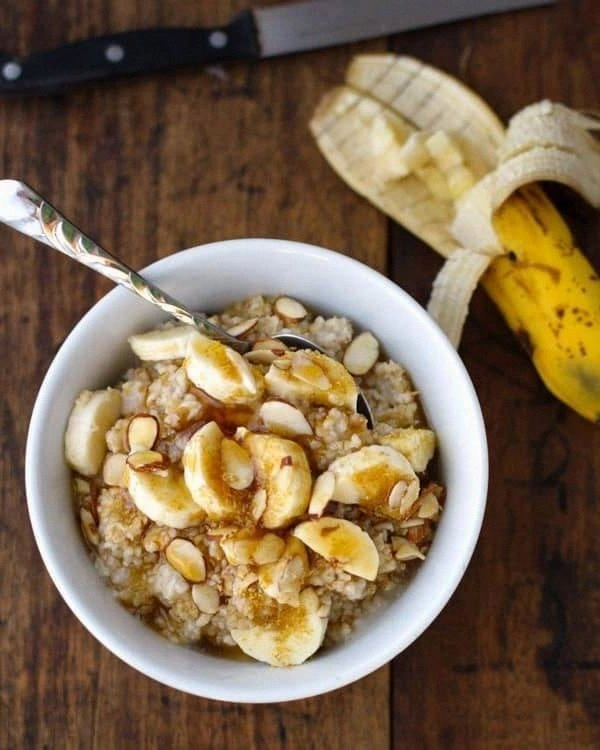
After the steam‑lock rest, give the oatmeal a gentle stir to fluff it up. Taste and adjust the seasoning—maybe a pinch more salt or a drizzle of extra honey if you like it sweeter. Serve hot, garnished with a handful of extra toasted nuts and a drizzle of honey for that Instagram‑worthy shine.
And now the fun part: spoon the creamy, nut‑laden goodness into bowls, watch the steam rise, and listen to the satisfied sighs of anyone lucky enough to be at your table. Picture yourself pulling this out of the pot, the whole kitchen smelling incredible, and knowing you’ve just nailed a breakfast that could rival any café’s signature dish.
Insider Tricks for Flawless Results
The Temperature Rule Nobody Follows
Keep the simmer low and steady. A rolling boil will break down the oats too quickly, leading to a mushy consistency. I once tried a high‑heat boil because I was in a rush; the result was a gloopy mess that tasted like overcooked porridge. The secret is patience: maintain a gentle bubble and let the oats absorb the liquid slowly. This also prevents the milk from scorching on the bottom.
Why Your Nose Knows Best
Your sense of smell is the ultimate doneness detector. When the oats start to release a toasted, buttery aroma, you’re nearing the perfect texture. If you notice a faint “cooked grain” scent without any burnt notes, that’s the sweet spot. Trust that nose over a timer—cooking times can vary based on pot size and oat brand.
The 5‑Minute Rest That Changes Everything
After you’ve folded in the honey‑nut glaze, remove the pot from heat, cover, and let it sit for five minutes. This “steam‑lock” technique lets the residual heat finish the cooking process, yielding oats that are creamy on the inside yet retain a pleasant bite on the outside. I once skipped this step and the oats turned gummy; the rest period is non‑negotiable.
Butter‑Infused Nuts = Flavor Explosion
Never toast nuts dry. Adding butter not only prevents sticking but also creates a flavor bridge between the oats and the nuts. The butter’s fat carries the cinnamon and vanilla deeper into the nut pieces, ensuring each bite bursts with layered taste. A friend tried to skip the butter once—let’s just say the nuts were flat and the dish felt incomplete.
Adjusting Sweetness Without Overpowering
If you’re serving a crowd with varying sweet preferences, keep extra honey on the side. Drizzle individually to taste. This way, you maintain the dish’s integrity while allowing each diner to customize their sweetness level. It also adds a touch of table‑side ceremony that makes the breakfast feel special.
Creative Twists and Variations
This recipe is a playground. Here are some of my favorite ways to switch things up:
Maple‑Pecan Sunrise
Swap half the honey for pure maple syrup and use only pecans for the nut mix. The maple adds a caramel‑rich depth, while pecans bring a buttery crunch. Perfect for autumn mornings when you want a hint of seasonal flavor.
Tropical Coconut Crunch
Replace dairy milk with coconut milk, add toasted coconut flakes, and use macadamia nuts instead of almonds. The coconut’s tropical aroma pairs beautifully with honey, transporting you to a beachside brunch.
Spiced Apple Harvest
Stir in finely diced, sautéed apples with a pinch of ground ginger and a splash of apple cider during the last five minutes of cooking. The apples add natural sweetness and a soft bite that complements the nuts.
Chocolate‑Hazelnut Delight
Add a tablespoon of cocoa powder with the cinnamon and toss in chopped hazelnuts. Finish with a drizzle of chocolate‑flavored honey for a breakfast that feels like a dessert.
Savory Herb Oats
Swap honey for a tablespoon of miso paste, replace cinnamon with a pinch of smoked paprika, and garnish with fresh thyme. This version is perfect for a brunch that leans toward lunch, offering umami depth instead of sweetness.
Storing and Bringing It Back to Life
Fridge Storage
Transfer the cooled oatmeal into an airtight container and refrigerate for up to four days. The oats will thicken as they sit, so when you’re ready to serve, add a splash of milk or water and reheat gently on the stovetop, stirring until creamy again.
Freezer Friendly
Portion the oatmeal into freezer‑safe bags or containers, leaving a little headspace for expansion. Freeze for up to three months. To reheat, thaw overnight in the fridge, then warm in a saucepan with a splash of liquid, stirring continuously.
Best Reheating Method
For the ultimate texture, reheat in a saucepan over low heat, adding a tablespoon of water or milk per serving. Stir constantly; the added moisture creates a gentle steam that revives the creaminess without turning the oats gummy. A microwave works in a pinch, but the stovetop method preserves the luxurious mouthfeel.