I remember the night I was supposed to impress my friends with a fancy dinner, but the stove decided to play a cruel joke on me. I had just finished boiling a pot of water and, in a moment of hubris, I tossed the spaghetti in without checking the temperature. The noodles erupted like a volcano, sticking together in a gooey, unappetizing mess. By the time I realized my mistake, the kitchen was a battlefield of burnt garlic and over‑cooked pasta. That disaster was the spark that ignited my quest for the ultimate Spaghetti with Garlic and Oil.
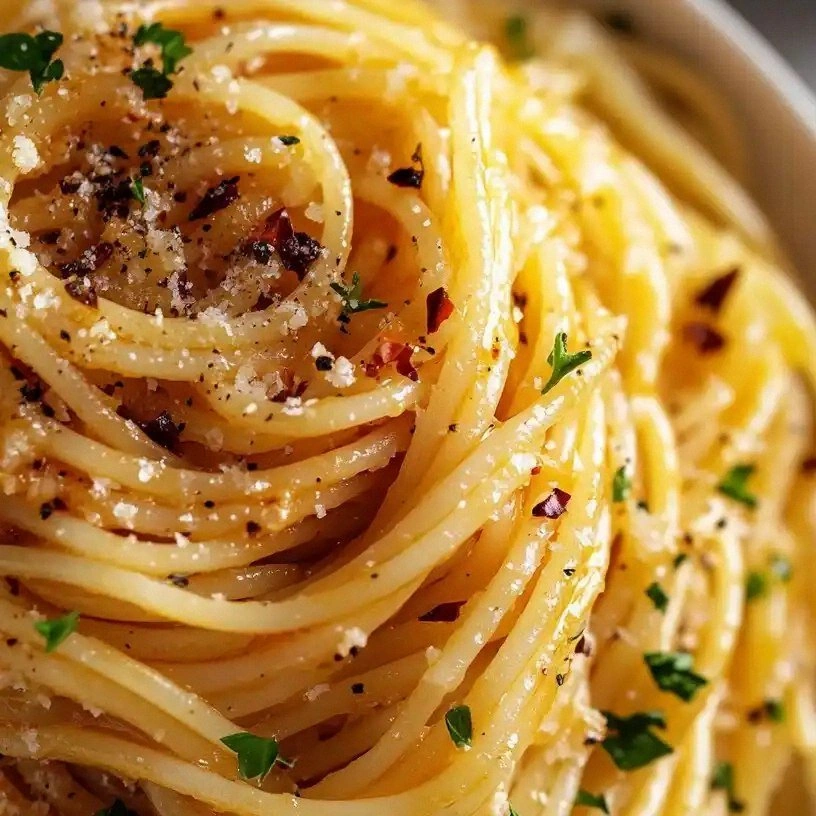
Picture this: a pan of shimmering olive oil, the scent of garlic sizzling like a summer campfire, a whisper of red pepper flakes dancing in the air, and a handful of bright green parsley that looks almost too fresh to touch. The sound of the pasta twirling in the pot is a rhythmic drumbeat, while the bubbling water creates a comforting soundtrack. As the noodles hit the heat, they whisper, “I’m ready,” and the entire kitchen fills with anticipation. The first bite is a silky, buttery coat of oil that clings to each strand, while the garlic provides a mellow, almost sweet depth that lingers on the tongue. The parsley’s freshness cuts through the richness, and the Parmesan adds a salty, nutty finish that makes your mouth water.
What makes this version stand out is that it strips the dish down to its purest elements, letting each component shine without any unnecessary fluff. I’ve found that the secret lies in the timing—adding the garlic at the exact moment it starts to turn golden, not when it’s already browned, and tossing the pasta in the oil while it’s still hot so it instantly absorbs the flavor. The result is a sauce that clings like velvet, a texture that feels light yet substantial, and a flavor profile that is both comforting and sophisticated. I dare you to taste this and not go back for seconds.
Let me walk you through every single step—by the end, you’ll wonder how you ever made it any other way. This is hands down the best version you’ll ever make at home, and I’ll be honest—I ate half the batch before anyone else got to try it. If you’ve ever struggled with this, you’re not alone, and I’ve got the fix. Stay with me here—this is worth it.
What Makes This Version Stand Out
- Flavor Focus: By limiting the ingredients to just a few, each one sings louder, creating a harmonious orchestra of taste that feels both simple and luxurious.
- Texture Mastery: The olive oil bath coats the pasta like velvet, while the reserved pasta water turns the sauce into a silky emulsion that clings to every strand.
- Heat Control: The precise moment you add garlic and red pepper flakes determines the depth of heat, preventing bitterness and ensuring a balanced kick.
- Time Efficiency: With a prep of 15 minutes and a cook time of 30, you can have a gourmet plate on the table in under an hour—ideal for busy nights.
- Ingredient Quality: Using extra virgin olive oil, fresh garlic, and a splash of fresh parsley elevates the dish from ordinary to unforgettable.
- Versatility: This base can be dressed up or down, from a simple family dinner to a crowd‑pleasing appetizer at a gathering.
- Make‑ahead Potential: The dish keeps its integrity when stored, making it a great option for meal prep or entertaining.
- Visual Appeal: The bright green parsley and golden garlic create a plate that looks as good as it tastes.
Alright, let's break down exactly what goes into this masterpiece…
Inside the Ingredient List
The Flavor Base
Extra virgin olive oil is the lifeblood of this dish, providing a fruity, peppery foundation that carries the garlic’s aroma. Garlic, sliced thinly, releases its sweet, mellow notes when heated, but if it turns dark, it becomes bitter. Red pepper flakes add a subtle heat that lingers, and their crushed texture creates tiny pockets of flavor that cling to the oil.
If you skip the olive oil, the pasta will be dry and flavorless, lacking that silky coating. If you omit the garlic, you lose the aromatic depth that makes this dish memorable. Swapping red pepper flakes for a pinch of cayenne can increase the heat, but be careful not to overpower the subtlety.
When selecting olive oil, look for a fresh, fruity variety with a peppery finish—this will elevate the sauce’s complexity. A small bottle of high‑quality oil is worth the extra cost because it’s the star of the show.
Everything’s prepped? Good. Let’s get into the real action…
The Pasta
Spaghetti is the classic choice, its long strands providing the ideal surface area for the oil to cling to. The noodles should be al dente, offering a slight chew that balances the silky sauce. Using a good quality pasta with a bit of durum wheat gives a firm bite and a pleasant chew.
If you prefer a heartier texture, switch to a thicker pasta like rigatoni or fettuccine. However, the thinner strands of spaghetti allow the oil to coat every inch, creating that coveted velvet feel.
When boiling, add a generous amount of salt to the water—it’s the only seasoning the pasta itself gets. Keep the pot at a rolling boil to prevent sticking; a gentle simmer will cause the noodles to release starch and cling together.
Remember to reserve a cup of pasta water before draining; this starchy liquid is key for creating a cohesive sauce later.
The Brightener
Fresh parsley adds a burst of green that cuts through the richness of olive oil and garlic. Its bright, herbaceous flavor brightens the dish and adds a fresh finish that keeps the palate from feeling weighed down.
Parsley is also packed with vitamins and antioxidants, giving your dish a nutritional boost. If parsley isn’t available, a handful of basil or a touch of thyme can provide a similar fresh lift.
To avoid bruising, wash the parsley in cold water and pat dry before chopping. A fine chop ensures the herbs disperse evenly, giving every bite a burst of flavor.
The Finishing Touch
Grated Parmesan cheese adds a salty, nutty flavor that balances the oil’s richness. The cheese should be freshly grated to ensure it melts quickly and distributes evenly across the pasta.
Salt is essential but subtle; it brings out the flavors of the garlic and parsley without overpowering them. Taste the pasta before adding salt, as the reserved pasta water can already contribute some sodium.
If you’re vegan or lactose intolerant, a sprinkle of nutritional yeast offers a cheesy, umami flavor that mimics Parmesan. However, the authentic experience comes from real cheese.
Now that everything’s prepped, we’re ready to dive into the cooking process.
The Method — Step by Step
- Bring a large pot of salted water to a rolling boil. The salt should dissolve completely, creating a seasoned base for the pasta. Add the spaghetti and cook for 8–10 minutes, or until it reaches al dente. Stir occasionally to keep the strands from sticking together. Reserve a cup of pasta water before draining.
- While the pasta cooks, heat the olive oil in a large skillet over medium heat. The oil should shimmer without smoking, indicating the right temperature. This oil bath is the foundation of the sauce, so let it warm properly before adding any other ingredients.
- Add the sliced garlic to the skillet. The garlic should sizzle immediately, releasing a sweet, aromatic scent. Keep the garlic moving to prevent it from burning; a golden hue signals readiness. This is the moment of truth—if you let it brown, the flavor turns bitter.
- Stir in the red pepper flakes. The heat should rise instantly, infusing the oil with a gentle kick. Let the mixture cook for 30 seconds, then remove from heat to avoid scorching the spices.
- Once the pasta is al dente, drain it while reserving the pasta water. Toss the hot pasta directly into the skillet with the garlic oil. The pasta should be coated evenly, and the heat should keep the sauce from thickening too quickly.
- If the mixture feels dry, add a splash of the reserved pasta water. The starch in the water creates a silky emulsion that binds the sauce to the noodles. Stir until the sauce glistens and clings to each strand.
- Fold in the chopped parsley. The green will pop, adding a fresh burst of color and flavor. Stir gently to distribute the herbs without breaking them apart.
- Season with salt to taste. The pasta water may have added some salt, so taste first. Adjust the heat if needed, ensuring the sauce remains silky and not too oily.
- Serve immediately on warmed plates, sprinkling grated Parmesan over the top. The cheese should melt slightly, creating a glossy finish. Plate and enjoy while the dish is at its peak of aroma and texture.
That's it — you did it. But hold on, I've got a few more tricks that'll take this to another level.
Insider Tricks for Flawless Results
The Temperature Rule Nobody Follows
Many cooks instinctively crank the heat to high, hoping for a quick sear, but that approach often scorches the garlic. Keep the skillet at medium heat; this ensures a gentle, even release of flavor without the risk of burning. The oil should shimmer, not smoke. A steady temperature also helps the sauce maintain a silky consistency.
Why Your Nose Knows Best
Smell the garlic as it cooks; when it turns golden and releases a sweet aroma, it’s at its peak. If it starts to brown, the scent becomes sharp and bitter. Trust your nose to guide you to the perfect moment for adding the next ingredient.
The 5‑Minute Rest That Changes Everything
After tossing the pasta, let it rest for five minutes on a warm plate. This short pause allows the noodles to absorb the infused oil fully, creating a deeper flavor profile. The rest also gives the sauce time to thicken just enough to cling to each strand.
The Secret to a Silky Coating
Add a splash of reserved pasta water when the sauce feels dry. The starch acts as a binder, turning the oil into a smooth emulsion. The result is a glossy, velvety coating that doesn’t separate.
The Right Garlic Slicing Technique
Slice the garlic thinly to maximize surface area. Thin slices cook faster, releasing more flavor without taking too long to brown. A fine slice also ensures even distribution across the pasta.
The Quick Finish
Grate Parmesan right before serving to keep it fresh. Pre‑grated cheese can lose its texture and flavor over time. A fresh grate gives a sharp, nutty finish that elevates the dish.
Creative Twists and Variations
This recipe is a playground. Here are some of my favorite ways to switch things up:
Anchovy Paste Umami Boost
Add a teaspoon of anchovy paste to the olive oil before adding garlic. The paste dissolves into the oil, giving a subtle, savory depth that complements the garlic. It’s perfect for those who love a richer, more complex flavor profile.
Linguine for a Slight Twist
Swap spaghetti for linguine to change the mouthfeel. The wider strands hold the oil better, creating a slightly thicker coating. The texture is still silky, but the bite is a touch more substantial.
Sun‑Dried Tomato Sweetness
Add a handful of chopped sun‑dried tomatoes for a sweet, tangy contrast. The tomatoes caramelize slightly in the oil, adding a burst of flavor that pairs beautifully with the garlic. This variation is ideal for a summer dinner.
Smoked Paprika Heat
Replace red pepper flakes with smoked paprika for a smoky, earthy heat. The paprika adds a deeper color and a subtle smokiness that elevates the dish. It’s a great option for a cozy, autumnal meal.
Lemon Zest Brightener
Finish the pasta with a sprinkle of lemon zest for a bright, citrusy lift. The zest adds a fresh, zippy note that cuts through the richness of the oil. It’s a perfect complement to the parsley.
Mushroom Medley
Sauté sliced mushrooms with the garlic for an earthy, umami layer. The mushrooms absorb the oil and release their own savory juices, creating a hearty texture. This vegetarian twist adds protein and depth.
Storing and Bringing It Back to Life
Fridge Storage
Store leftovers in an airtight container for up to three days. Before refrigerating, drizzle a small amount of olive oil over the top to keep the pasta from drying out. When ready to eat, let the pasta sit at room temperature for 10 minutes to soften the oil.
Freezer Friendly
Freeze portions in freezer‑safe bags for up to two months. When reheating, thaw overnight in the refrigerator, then microwave with a splash of water. Stir gently to redistribute the oil and restore the silky texture.
Best Reheating Method
Reheat gently in a skillet over low heat, adding a tiny splash of reserved pasta water. Stir constantly until the sauce is warmed through and glossy again. The key is low heat to preserve the delicate oil‑garlic flavor without scorching.
Add a tiny splash of water before reheating, and your dish will steam back to perfection.